




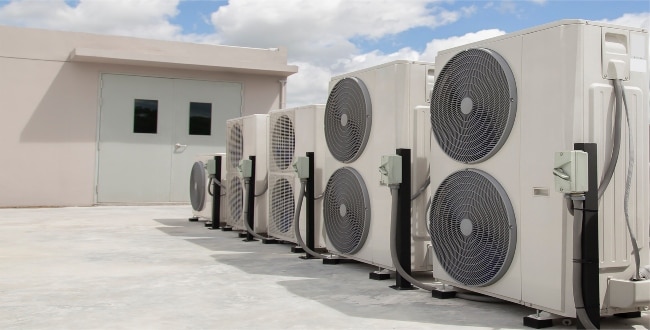
Salute e comfort negli aeroporti Airport HVAC systems help maintain clean air, stable temperatures, proper humidity, and reliable terminal operations. Learn how filtration, pressure monitoring, environmental sensors, and DwyerOmega solutions support airport comfort and efficiency.
Tagged as:Blog, Get Curious
Read More
Building Confidence into Laboratory and On-Site Humidity Calibration Accurate humidity and temperature calibration starts with stable conditions and reliable measurements. Explore how DwyerOmega calibration solutions help technicians generate, measure, monitor, and document environmental conditions for consistent results in laboratory and on-site applications.
Tagged as:Blog, Get Curious
Read More
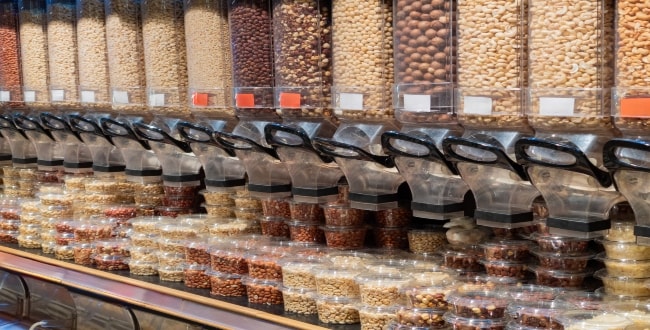
Introduzione al trasporto pneumatico Pneumatic conveying moves powders and bulk solids through enclosed lines using air pressure or vacuum. This article compares dilute and dense phase methods and highlights instruments used to monitor material level and differential pressure.
Tagged as:Blog, Get Curious
Read More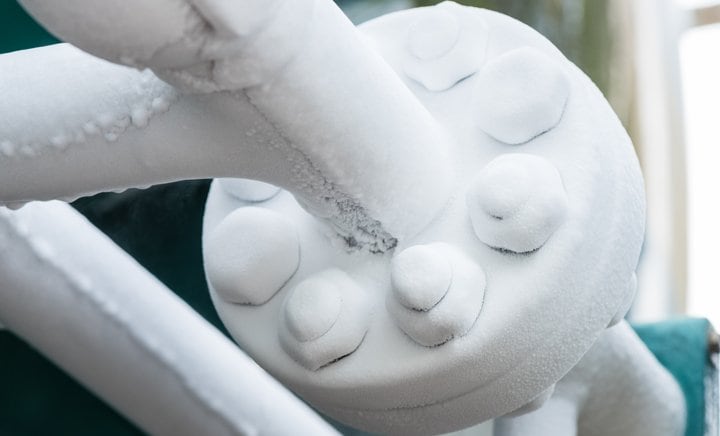
Che cos'è un sistema di tracciamento termico? Un sistema di tracciamento termico è un insieme di percorsi allineati lungo tubi o recipienti.
Tagged as:Technical Learning, Get Curious
Read More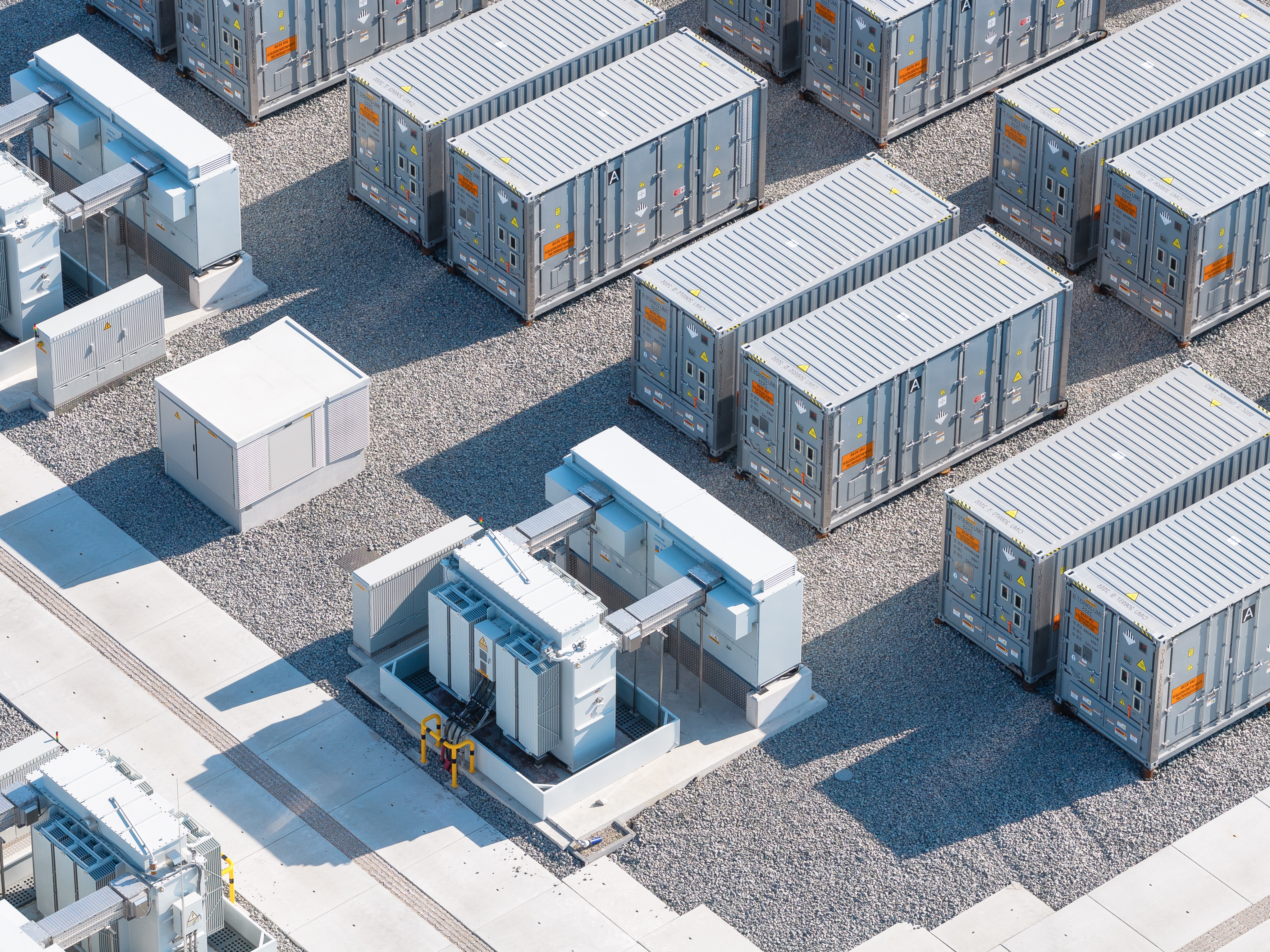
Product Highlight: The HD-6 Hydrogen Gas Detector The HD-6 Hydrogen Gas Detector provides continuous hydrogen monitoring for battery energy storage systems, battery rooms, data centers, and renewable energy facilities. With configurable alarms, ventilation and BMS integration, long sensor life, and recognized certifications, it supports a layered approach to gas detection and safety.
Tagged as:Blog, Get Curious
Read More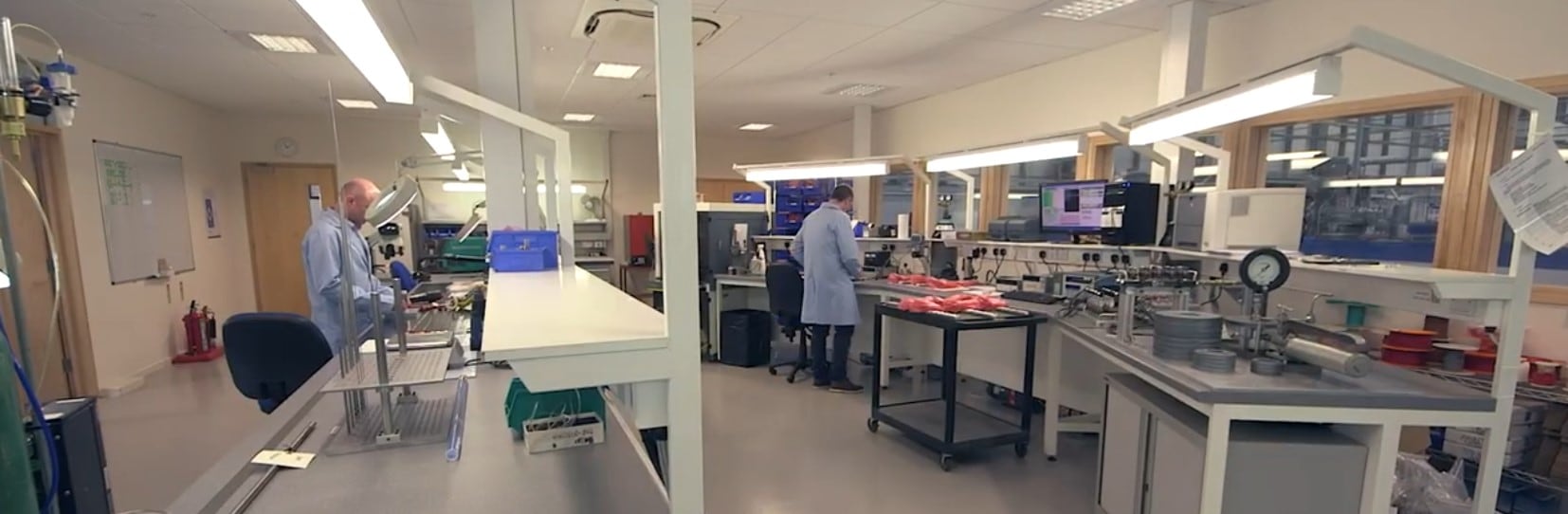
Precision Calibration Out on the Island Explore the DwyerOmega Hauppauge laboratory’s calibration capabilities for relative humidity, temperature, water activity, and differential pressure, along with traceable dew point calibration performed using Michell calibration equipment.
Tagged as:Blog, Get Curious
Read More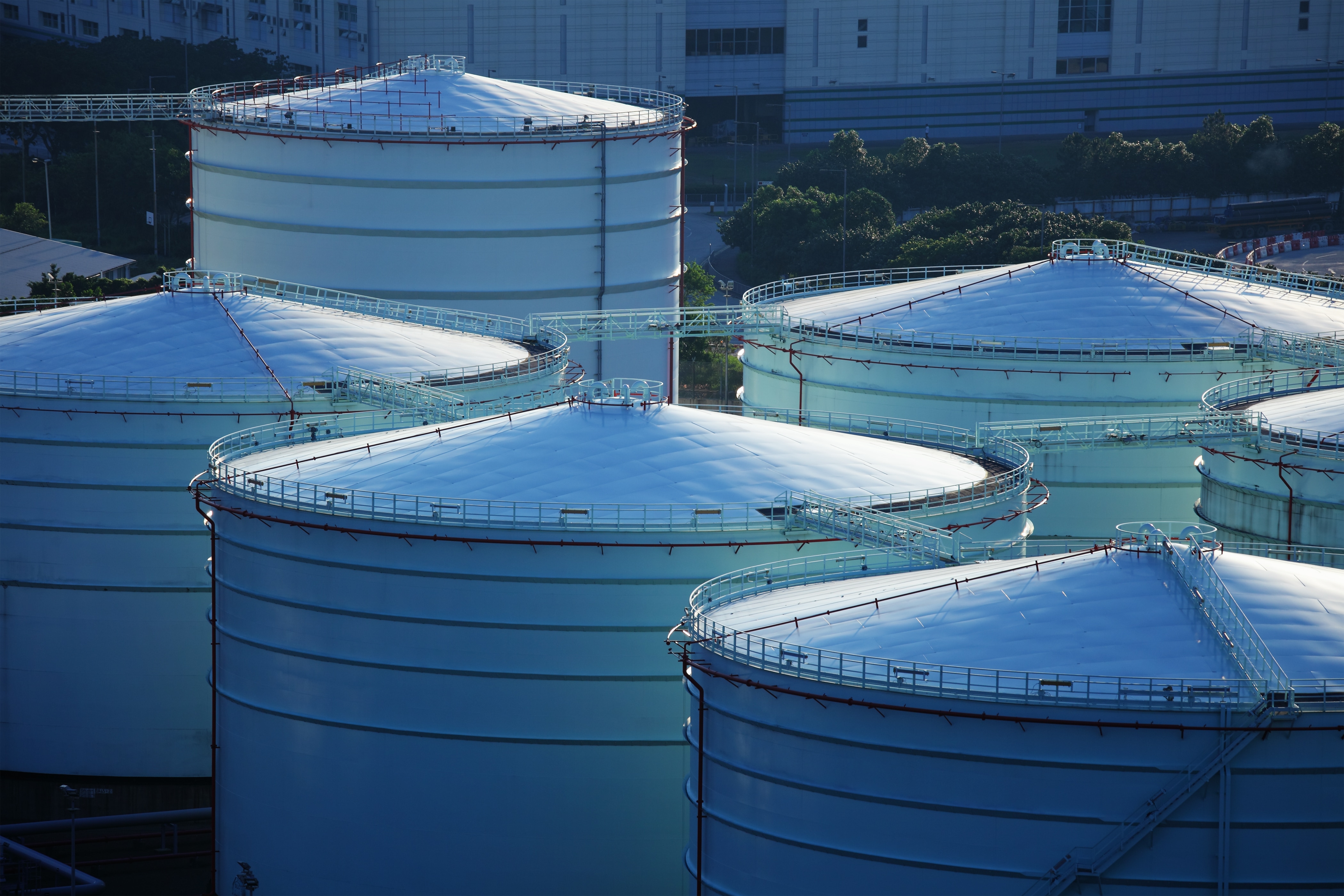
How to Log Tank Level with a Transmitter and a Level Switch Learn how continuous level transmitters and point-level switches connect to a data logger, what each signal records, and how to plan inputs, power, and channel capacity for effective tank level monitoring.
Tagged as:Blog, Get Curious
Read More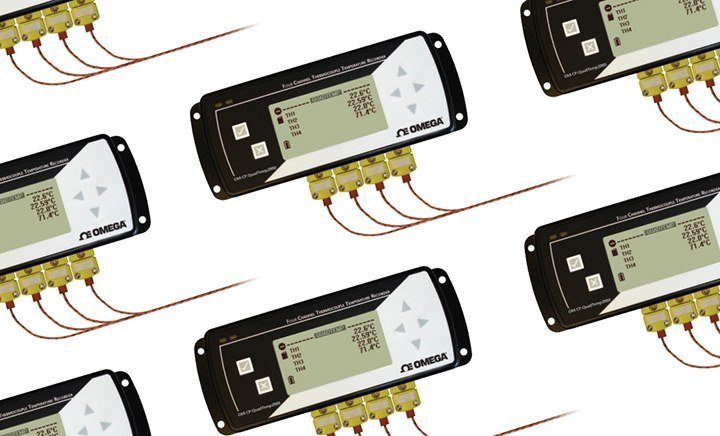
Cosa sono i data logger per temperatura? Ottieni informazioni preziose sul funzionamento e sull'importanza dei data logger. Scopri i diversi tipi (data logger di temperatura, umidità e pressione) e come migliorano l'accuratezza del monitoraggio, la conformità normativa e il processo decisionale basato sui dati in un'ampia gamma di ambienti industriali e commerciali.
Tagged as:Product Info, Get Curious
Read More
Comprendere l'efficienza della ventilazione e il DCV nei parcheggi multipiano e nei garage Learn how carbon monoxide monitoring, demand-controlled ventilation, and variable frequency drives can reduce parking garage ventilation energy consumption by adjusting exhaust fan operation based on changing CO concentrations and ventilation demand.
Tagged as:Blog, Get Curious
Read More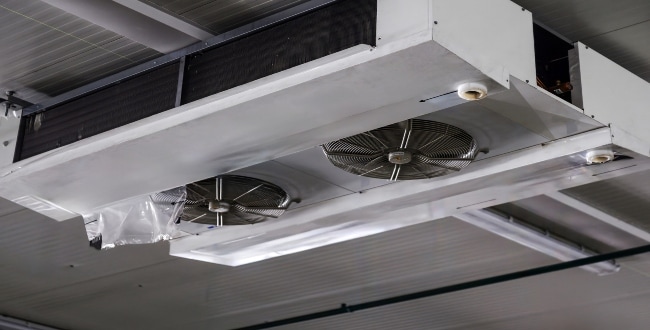
Informazioni sui sensori di particolato "La qualità dell'aria non riguarda solo la temperatura e l'umidità: anche il particolato (PM) svolge un ruolo fondamentale. Dalla polvere e dalla muffa al fumo e agli aerosol, i sensori PM rilevano e misurano le particelle sospese nell'aria in tempo reale, aiutando le industrie, le strutture e i luoghi di lavoro a mantenere ambienti più salubri. Scopri come funzionano questi sensori e perché sono fondamentali per il monitoraggio della qualità dell'aria interna.
Tagged as:Blog, Get Curious
Read More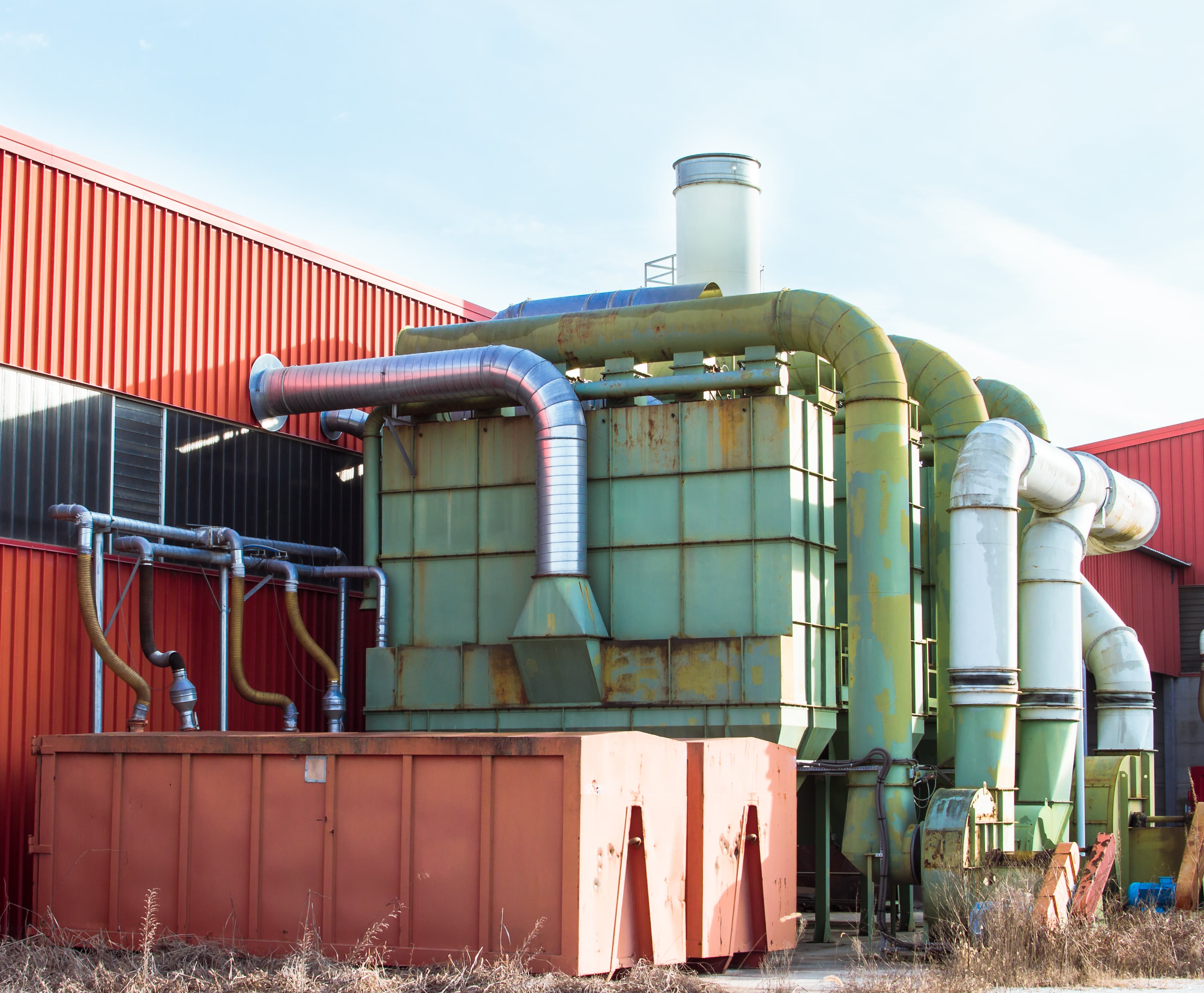
Choosing the Right Dust Collector Timer Controller Choosing the right dust collector timer controller depends on channel count, available power, cleaning strategy, and expandability. This guide compares the DCT500A, DCT500ADC, DCT600, DCT1000, and DCT1000DC to help identify the appropriate controller for different pulse-jet dust collection systems.
Tagged as:Blog, Get Curious
Read More
How to Read a Psychrometric Chart Master the fundamentals of the psychrometric chart with this comprehensive guide. Learn how to locate dry bulb temperature, relative humidity, dew point, wet bulb temperature, humidity ratio, enthalpy, and other key air properties while gaining a deeper understanding of humidity measurement and HVAC system analysis through practical examples and step-by-step instruction.
Tagged as:Blog, Get Curious
Read More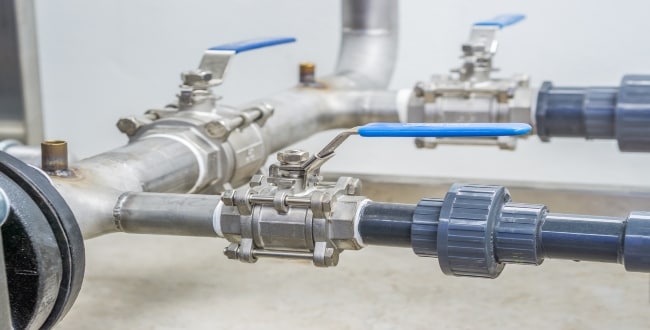
Come dimensionare correttamente una valvola Understand the fundamentals of valve sizing, including Cv, pressure drop, critical flow, rangeability, and media-specific equations for liquids, gases, and steam. Explore how DwyerOmega valve solutions support precise, reliable flow control across demanding applications.
Tagged as:Blog, Get Curious
Read More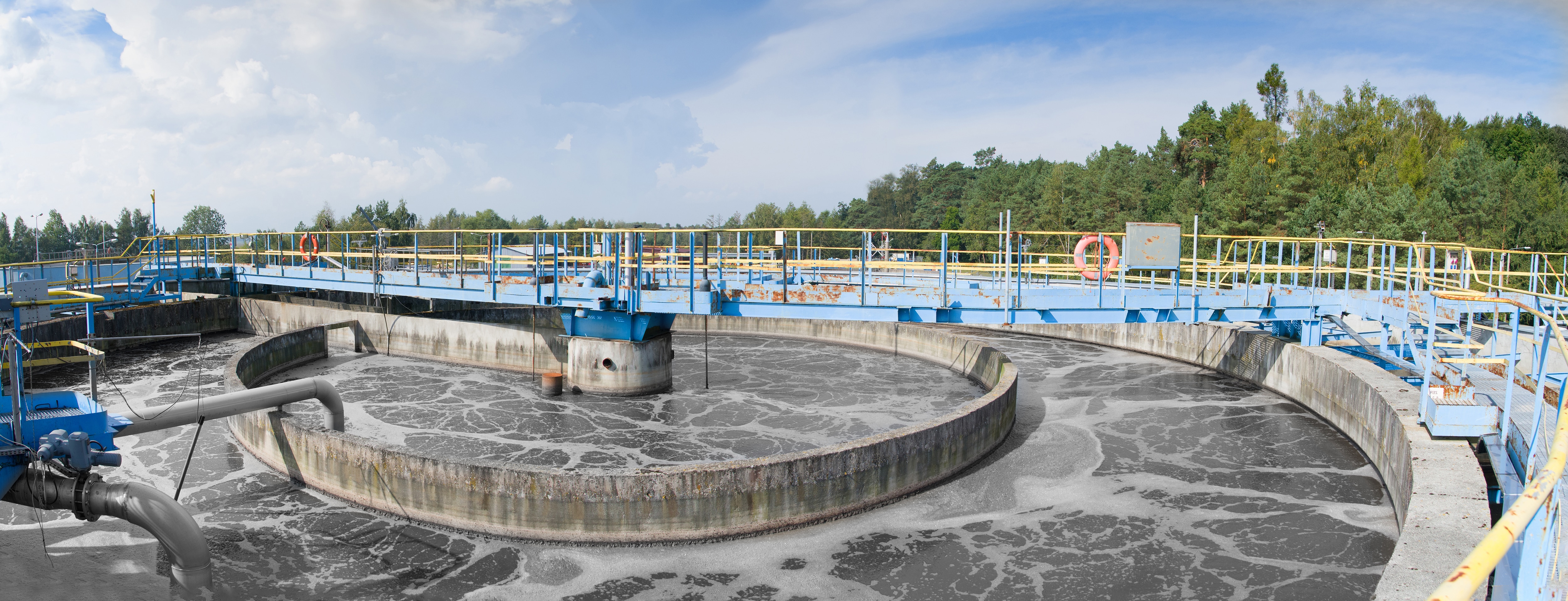
Un approfondimento sui trasduttori di pressione I trasduttori di pressione sono fondamentali in ambienti subacquei, poiché garantiscono l'affidabilità e la sicurezza delle apparecchiature in varie applicazioni. Le considerazioni chiave includono la scelta dei materiali, la tenuta, la profondità nominale e l'uscita del segnale.
Tagged as:Technical Learning, Get Curious
Read More
How School HVAC Systems Work Explore how sensors and transmitters help classroom HVAC systems maintain comfortable temperatures, control humidity, manage ventilation, monitor airflow, and support indoor air quality. Learn how key HVAC instrumentation provides building automation systems with the measurements needed to maintain efficient, consistent classroom environments.
Tagged as:Blog, Get Curious
Read More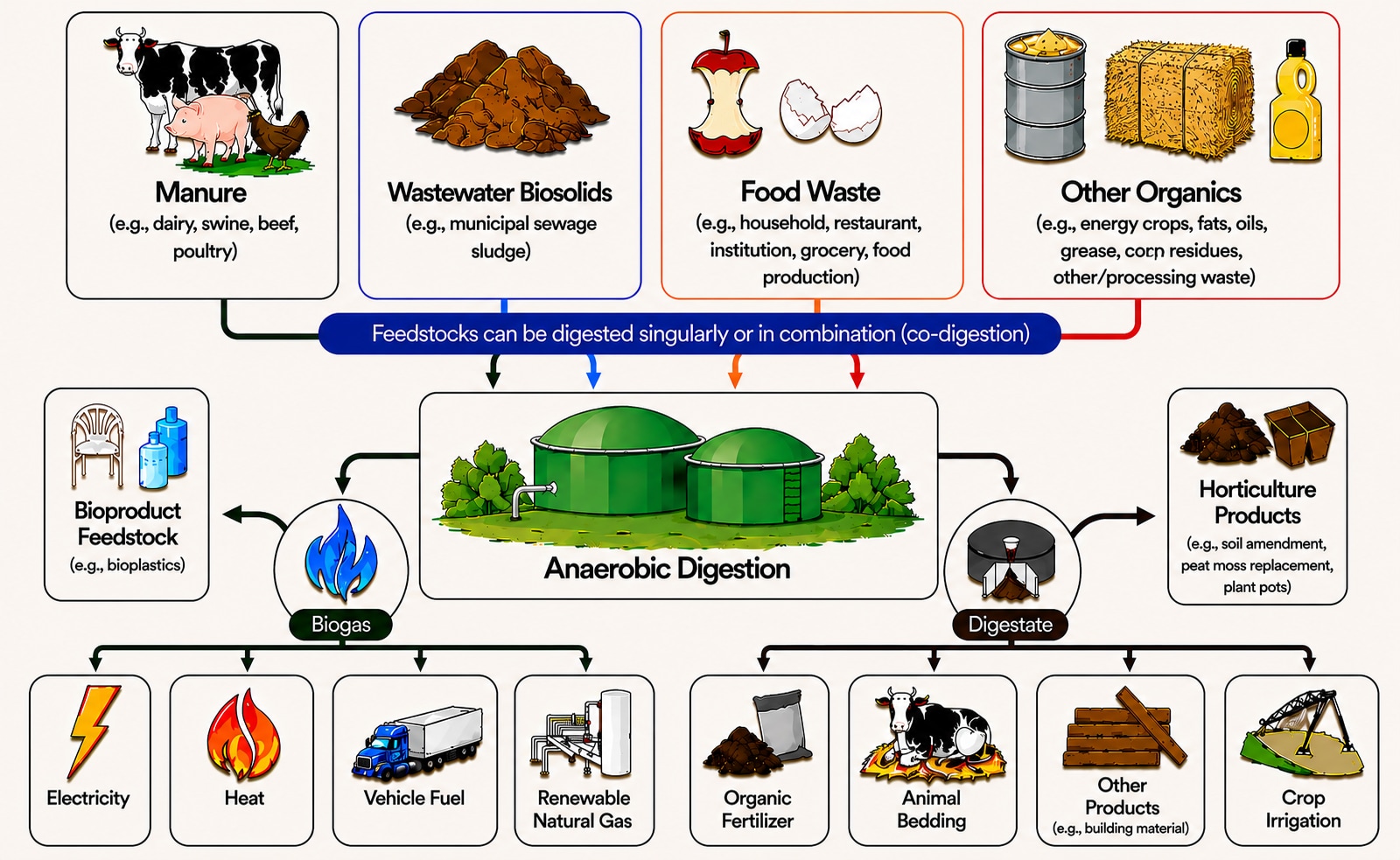
Temperature Control in Anaerobic Digestion Temperature stability is one of the most important factors affecting anaerobic digester performance. This article explains how anaerobic digestion works, why methanogens depend on consistent operating temperatures, and how PID-controlled heating systems help maximize biogas production while minimizing process upsets. It also explores common anaerobic digestion applications and highlights instrumentation that supports reliable process control.
Tagged as:Blog, Get Curious
Read More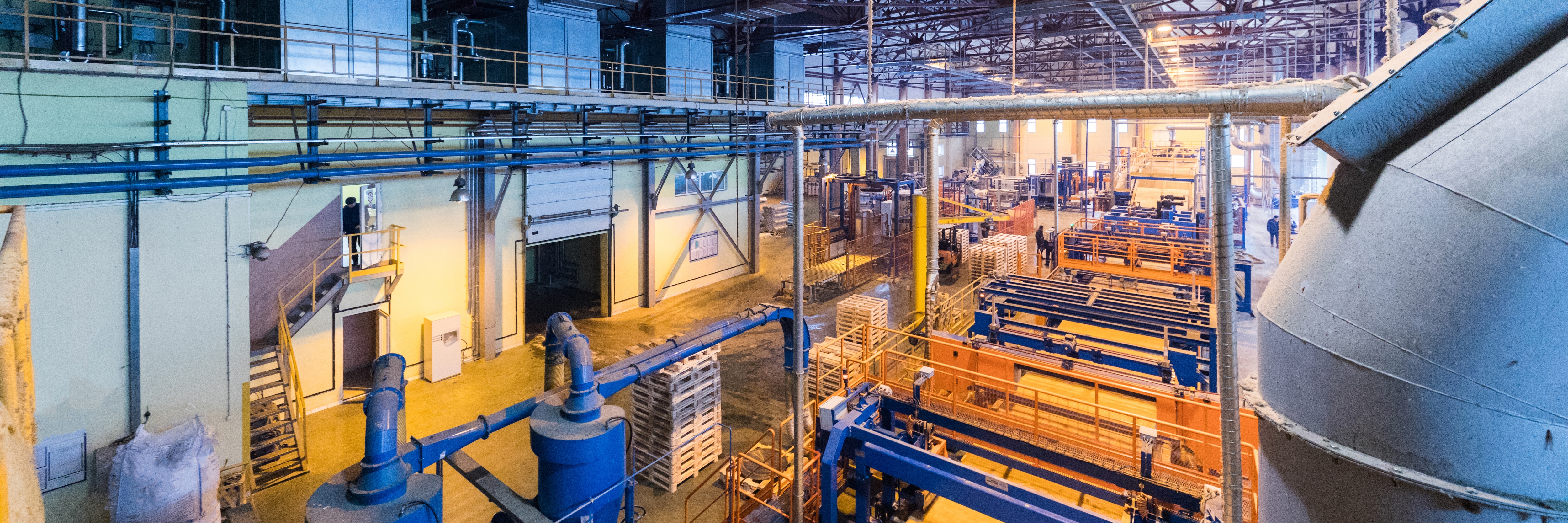
What is Traceability? Learn what traceability means in calibration, how measurement results are linked to recognized standards through an unbroken chain of calibrations, and why traceability is essential for ensuring measurement accuracy, regulatory compliance, quality control, and confidence in critical industrial applications.
Tagged as:Blog, Get Curious
Read More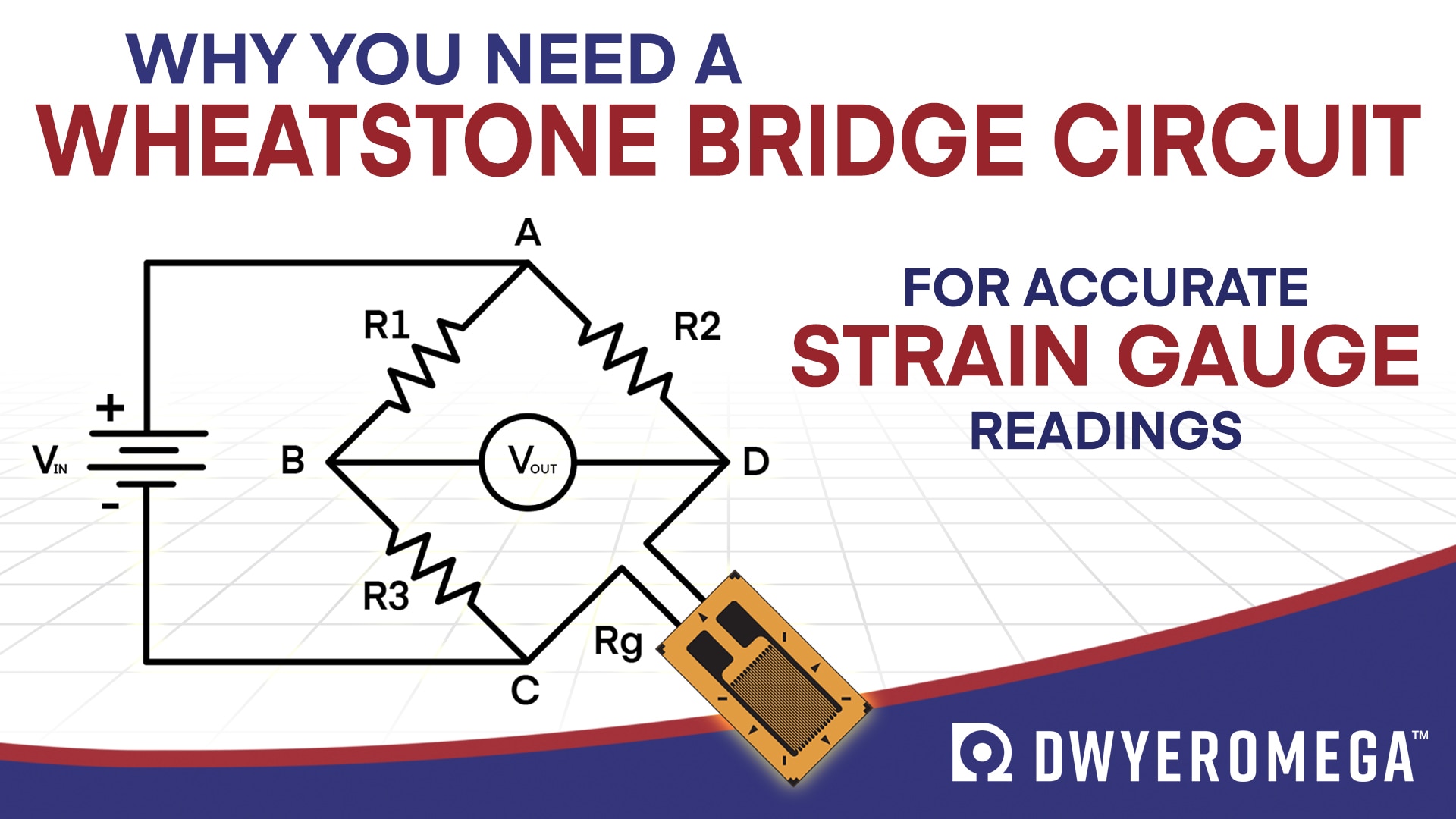
Che cos'è un ponte di Wheatstone? Per misurare la deformazione con un estensimetro a resistenza incollato, è necessario collegarlo a un circuito elettrico in grado di misurare le minime variazioni di resistenza corrispondenti alla deformazione.
Tagged as:Technical Learning, Get Curious
Read More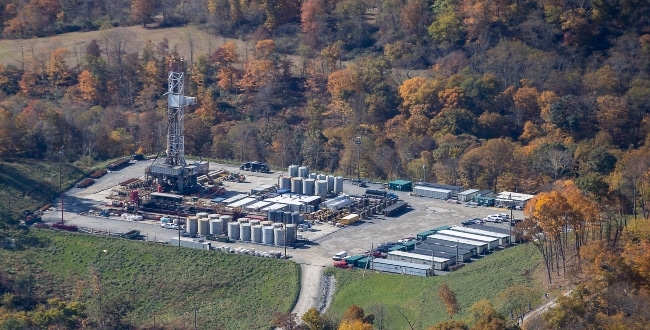
Controllore della pompa con trasmettitore di livello Controllo delle pompe nelle stazioni di sollevamento delle acque reflue Wastewater lift stations play a critical role in municipal and industrial collection systems by pumping wastewater when gravity flow is no longer sufficient. Learn how level transmitters and pump controllers work together to automate pump operation, maintain wet well levels, reduce maintenance, and support reliable wastewater transport.
Tagged as:Blog, Get Curious
Read More
Il timer del depolveratore mostra le condizioni del filtro nel depolveratore Portable dust collectors rely on clean, properly functioning filters to maintain airflow and capture airborne particulates effectively. This article explains how monitoring differential pressure across filters can help identify filter loading, optimize pulse-jet cleaning cycles, reduce maintenance requirements, and support overall dust collection system performance. It also highlights DwyerOmega solutions for pressure measurement, automated filter cleaning, and demand-based cleaning control.
Tagged as:Blog, Get Curious
Read More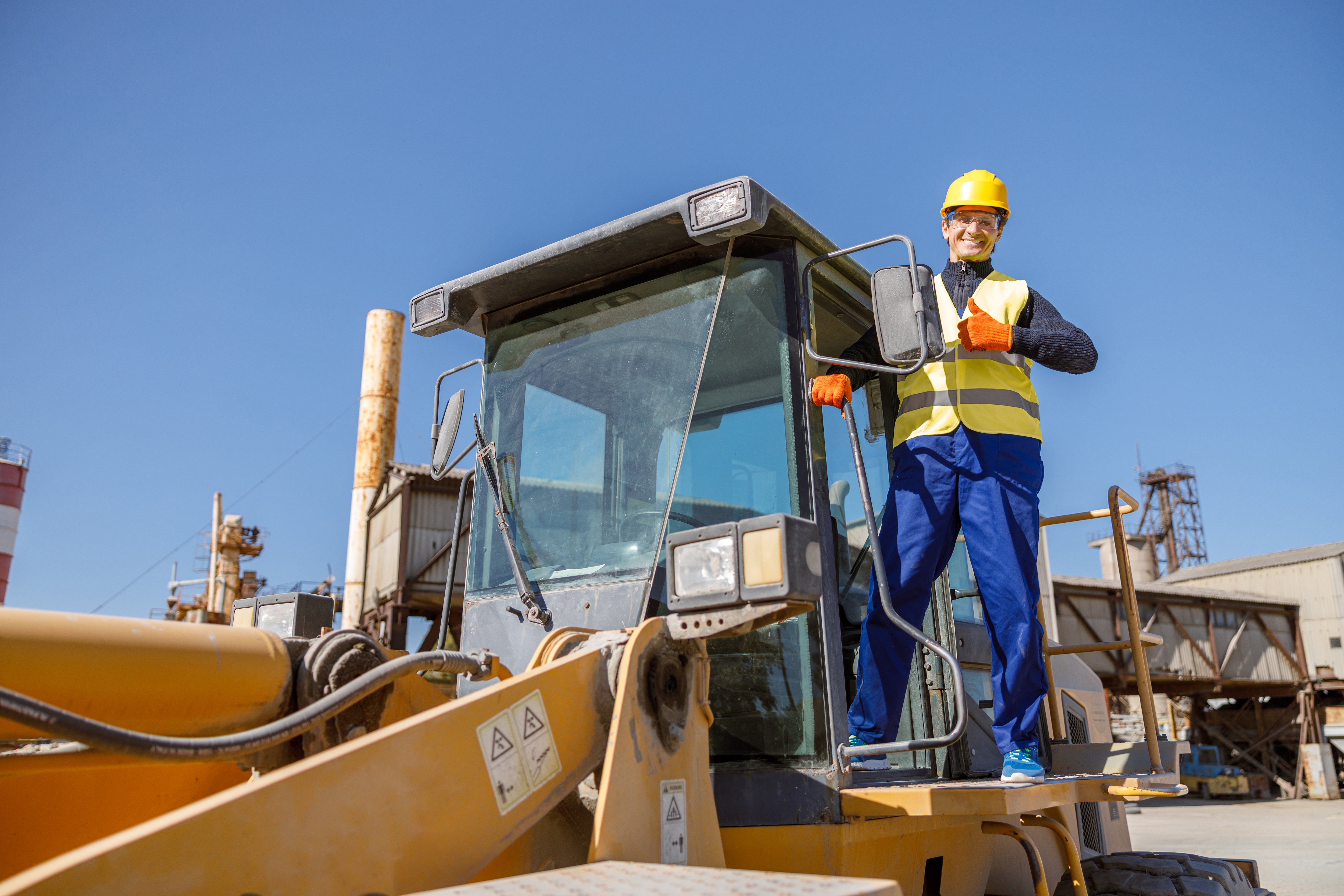
Serie OLS fornisce l'indicazione del livello nel radiatore delle attrezzature pesanti Heavy equipment engines depend on liquid cooling systems to operate reliably under demanding conditions. Learn how coolant level monitoring helps prevent overheating, reduce downtime, and protect critical engine components. This article explains how radiator cooling systems work and how optical level switches provide reliable low-coolant detection for construction, mining, agricultural, and industrial equipment.
Tagged as:Blog, Get Curious
Read More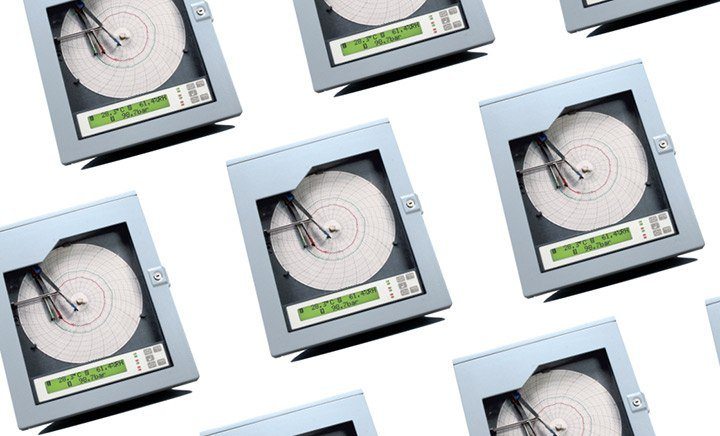
Registratori grafici Un registratore grafico è uno strumento utilizzato per registrare vari segnali elettrici e di processo.
Tagged as:Blog, Get Curious
Read More
The Importance of Instrument Calibration Accurate measurement is critical to process control, product quality, and safety. Over time, environmental factors and wear can cause instrument drift, leading to costly errors and operational risk. Routine calibration and NIST-traceable certification help maintain data integrity, reduce variability, and ensure compliance—keeping systems reliable and performance on target.
Tagged as:Blog, Get Curious
Read More
Trasmettitori di pressione differenziale vs. monitor dello stato della stanza Gli ambienti controllati dipendono da una pressione differenziale accurata per mantenere un flusso d'aria adeguato e prevenire la contaminazione. Questo articolo spiega in che modo i trasmettitori e i monitor dello stato della stanza misurano, visualizzano e integrano i dati sulla pressione per le applicazioni sanitarie, di laboratorio e in camera bianca e dove ciascun tipo di dispositivo è più efficace.
Tagged as:Blog, Get Curious
Read More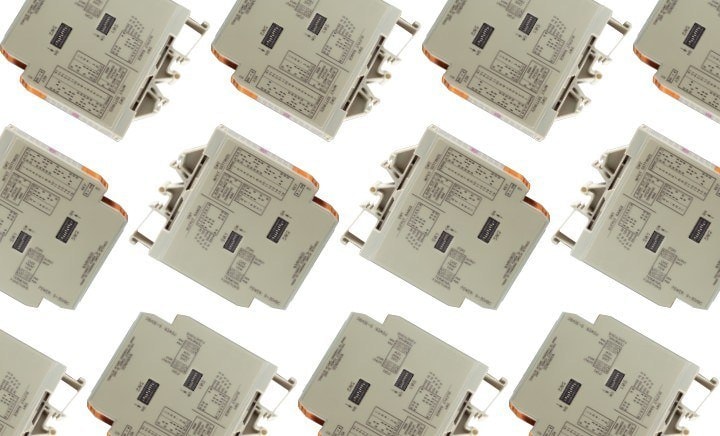
In che modo il condizionamento del segnale migliora la precisione di misurazione e le prestazioni del sistema Il condizionamento del segnale è un passaggio fondamentale nell'acquisizione dei dati, che consente ai sensori di fornire misurazioni accurate e affidabili. Amplificando, filtrando, isolando e convertendo i segnali, i condizionatori di segnale garantiscono la compatibilità tra gli input del mondo reale e i sistemi digitali utilizzati nelle applicazioni industriali, commerciali e di laboratorio.
Tagged as:Blog, Get Curious
Read More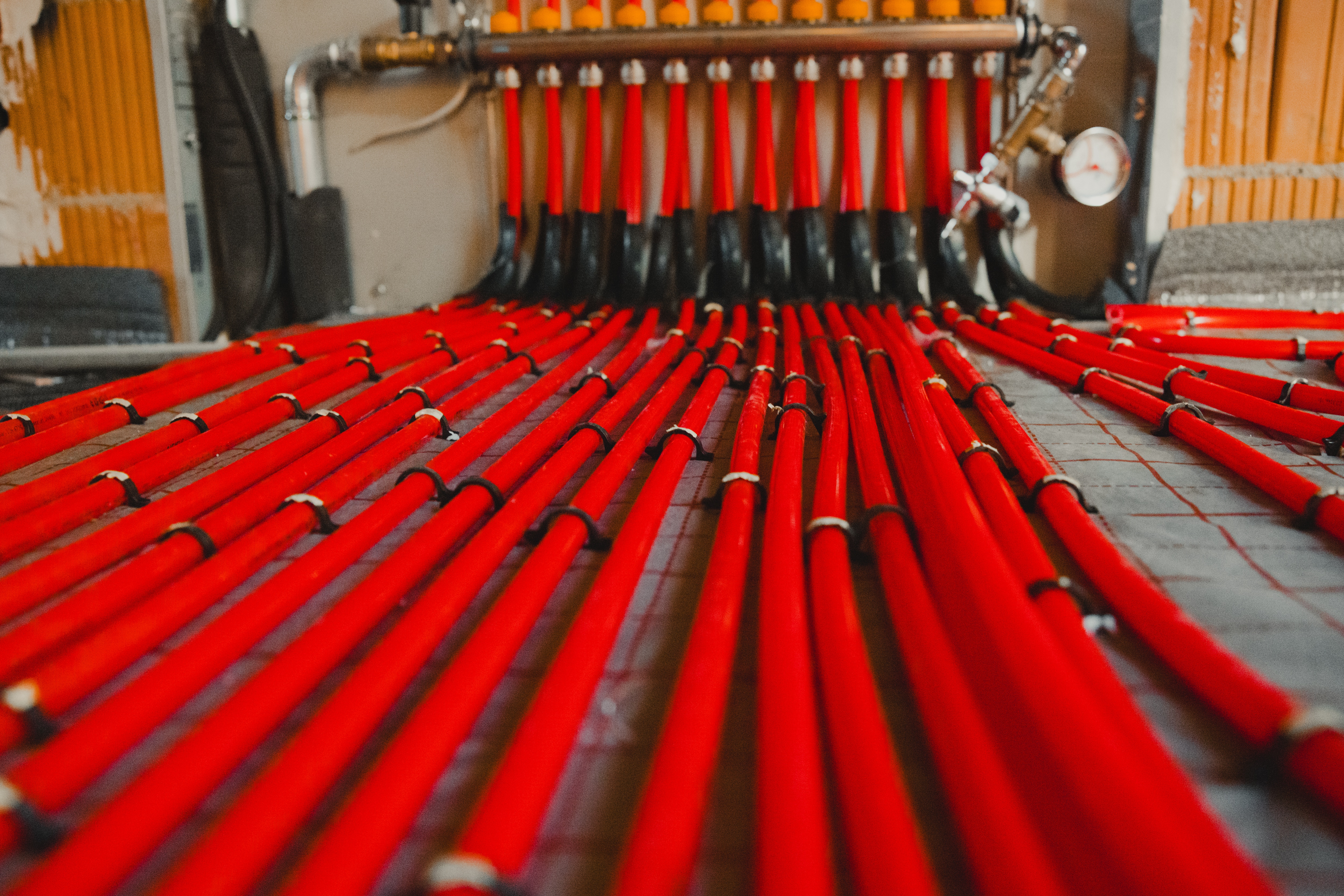
Misurazione dell'energia termica nei sistemi HVAC idronici La misurazione dell'energia termica nei sistemi HVAC idronici si basa sul flusso, sul differenziale di temperatura e sul calcolo. Questo articolo delinea i componenti principali e confronta configurazioni personalizzate flessibili e a basso costo con sistemi a ultrasuoni ed elettromagnetici completamente integrati. Spiega come funziona ciascun approccio, le principali considerazioni sulle prestazioni e quando dare priorità alla semplicità, all'accuratezza o al costo.
Tagged as:Blog, Get Curious
Read More
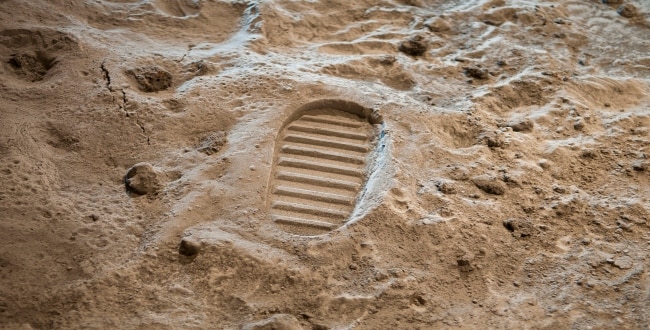
Da Apollo ad Artemide Il programma Artemis della NASA sta portando avanti l'esplorazione umana oltre l'orbita terrestre bassa, basandosi sull'eredità tecnica di Apollo. Sebbene le architetture dei veicoli spaziali e delle missioni si siano evolute, i requisiti fondamentali come il controllo della pressione e la gestione del flusso di gas rimangono critici. Dai sistemi di quarantena dell'Apollo 11 alle missioni Artemis di oggi, una misurazione accurata supporta la sicurezza dell'equipaggio, la protezione dei campioni e le prestazioni affidabili del sistema.
Tagged as:Blog, Get Curious
Read More
L'importanza del monitoraggio della qualità dell'aria interna durante la stagione degli incendi boschivi Il fumo degli incendi boschivi introduce particelle fini che possono infiltrarsi negli ambienti interni, rendendo la qualità dell'aria interna una sfida attiva del sistema piuttosto che una condizione passiva. Questo articolo illustra come le strutture possono utilizzare il monitoraggio del particolato, il rilevamento della pressione differenziale e la misurazione di CO₂/VOC per mantenere un'aria interna sicura durante gli eventi di fumo. Combinando le strategie di filtrazione con i dati in tempo reale, gli operatori possono bilanciare la riduzione dell'apporto di aria esterna con la salute degli occupanti, le prestazioni del sistema e il controllo della ventilazione.
Tagged as:Blog, Get Curious
Read More
4 motivi per cui dovreste effettuare la misurazione dell'umidità L'umidità relativa è meno visibile della temperatura, ma ha un impatto misurabile sull'integrità del prodotto, sulla stabilità del processo e sul comfort degli occupanti. Dalla produzione e lo stoccaggio alle prestazioni degli edifici, il mantenimento di intervalli di umidità controllati aiuta a ridurre i rischi e a migliorare la coerenza. Strumenti come trasmettitori di umidità fissi e termoigrometri portatili forniscono i dati necessari per monitorare, verificare e gestire le condizioni in modo efficace.
Tagged as:Blog, Get Curious
Read More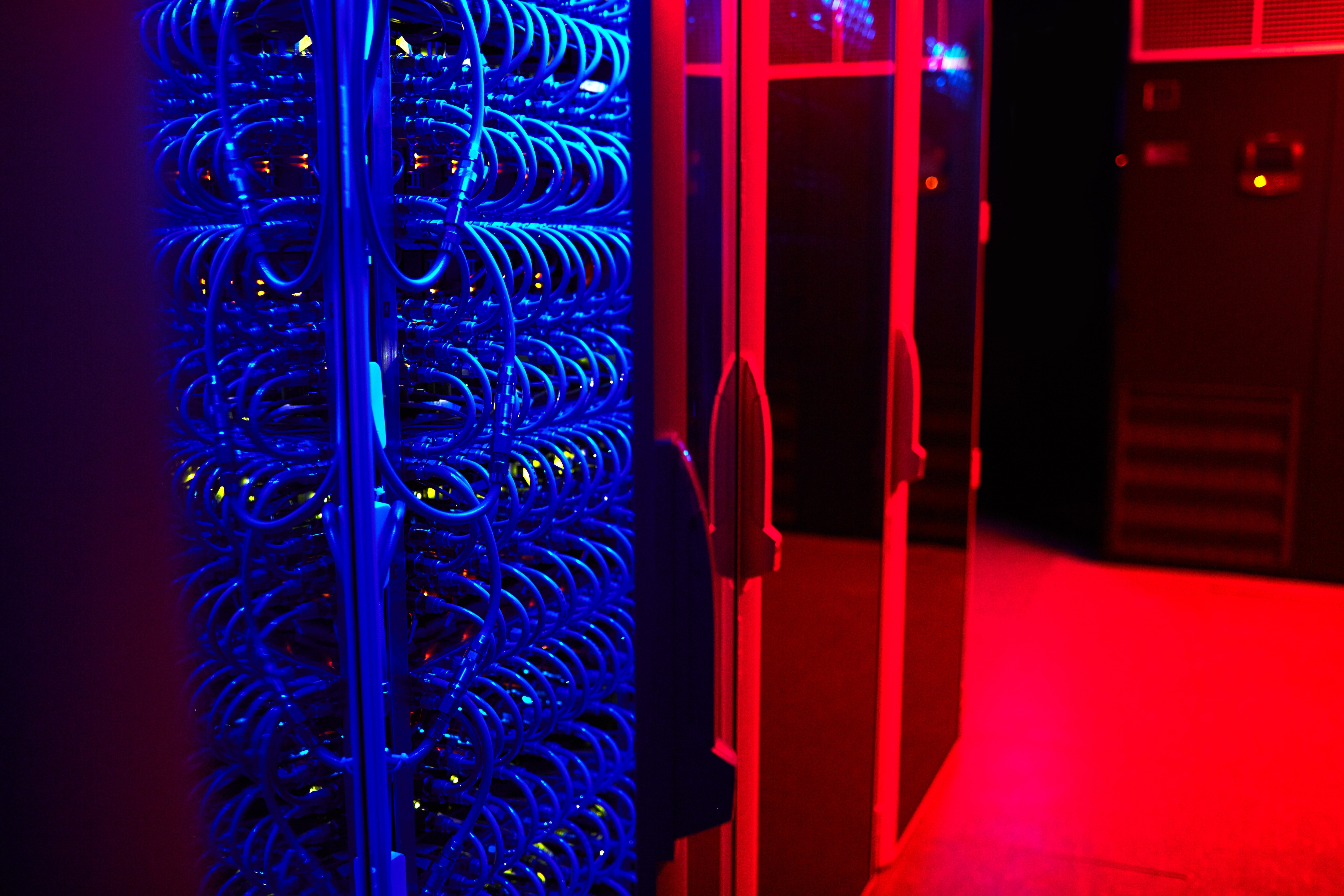
Controllo dei fluidi nei data center moderni Con l'aumento della densità dei rack, il raffreddamento a liquido sta diventando essenziale per mantenere le prestazioni termiche nei moderni data center. Questo cambiamento è accompagnato da una maggiore enfasi sullo smistamento, l'isolamento e il controllo dei fluidi. Le valvole ora svolgono un ruolo centrale nella gestione dei percorsi di flusso, consentendo l'automazione e supportando una risposta rapida a perdite o modifiche del sistema. Questo articolo illustra come i diversi tipi di valvole si adattano alle architetture raffreddate a liquido e dove forniscono un valore operativo misurabile.
Tagged as:Blog, Get Curious
Read More
Tipi di relè
I relè sono componenti fondamentali nei sistemi di controllo industriale, in quanto garantiscono un isolamento e una commutazione affidabili dei carichi elettrici. Questo articolo spiega il funzionamento dei relè a stato solido ed elettromeccanici, ne evidenzia le caratteristiche principali e gli aspetti relativi alle prestazioni, e illustra come scegliere il relè più adatto per applicazioni complesse.
Se desideri che la meta description sia più orientata al prodotto, di carattere informativo o specifica per determinate applicazioni (ad es. HVAC, controllo motori, commutazione di potenza), posso adattarla con precisione.
Tagged as:Technical Learning, Get Curious
Read More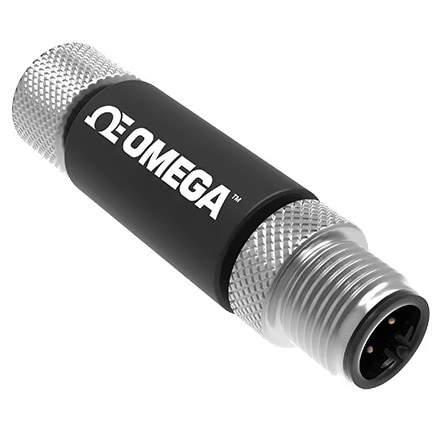
Product Highlight: IF-IOL Series IO-Link® Converter
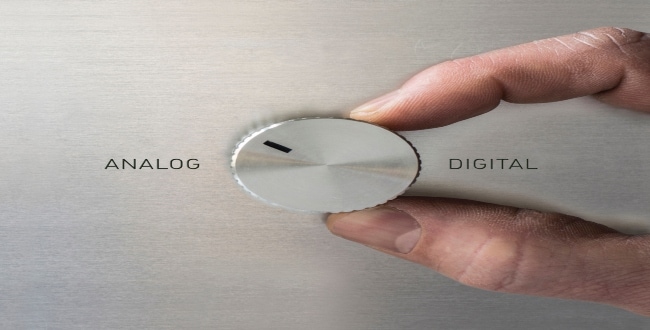
Many facilities still rely on proven 4–20 mA and 0–10 V analog sensors for critical measurements. While these signals remain widely supported, integrating them into modern digital architectures can introduce unnecessary complexity, particularly as systems scale or require more granular diagnostics.
The IF-IOL Series IO-Link® Converter is designed to bridge that gap. By converting legacy analog signals into IO-Link® process data, the IF-IOL Series enables existing sensors to participate in a standardized, bidirectional digital communication framework without requiring sensor replacement or extensive rewiring.
Tagged as:Blog, Get Curious
Read More
Tipi di accelerometri Un accelerometro è un dispositivo in grado di misurare l'accelerazione subita da un oggetto. Tuttavia, esistono molti tipi di accelerometri. In questo articolo imparerete a conoscerli.
Tagged as:Technical Learning, Get Curious
Read More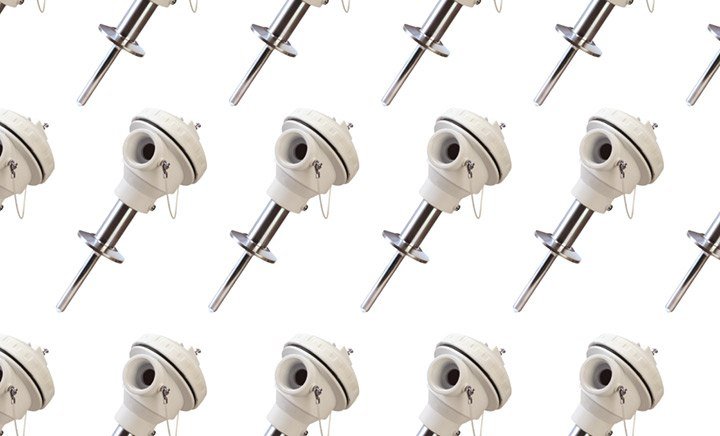
Sensori sanitari Un sensore sanitario è un dispositivo che misura la temperatura, il flusso o la pressione in un ambiente in cui i prodotti sono destinati al consumo umano.
Tagged as:Product Info, Get Curious
Read More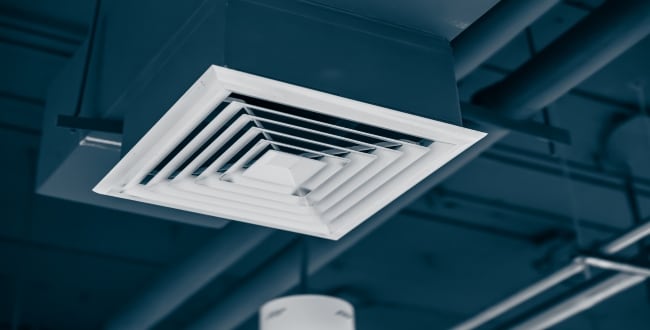
Bilanciamento dell'aria nei sistemi HVAC Air balancing ensures an HVAC system delivers the correct airflow to each zone, room, and terminal as intended by the original design. By measuring, adjusting, and verifying airflow, proper balancing improves comfort, indoor air quality, energy efficiency, and equipment reliability. This article explains common airflow measurement techniques, including flow hoods and duct traverse methods, and compares traditional proportional balancing with predictive balancing. It highlights how predictive balancing reduces iteration, improves accuracy, and saves time, especially in complex or mission-critical HVAC systems such as hospitals, laboratories, clean rooms, and data centers.
Tagged as:Blog, Get Curious
Read More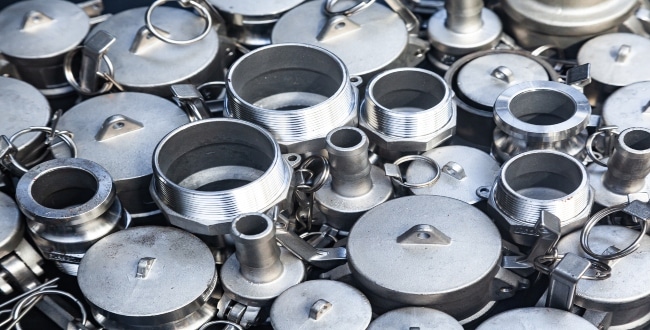
Love is in the (Conditioned & Ventilated) Air This article highlights a series of HVAC and industrial “power couples” that demonstrate why certain devices are designed to work together. Using a Valentine’s Day theme, it shows how pairing complementary sensors, controls, and protection devices improves system reliability, reduces downtime, and prevents damage. Featured pairings include level switches with leak detectors for layered protection, RTD probes with thermowells for accurate and protected temperature measurement, flowmeters with controllers for measurement-driven control, flexible heaters with thermostats for controlled heating, and thermocouple wire with matched connectors for signal integrity.
Tagged as:Blog, Get Curious
Read More
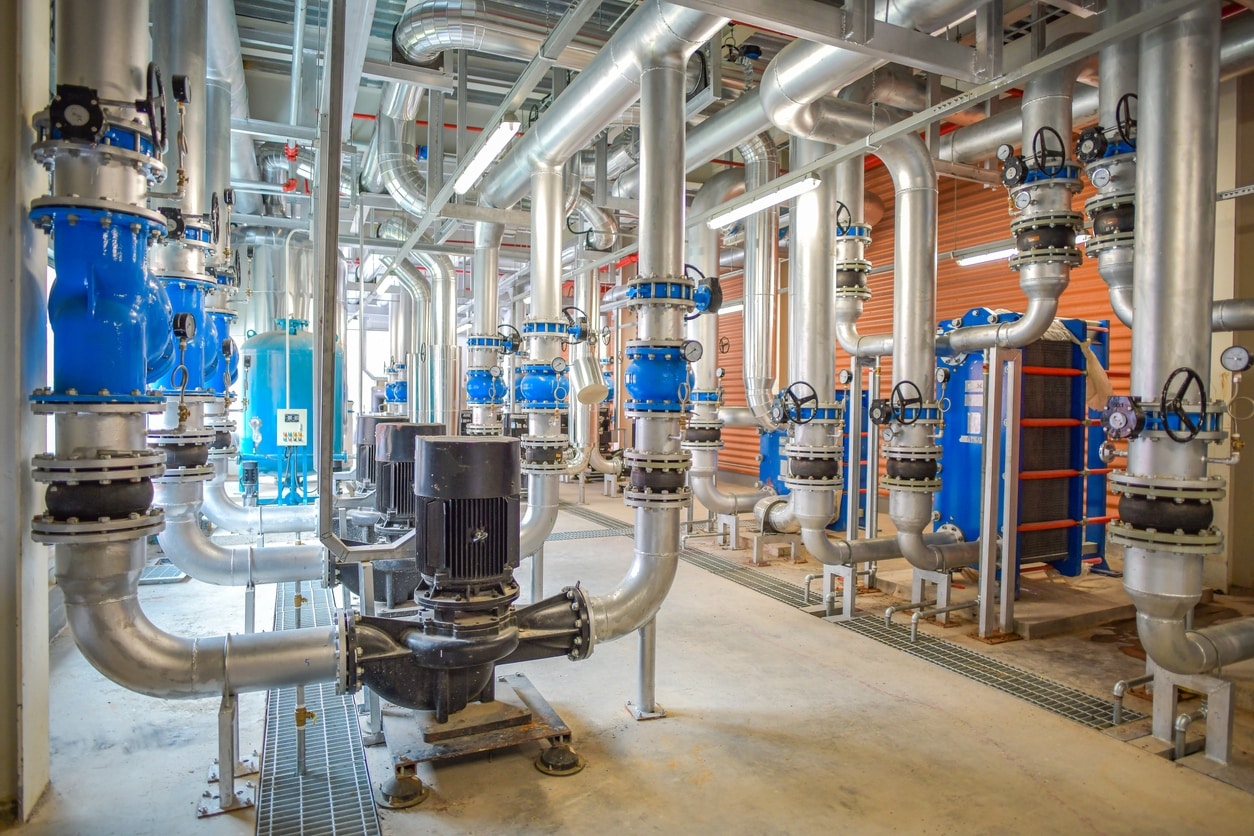
Cosa sono i refrigeratori d'acqua? I refrigeratori d'acqua rimuovono il calore dall'acqua in circolazione per fornire un controllo affidabile della temperatura nelle applicazioni HVAC e industriali. Questo articolo spiega come funzionano i refrigeratori, descrive i principali tipi di refrigeratori e compressori, confronta i sistemi raffreddati ad aria e quelli raffreddati ad acqua e introduce i metodi comuni per verificare il flusso dell'acqua refrigerata al fine di garantire un funzionamento efficiente e affidabile.
Tagged as:Blog, Get Curious
Read More
Preparatevi per l'AHR 2026 DwyerOmega sarà presente all'AHR Expo 2026, dove i partecipanti potranno scoprire le soluzioni di misurazione HVACR aggiornate per temperatura, pressione, flusso, livello, qualità dell'aria interna e rilevamento di gas. Attraverso dimostrazioni pratiche e conversazioni dirette con gli esperti di prodotto, il team DwyerOmega utilizza l'AHR come opportunità per ascoltare il feedback dei clienti, comprendere le sfide reali sul campo e garantire che lo sviluppo futuro dei prodotti sia in linea con le esigenze in evoluzione del settore.
Tagged as:Blog, Get Curious
Read More
Che cos'è un'unità di trattamento aria? Un'unità di trattamento aria (AHU) è una parte fondamentale del sistema HVAC di un edificio, responsabile della circolazione e del condizionamento dell'aria per mantenere ambienti interni confortevoli e salubri. Comunemente utilizzate in strutture commerciali e industriali, le AHU funzionano insieme alle apparecchiature di riscaldamento e raffreddamento per regolare il flusso d'aria, la temperatura e l'umidità. Le moderne AHU si avvalgono di sensori e trasmettitori per monitorare la qualità dell'aria, ottimizzare l'efficienza energetica, rilevare tempestivamente eventuali problemi e supportare un'efficace manutenzione preventiva.
Tagged as:Blog, Get Curious
Read More
5 fattori da considerare in occasione della scelta di una valvola La scelta della valvola corretta è essenziale per un funzionamento sicuro, affidabile ed efficiente del sistema. Questo articolo analizza cinque fattori chiave da considerare nella scelta di una valvola, tra cui la funzione della valvola, il fluido di processo, i valori nominali di pressione e temperatura, i requisiti di flusso e i vincoli di azionamento o installazione. Comprendere come questi fattori interagiscono aiuta gli ingegneri e i progettisti di sistemi a evitare guasti prematuri, migliorare le prestazioni di controllo e garantire l'affidabilità a lungo termine nelle applicazioni industriali e HVAC.
Tagged as:Blog, Get Curious
Read More
Come garantire la sicurezza nel settore alimentare e delle bevande La refrigerazione è un punto di controllo HACCP fondamentale perché temperature non sicure consentono la proliferazione di batteri nocivi. Le aziende di trasformazione alimentare devono monitorare, registrare e verificare in continuo le temperature per garantire la conformità e proteggere la qualità dei prodotti. Sensori, allarmi e strumenti di documentazione affidabili consentono di rilevare rapidamente eventuali escursioni termiche e di mantenere una conservazione a freddo sicura in ogni fase della produzione.
Tagged as:Blog, Get Curious
Read More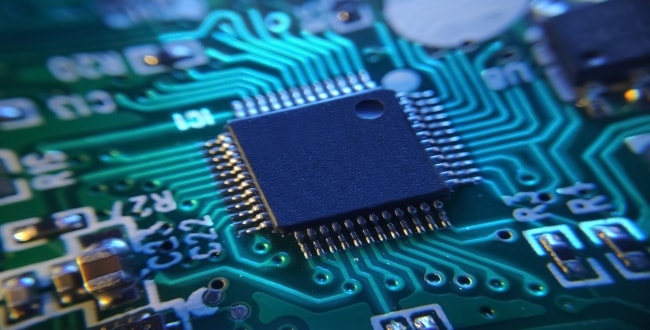
Quali sono le migliori soluzioni di monitoraggio per i subfab dei semiconduttori? I transistor dei semiconduttori funzionano a dimensioni su scala nanometrica, dove anche piccole variazioni ambientali possono influire sulle prestazioni e sulla resa. Di conseguenza, la produzione di semiconduttori richiede un controllo estremamente preciso della temperatura, dell'umidità, della pressione e della contaminazione per garantire una produzione affidabile dei microchip.
Tagged as:Blog, Get Curious
Read More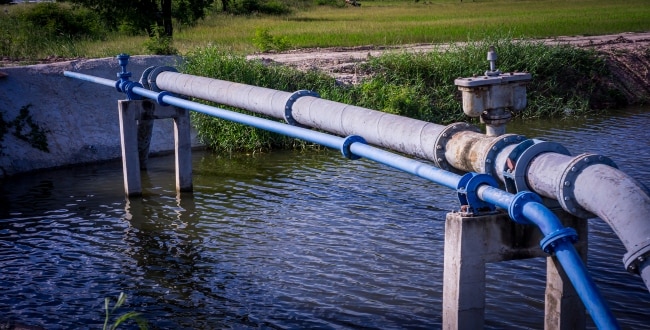
Come monitorare correttamente il flusso in canali aperti Il monitoraggio del flusso in canali aperti misura la portata dell'acqua o delle acque reflue che si muovono attraverso sistemi alimentati per gravità come canali di scolo, dighe e canali aperti. I metodi meccanici tradizionali come i misuratori a stelo e i galleggianti vengono sostituiti da sensori di livello a ultrasuoni e idrostatici che forniscono misurazioni in continuo, precise e a bassa manutenzione. Queste soluzioni moderne migliorano l'accuratezza, riducono il lavoro sul campo e garantiscono dati affidabili per applicazioni di irrigazione, acque piovane e acque reflue.
Tagged as:Blog, Get Curious
Read More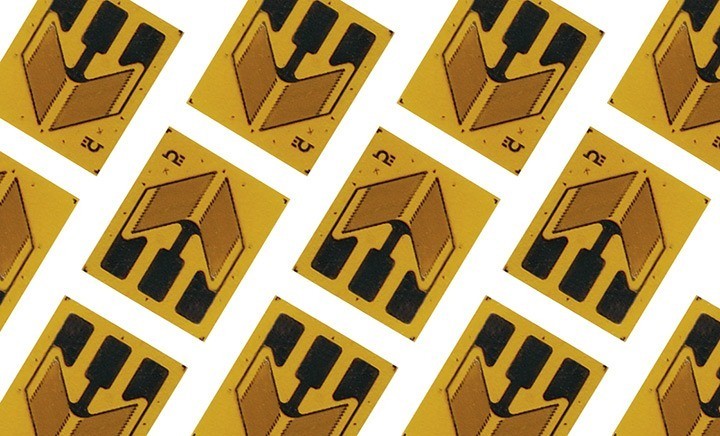
Cosa sono gli estensimetri? Gli estensimetri convertono la deformazione meccanica in variazioni di resistenza misurabili attraverso l'effetto piezoresistivo. Piccole variazioni di resistenza vengono rilevate utilizzando un ponte di Wheatstone con amplificazione e compensazione della temperatura. I tipi più comuni includono estensimetri lineari, a diaframma, a rosetta, a torsione e a doppio parallelo, ciascuno adatto a specifiche direzioni di sollecitazione e materiali. Ampiamente utilizzati nelle prove strutturali, nella misurazione del carico e della pressione e nel monitoraggio delle condizioni industriali, gli estensimetri forniscono dati precisi essenziali per la sicurezza, le prestazioni e la manutenzione predittiva in tutte le applicazioni ingegneristiche.
Tagged as:Blog, Get Curious
Read More
Che cos'è l'acqua reflua? Le acque reflue sono acque che sono state utilizzate nelle abitazioni, nelle aziende o nelle industrie e contengono contaminanti quali sostanze chimiche, materia organica e microrganismi. Prima di essere rilasciate o riutilizzate, devono essere trattate per rimuovere gli inquinanti che minacciano la salute e l'ambiente. I moderni impianti di trattamento accelerano la depurazione naturale attraverso passaggi quali la vagliatura (rimozione dei detriti di grandi dimensioni), la rimozione della sabbia (sedimentazione della sabbia e dei solidi) e la chiarificazione primaria (separazione dei fanghi e della schiuma). Questi processi garantiscono il ritorno sicuro dell'acqua pulita nell'ambiente e sostengono un uso sostenibile dell'acqua.
Tagged as:Blog, Get Curious
Read More
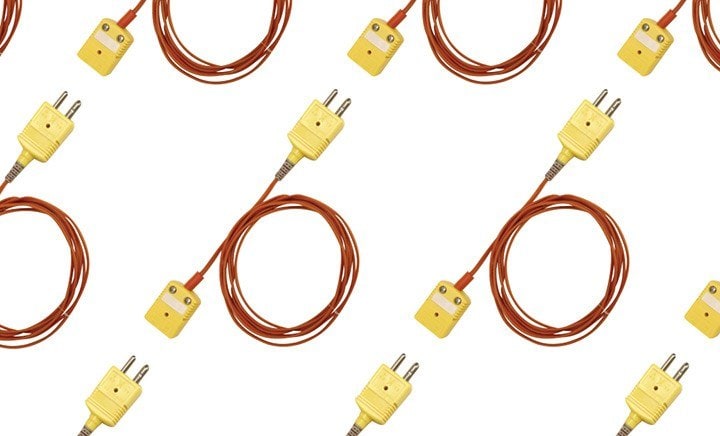
Comprendere i fili per termocoppie Filo utilizzato in una termocoppia dal punto di rilevamento al punto di compensazione della giunzione fredda (estremità cjc) dove viene misurato il segnale.
Tagged as:Product Info, Get Curious
Read More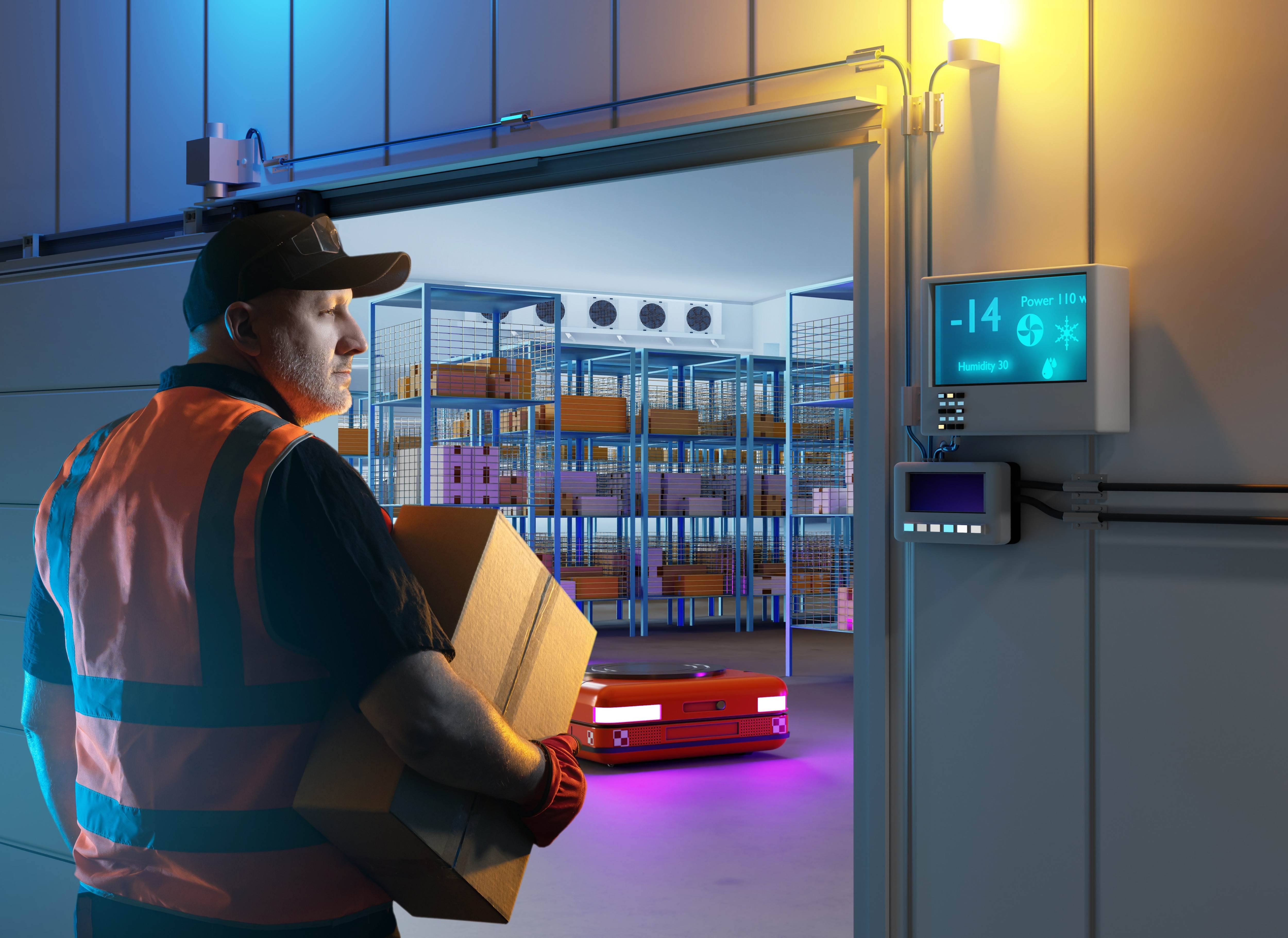
Soluzioni integrate per il controllo della temperatura nella refrigerazione industriale Questo articolo esplora come i sistemi integrati di controllo e monitoraggio della temperatura garantiscano sicurezza, uniformità e conformità negli ambienti di refrigerazione industriale. Spiega come i regolatori a ingresso universale, gli interruttori digitali, gli allarmi a termocoppia e i registratori di dati lavorino insieme per mantenere condizioni stabili nelle celle frigorifere, negli impianti di lavorazione alimentare e nelle strutture farmaceutiche. I lettori scopriranno come i dispositivi di controllo di precisione di DwyerOmega migliorino l'affidabilità, proteggano le scorte e semplifichino la manutenzione nei sistemi multi-unità.
Tagged as:Blog, Get Curious
Read More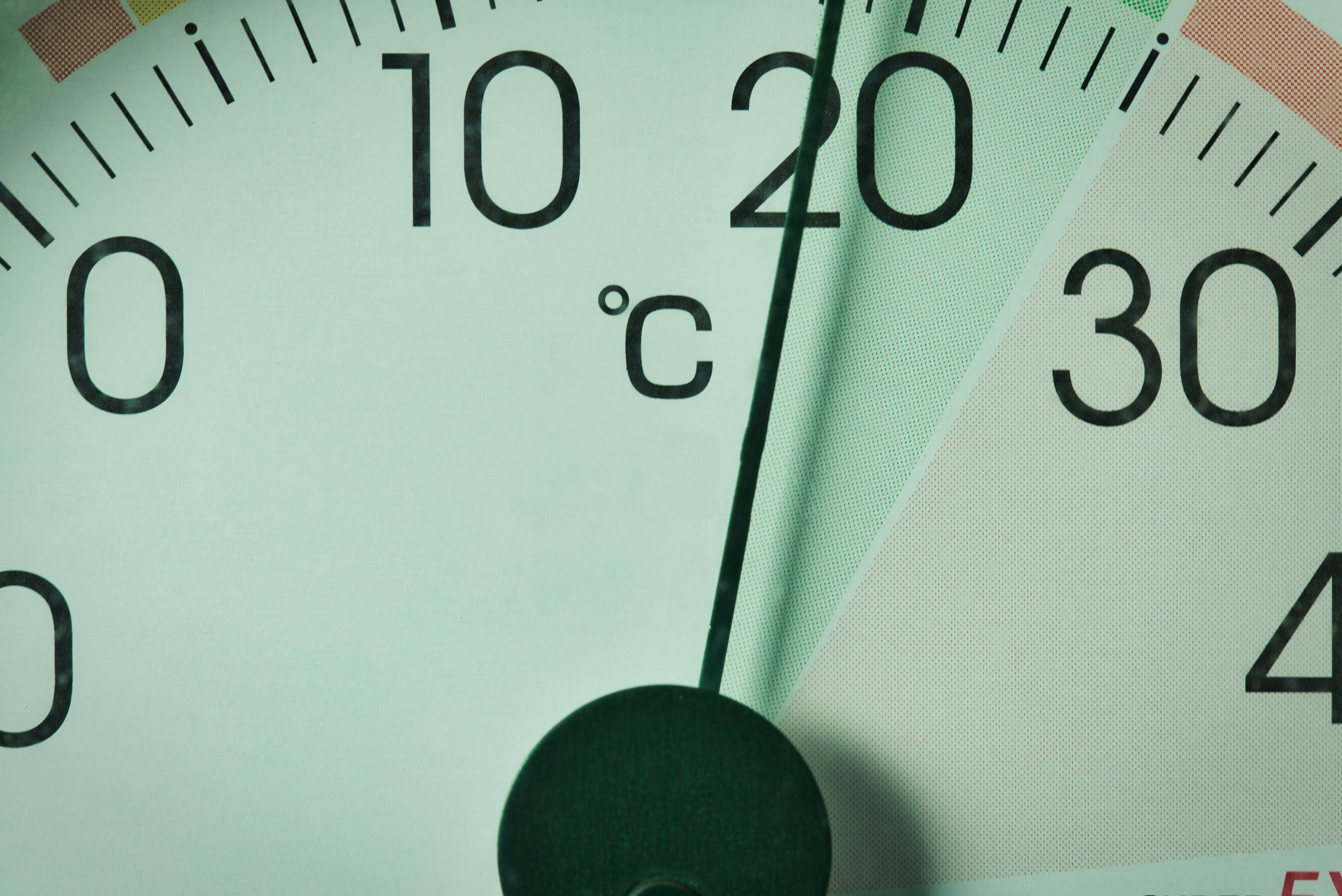
Errore di parallasse Anche piccoli errori di misurazione possono avere conseguenze importanti. L'errore di parallasse, un semplice problema di osservazione, è comune nei misuratori e nei quadranti analogici, ma è prevenibile. Scoprite cos'è l'errore di parallasse, dove si manifesta nell'industria e come le moderne soluzioni di DwyerOmega aiutano ad eliminarlo.
Tagged as:Blog, Get Curious
Read More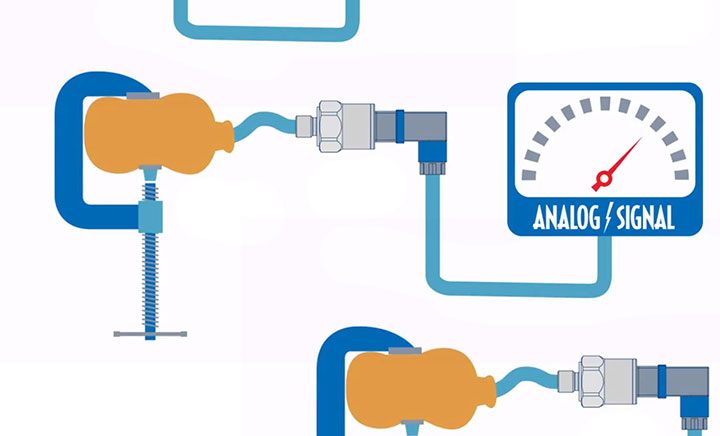
Informazioni sui sensori di pressione La misurazione della pressione non è uguale per tutti. Dai modelli con estensimetro a quelli piezoelettrici, i diversi trasduttori di pressione servono per applicazioni specifiche. Questa guida illustra i principali tipi, spiega come funzionano e mostra come scegliere il sensore giusto per ottenere prestazioni accurate e affidabili. #Ingegneria #Sensori #Automazione industriale
Tagged as:Blog, Get Curious
Read More
Come i misuratori di portata regolano il flusso d'aria nelle camere di prova a nebbia salina Le camere per prove di corrosione salina dipendono da condizioni strettamente controllate per fornire risultati coerenti e ripetibili. Una delle variabili più critiche è il flusso d'aria del gorgogliatore, che influenza direttamente la densità della nebbia, la formazione di goccioline e l'omogeneità complessiva della camera. L'utilizzo di un flussometro calibrato consente agli operatori di regolare e mantenere con precisione l'alimentazione dell'aria, contribuendo a soddisfare standard come ASTM B117 e ISO 9227 e riducendo al minimo la variabilità tra i test. Con un adeguato controllo del flusso, i laboratori possono migliorare la riproducibilità, stabilizzare le condizioni di atomizzazione e garantire una valutazione più affidabile di materiali, rivestimenti e trattamenti superficiali.
Tagged as:Blog, Get Curious
Read More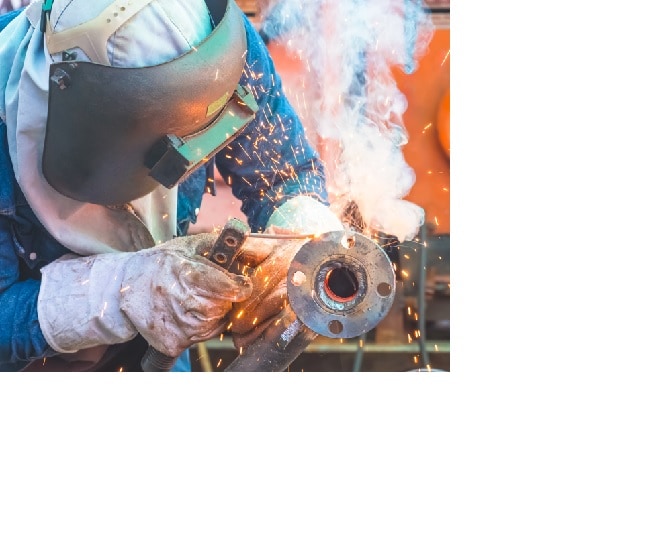

Riqualificazione per un futuro più verde Il retrofitting delle apparecchiature industriali con sensori avanzati è una strategia intelligente e sostenibile che prolunga la durata delle apparecchiature, migliora l'efficienza e riduce lo spreco di energia, senza i costi di una sostituzione completa del sistema. Questo articolo ispirato alla Giornata della Terra esplora come la moderna tecnologia di rilevamento possa aiutare le strutture a raggiungere gli obiettivi ambientali mantenendo prestazioni elevate. Scoprite come l'integrazione dei sensori nei sistemi legacy possa supportare il vostro percorso verso operazioni più ecologiche e decisioni più intelligenti basate sui dati, il tutto mantenendo in funzione l'infrastruttura esistente.
Tagged as:Blog, Get Curious
Read More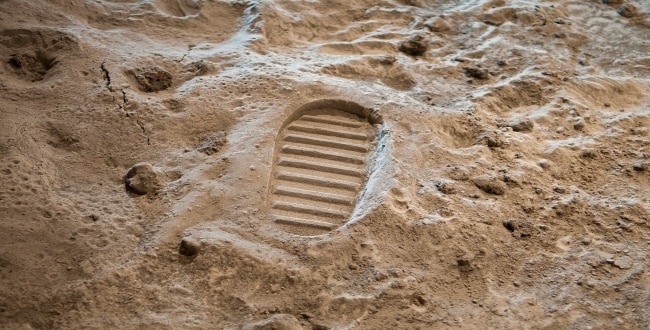

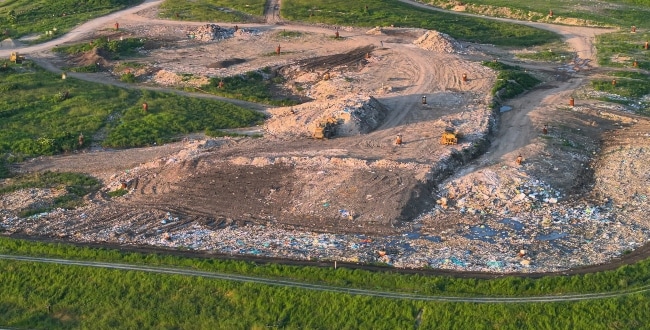
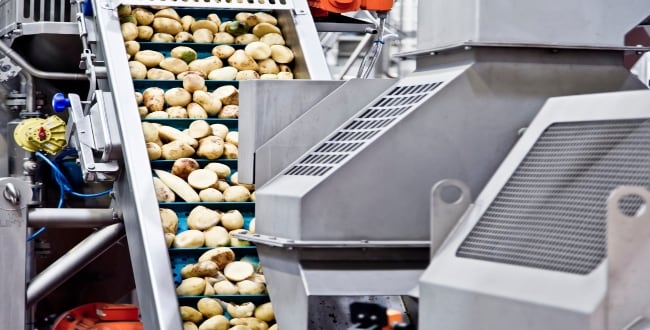
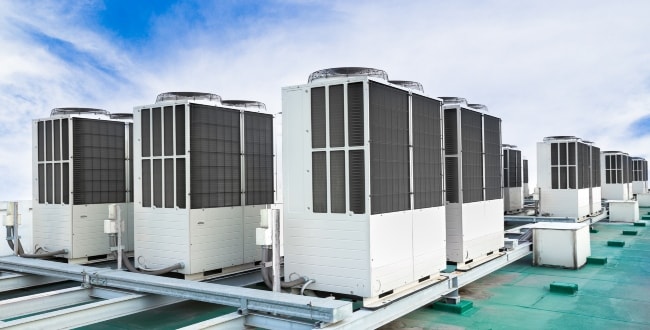

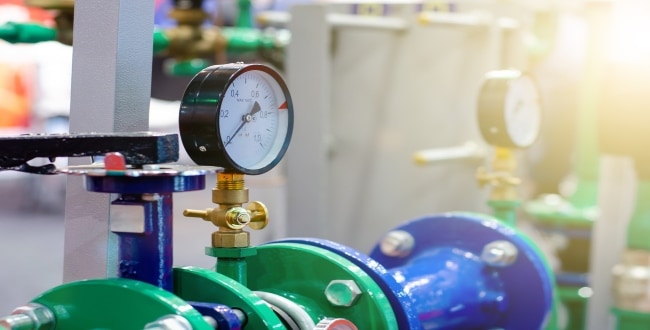

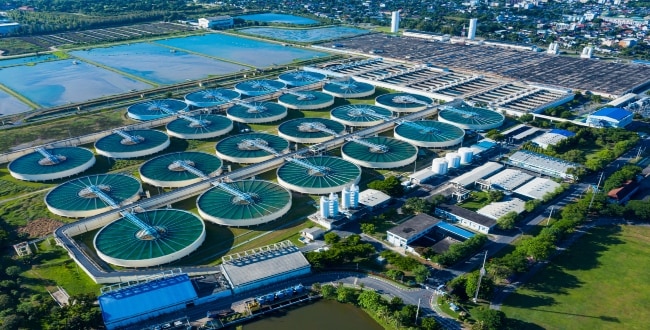


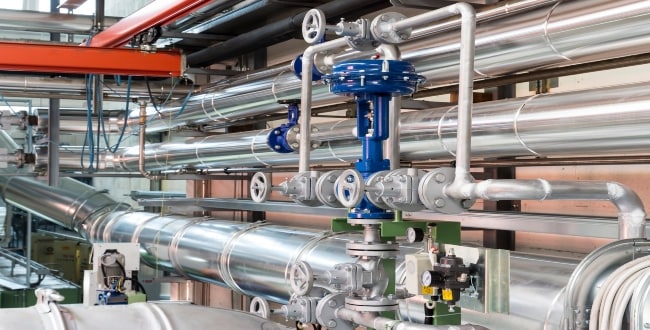
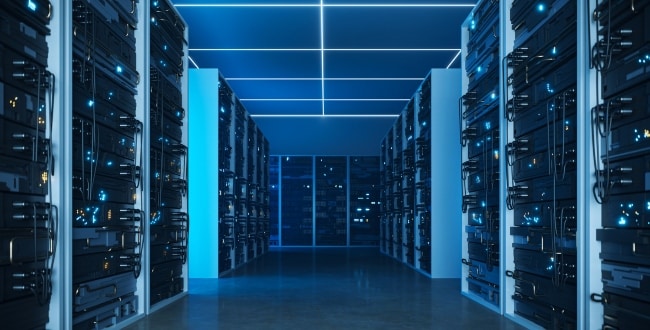
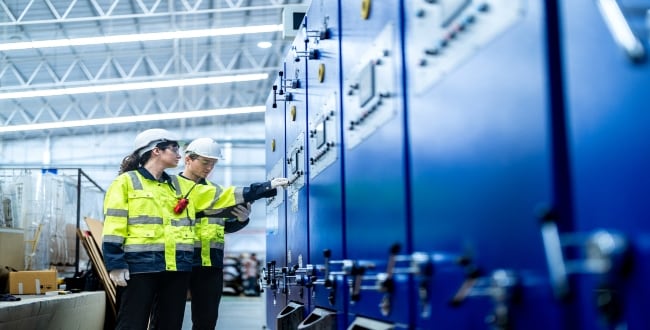

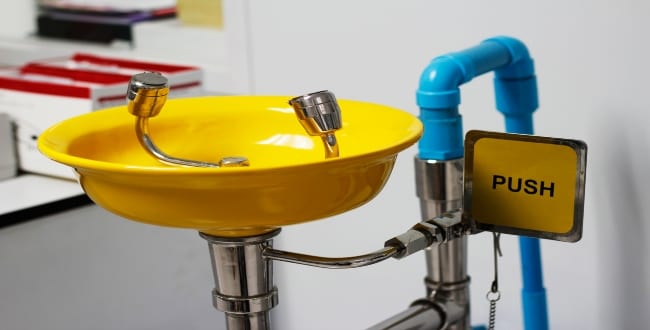
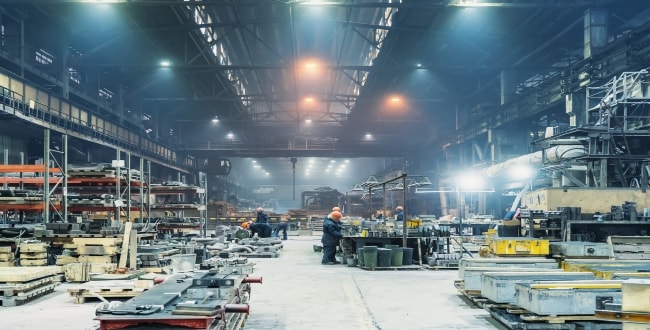


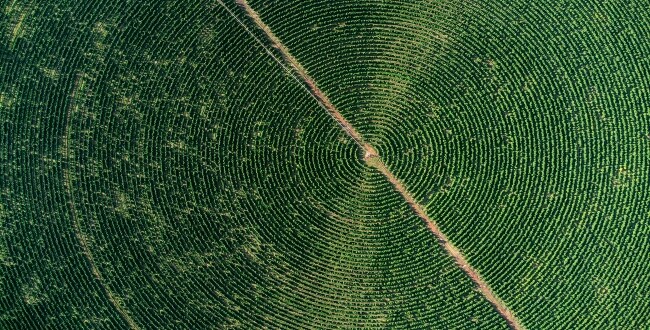
Monitoraggio dei sistemi di irrigazione a pivot centrale I sistemi di irrigazione a perno centrale si basano su una pressione costante, un flusso bilanciato e un approvvigionamento idrico affidabile per ottenere una copertura uniforme su grandi campi. L'integrazione di trasmettitori di pressione, flusso e livello fornisce una visibilità continua sulle prestazioni del sistema, consentendo agli operatori di mantenere le condizioni operative target, ridurre il consumo di energia e identificare rapidamente problemi come perdite, ostruzioni o inefficienze della pompa. Questo approccio basato sulla misurazione favorisce un uso più efficiente dell'acqua, una maggiore affidabilità del sistema e migliori risultati delle colture per tutta la stagione di crescita.
Tagged as:Blog, Get Curious
Read More





The Basics of Daisy Chaining Daisy chaining is a wiring method that links devices in a sequential series, allowing power or communication signals to pass from one device to the next. Common in industrial automation, HVAC, and building management systems, daisy chain networks reduce wiring complexity and installation costs while enabling easy system expansion. Learn how daisy chaining works, its advantages and limitations, and discover DwyerOmega solutions that support scalable monitoring and control applications.
Tagged as:Blog, Get Curious
Read More
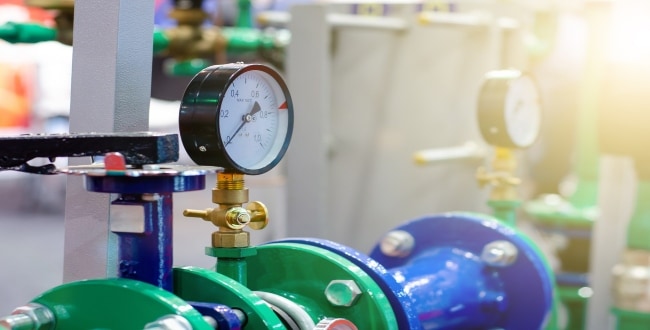
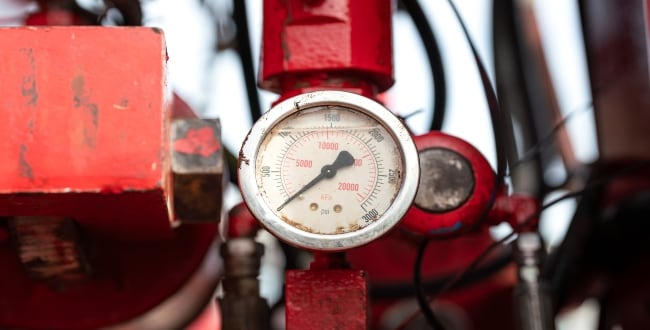
Variable Area Flow Meter Corrections Getting Accurate Readings from Variable Area Flow Meters Most variable area flow meters are factory-calibrated for air or water at standard conditions (70 °F and 14.7 PSIA). But when real-world pressure, temperature, or gas type changes, the reading can drift from the true flow. To correct this, apply two simple formulas: one to account for pressure and temperature changes, and another for gas specific gravity. Together, they convert the indicated flow to actual standard flow. DwyerOmega’s Series VF, VA, and Rate-Master® RM flow meters deliver reliable measurements when paired with proper correction—helping you maintain accuracy across any application.
Tagged as:Blog, Get Curious
Read More
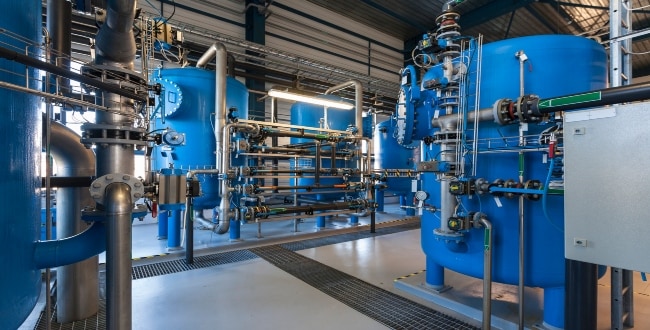
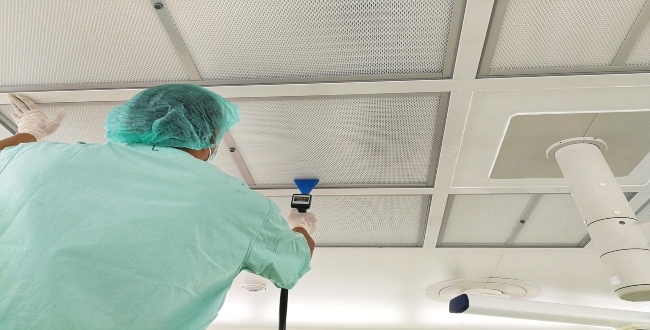
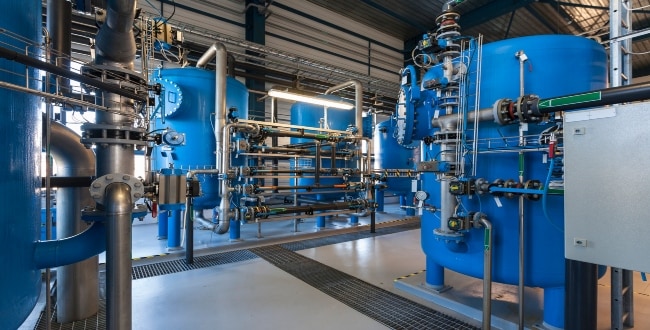
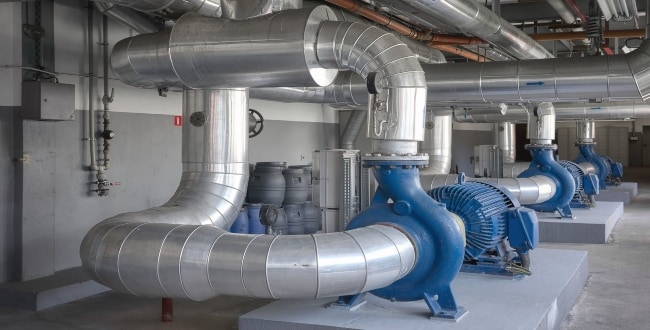
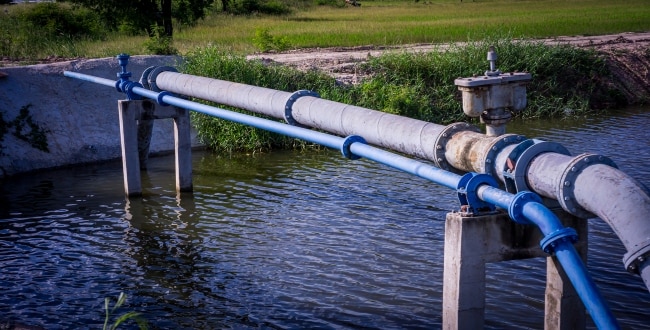
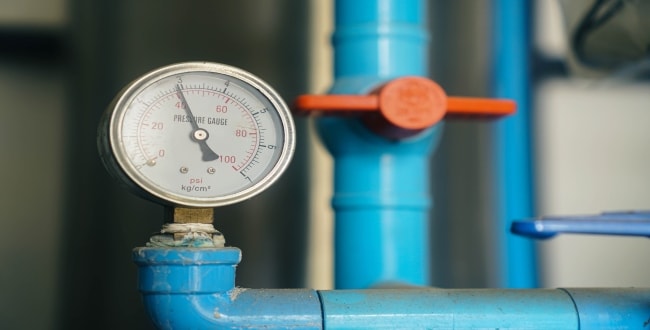
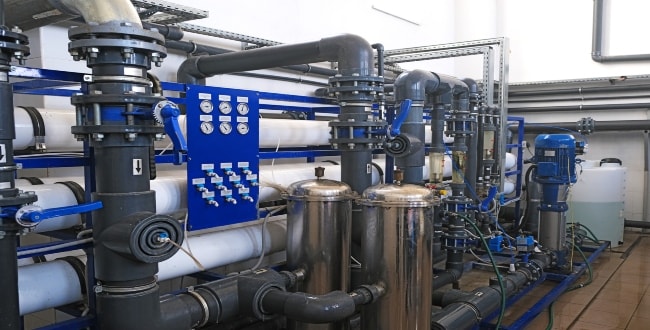


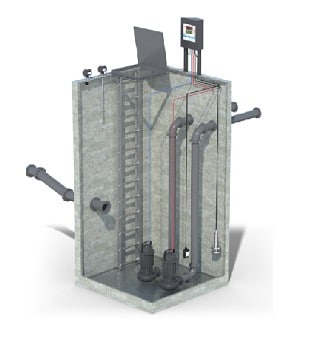
Lift Station Level Sensing Wastewater lift stations use level sensing devices to automate pump control, prevent overflows, and support efficient sewage transport. Explore key technologies like ultrasonic, submersible, and radar transmitters.
Tagged as:Blog, Get Curious
Read More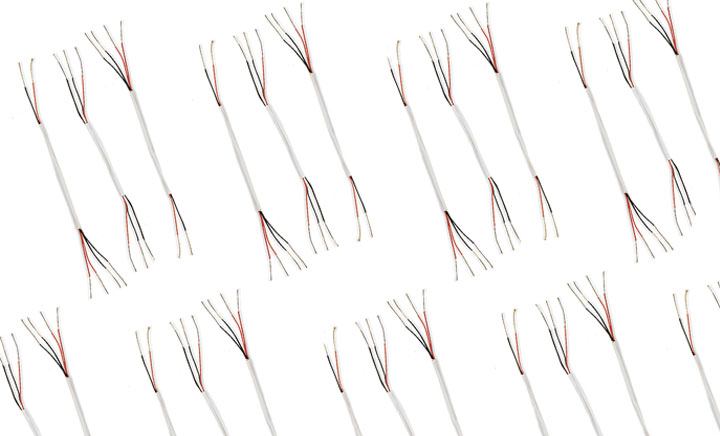
What Are the Differences Between 2-Wire, 3-Wire, and 4-Wire RTDs? A Resistance Temperature Detector (RTD) measures temperature using a resistor with a resistance value that changes as its temperature increases or decreases. RTDs are typically manufactured in three different wiring configurations: 2-wire, 3-wire, and 4-wire. Each configuration is designed to compensate for lead wire resistance to varying degrees, impacting measurement accuracy.
Tagged as:Product Info, Get Curious
Read More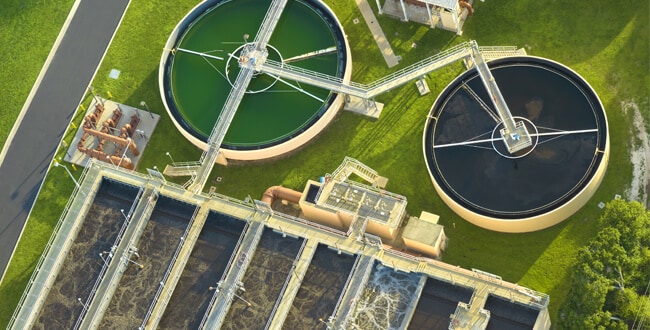
What are Electromagnetic Flow Meters? A magnetic flow meter (mag flow meter) is a volumetric flow meter which does not have any moving parts and is ideal for wastewater applications or any dirty liquid which is conductive or water based.
Tagged as:Product Info, Get Curious
Read More
Rope and Tape Heaters Rope and tape heaters are flexible heaters designed to wrap around pipes, beakers, and other round surfaces. Rope and tape heaters are very similar in that they have similar power densities and construction.
Tagged as:Technical Learning, Get Curious
Read More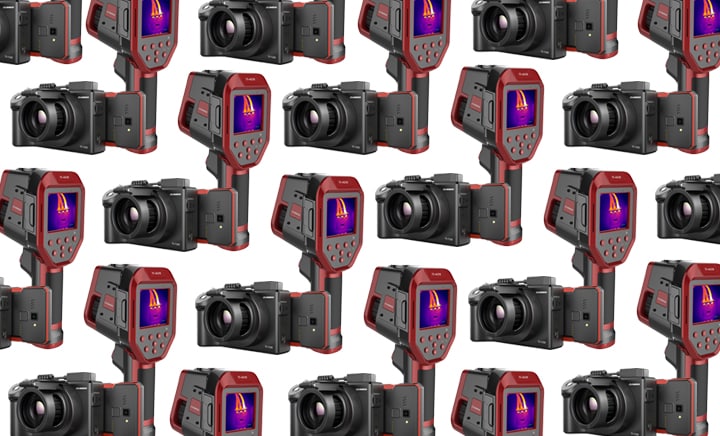
What is a Thermal Imaging Camera? A thermal imager is a non-contact temperature measurement device.
Tagged as:Product Info, Get Curious
Read More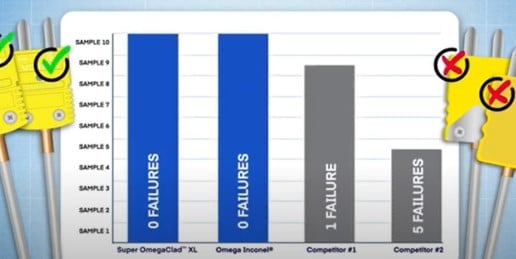
Setting the Standard When it comes to temperature measurement in an important application process – like yours – precision is paramount. So much relies on the accuracy of these measurements, and the quality of the instrumentation and devices that are used can make all the difference. We put our Super OmegaClad XL and our standard Inconel probes up against some of our competitors’ similarly spec’d probes in a battery of long-term product testing – and the results speak for themselves.
Tagged as:Blog, Get Curious
Read More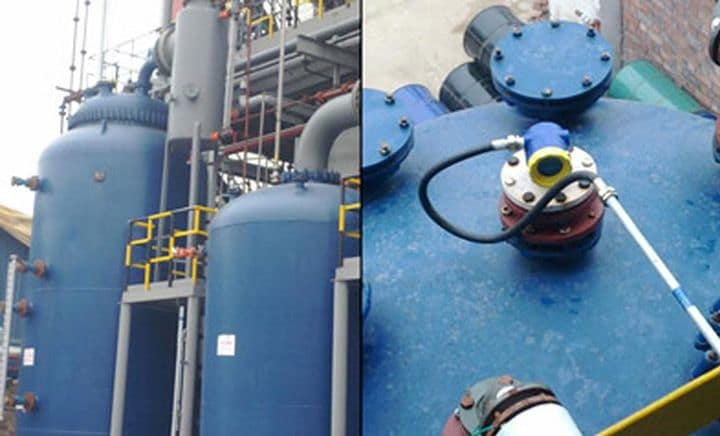
Ultrasonic Level Sensors in Action By installing level sensors, operators can be proactive and monitor liquid levels - ensuring environmental regulations associated with the design and operation are consistently met.
Tagged as:Technical Learning, Get Curious
Read More
Discover the Different Types of Pressure Measurement Discover the different types of pressure measurement and the differences between them. This video, which features one of our star engineers, provides a comprehensive overview to elevate your understanding.
Tagged as:Video, Get Curious
Read More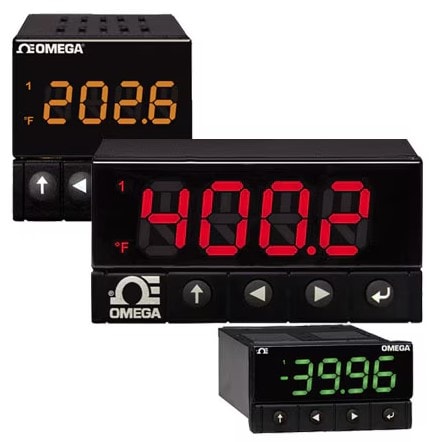
Digital Panel Meters Accurate measurement of electrical parameters is crucial for efficient operation and safety across a wide range of applications. Digital panel meters, which provide a precise, real-time display of vital electrical quantities – such as voltage, current, resistance, frequency, strain, and temperature – can assist in achieving this high level of accuracy. These devices offer a user-friendly interface with clear numerical displays – eliminating the guesswork that often accompanies analog meters and allowing operators to monitor system performance at a glance.
Tagged as:Blog, Get Curious
Read More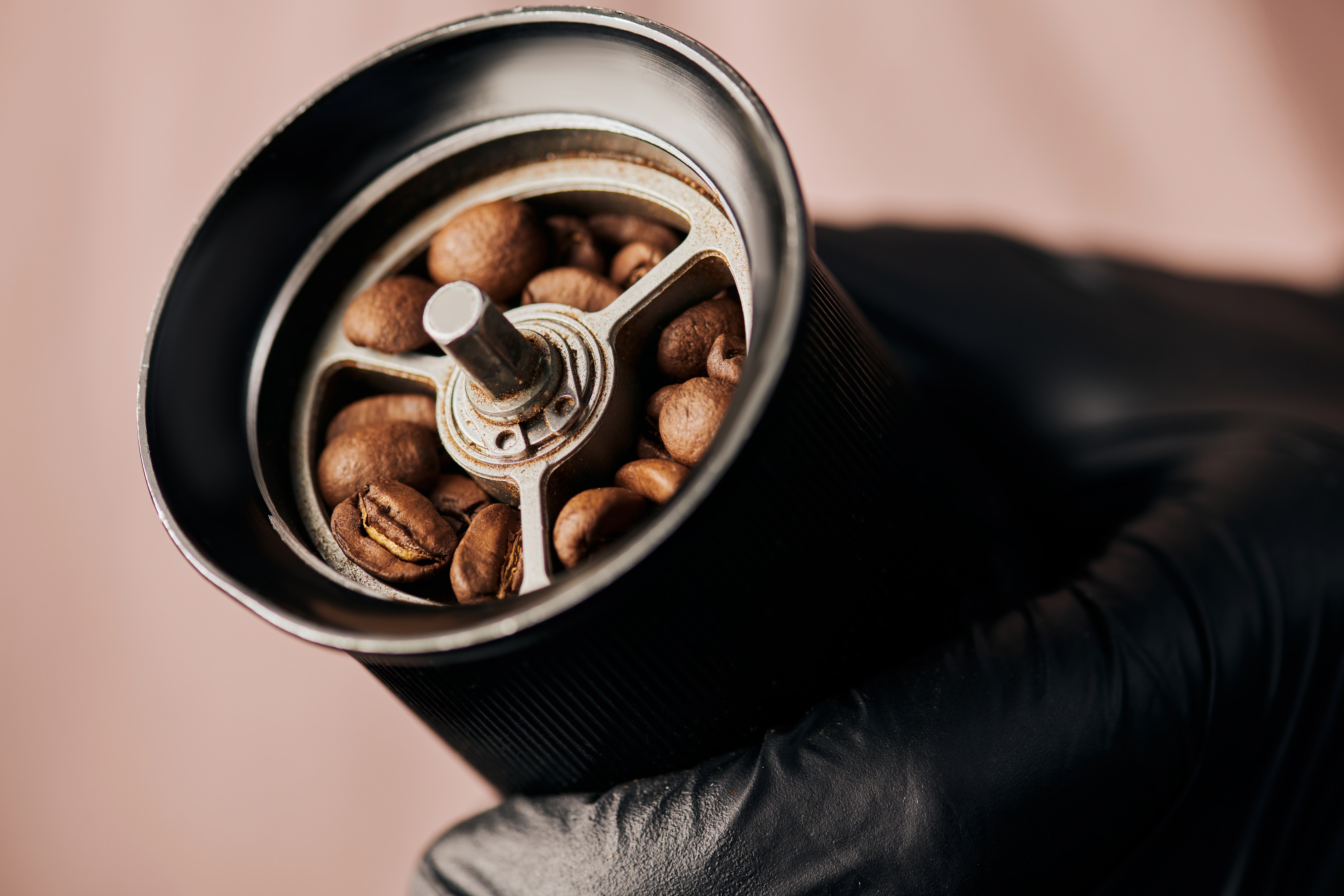
Brewing Up Precision In this application, the purpose is to measure the temperature of the motor in an industrial coffee grinder during the grinding process to better understand the strain on the motor.
Tagged as:Blog, Get Curious
Read More
IIoT and Small Businesses: A Match Made in the Cloud Operational efficiency is key to the success of any small business, and IIoT essentially helps you achieve that by turning your offline processes to online through a connected environment.
Tagged as:Technical Learning, Get Curious
Read More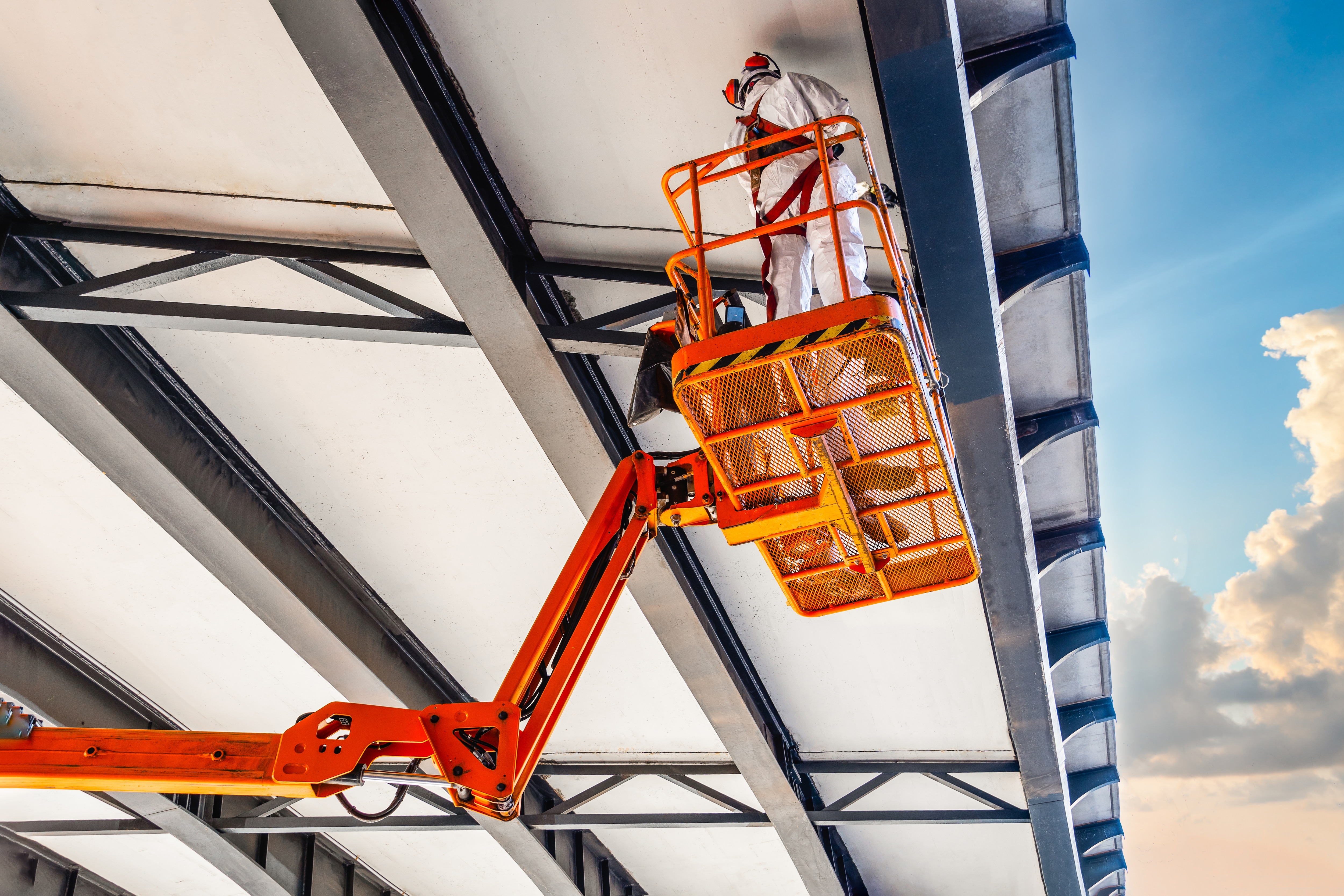
Bridging the Gap Monitoring bridge health involves utilizing various methods and technologies to track data points and assess the overall condition and performance of a bridge over a period of time.
Tagged as:Blog, Get Curious
Read More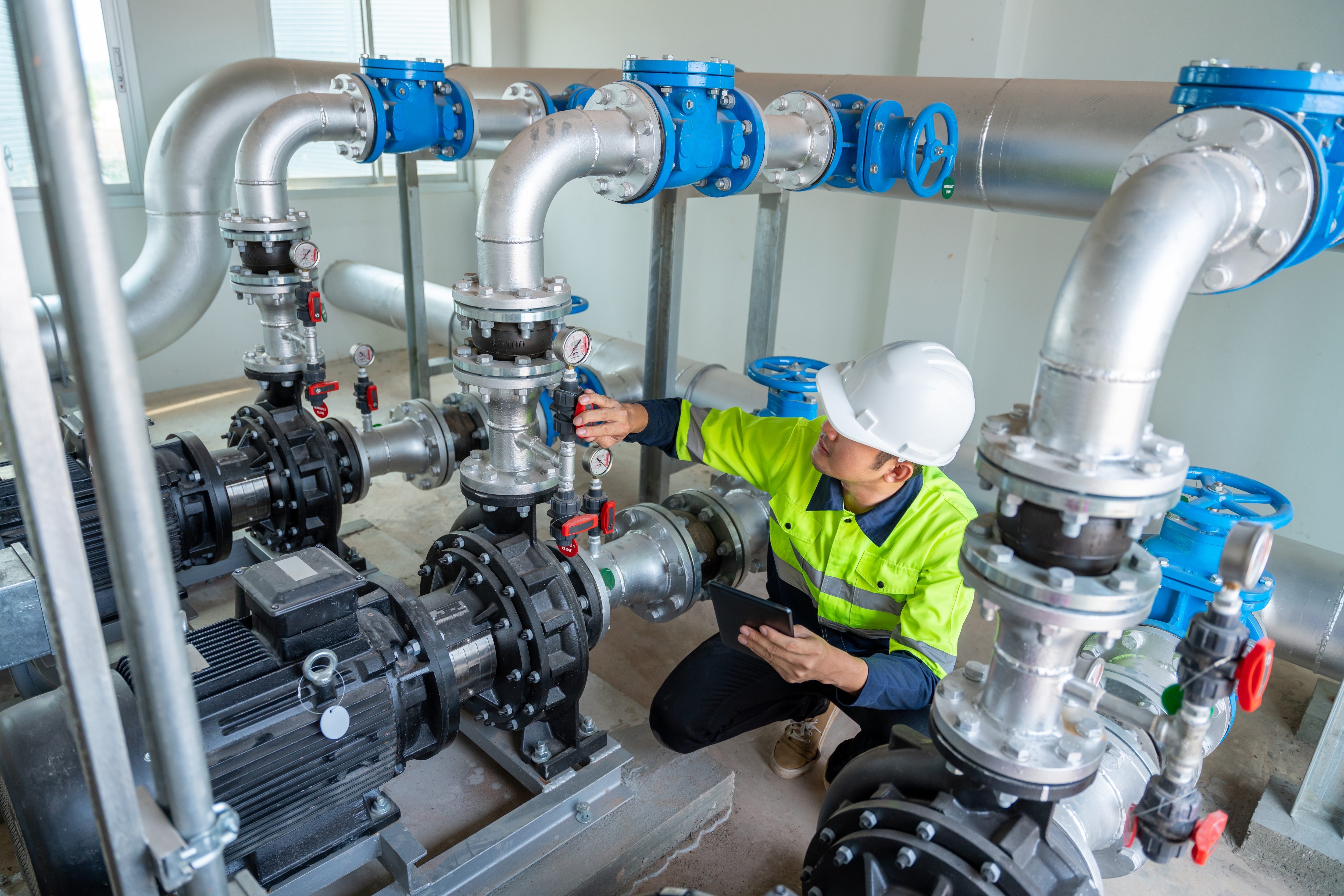
Installation Obstacles: Invasive In-Pipe Immersion Sensors When it comes to process piping systems, temperature of in-pipe media is often a necessary measurement – and one that needs to be monitored accurately. Traditionally, in-pipe immersion sensors are used. However, invasive in-pipe immersion sensors are often not ideal for use within process piping systems. Here are 3 considerations to take before installing immersion sensors in process piping systems.
Tagged as:Technical Learning, Get Curious
Read More
From Rocketry Competitions to Moonwalkers The Apollo 11 team achieved a historic accomplishment – a feat that symbolized relentless innovation, unwavering commitment, and profound human ambition. The Apollo 11 expedition stands not only as a pinnacle of post-War American ingenuity, but as an effort that accelerated aerospace technology and ignited imaginations of people across the globe. As a company of engineers – a company that works with engineers, for engineers, by engineers – Omega has held a strong, ongoing commitment to STEM education, ensuring that its impact on science, technology and human achievement endures for years to come. In our continuing efforts to support and encourage access and interest in STEM education across the globe, Omega has sponsored many student-run engineering program – including several collegiate rocketry programs.
Tagged as:Blog, Get Curious
Read More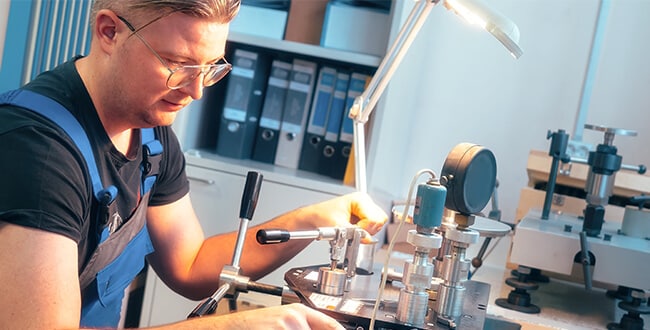
Stop! Calibrate and Listen Calibration is crucial in industrial manufacturing because it ensures the accuracy and reliability of measurement instruments and equipment used in production processes. With proper calibration, manufacturing professionals can verify performance against recognized standards and initiate adjustments, if necessary.
Tagged as:Blog, Get Curious
Read More
Tapping the Keg of Innovation - Omega's Unparalleled Temperature Measurement Technology is the Craft Brewer's Newest Secret Ingredient Innovation is, and always has been, the fuel that drives the Craft Beer Brewing Industry – from fostering creativity to propelling industry dynamics, it is a main contributor to both growth and evolution.
Tagged as:Blog, Get Curious
Read More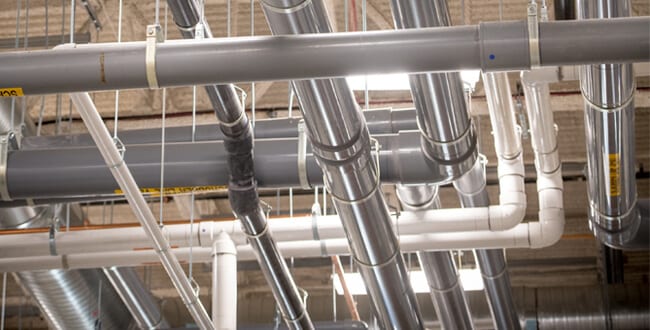
Enabling On-Shoring of Critical Water/Wastewater Infrastructure with Omega’s New
Non-Invasive Temperature Sensor for Plastic Pipes
After years of ongoing challenges with the global supply chain, ResinTech Inc, a resin manufacturer and global leader in ion exchange for water purification, built the first new ion exchange factory in the US in more than 30 years. Inside, ResinTech manufactures its own high quality ion exchange resin from scratch to rigid specifications.
Tagged as:Blog, Get Curious
Read More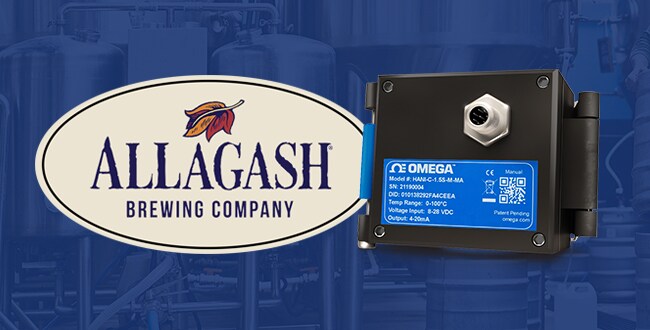
A Need for Speed: How Omega’s Innovative Temperature Sensing Technology was used to Expedite the Commission of a Productivity Enhancing Investment The brewing team at Allagash Brewing Company successfully utilized the versatility, non-invasiveness, and high accuracy of the HANI Clamp Temperature Sensor – which clamps right onto the outside of a desired pipe and measures the fluid inside with as much accuracy and with the same high performance as traditional sensors – to expedite the commissioning process and meet their ROI of an important investment to their system.
Tagged as:Blog, Get Curious
Read More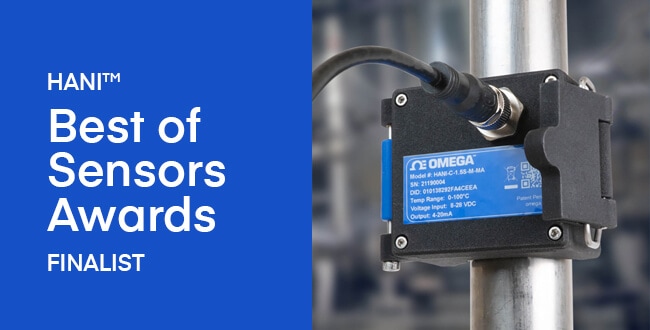
HANI Temperature Sensor Chosen as Finalist in Best of Sensors Awards Sensors Converge is almost here! Sensors Converge began as a show focused solely on sensor technology, and has evolved over the years to a large event focusing on not only sensors, but also the complex systems that work with them. The 2023 show will be held June 20-22 in Santa Clara, CA at the Santa Clara Convention Center.
Tagged as:Blog, Get Curious
Read More
A Need for Speed: How HANI Technology Was Used to Expedite the Commission of a Productivity Enhancing Investment The brewing team at Allagash Brewing Company successfully utilized the versatility, non-invasiveness, and high accuracy of the HANI Clamp Temperature Sensor – which clamps right onto the outside of a desired pipe and measures the fluid inside with as much accuracy and with the same high performance as traditional sensors – to expedite the commissioning process and meet their ROI of an important investment to their system.
Tagged as:Blog, Get Curious
Read More
The Future is Bright: Omega’s Own Co-Op Wins Prestigious Award The Omega Co-Op/Internship Program was created to help students grow and realize their full potential - setting them up with the experiences and tools needed to excel in their future careers. We sit down with one of our latest engineer co-ops, David Austin, to find out more about his time with Omega and his recent award from Drexel University.
Tagged as:Blog, Get Curious
Read More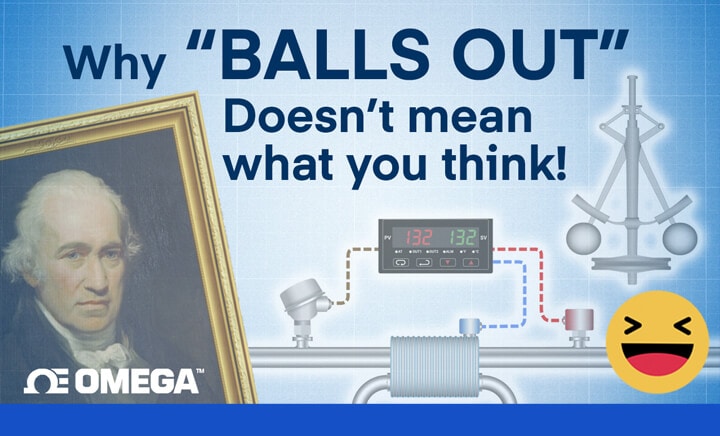
Balls Out Have you ever heard someone use the term ‘balls out’? You know, as in giving it maximum effort or going all out. Have you ever wondered where the term comes from? Well, the truth is it probably doesn’t mean what you think it does. For the origins of the term, we need to go back to the late eighteenth century, when Scottish inventor and mechanical engineer James Watt was looking for a way to automatically regulate the speed of a steam engine.
Tagged as:Blog, Get Curious
Read More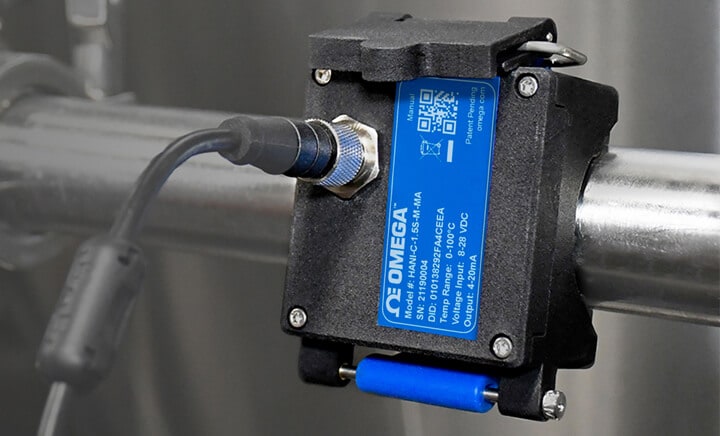
HANI: The Shortcut that ACTUALLY Works Getting the accurate temperature of media flowing through a pipe is a serious pain in the neck. And, up until now, there really has only been one viable option: immersion sensors. But now there is another option: the HANI. It's quick, it's accurate, its non-contact. The HANI temperature sensor is the short cut that actually works.
Tagged as:Blog, Get Curious
Read More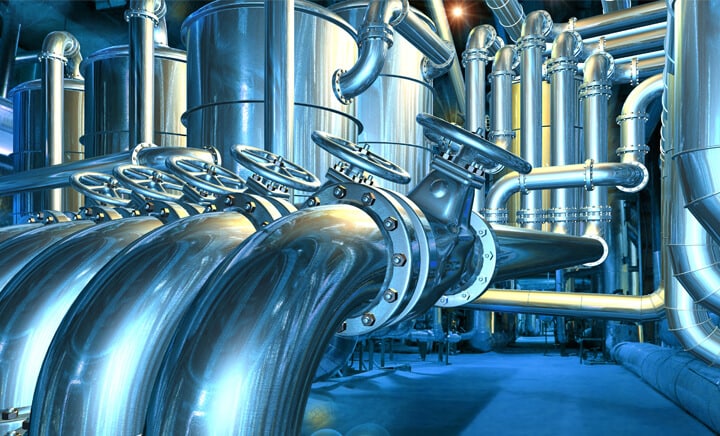

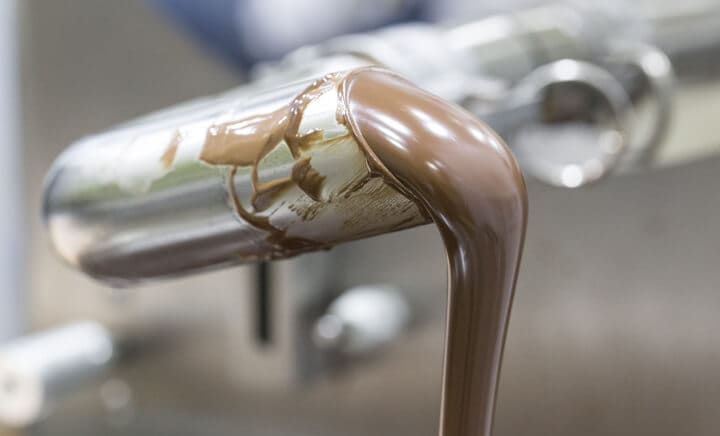
Measuring Temperature of Media Flowing Through a Pipe The first way you might attempt to measure the temperature of a fluid moving through a pipe or inside a tank is to use a surface sensor.
Tagged as:Blog, Get Curious
Read More

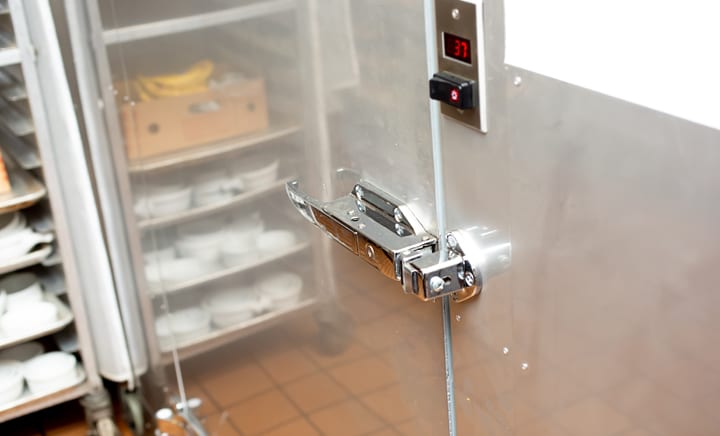
How to Monitor Walk-In Freezer Temperatures with IIoT Devices Maintaining optimal freezer temperatures is essential in protecting quality, ensuring food safety & reducing waste. Learn how companies are using Omega's products.
Tagged as:Technical Learning, Get Curious
Read More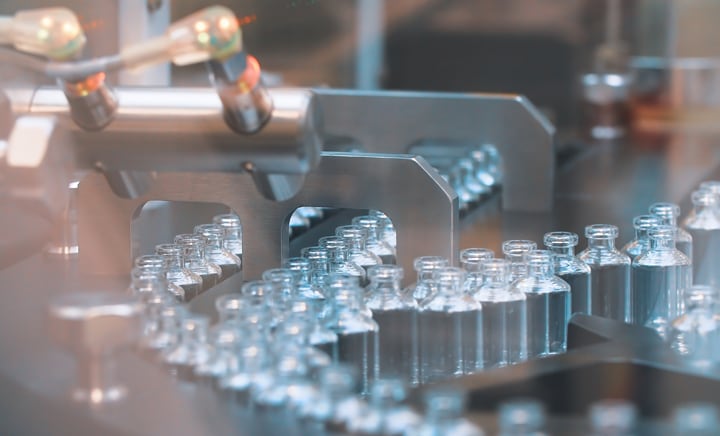
An Introduction to Industrial pH Measurement and Control In this article how pH describes the degree of acidity or alkalinity of a solution and how is measured is explained. Click here to learn how it´s done.
Tagged as:Technical Learning, Get Curious
Read More
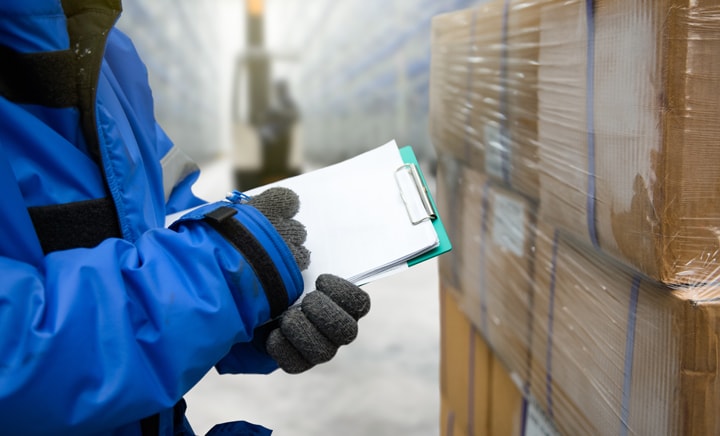

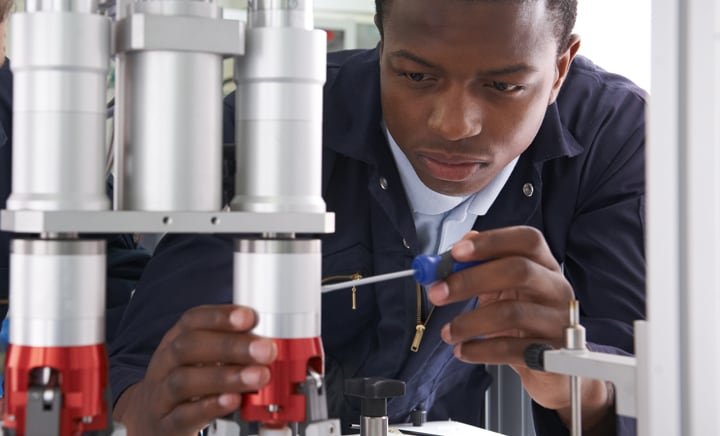
What to Look for When Selecting Accelerometers There are some specifications that you should always look when selecting an accelerometer. In this article the most important factors are explained.
Tagged as:Technical Learning, Get Curious
Read More
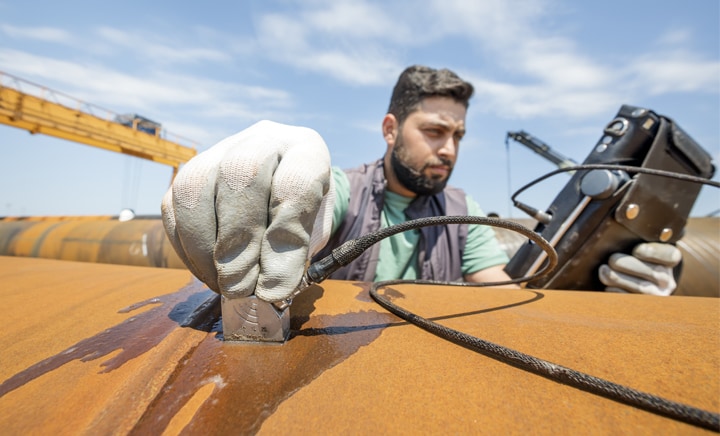
Why Calibration Certificates Matter Calibration certificates validate the device’s accuracy levels to a standardized reference.
Tagged as:Technical Learning, Get Curious
Read More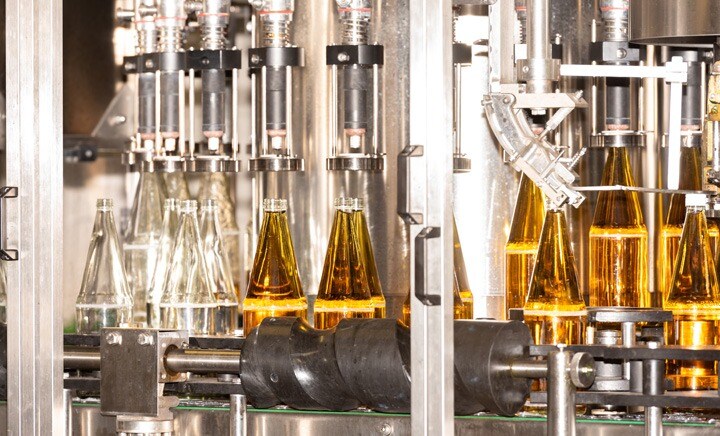
How to Use a Magnetic Flow Meter to Meet Hygiene Requirements for Clean-in-Place (CIP) Systems In the food and beverage industry, clean-in-place (CIP) maintenance is essential for meeting safety and hygiene standards while maintaining process efficiency and maximizing equipment service life.
Tagged as:Technical Learning, Get Curious
Read More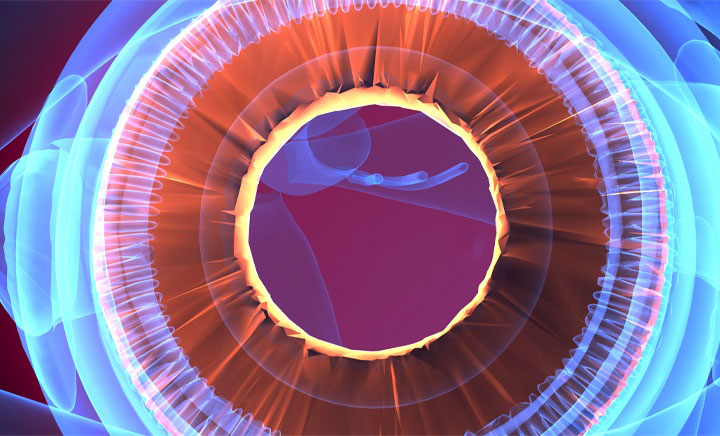
Measurement of Outflow Facility in the Eye Glaucoma is a world-leading cause of blindness. The major risk factor for glaucoma is elevated intraocular pressure (IOP), with the sole treatment for glaucoma patients being to reduce the IOP.
Tagged as:Technical Learning, Get Curious
Read More
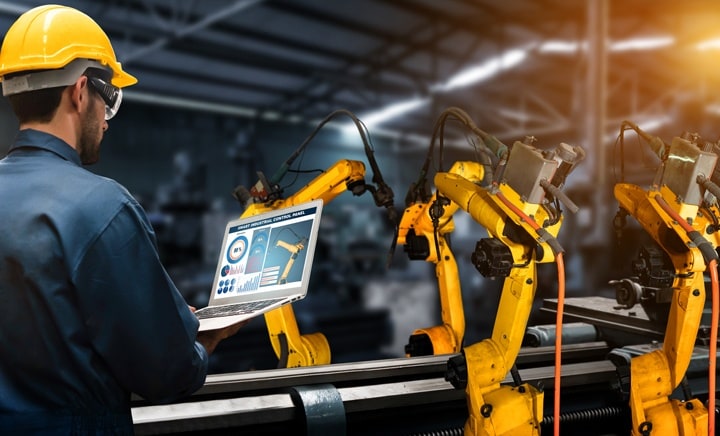
IIOT - Industrial Internet of Things IIoT or Industrial Internet of Things is one such technology that is mostly unknown to non-extert. In this article, IIoT is explained in detail.
Tagged as:Hub, Get Curious
Read More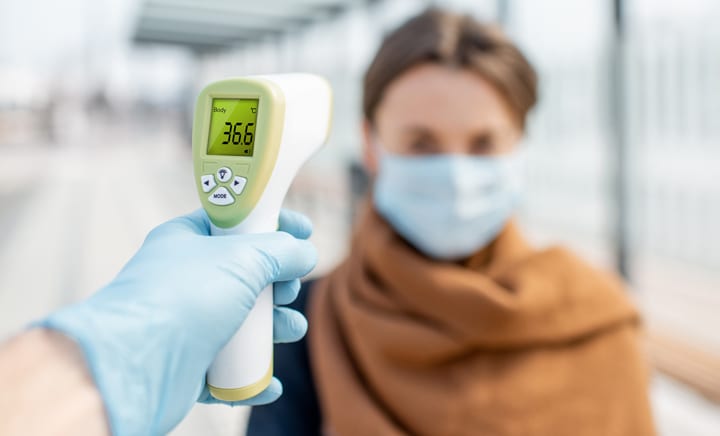
How Do Infrared Thermometers Work? Infrared (IR) forehead thermometers are useful in measuring temperature across a range of industrial and clinical environments.
Tagged as:Technical Learning, Get Curious
Read More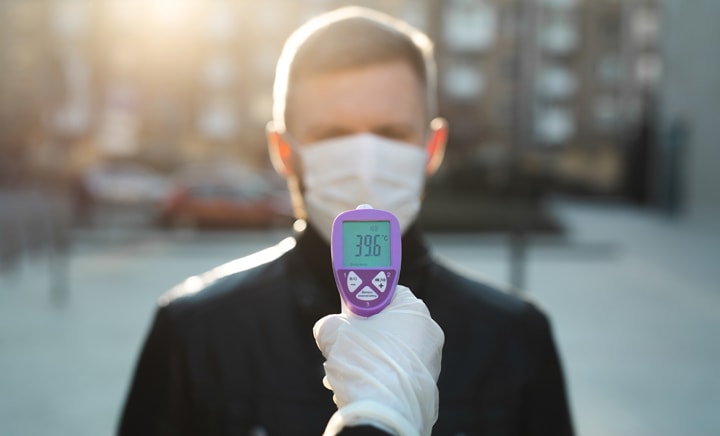
Infrared Thermometers: FAQs It is essential to understand that the accuracy of IR thermometers depends on how and where you use them.
Tagged as:Technical Learning, Get Curious
Read More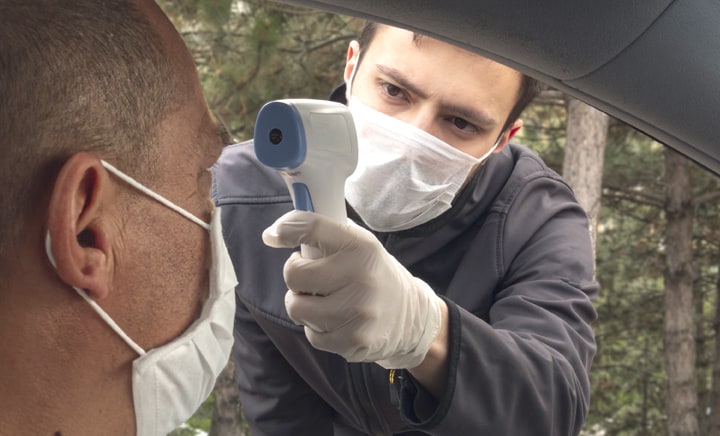
Most common applications of Infrared Thermometers Because of their ability to measure temperature from a distance, IR thermometers have a broader scope of application than just checking whether you have a fever.
Tagged as:Technical Learning, Get Curious
Read More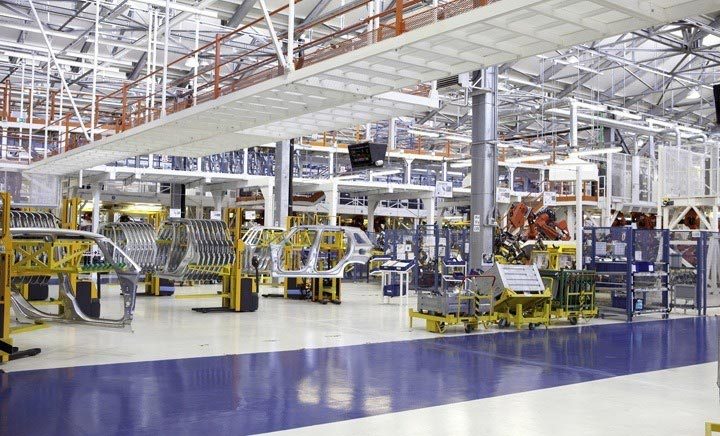
7 Key Benefits of Remote Monitoring Using IIoT Businesses can overcome challenges by leveraging the IIoT-enabled remote monitoring framework and achieve substantial improvements.
Tagged as:Technical Learning, Get Curious
Read More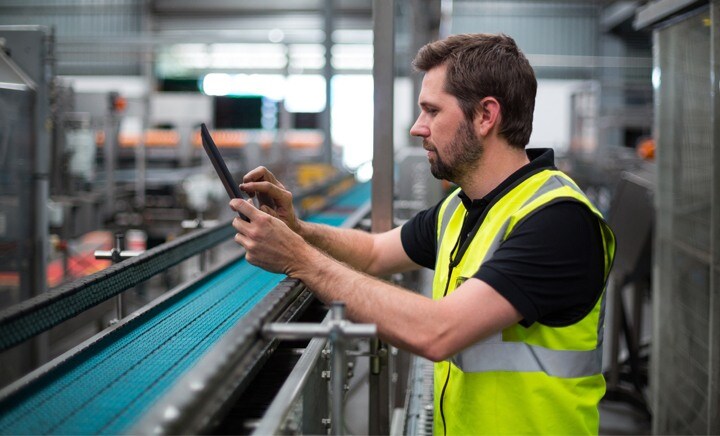
Give Your Legacy Systems an IIoT Upgrade and Achieve More The most common obstacle is collecting operational data from legacy machines and communicating that data to the cloud.
Tagged as:Technical Learning, Get Curious
Read More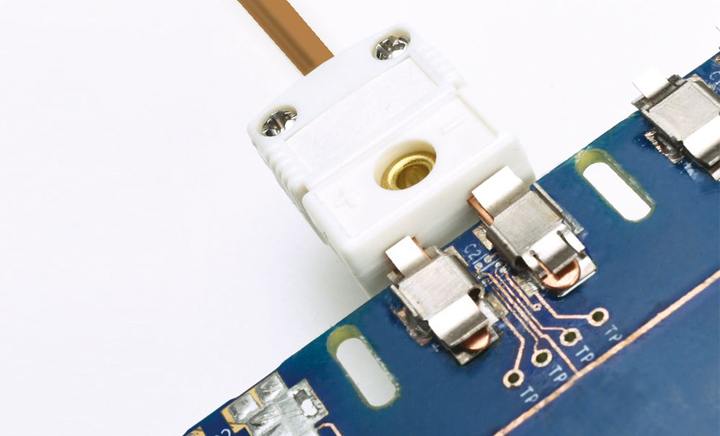
Advantages of New OMEGA PCC-SMD for Cold Junction Compensation OMEGA’s new PCC-SMD unique features make integration of cold junction compensation easier than it ever has been before.
Tagged as:Technical Learning, Get Curious
Read More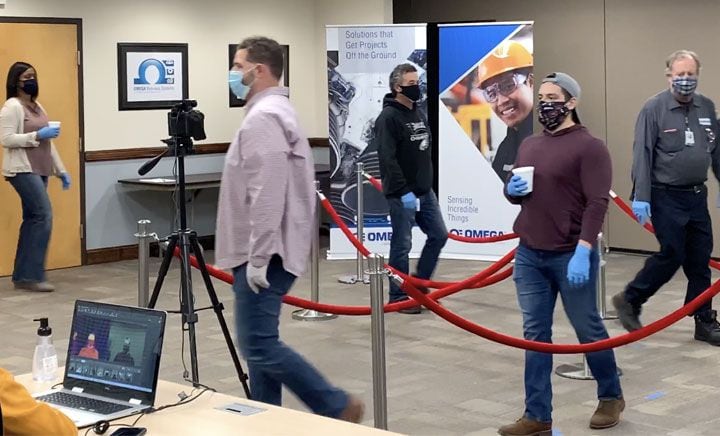
Best Practices to Implement Temperature Screening As businesses plan to resume operations with the easing lockdown restrictions, the immediate challenge for them is to keep their employees and customers safe.
Tagged as:Technical Learning, Get Curious
Read More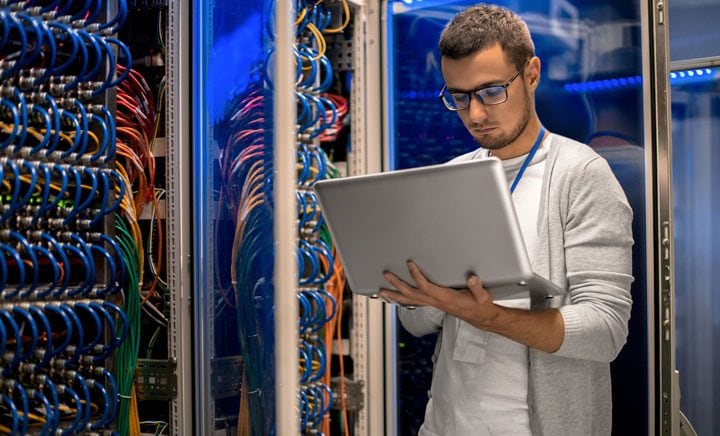
Real-World Examples of IIoT Monitoring Here, we explore two typical use cases and corresponding real-world examples of IIoT monitoring solutions.
Tagged as:Technical Learning, Get Curious
Read More
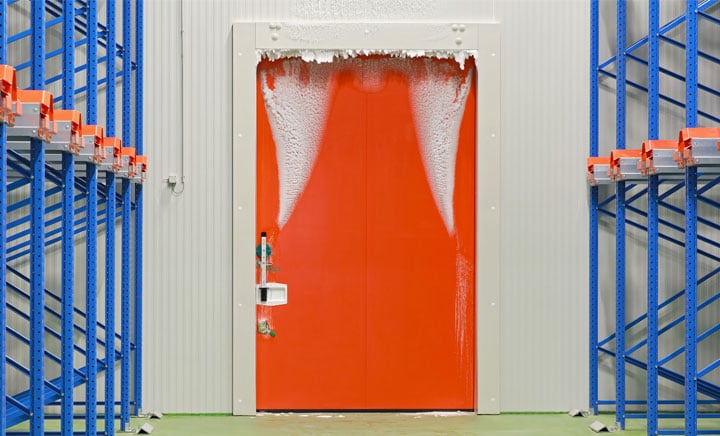
How to Trigger an Alarm When Freezer Door Is Left Open When a freezer door is accidentally left partially open, it can lead to food spoilage and increased energy costs.
Tagged as:Technical Learning, Get Curious
Read More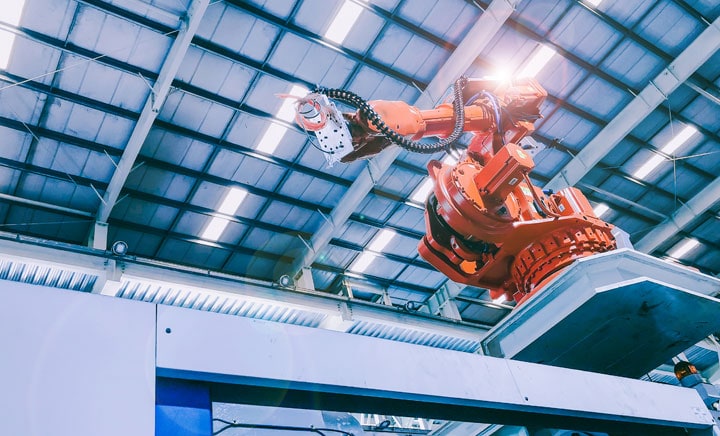

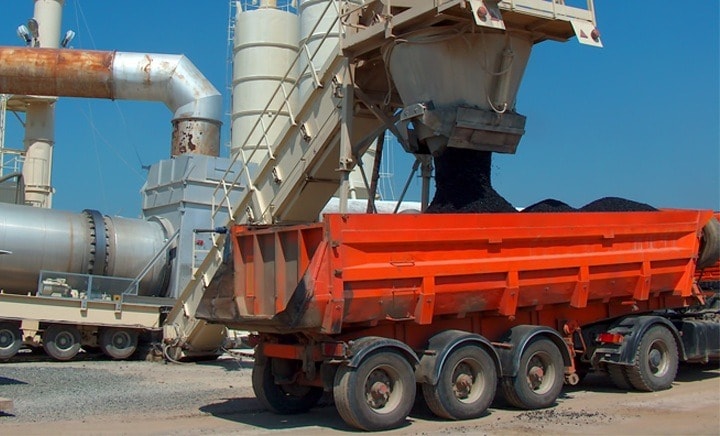
How to Monitor Asphalt Temperature with IIoT Devices The temperature of hot mixed asphalt is a critical component to the compaction and longevity of poured concrete.
Tagged as:Technical Learning, Get Curious
Read More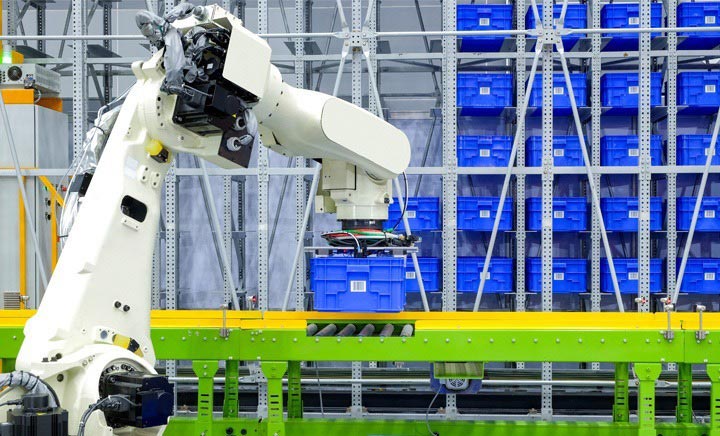
How to Connect Your Modbus Devices to the Omega Link Gateway Industrial setups look to reap the benefits of the Industrial Internet of Things (IIoT) by establishing a connected environment.
Tagged as:Technical Learning, Get Curious
Read More
Remote monitoring for challenging times How can remote monitoring help your application stay afloat and keep employees safe
Tagged as:Product Info, Get Curious
Read More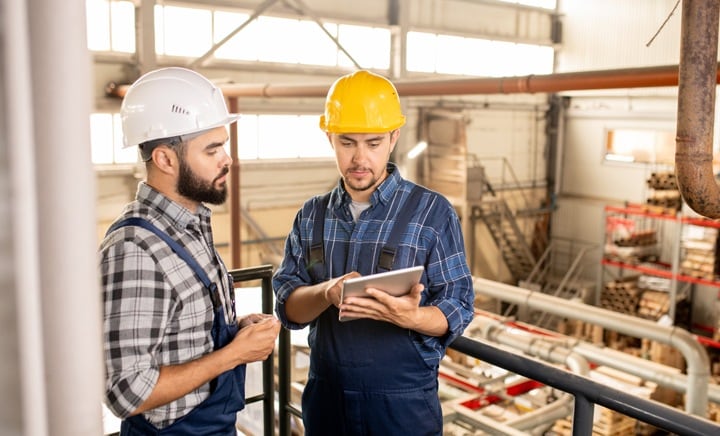
5 Ways Smart Sensor Data Brings Benefits for Your Business Smart technology is expanding its horizons to sensor products, and it has completely changed the concept, integration, and application of these devices.
Tagged as:Technical Learning, Get Curious
Read More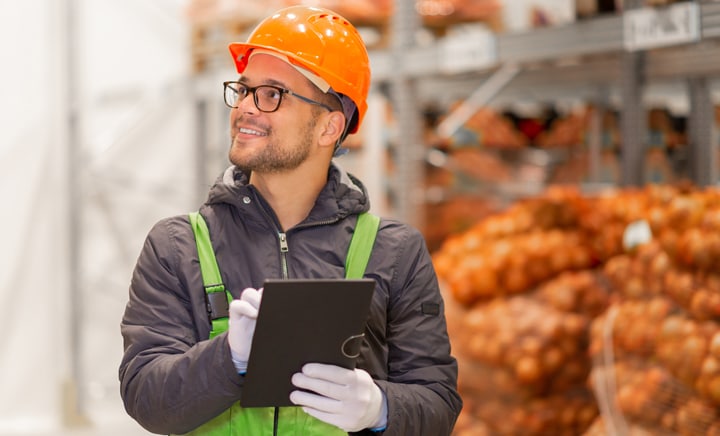
What is Edge Computing? The concept of edge computing has been around for several years, stemming from the days of on-premise Computer Instrumentation or Human Machine Interface (HMI) computers.
Tagged as:Technical Learning, Get Curious
Read More

Making Maintenance a Breeze Selecting the proper cable family according to the process conditions is necessary to get desired temperature controls within the pipes.
Tagged as:Technical Learning, Get Curious
Read More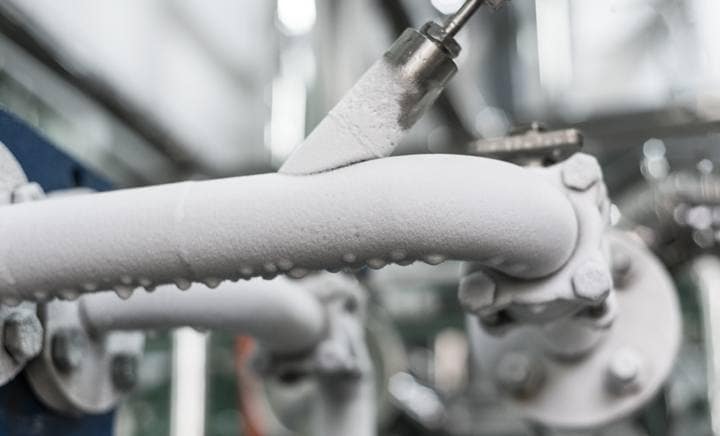
Designing the Right Heat Trace System Designing a perfect heat trace system requires considering several important variables.
Tagged as:Technical Learning, Get Curious
Read More
K-Type Thermocouples A Type K thermocouple refers to any temperature sensor containing Chromel and Alumel conductors, that meets the output requirements as stated in ANSI/ASTM E230 or IEC 60584 for Type K thermocouples
Tagged as:Technical Learning, Get Curious
Read More
What Are The Most Common Applications for Thermocouples? Thermocouples are used in a wide range of applications.
Tagged as:Technical Learning, Get Curious
Read More
How to Install Thermocouples for Accurate Temperature Readings When connecting thermocouples to other devices care needs to be taken to ensure that the proper polarity is maintained.
Tagged as:Technical Learning, Get Curious
Read More
FAQ: Thermocouple Characteristics and Specifications Thermocouples do have positive and negative wires, in order to read a correct temperature the polarity needs to be maintained throughout the circuit.
Tagged as:Technical Learning, Get Curious
Read More
Thermocouple Styles and Constructions Thermocouples come in three types of junctions, Grounded, Ungrounded and Exposed.
Tagged as:Technical Learning, Get Curious
Read More
Common Techniques to Calibrate Thermocouples Thermocouples are usually calibrated in one of three ways depending on the accuracy needed and the conditions where the calibration takes place.
Tagged as:Technical Learning, Get Curious
Read More
FAQ: Thermocouple Installations When more than one measurement is needed, dual thermocouples provide that extra measurement signal.
Tagged as:Technical Learning, Get Curious
Read More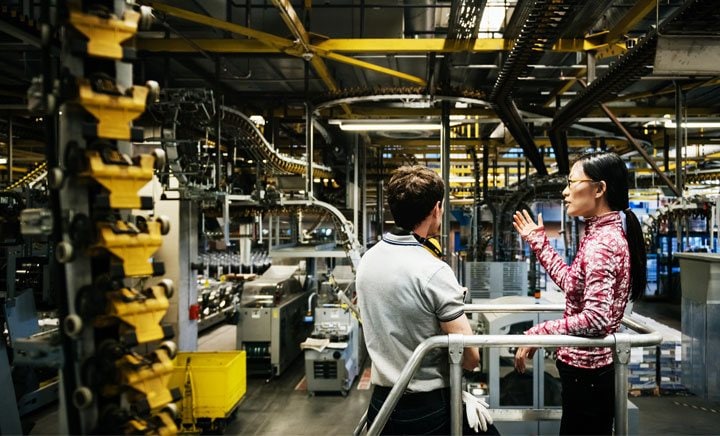
Pressure Transducer and Controllers Pressure not only needs to be measured, but your system needs to make changes based on pressure readings as well.
Tagged as:Technical Learning, Get Curious
Read More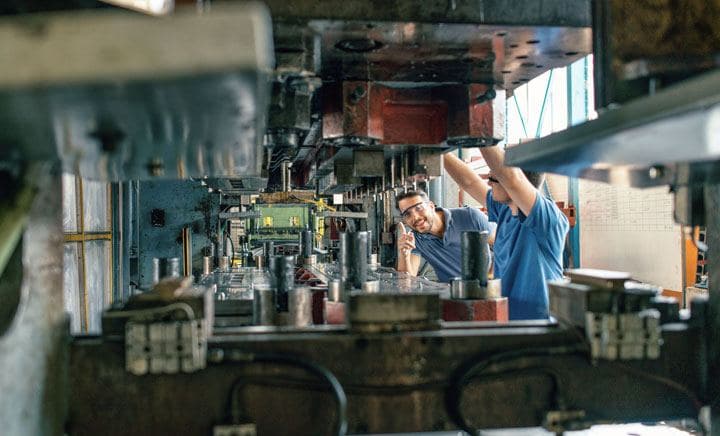
Pressure Transducer and Amplifier Selection Choosing the proper amplifier depends on the type of signal that your system needs.
Tagged as:Technical Learning, Get Curious
Read More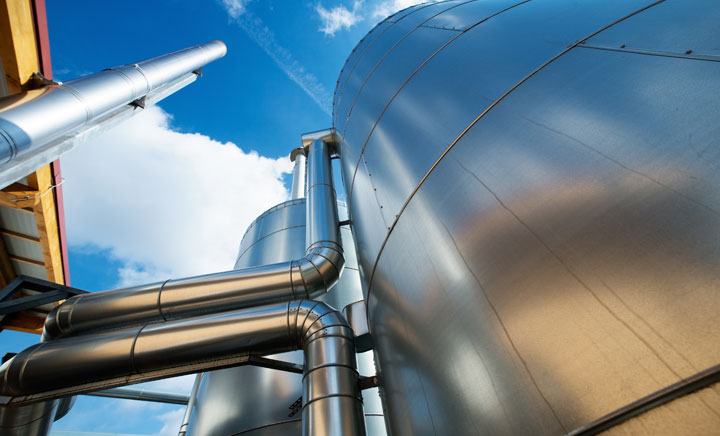
Pressure Transducer for Gases ‘Gas’ is an incredibly broad term. Many industries use gas, but not every industry needs to accurately measure the pressure of the system.
Tagged as:Technical Learning, Get Curious
Read More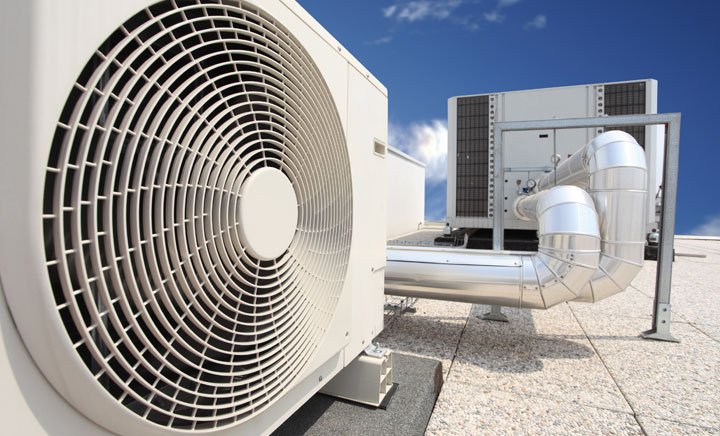
Pressure Transducer for Air Air pressure was first measured all the way back in 1643: when the barometer was invented.
Tagged as:Technical Learning, Get Curious
Read More
Pressure Transducer in Air Applications There are a wide variety of applications that need air pressure properly monitored.
Tagged as:Technical Learning, Get Curious
Read More
Pressure Transducers and Dataloggers Data loggers are typically used to measure and store the pressure signals that a system puts out.
Tagged as:Technical Learning, Get Curious
Read More
Choosing a Signal Transmitter From reviewing both devices and the way they work with other devices, it is clear that signal transmitters and signal conditioners more or less perform the same set of tasks.
Tagged as:Technical Learning, Get Curious
Read More
Signal Transmitters A signal transmitter is a device that transmits data from one place to another.
Tagged as:Technical Learning, Get Curious
Read More
Why IoT Isn’t Good Enough for Industrial Applications Whenever there's a discussion about IIoT, a comparison with IoT always exists.
Tagged as:Technical Learning, Get Curious
Read More
What components are in a IIoT network? IIoT or Industrial Internet of Things is one such technology that is well-known among industry experts but mostly unknown to the rest.
Tagged as:Technical Learning, Get Curious
Read More
Pressure Measurement of Water Level Figuring out how much the water level has risen or fallen in a tank (or something similar) should be a simple task.
Tagged as:Technical Learning, Get Curious
Read More
Pressure Transducers for Refrigerant Plenty of systems in the real world rely on the refrigeration cycle; from massive supermarket refrigeration systems to the AC unit in your car.
Tagged as:Technical Learning, Get Curious
Read More
Pressure Transducer Specs Pressure transducers are useful in a variety of industries.
Tagged as:Technical Learning, Get Curious
Read More
Pressure Transducer FAQ Pressure sensors may undergo contamination from the environment around it or from the working fluid that it measures.
Tagged as:Technical Learning, Get Curious
Read More
Testing Pressure Transducers Pressure transducers are precise instruments, and like all instruments, they are prone to failure.
Tagged as:Technical Learning, Get Curious
Read More
Pressure Calibration Procedure Calibration is an important step that helps devices to produce accurate measurements.
Tagged as:Technical Learning, Get Curious
Read More
Which type of infrared sensing technology will work better for my application—an infrared thermometer or a thermal imaging camera? There are many applications that require accurate surface temperature measurement but don’t permit the use of a surface probe because it’s not possible to make direct contact with the object whose temperature is being measured.
Tagged as:Technical Learning, Get Curious
Read More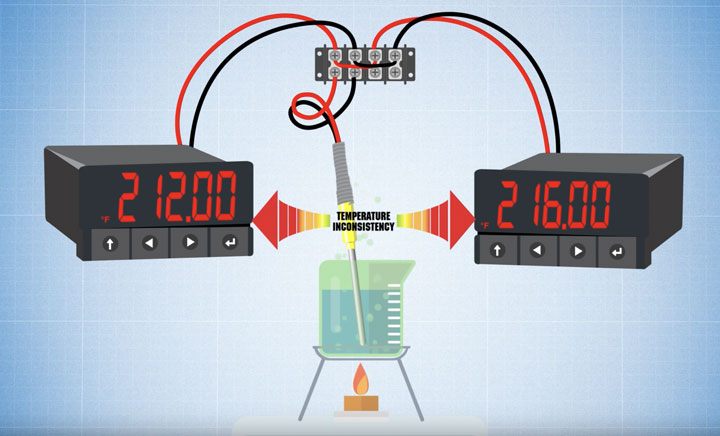
How Do You Split a Thermocouple Signal? Thermocouples are simple, low-cost, thermoelectric temperature sensors. They’re used in a wide range of temperature measurement processes and applications.
Tagged as:Video, Get Curious
Read More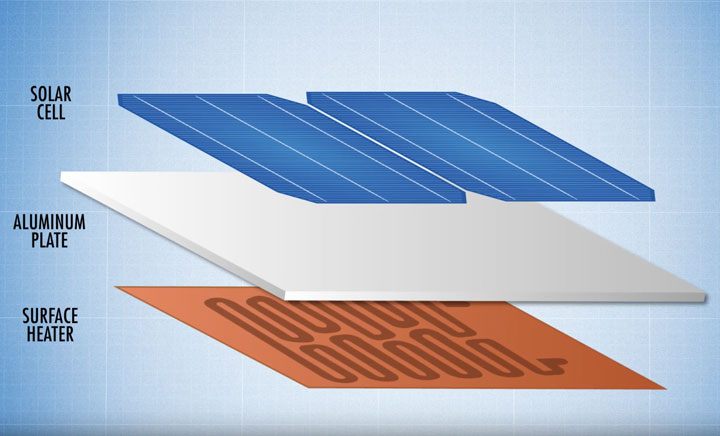
How to calculate heater wattage to get to the right temperature? When selecting a surface heater for use in an industrial process or application, you’ll want to begin by calculating your wattage requirements.
Tagged as:Technical Learning, Get Curious
Read More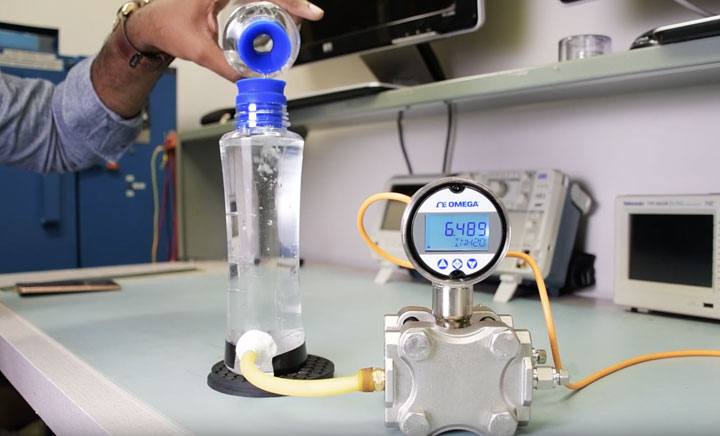
How to use a pressure transmitter or pressure transducer to measure the height of a column of water in a container? Outlining the setup of an experimental application in which we use a pressure transmitter to measure the amount of pressure that’s being exerted by a column of water in a water bottle.
Tagged as:Technical Learning, Get Curious
Read More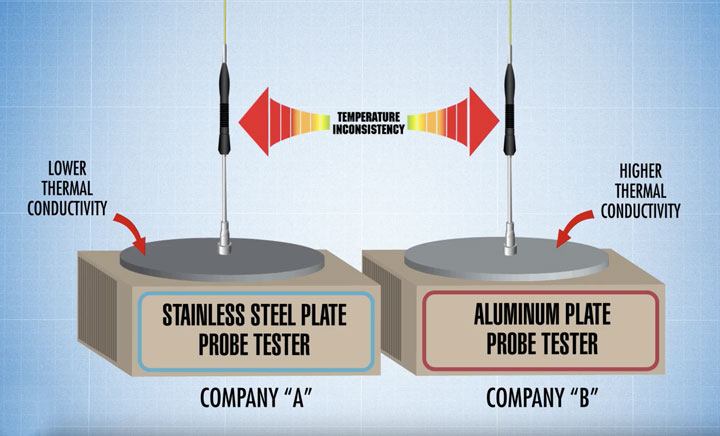
Why is it so difficult to calibrate a surface probe? Surface probes house may types of temperature measurement assemblies, including widely-used thermocouples.
Tagged as:Technical Learning, Get Curious
Read More
Types of Signal Conditioners Signal conditioners are devices that modify output signals produced by a sensor.
Tagged as:Technical Learning, Get Curious
Read More
How to use Load Cells for Weight Measurement To measure the weight, the subject is placed on a load application point of a load cell.
Tagged as:Technical Learning, Get Curious
Read More
Load Cell Specifications In this article all the specifications in a load cell's datasheet are explained. Click here to learn and understand more about the technical aspects.
Tagged as:Technical Learning, Get Curious
Read More
How to Test a Load Cell? Set the multimeter in millivolts and connect the output wires of the load cell to it. Supply a excitation voltage and place a test weight on the load cell.
Tagged as:Technical Learning, Get Curious
Read More
Why Load Cell Signal Conditioner is Critical to a Strain Gauge Setup Signal conditioners take the output from the load cell, modify it and then send it to digital monitors or data loggers.
Tagged as:Technical Learning, Get Curious
Read More
How to Pick a Data Logger for Your Load Cell? A force to a load cell causes deformation on the strain gauge creating a electrical signal. A data logger takes that data and stores the data for later.
Tagged as:Technical Learning, Get Curious
Read More
Load Cell Meter: Choosing the Right Strain Meters The load cell meter connects directly to the strain gauge to convert the signal into a displayed value. They can also power up the load cell.
Tagged as:Technical Learning, Get Curious
Read More
Load Cell with Remote Display To accurately read and process the load cell values, displays form an essential part of the weighing system.
Tagged as:Technical Learning, Get Curious
Read More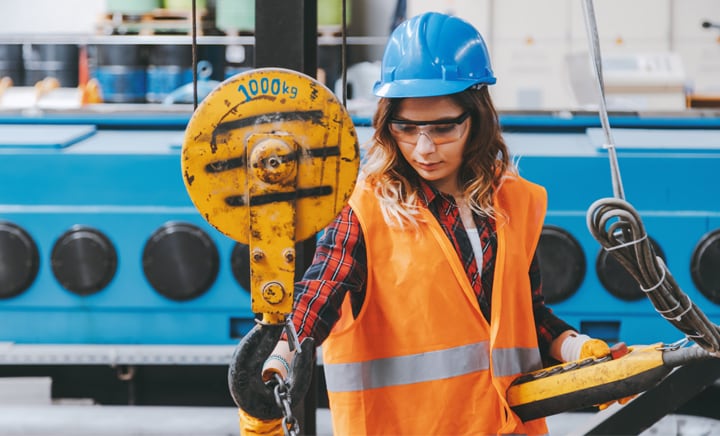
Load Cell Controller A load cell controller is a device used in conjunction with a load cell to convert the electrical signals from the load cell to readable real-world values.
Tagged as:Technical Learning, Get Curious
Read More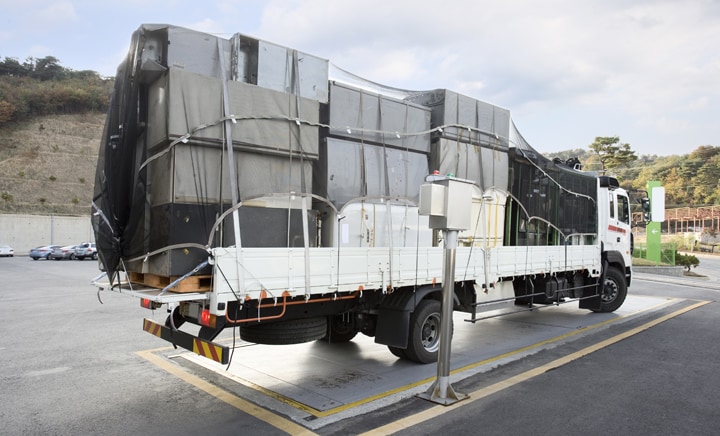
Load Cell Platform Scale – Example Illustration For high-precision weighing applications, load cell platform scales must measure the load accurately. To illustrate this measurement precision, an example with a test weight is explained here.
Tagged as:Technical Learning, Get Curious
Read More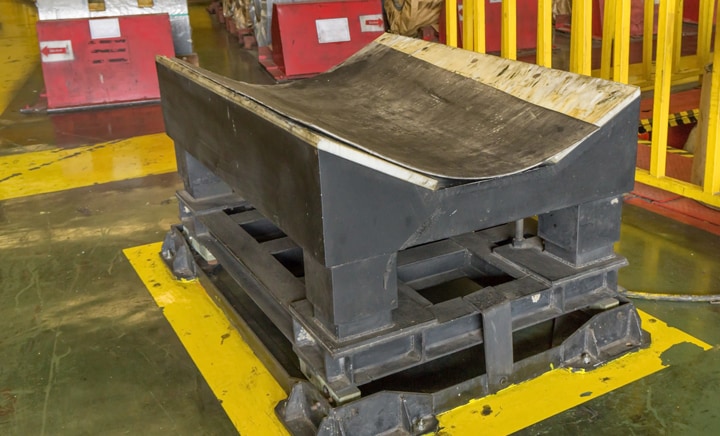
What is a Load Cell Amplifier? A load cell amplifier is a device that can increase the strength of signals coming from a load cell.
Tagged as:Technical Learning, Get Curious
Read More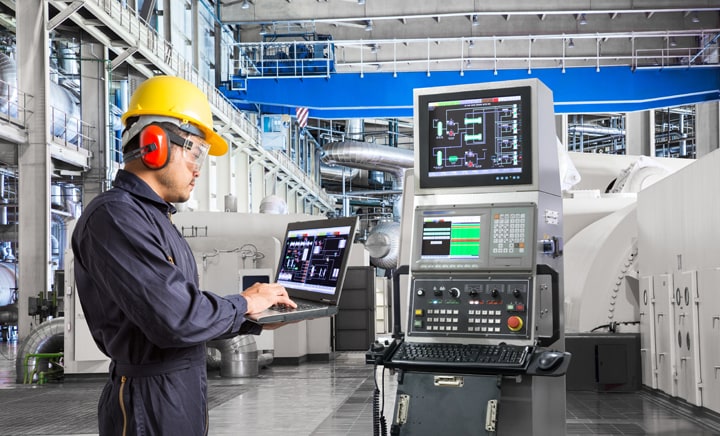
USB Load Cells: Do More with the Measurement Data Analog load cells can't record the data for further analysis. To make the load cell signals readable by a computer an USB output is useful. Read it here.
Tagged as:Technical Learning, Get Curious
Read More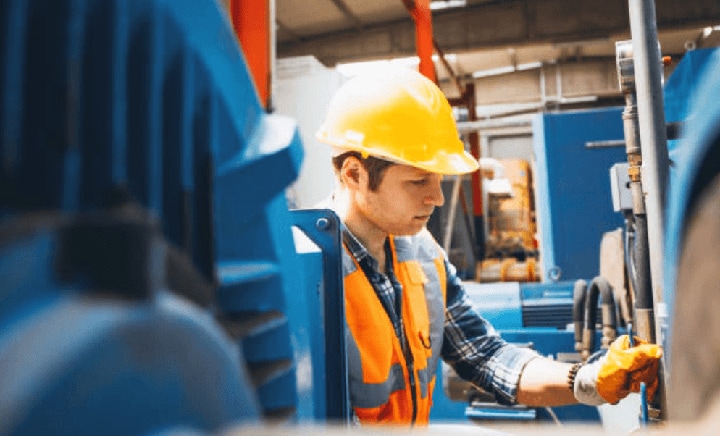
How to Locate a Water Leak Using an Ultrasonic Flow Meter When a single conduit line in a complex configuration of pipelines is compromised, it can be challenging to locate the precise point where the leak is occurring.
Tagged as:Application, Get Curious
Read More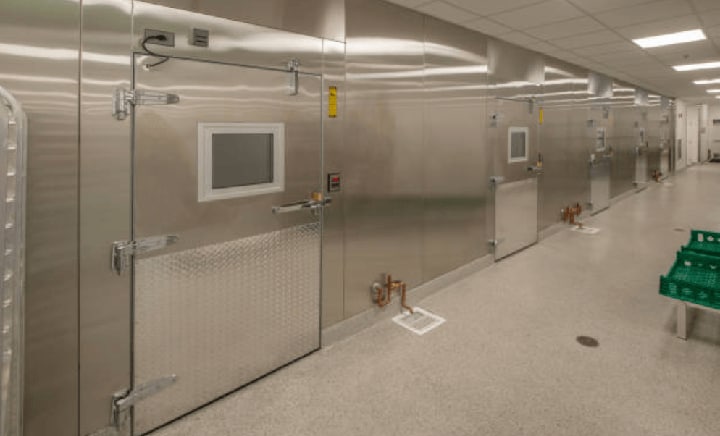
How to Wirelessly Monitor Temperature for Performance Testing As part of the quality assurance process on refrigeration equipment such as refrigerators, freezers, and cold rails, there is a need to validate that the equipment is operating within specified parameters.
Tagged as:Application, Get Curious
Read More
Benchtop Controller for Mantle Heater Heating mantles are commonly used in laboratories to heat liquids as part of the research process.
Tagged as:Application, Get Curious
Read More
How to Achieve Precise Temperature Regulation of Experimental Materials Using a PID-Controlled Heat Source in Laboratory Applications To investigate whether the thermochromic phase change behavior of polydiacetylene thin films will be altered when placed onto a carbon substrate such as graphene, a researcher developed a transfer heat block whose temperature could be regulated over time.
Tagged as:Application, Get Curious
Read More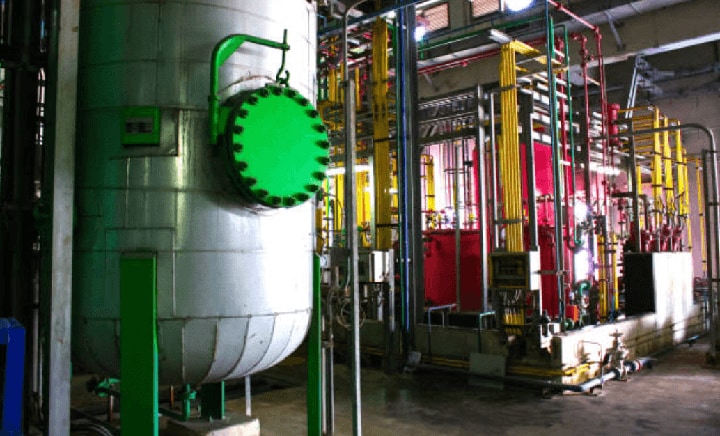
How to Monitor pH Levels in a High-Temperature Environment In a process application, such as soaking wood in a water bath, unpleasant odors can be omitted. By neutralizing pH levels in the water bath, odors can be controlled.
Tagged as:Blog, Get Curious
Read More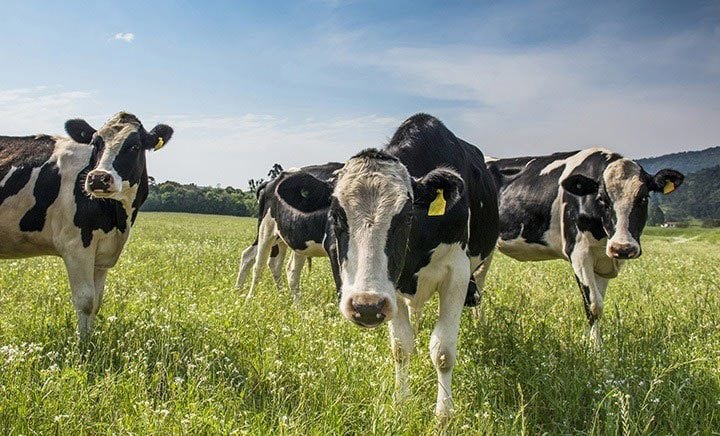
How to Measure pH Levels in a Ruminant’s Digestive System The pH levels in each of a ruminant’s four stomachs play an essential role in a cow’s digestive process and milk production.
Tagged as:Application, Get Curious
Read More
Load and Vibration Testing in Bicycle Manufacturing As part of a quality assurance process, a bike manufacturer developed a testing system that could quantify load and vibration forces on the physical parameters.
Tagged as:Blog, Get Curious
Read More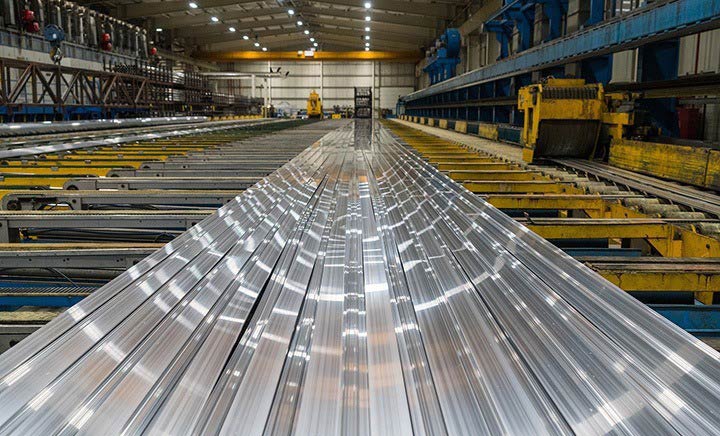
How to Test Load Tolerance in Control Cable Product Testing Control cables play a critical role in assuring the safety and operational integrity of a wide variety of mechanical and electromechanical devices, including lawn mowers and bicycles.
Tagged as:Application, Get Curious
Read More
Measuring the Force Applied to a Rocket Parachute Rockets deploy parachutes to aid in rapidly decreasing the rocket’s re-entry or landing speed. However, before use, it’s essential to test the system using s-beam load cells.
Tagged as:Application, Get Curious
Read More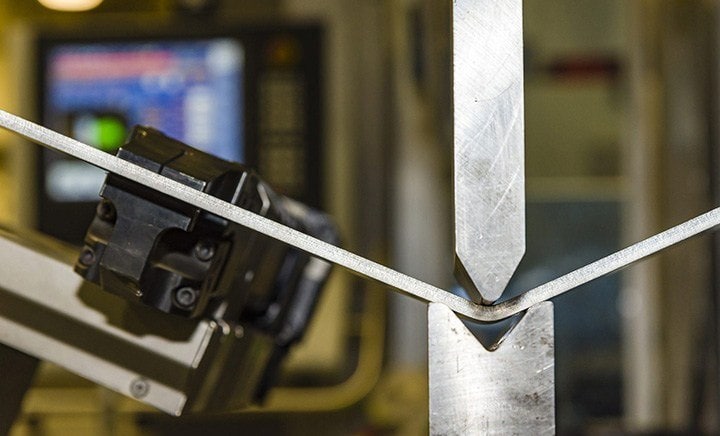
How to Measure the Bending Force of a Sheet Metal Bending Machine Measuring bending stress requires determining the average amount of force exerted on the material that results in a repeatable uniform surface.
Tagged as:Application, Get Curious
Read More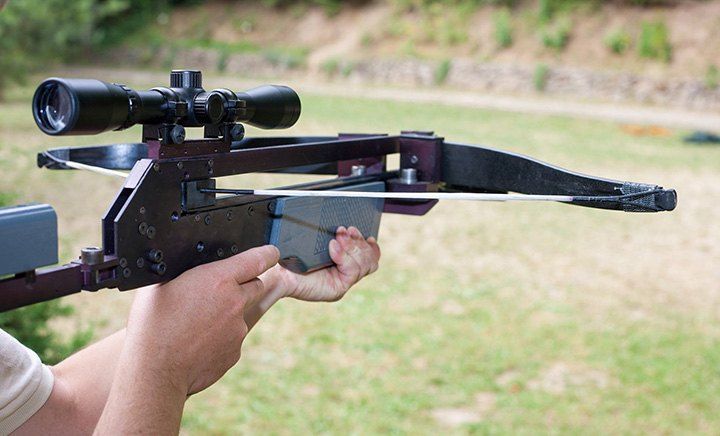
How to Determine the Force Measurement of a Crossbow Crossbows work like a spring. The force and tension applied as you pull the string of the crossbow is what creates the movement and energy to propel the arrow from the bow at high speed.
Tagged as:Application, Get Curious
Read More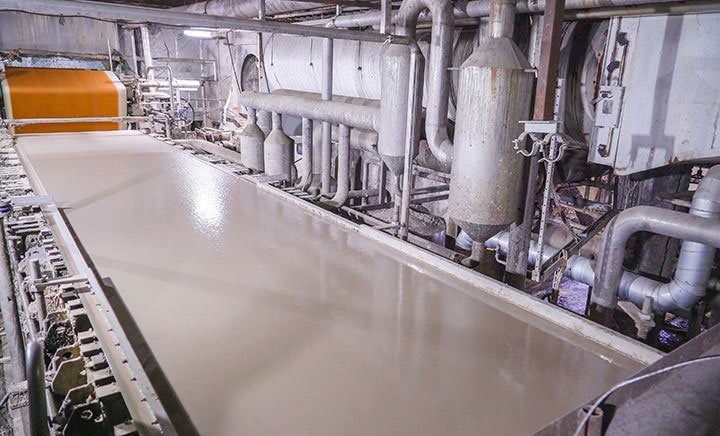
Flow of Paper Stock A customer in the paper industry wanted to measure flow of paper stock pulp on a 250mm SS line with an average flow of 120-150 l/s and a pulp temperature of 45°.
Tagged as:Application, Get Curious
Read More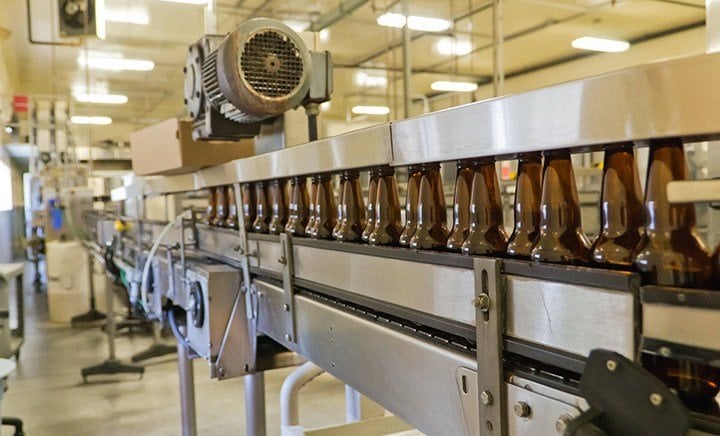
Sanitary Precision Flow Measurement for Microbreweries All microbreweries need the ability to measure the liquid flow of their product in a manner that is sanitary and meets FDA regulations.
Tagged as:Application, Get Curious
Read More
How to Bend Guitar Sides with a Silicone Heater There are several ways to bend guitar sides, including the traditional method of using a hot pipe. However, a faster and more cost-efficient method, which has become common, involves using flexible silicone heaters with a flexible thermocouple and controller.
Tagged as:Application, Get Curious
Read More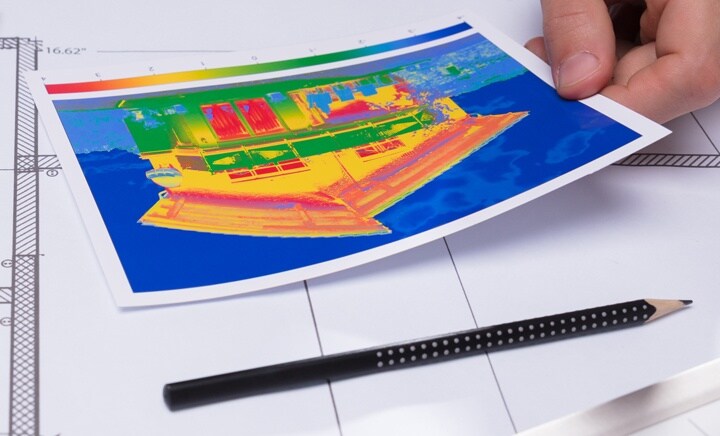
How thermal cameras are used in Home Inspections? Thermographic inspections uncover a wide variety of information to help you derive crucial details about your home. Learn more about this application here.
Tagged as:Technical Learning, Get Curious
Read More
Top Applications of Thermal Imaging Cameras In this article some of the most common applications of thermal imagers in a varied set of industries. Click here to discover those.
Tagged as:Technical Learning, Get Curious
Read More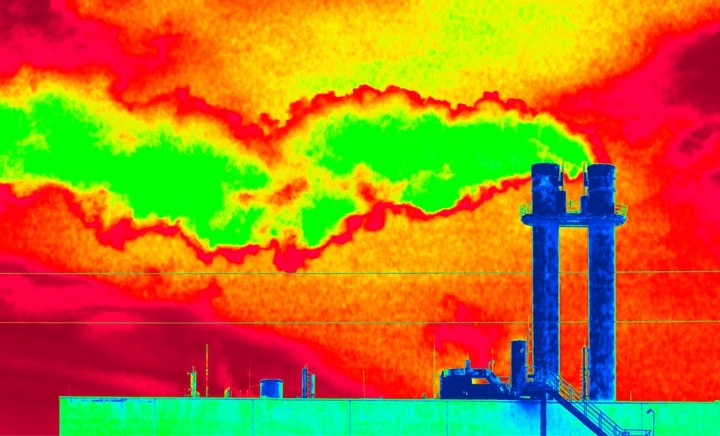
How to choose a Thermal Camera Apart from cost and quality, the two major factors that you should keep in mind when buying a thermal imager are Detector Resolution and Thermal Sensitivity.
Tagged as:Technical Learning, Get Curious
Read More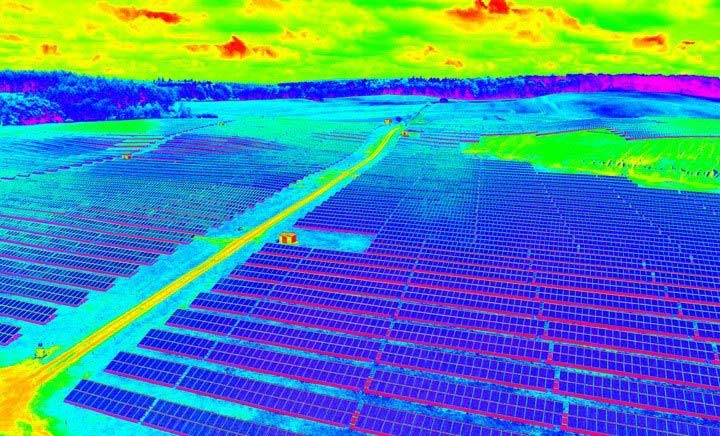
FAQ about Thermal Cameras Choosing a thermal imaging camera is tricky as they are different from other imaging technologies. Click here to learn about the questions that always puzzle buyers.
Tagged as:Technical Learning, Get Curious
Read More
Let's Learn About It with Omega: The Water Hammer Effect Water hammer effect is an impact load that is the most misunderstood force known to pressure transducers today. A water hammer is created by stopping and/or starting a liquid flow suddenly.
Tagged as:Technical Learning, Get Curious
Read More
Conductivity and Resistivity Conductivity measures the ability of a solution to conduct an electric current between two electrodes. In solution, the current flows by ion transport.
Tagged as:Technical Learning, Get Curious
Read More
An Introduction to Flow Meters As the name implies a Flow meter is an instrument for monitoring, measuring, or recording the rate of flow, pressure, or discharge of liquids or gasses.
Tagged as:Product Info, Get Curious
Read More
4-20mA Input It is extremely simple and inexpensive to measure 4-20ma signal with a device that will measure only Voltage inputs.
Tagged as:Technical Learning, Get Curious
Read More
Digital Signal Transmission Industrial networks that transmit data using digital signals often are an integral part of a data acquisition or process control solution.
Tagged as:Technical Learning, Get Curious
Read More
Digital Signal Transmission In contrast to analog transducers that sense continuous variables such as pressure and temperature, many transducers provide an output that is one of two states: high or low, open or closed.
Tagged as:Technical Learning, Get Curious
Read More
Everything you need to know about Immersion Heaters An immersion heater is a device which is installed in a tank or container to heat a liquid. The installation can be over-the-side, flanged, or threaded.
Tagged as:Technical Learning, Get Curious
Read More
What is a Polyimide Heater? Polyimide heaters, also known as Kapton heaters, are made from Kapton, a polyimide film developed by DuPont.
Tagged as:Technical Learning, Get Curious
Read More
What are silicone heaters used for? Silicone rubber heaters have a wide range of industrial, commercial, and military applications. These heaters are resistant to radiation, moisture, compression set, weathering, vacuum, fungus, oils, solvents, and chemical attack.
Tagged as:Technical Learning, Get Curious
Read More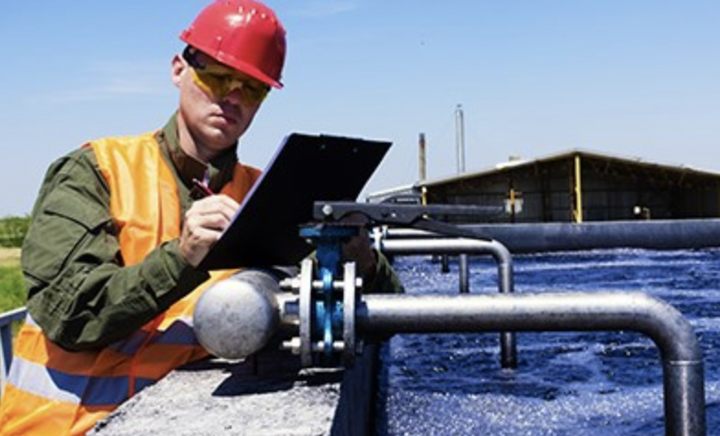
Sales Measures Water Levels Customer service that goes above and beyond in combination with excellent products at competitive prices.
Tagged as:Technical Learning, Get Curious
Read More
Safe and Precise Temperature Transmission and Control Stable, safe, and high precision measurement of temperature signals in all stages of the manufacturing process is of the essence at a polysulfide plant.
Tagged as:Technical Learning, Get Curious
Read More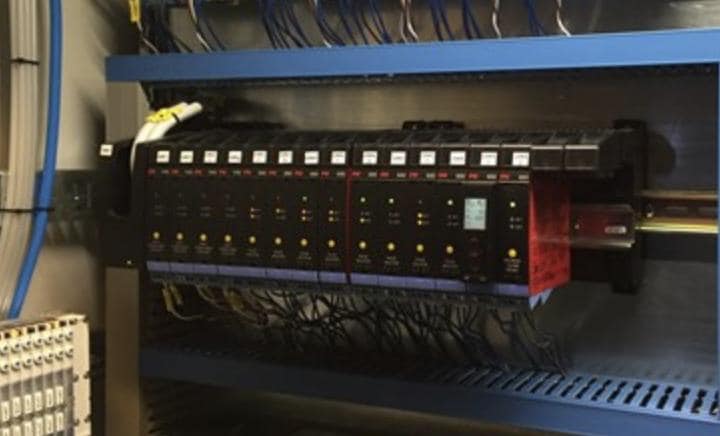
Quality, Support, and Flexibility When it was time to exchange an old panel that controlled a hydrogen compressor an automation technician decided to go with a backplane.
Tagged as:Technical Learning, Get Curious
Read More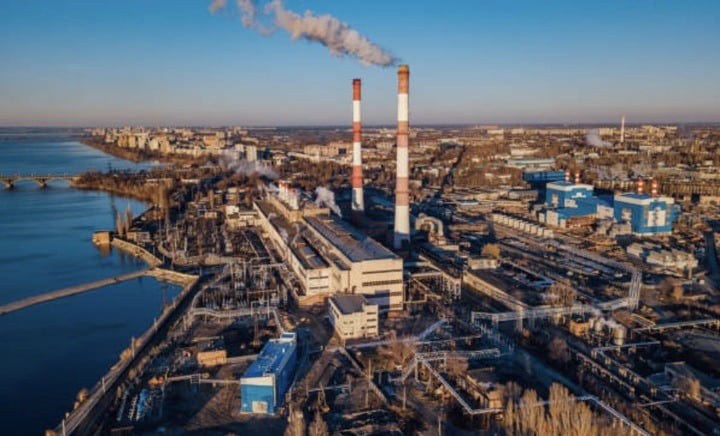
Problem Solver in the Field A project of operating a brand new waste-to-energy line gave an electrical engineer the chance to work with a field mounted HART temperature transmitter like TXUN-HT for the first time.
Tagged as:Technical Learning, Get Curious
Read More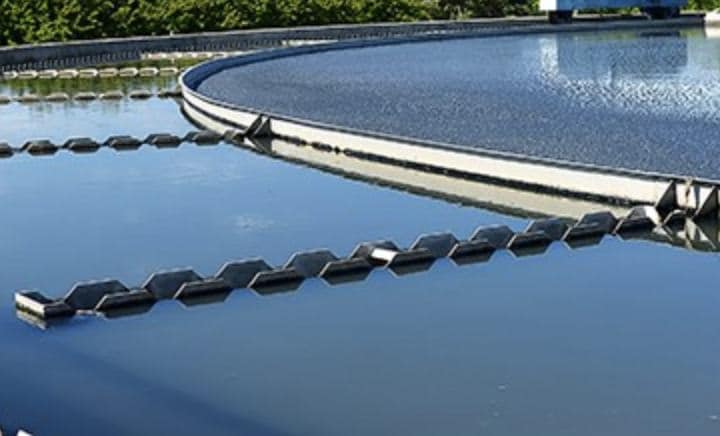
With an Isolated Repeater/Splitter A provider of electrical solutions to a wide range of customers and other electrical contractors, from temperature and pressure measurements to providing small PLC solutions needed a solution when working with temperature and isolation.
Tagged as:Technical Learning, Get Curious
Read More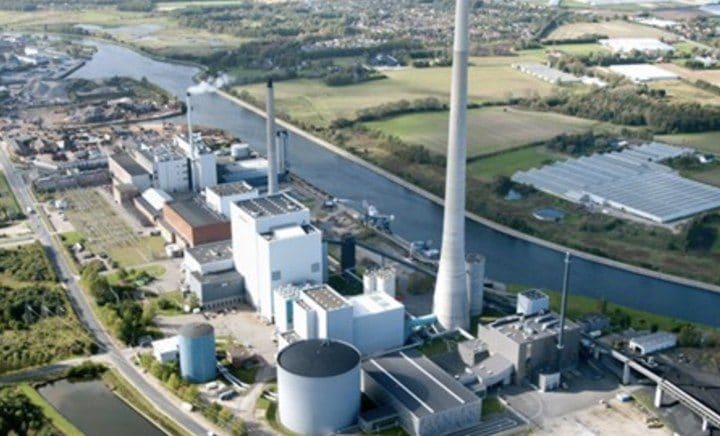
Danish CHP Station The members of a maintenance team at a Danish power station were fed up getting error messages and false system alarms from one of the boiler’s temperature surveillance systems.
Tagged as:Technical Learning, Get Curious
Read More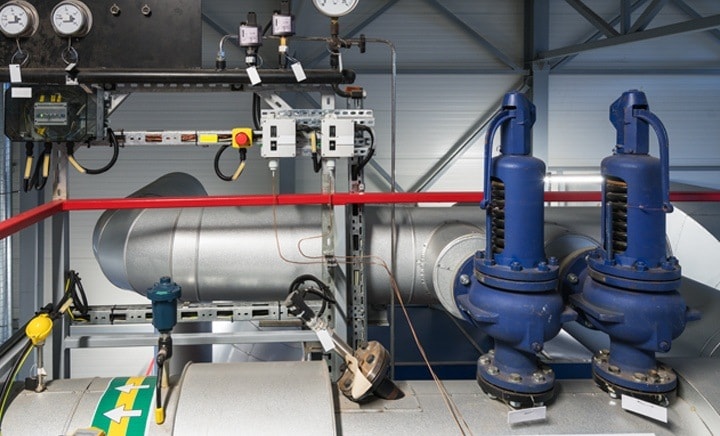
What is a Mass Flow Meter? A thermal mass flow meter measures the flow rate of gas mass based on the convective heat transfer of a heated surface to the flowing fluid.
Tagged as:Technical Learning, Get Curious
Read More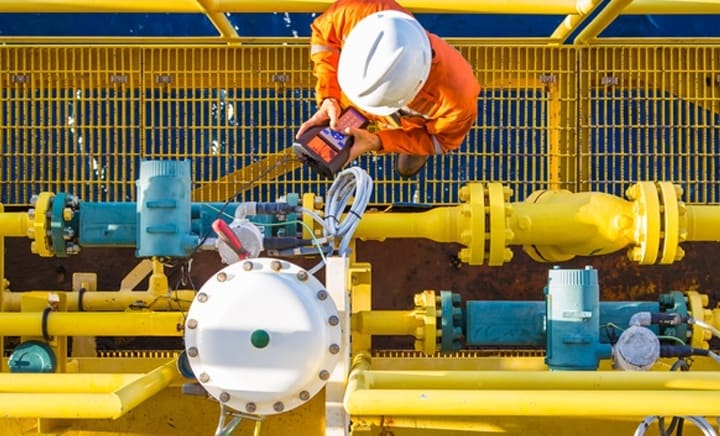
What is a Coriolis Flow Meter and How Does it Work? A Coriolis flow meter is a type of mass flow meter. It is designed differently and works differently than thermal or differential mass flow meters.
Tagged as:Technical Learning, Get Curious
Read More
The International Temperature Scale of 1990 (ITS-90) President of the Comité Consultatif de Thermométrie and Vice-President of the Comité International des Poids et Mesures Division of Physics, National Research Council of Canada, Ottawa, K1A OS1 Canada
Tagged as:Case Study, Get Curious
Read More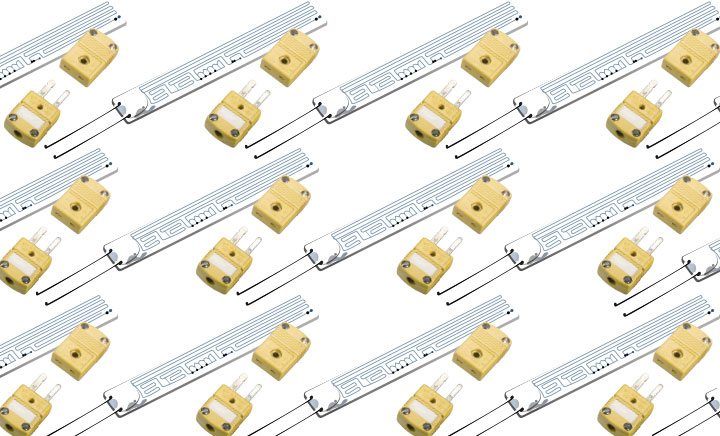
What’s the Difference Between Thermocouples and RTDs? Selecting the best temperature sensor for your application can be a challenge. A broad range of sensors are available today, and the better you understand the key differences between them
Tagged as:Technical Learning, Get Curious
Read More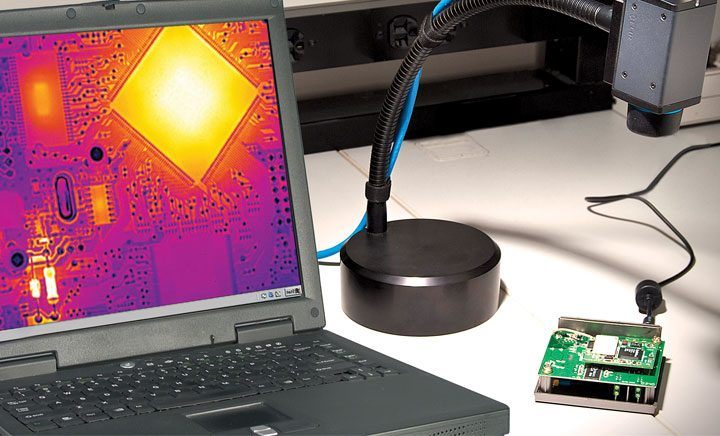
Principles of Infrared Thermocouples The IRt/c product line represents a dramatic breakthrough in temperature sensing technology. The IRt/c sensors are unpowered, low cost, and can measure surface temperatures of materials without touching.
Tagged as:Technical Learning, Get Curious
Read More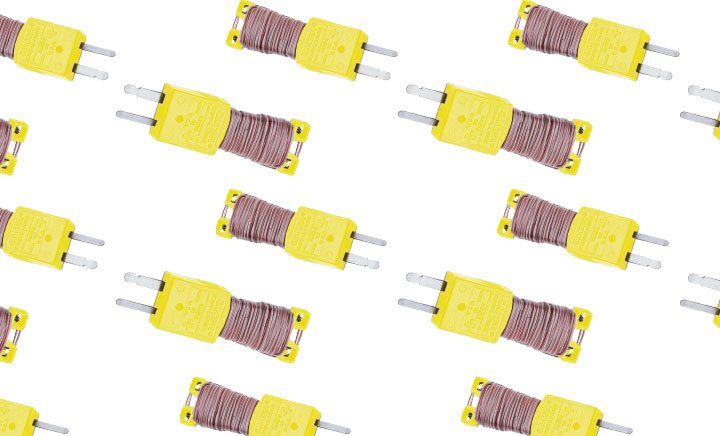
Thermocouple styles: probe, wire or surface? Because a thermocouple can take many shapes and forms, it is important to understand how to correctly select the right sensor.
Tagged as:Product Info, Get Curious
Read More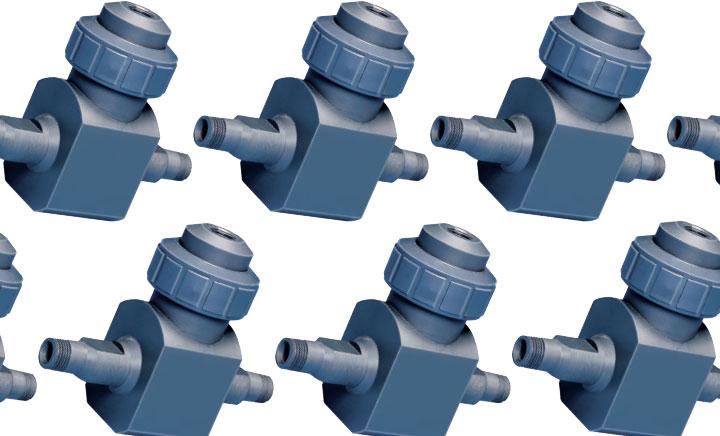
What is a Vortex Flow Meter? A vortex flow meter is a flow measurement device best suited for flow measurements where the introduction of moving parts presents problems.
Tagged as:Technical Learning, Get Curious
Read More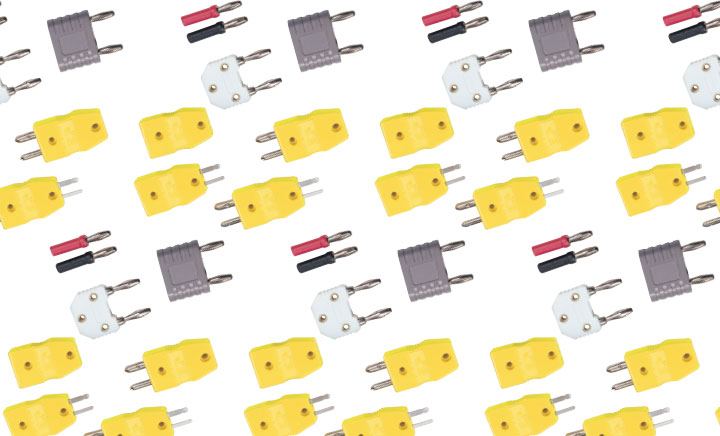
What are the Different Types of Thermocouples? Thermocouples are available in different combinations of metals or calibrations. The most common are the “Base Metal” thermocouples known as Types J, K, T, E and N.
Tagged as:Technical Learning, Get Curious
Read More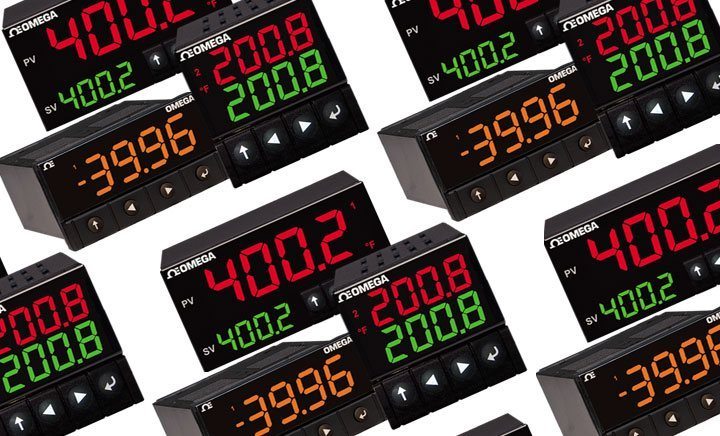
What is a PID Controller? A PID controller is an instrument used in industrial control applications to regulate temperature, flow, pressure, speed and other process variables.
Tagged as:Product Info, Get Curious
Read More
Thermocouple Response Time Time constants calculated for air at room temperature and atmospheric pressure moving with velocity of 65 feet per second for thermocouples
Tagged as:Technical Learning, Get Curious
Read More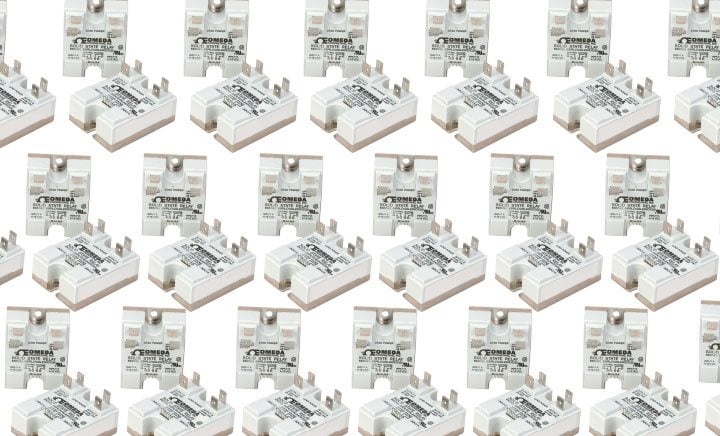
Connecting Relays to a Digital Output Board and Noise Considerations Mechanical relays are very noisy (electrically) and they can cause problems when connecting them to a PC digital I/O card, ranging from spikes on your analog measurements to computer lockups!
Tagged as:Case Study, Get Curious
Read More
Thermocouples - Reference Guide OMEGACLAD® is a three-part system composed of compacted MgO insulation, thermocouple wire and metal sheath.
Tagged as:Technical Learning, Get Curious
Read More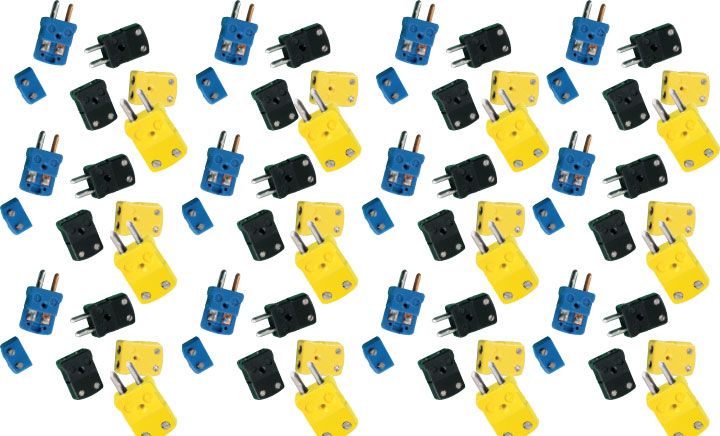
How to choose a Thermocouple There are different types of thermocouples and their applications may vary. An exposed thermocouple will work best when high response times are required, but an ungrounded thermocouple is better in corrosive environments
Tagged as:Product Info, Get Curious
Read More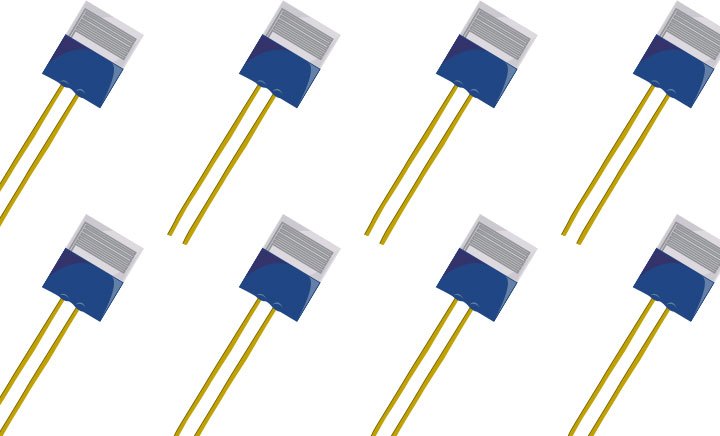
How to Choose Between a RTD PT100 vs Pt1000? The sensing elements in Resistance Temperature Detectors (RTD’s) can be categorized in terms of the type of metal out of which they’re made and their resistance at a benchmark temperature.
Tagged as:Product Info, Get Curious
Read More
Types of RTDs Resistance Temperature Detectors (RTDs) available today can generally be categorized into one of two basic types of RTDs, depending on how their temperature sensing element is constructed.
Tagged as:Product Info, Get Curious
Read More
Practical Guidelines for Temperature Measurement Temperature can be measured via a diverse array of sensors. All of them infer temperature by sensing some change in a physical characteristic.
Tagged as:Technical Learning, Get Curious
Read More
Pt100 Probes Probes may be terminated in a connection head, quick disconnect, terminal block, or extension wire. OMEGA’s standard terminations are pictured on product pages.
Tagged as:Technical Learning, Get Curious
Read More
Resistance Elements and RTD’s Resistance elements come in many types conforming to different standards, capable of different temperature ranges, with various sizes and accuracies available.
Tagged as:Technical Learning, Get Curious
Read More
How to Install a Pressure Tranducer? OMEGA transducers have three main types of electrical outputs; millivolts (mV), volts (V), and current (mA). It is important for the user to know which output suits his application to ensure proper selection of a transducer.
Tagged as:Technical Learning, Get Curious
Read More
Water and Wastewater Test Methods for Operators A variety of test procedures and methods are available for use by water and wastewater operators.
Tagged as:Technical Learning, Get Curious
Read More
What is a Voltage Divider? In order to measure a signal which varies over a range greater than the input range of an analog or digital input of a measuring device, a voltage divider can drop the voltage of the input signal to the level the analog or digital input can measure.
Tagged as:Technical Learning, Get Curious
Read More
PFA Fluorocarbon Information PFA Fluorocarbon Information
Tagged as:Technical Learning, Get Curious
Read More
Flow Meter Tutorial So you want to measure flow? The answer would seem to be to purchase a flowmeter.
Tagged as:Technical Learning, Get Curious
Read More
Common Problems with Data Acquisition Devices Traditional printer drivers are very benign; they are only active, and use the printer port when you tell an application to print.
Tagged as:Technical Learning, Get Curious
Read More
Electronic Halogen Leak Detector For many years the most effective, and only, method for finding gas leaks of any type was the use of a soap or bubble solution.
Tagged as:Technical Learning, Get Curious
Read More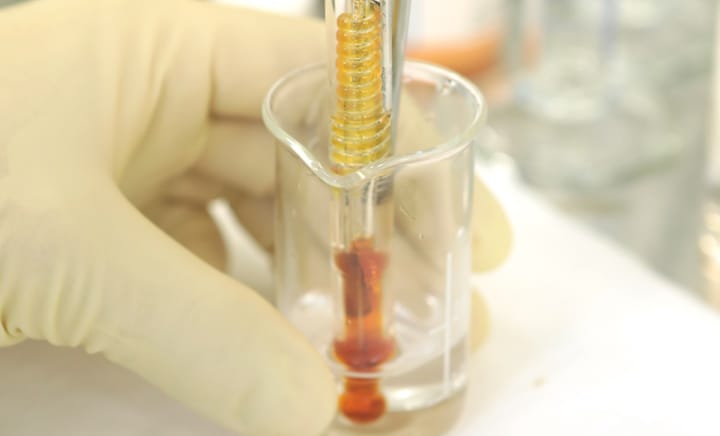
Industrial pH Monitoring: pH and pH Electrode Basics pH electrode technology hasn't changed much in the past 50 to 60 years, yet pH electrode manufacturing remains an art.
Tagged as:Technical Learning, Get Curious
Read More
Ion Selective Electrodes This article is designed to apply, in general, to all specific ion electrodes.
Tagged as:Technical Learning, Get Curious
Read More
What is a Low Pass Filter? A low pass filter is placed on the signal wires between a signal and an A/D board
Tagged as:Technical Learning, Get Curious
Read More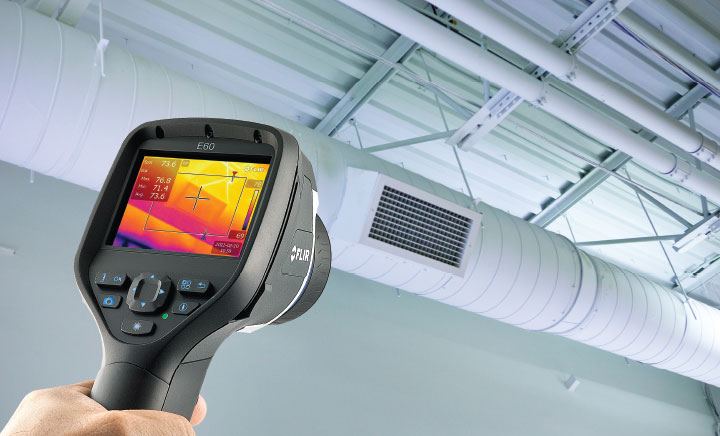
Infrared Quick Help When to Use Infrared Temperature Measurement
Tagged as:Technical Learning, Get Curious
Read More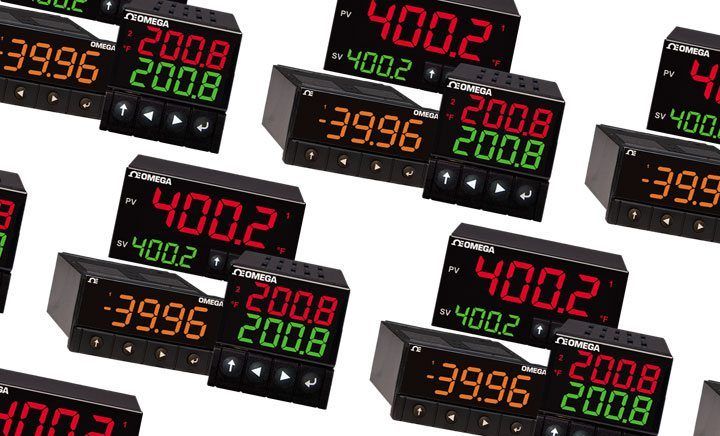
Temperature Control Using PID Almost every process control application would benefit from PID control.
Tagged as:Product Info, Get Curious
Read More
Technical Principles of Valves Solenoid valves are used wherever fluid flow has to be controlled automatically. They are being used to an increasing degree in the most varied types of plants and equipment.
Tagged as:Technical Learning, Get Curious
Read More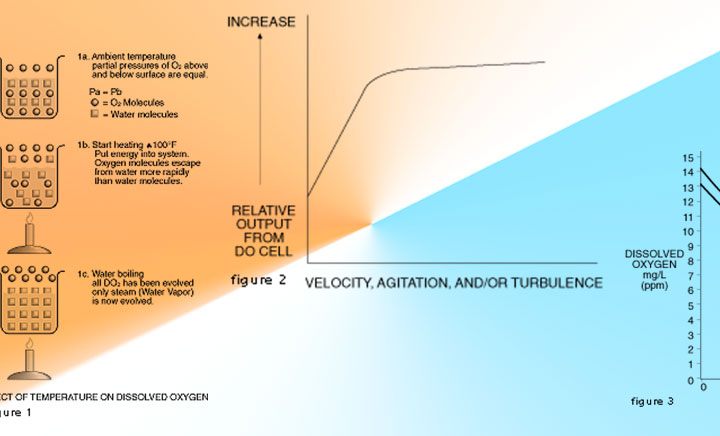
Fundamentals of pH Measurement and Dissolved Oxygen Analysis Dissolved oxygen (DO) is the term commonly used in liquid analytical work for the measurement of the amount of oxygen dissolved in a unit volume of water.
Tagged as:Technical Learning, Get Curious
Read More
How Does a PID Controller Work? As its name implies, a PID controller combines proportional control with additional integral and derivative adjustments which help the unit automatically compensate for changes in the system.
Tagged as:Product Info, Get Curious
Read More
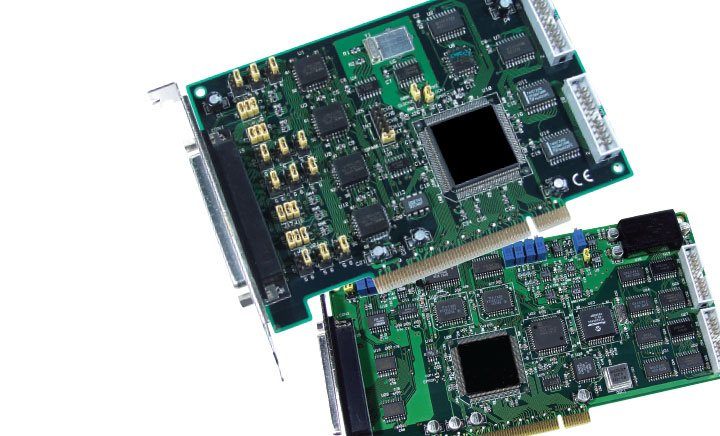
Contact Closure Inputs: Connect Digital Input & Output DAQ Board Many times it is necessary to monitor a contact closure using a PC. Some applications include monitoring a relay closure on a machine to record on-off times, or simply as an alarm to notify someone of an open freezer door.
Tagged as:Technical Learning, Get Curious
Read More
Scaling Voltage & Current to Engineering Units It is very often necessary to convert a voltage, millivot or current reading into a more useful value such as PSI, GPM, LBS, etc.
Tagged as:Technical Learning, Get Curious
Read More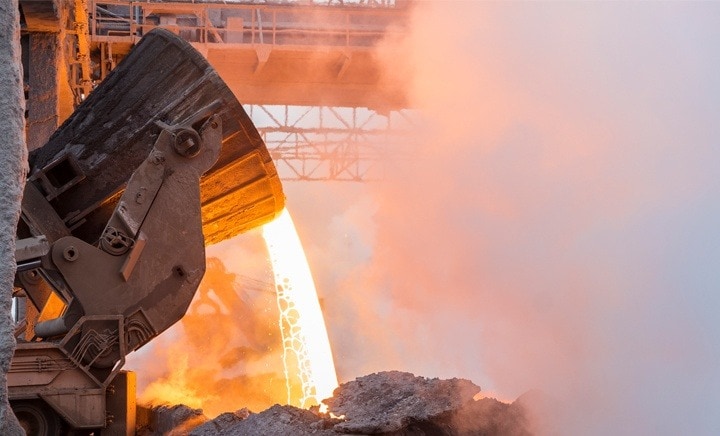
Infrared pyrometers Pyrometer is derived from the Greek root pyro, meaning fire. The term pyrometer was originally used to denote a device capable of measuring temperatures of objects above incandescence, objects bright to the human eye.
Tagged as:Technical Learning, Get Curious
Read More
Mechanical Flow meters Discussed in this chapter are various types of mechanical flow meters that measure flow using an arrangement of moving parts,
Tagged as:Technical Learning, Get Curious
Read More
Differential Pressure Flow meters The calculation of fluid flow rate by reading the pressure loss across a pipe restriction is perhaps the most commonly used flow measurement technique in industrial applications
Tagged as:Technical Learning, Get Curious
Read More
Overview of GPIB protocol IEEE-488 refers to the Institute of Electrical and Electronics Engineers (IEEE) Standard number 488 and is commonly called GPIB (General Purpose Interface Bus).
Tagged as:Technical Learning, Get Curious
Read More
RF/Capacitance Level Instrumentation Capacitance level detectors are also referred to as radio frequency (RF) or admittance level sensors. They operate in the low MHz radio frequency range, measuring admittance of an alternating current (ac) circuit that varies with level.
Tagged as:Technical Learning, Get Curious
Read More
All About Flow Meters Measuring the flow of liquids is a critical need in many industrial plants.
Tagged as:Technical Learning, Get Curious
Read More
What is a Variable Area Flow Meter? Variable area flow meters are simple and versatile devices that operate at a relatively constant pressure drop and measure the flow of liquids, gases, and steam.
Tagged as:Technical Learning, Get Curious
Read More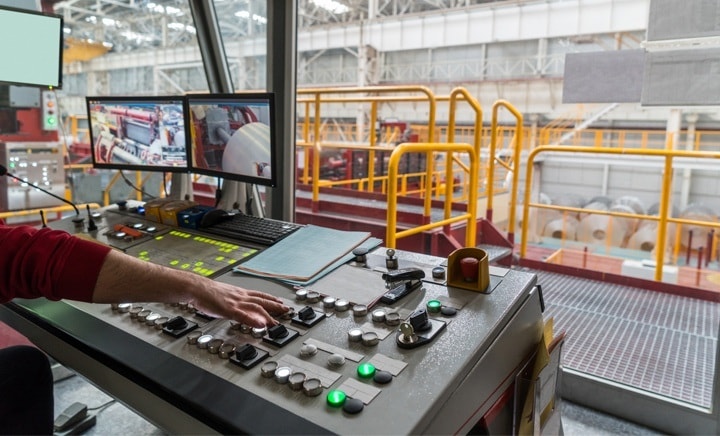
Plug-in Cards Although the microprocessor and digital network technologies have fundamentally reinvented the ways in which today's data acquisition systems handle data
Tagged as:Technical Learning, Get Curious
Read More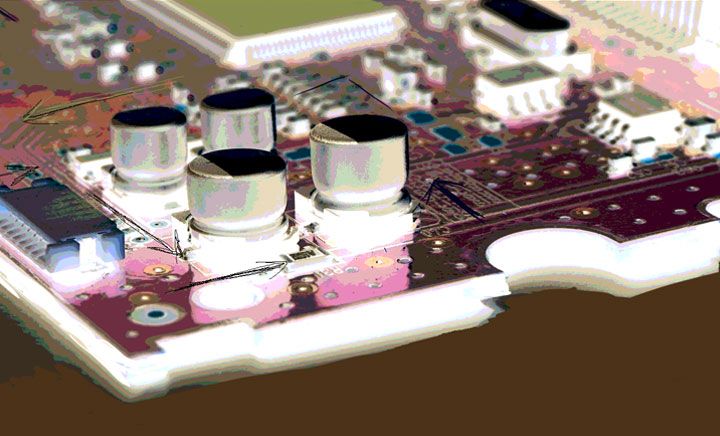
Differential Signal Vs Single-Ended Inputs One of the most common questions asked is the difference between single-ended and differential signals inputs, and what applications they should be considered in.
Tagged as:Technical Learning, Get Curious
Read More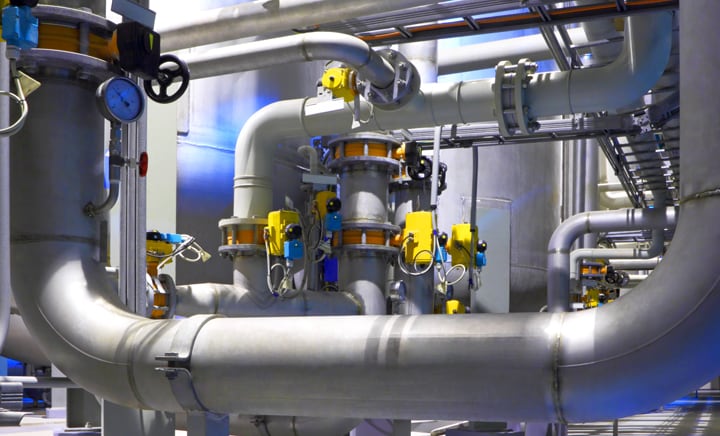
An Introduction to Venturi Flow Meters, Flow Nozzles, and Segmental Wedge Elements Venturi tubes are available in sizes up to 7 inches and can pass 25 to 50% more flow than an orifice with the same pressure drop
Tagged as:Technical Learning, Get Curious
Read More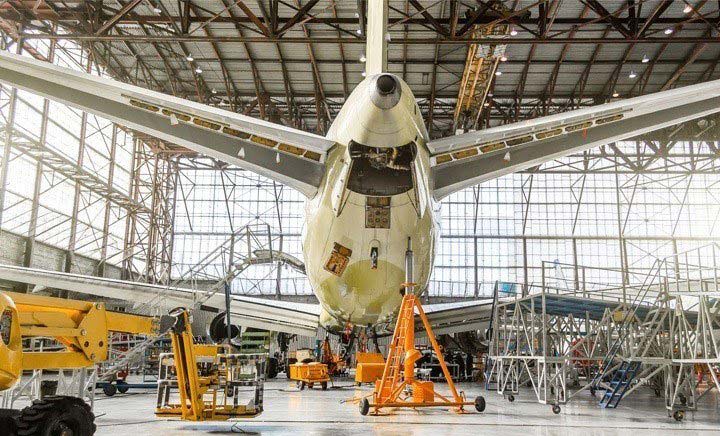
Pressure sensor Piezoelectric presssure sensors can further be classified according to whether the crystal's electrostatic charge, its resistivity, or its resonant frequency electrostatic charge is measured.
Tagged as:Technical Learning, Get Curious
Read More
Strain Gauge When external forces are applied to a stationary object, stress and strain are the result.
Tagged as:Technical Learning, Get Curious
Read More
The RS-232 protocol Information being transferred between data processing equipment and peripherals is in the form of digital data which is transmitted in either a serial or parallel mode.
Tagged as:Technical Learning, Get Curious
Read More
What is an Orifice Plate Flow Meter? The orifice plate flow meter is commonly used in clean liquid, gas, and steam services. It is available for all pipe sizes but it is very cost-effective for measuring flows in larger ones (over 6 inches diameter).
Tagged as:Technical Learning, Get Curious
Read More
An Introduction to Pitot Tubes Although the pitot tube is one of the simplest flow sensors, it is used in a wide range of flow measurement applications such as air speed in racing cars and Air Force fighter jets
Tagged as:Technical Learning, Get Curious
Read More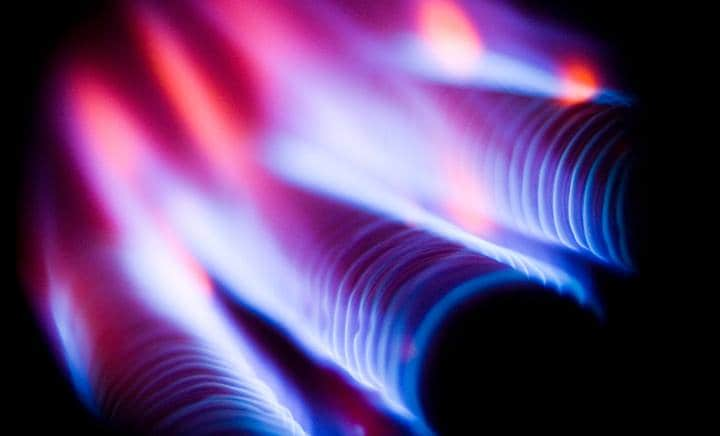
What is a thermography? Thermography extends the concept of point radiation thermometry to one-dimensional profiles or two-dimensional pictures of non-contact temperature data.
Tagged as:Technical Learning, Get Curious
Read More
Strain Gage Technical Data The most universal measuring device for the electrical measurement of mechanical quantities is the strain gage.
Tagged as:Technical Learning, Get Curious
Read More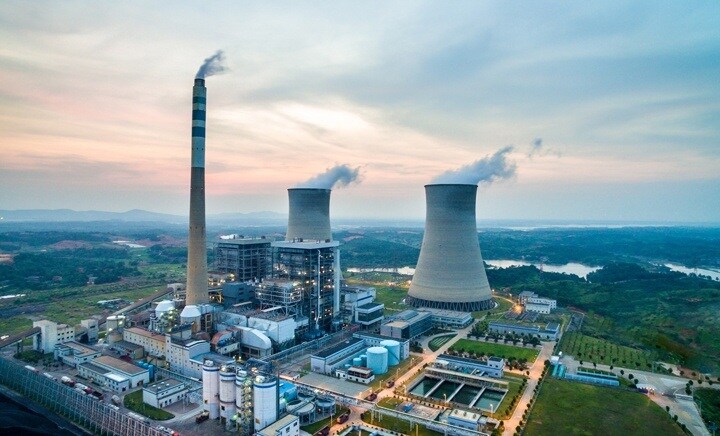
Non-contact thermometers Historically a radiation non-contact thermometer consisted of an optical system to collect the energy emitted by the target;
Tagged as:Technical Learning, Get Curious
Read More
RS485, RS422 and RS232 Why use RS232 vs RS485 and what is the real difference between RS422 Vs RS485? First, lets define each one. Keep in mind that all three are considered SERIAL, as opposed to IEEE-488 which is PARALLEL.
Tagged as:Technical Learning, Get Curious
Read More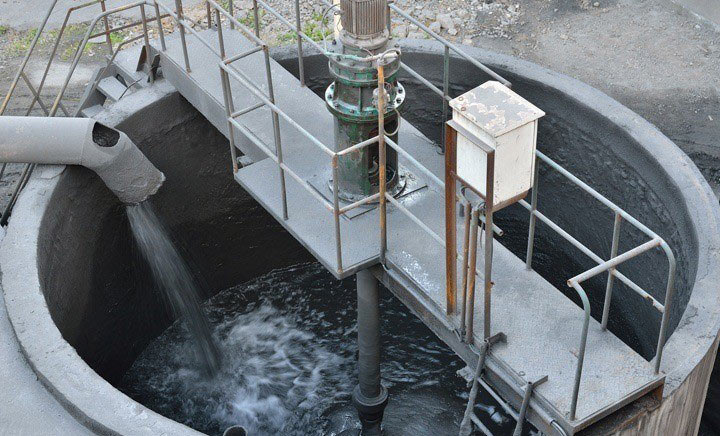
pH Control Systems pH control systems are characterized by extreme rangeability and sensitivity, and are also subject to difficulties arising from contact between measuring electrodes and hostile fluids.
Tagged as:Technical Learning, Get Curious
Read More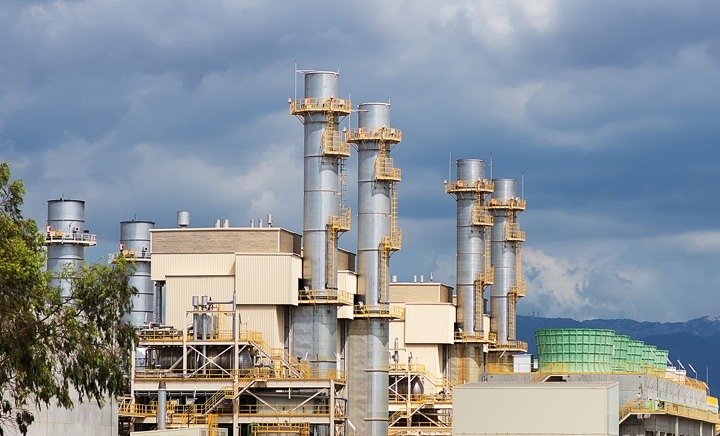
Types of level measurement instrumentation One of the primary principles underlying industrial level measurement is that different materials and different phases of the same material have different densities.
Tagged as:Technical Learning, Get Curious
Read More
Specialty Level Switches Thermal, vibrating, and optical level switches are specialty devices developed to solve specific level detection problems.
Tagged as:Technical Learning, Get Curious
Read More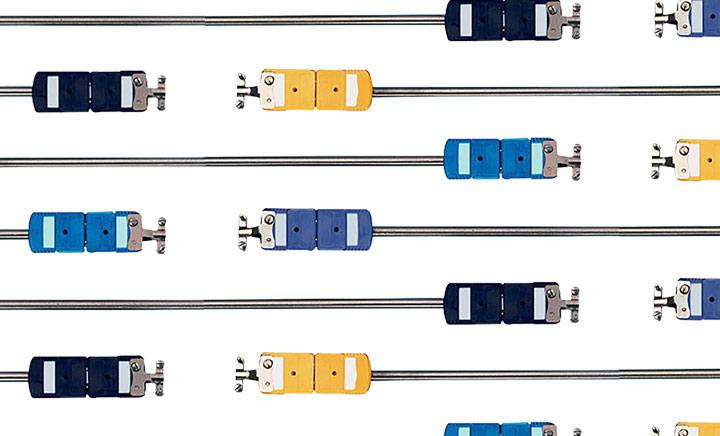
Working principle of thermocouples A typicial thermocouple is made up of two dissimilar metals joined together to form two junctions.
Tagged as:Product Info, Get Curious
Read More

PLATINUM™ Series PID Control Simulator In modern industrial systems, temperature is the most common physical measurement...
Tagged as:Technical Learning, Get Curious
Read More
Reactive Maintenance vs. Proactive Maintenance: You’re Paying 2-5X More for Maintenance Proactive maintenance, reactive maintenance, and the many benefits of switching to proactive maintenance.
Tagged as:Technical Learning, Get Curious
Read More
Preventive or predictive: what is the right type of maintenance for your process? Predictive maintenance differs from preventive as it allows you to repair or replace equipment before it runs-to-failure
Tagged as:Technical Learning, Get Curious
Read More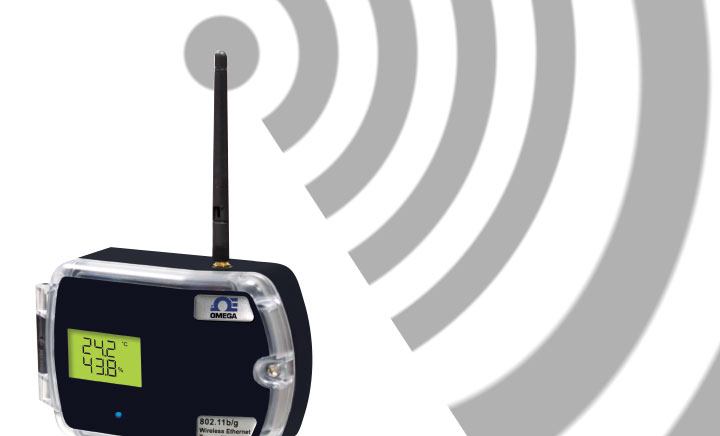
Wireless Process Monitoring: Pros & Cons of Using Wireless Devices Wireless monitoring is a versatile and inexpensive solution for a variety of applications in locations with no interference.
Tagged as:Technical Learning, Get Curious
Read More
Preventing Explosions with FM Approved Intrinsically Safe Instrumentation Industrial explosions have caused devastating loss of life on many occasions.
Tagged as:Technical Learning, Get Curious
Read More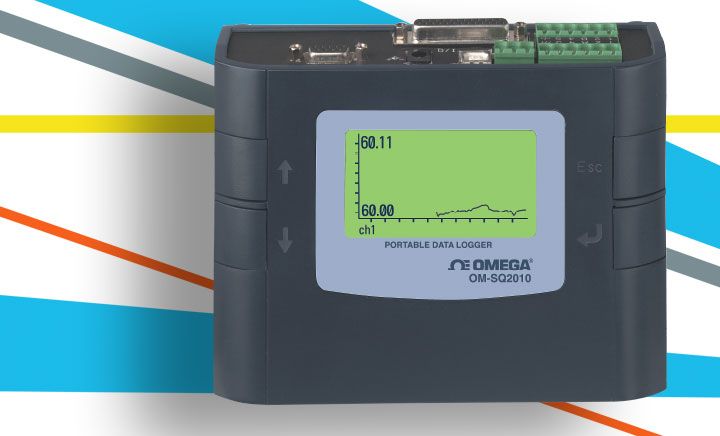
Cellular Monitoring: Process Monitoring with Cellular Technology Cellular monitoring is ideal for applications and data logging where updated information is not required in real time.
Tagged as:Technical Learning, Get Curious
Read More
New Data Logging, Charting and Alarm Notification System The dashboard connects data from your measurement equipments to a webserver for easy-to-use data storage and collection.
Tagged as:Technical Learning, Get Curious
Read More
Particle Pollution & Environmental Safety Indoor air quality is the responsibility of building owners, managers and employers.
Tagged as:Technical Learning, Get Curious
Read More
5 Reasons to Wirelessly Measure Relative Humidity Monitoring Relative Humidity in Lab can be challenging. Choose the most simple and powerful way by using wireless transmitters.
Tagged as:Technical Learning, Get Curious
Read More
The Benefits of Implementing Predictive Maintenance Predictive maintenance can help you anticipate failure before it happens, saving money, time and making processes more efficient. Learn more about these and other advantages.
Tagged as:Technical Learning, Get Curious
Read More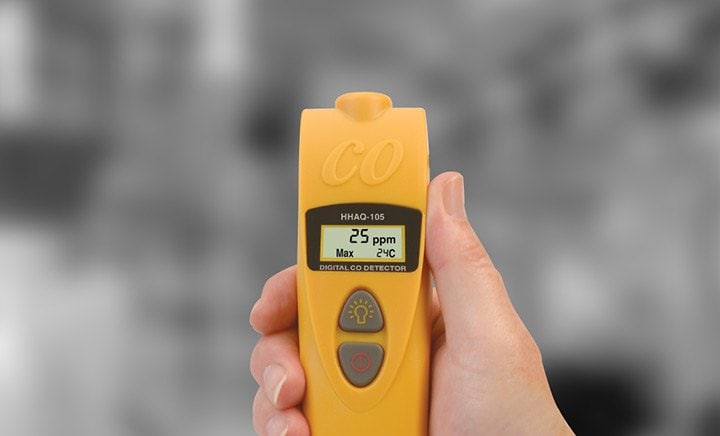
Air Quality Monitoring | Things you should know about it Ambient air contains life supporting oxygen, nitrogen, carbon dioxide, and chemicals that can harm you and your employees.
Tagged as:Technical Learning, Get Curious
Read More
3 Factors to Consider When Choosing a Custom or Off-the-Shelf Sensor Given the risk to human lives and the financial costs when things go wrong, aerospace engineering...
Tagged as:Technical Learning, Get Curious
Read More
OMEGA Has a Starring Role in the LSST Telescope Mirror The Large Synoptic Survey Telescope (LSST) is a new kind of optical telescope that will view a wider area of night sky than ever before possible. Once operational...
Tagged as:Case Study, Get Curious
Read More
10 Applications Where You Need a Digital Panel Meter Digital panel meters present numerical information that’s easy to read.
Tagged as:Technical Learning, Get Curious
Read More
Infrared Temperature Measurement Theory and Application Infrared thermometers for non-contact temperature measurement are highly developed sensors which have wide-spread application in...
Tagged as:Technical Learning, Get Curious
Read More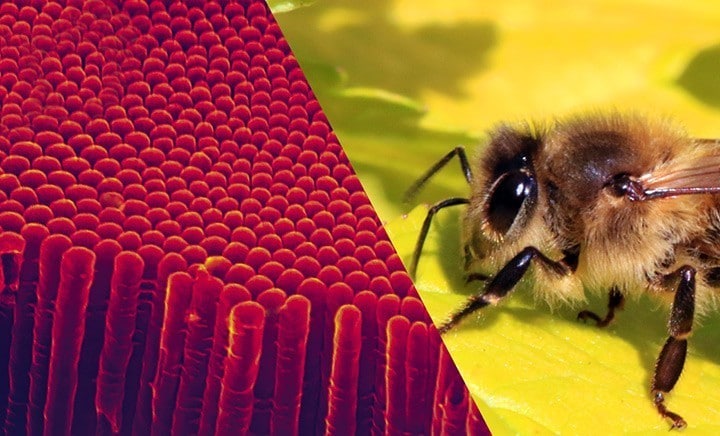
What are Nanosensors? How and Where are They Used? While few engineers need to work at the nano scale, temperature measurement with compact thermocouples is applicable across many fields.
Tagged as:Technical Learning, Get Curious
Read More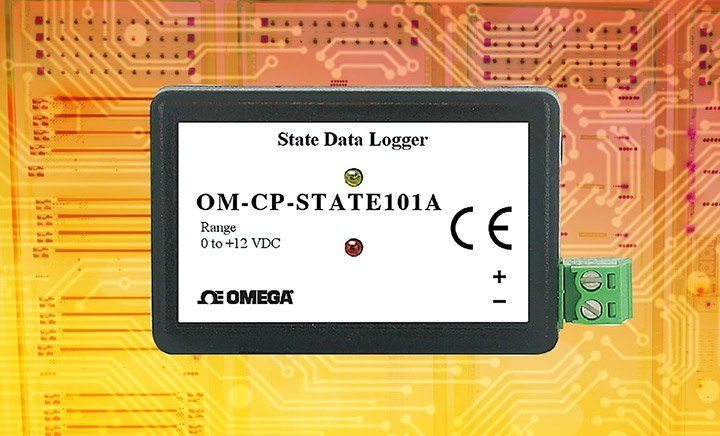
Differentiating State, Event and Pulse Data Loggers and Defining Applications Data loggers are instruments that monitor and record changes in conditions over time.
Tagged as:Technical Learning, Get Curious
Read More
Sensor Theory of Operation Omega is a reliable source for pressure transducers and load cells that provide high quality data in a myriad of processes.
Tagged as:Technical Learning, Get Curious
Read More
Custom Pressure Transducers A custom pressure transducer is a transducer that converts pressure into an analog electrical signal, often manufactured with the exact specifications required for an application.
Tagged as:Case Study, Get Curious
Read More
What is MI Cable? The basic construction provides high-temperature capability, exceptional electrical isolation, and physical protection for the conductors especially when subjected to harsh environments.
Tagged as:Technical Learning, Get Curious
Read More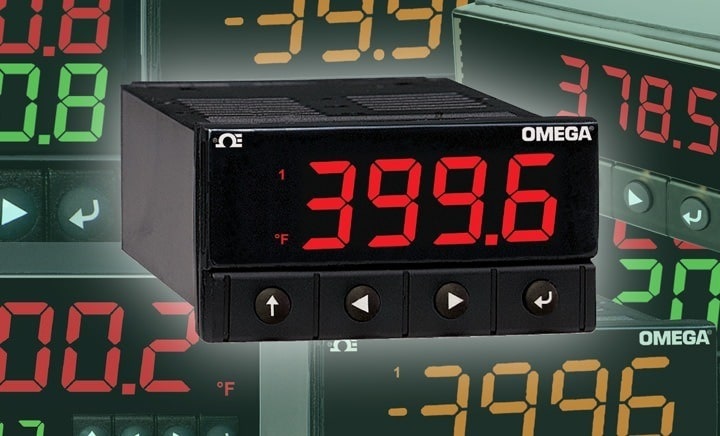
PID with Fuzzy Logic Adaptive Control—The Best of Both Worlds Proportional integral derivative (PID) control is a well established way of driving a system towards a target position or level.
Tagged as:Technical Learning, Get Curious
Read More
The importance of wind tunnel testing in the lab Failure rates for many electronic components rise with temperature.
Tagged as:Technical Learning, Get Curious
Read More
High Temperature Pressure Transducers vs. Cooling Elements Pressure measurement is often a challenging task due to the harsh environments frequently found in industrial manufacturing.
Tagged as:Technical Learning, Get Curious
Read More
Temperature Measurement in Electromagnetic Environments One of the easiest ways to measure and record temperature is with a thermocouple. Thermocouples perform reliably in most environments, tolerating temperature extremes, vibration and even ionizing radiation.
Tagged as:Technical Learning, Get Curious
Read More
M12 Temperature Sensors Temperature sensors provide an input to a system (indicator, controller or other device) that is used to determine the temperature of a specific process or location.
Tagged as:Product Info, Get Curious
Read More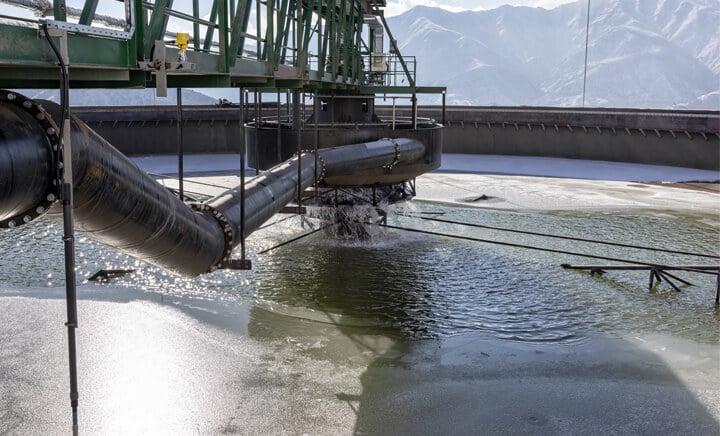
Doppler vs Transit Time Ultrasonic Flow Meters Ultrasonic flow meters are non-intrusive devices that use acoustic vibrations to measure the flow rate of liquid...
Tagged as:Technical Learning, Get Curious
Read More
Grippers A gripper is a motion device that mimics the movements of people, in the case of the gripper, it is the fingers.
Tagged as:Product Info, Get Curious
Read More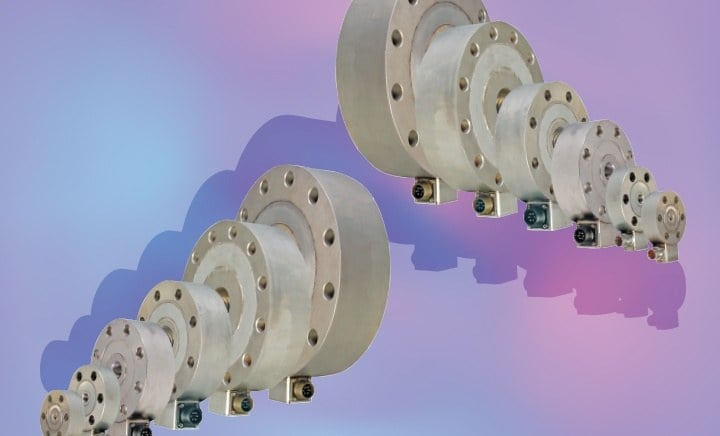
Types of Load Cells Various load cell types are preferred, relative to the needs of the laboratory or operational environment.
Tagged as:Technical Learning, Get Curious
Read More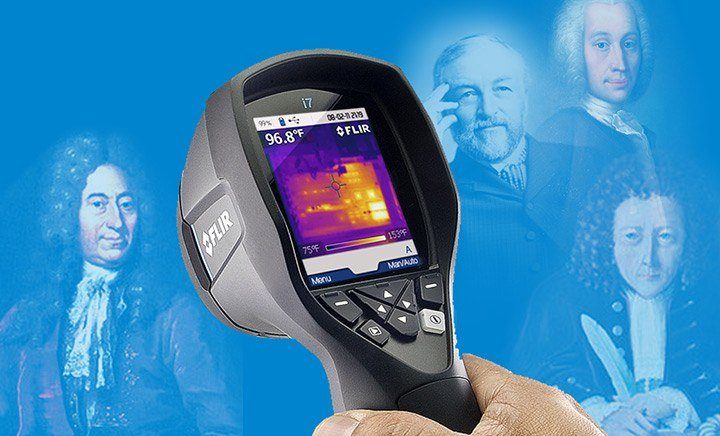
A Brief History of the Temperature Sensor The sensations of hot and cold are fundamental to the human experience, yet finding ways to measure temperature has challenged many great minds.
Tagged as:Technical Learning, Get Curious
Read More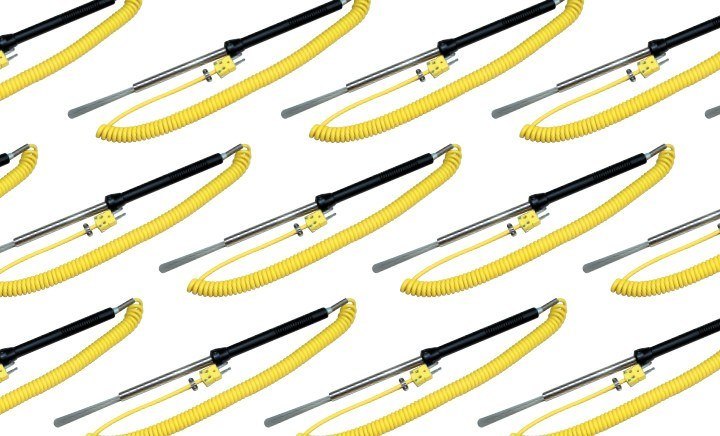
OEM Our commitment to maintaining the leading edge through research development and state-of-the art manufacturing keeps OMEGA firmly at the forefront of technology.
Tagged as:Product Info, Get Curious
Read More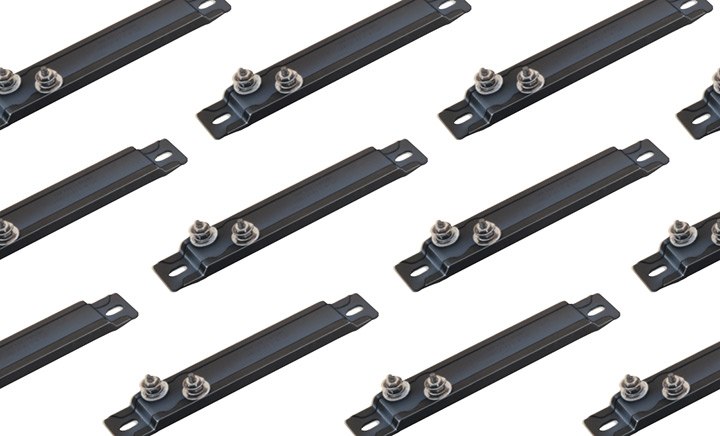
Strip Heater A strip heater is a device which is mounted on a surface and used to heat the surface or air (gasses).
Tagged as:Product Info, Get Curious
Read More
Calibrator A calibrator is an equipment used to adjust an instrument accuracy, often associated with a specific application.
Tagged as:Product Info, Get Curious
Read More
What is a Thermal Mass Flow Meter? Thermal mass flow meters measure the mass flowrate of gases and liquids directly.
Tagged as:Technical Learning, Get Curious
Read More
Understanding How Vibration Affects RTDs & Thermocouples Challenges presented to temperature measurements in the presence of vibration
Tagged as:Technical Learning, Get Curious
Read More
Applications and Benefits of Mineral Insulated Cables in Critical Processes MI cable is a specialized type of cable used in high temperatures or harsh environmental conditions because it has low flammability, even when operating at high temperatures. It resists oxidation and enables precise measurement.
Tagged as:Technical Learning, Get Curious
Read More
Cryogenic Temperature Sensors Cryogenics is the branch of physics that deals with the production and effects of very low temperatures.
Tagged as:Product Info, Get Curious
Read More
Temperature Measurement Temperature can be measured via a diverse array of sensors. All of them infer temperature by sensing some change in a physical characteristic.
Tagged as:Product Info, Get Curious
Read More
Wireless Sensors Wireless sensors are standard measurement tools equipped with transmitters to convert signals from process control instruments into a radio transmission.
Tagged as:Product Info, Get Curious
Read More
Signal Conditioning and Transmission in Temperature Measurement Output signals produced by temperature measurement sensors require conditioning to convert them to a form that can be used for further processing.
Tagged as:Technical Learning, Get Curious
Read More
Thermowell Characteristics and Selection Criteria Thermowells are used to guard temperature sensors such as thermocouples, thermistors and bimetal thermometers against damage from excessive pressure, material velocity and corrosion
Tagged as:Technical Learning, Get Curious
Read More
IC Sensors An IC Temperature Sensor is a two terminal integrated circuit temperature transducer that produces an output current proportional to absolute temperature. The sensor package is small with a low thermal mass and a fast response time
Tagged as:Product Info, Get Curious
Read More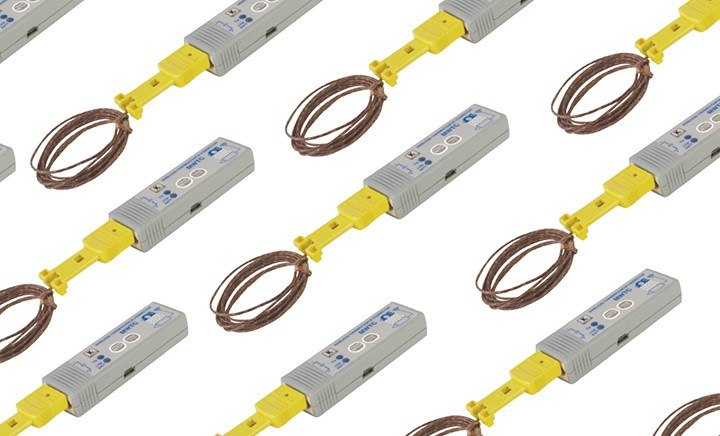
Data Acquisition In the simplest form, a technician logging the temperature of an oven on a piece of paper is performing data acquisition.
Tagged as:Product Info, Get Curious
Read More
Understanding Deadband for Pressure Switches A pressure switch consists of a sensing component and an electrical switch.
Tagged as:Technical Learning, Get Curious
Read More
Lessons about Positive Displacement Flow Meters Positive Displacement flow meters are the only flow measuring technology to directly measure the volume of fluid that passes though the flow meter.
Tagged as:Technical Learning, Get Curious
Read More
How Bright is it? Shining a light on intensity measurement Human vision depends on light. Light reflects off surfaces into the eyes, passing through the cornea and pupil to form an image on the retina.
Tagged as:Technical Learning, Get Curious
Read More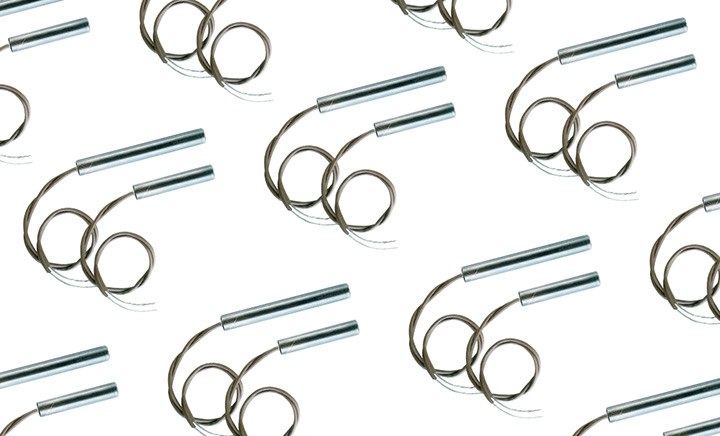
What is a Cartridge Heater and how does it work? Cartridge heaters are most frequently used for heating metal parts by insertion into drilled holes.
Tagged as:Technical Learning, Get Curious
Read More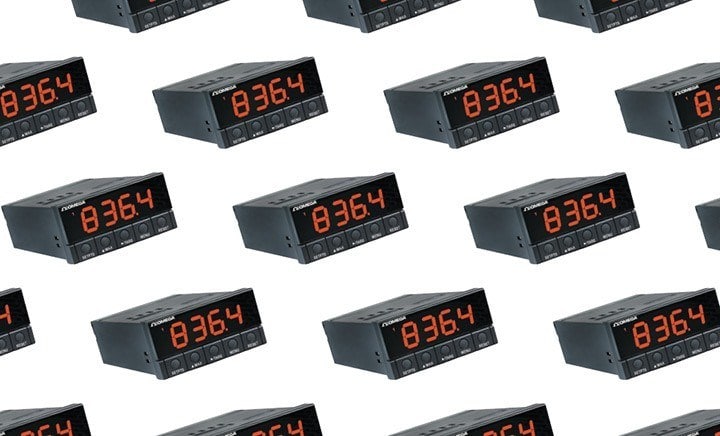
Panel Meters A panel meter is an instrument that displays an input signal in either a digital or analog form.
Tagged as:Product Info, Get Curious
Read More
What are LVDT Sensors? An LVDT is an electromechanical device used to convert mechanical motion or vibrations, specifically rectilinear motion, into a variable electrical current, voltage or electric signals, and the reverse.
Tagged as:Technical Learning, Get Curious
Read More
An Introduction to Temperature Labels Temperature labels are temperature monitors consisting of one or more small heat-sensitive indicators sealed under transparent, heat-resistant windows.
Tagged as:Product Info, Get Curious
Read More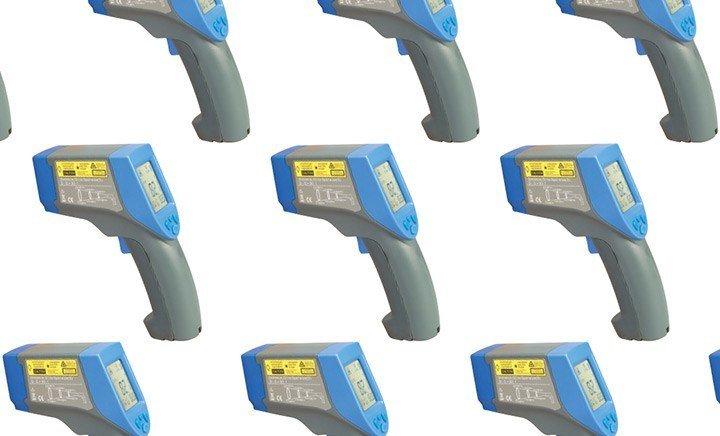
Infrared Thermometer On its most basic design an infrared thermometer consists of a lens to focus the infrared (IR) energy on to a detector.
Tagged as:Product Info, Get Curious
Read More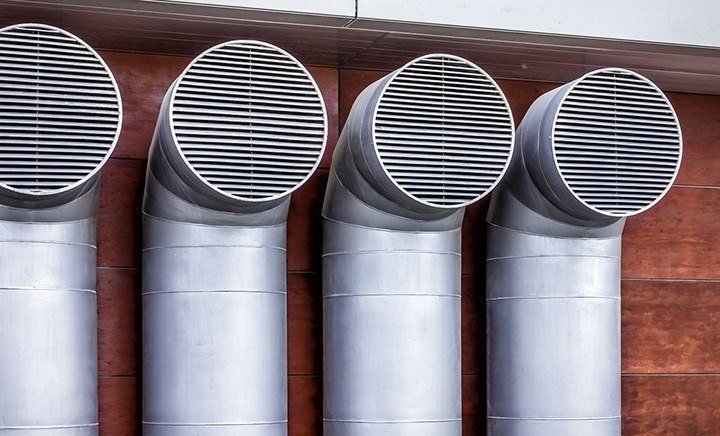
Accurate Airflow Measurement Calculating flow rates through ducts, pipes, hoods and stacks (collectively called ducts for our purposes), has never been difficult.
Tagged as:Technical Learning, Get Curious
Read More
What is a Temperature Controller? As the name implies, a temperature controller is an instrument used to control temperatures, mainly without extensive operator involvement.
Tagged as:Product Info, Get Curious
Read More
What Is A Pressure Transducer? A pressure transducer, often called a pressure transmitter, is a transducer that converts pressure into an analog electrical signal. Although there are various types of pressure transducers, one of the most common is the strain-gage base transducer.
Tagged as:Product Info, Get Curious
Read More
What is an Ultrasonic Flow Meter? An ultrasonic flow meter (non-intrusive Doppler flow meter) is a volumetric flow meter which requires particulates or bubbles in the flow.
Tagged as:Product Info, Get Curious
Read More
All About Thermistors A thermistor is an element with an electrical resistance that changes in response to temperature.
Tagged as:Product Info, Get Curious
Read More
What are Anemometers? An anemometer is an instrument used to measure the speed or velocity of gases either in a contained flow, such as airflow in a duct, or in unconfined flows, such as atmospheric wind.
Tagged as:Product Info, Get Curious
Read More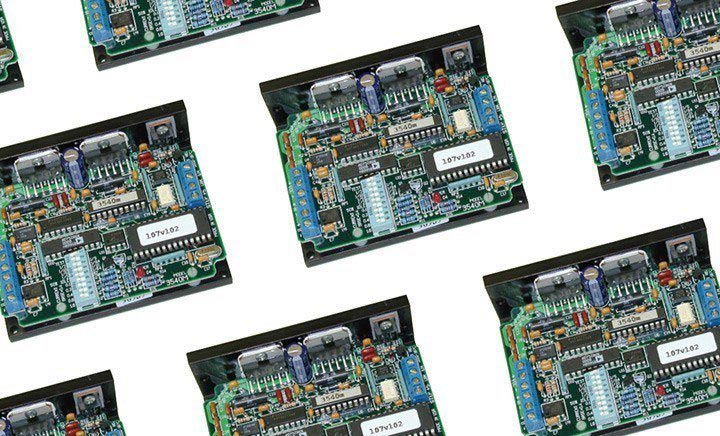
Stepper Motors A stepper motor is a brushless, synchronous electric motor that converts digital pulses into mechanical shaft rotation.
Tagged as:Product Info, Get Curious
Read More
What is an Accelerometer? An accelerometer is a device that measures the vibration, or acceleration of motion of a structure.
Tagged as:Product Info, Get Curious
Read More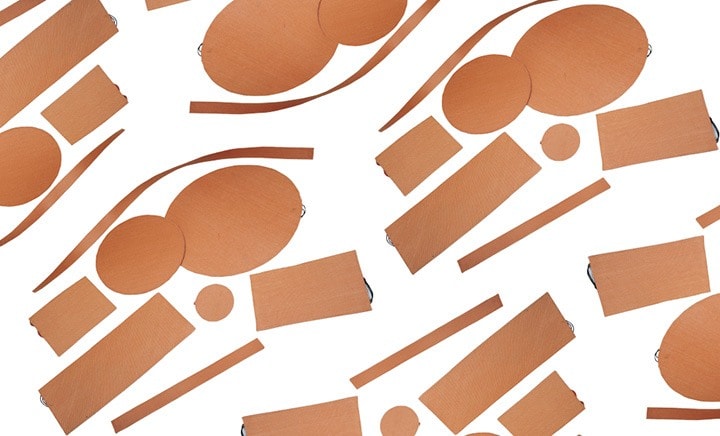
What is a Flexible Heater? A flexible heater is a device which can conform to the surface which requires heating.
Tagged as:Product Info, Get Curious
Read More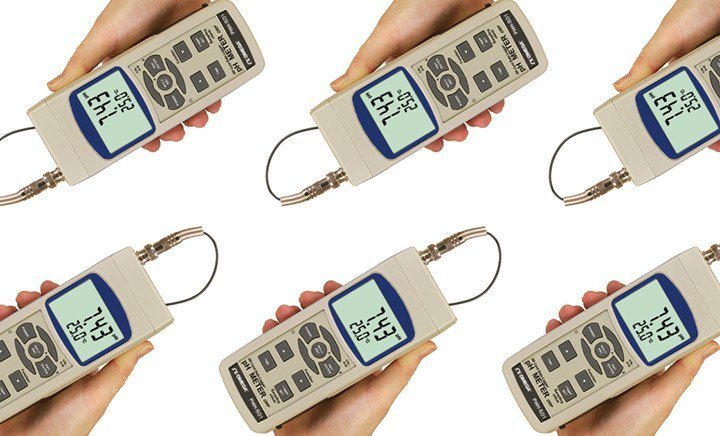
An Introduction to pH Meters A pH meter is an instrument used to measure acidity or alkalinity of a solution - also know as pH.
Tagged as:Case Study, Get Curious
Read More
What is an Intrinsically Safe Product? Fire is a hazard in many industries. Sometimes the risk is quite evident, as when flammable gasses...
Tagged as:Technical Learning, Get Curious
Read More
Industrial Heaters Electric heaters are used in a variety of processes where the temperature of an object or process needs to be increased.
Tagged as:Product Info, Get Curious
Read More
An Introduction to Level Measurement Integral to process control in many industries, level measurement sensors fall into two main types. Point level measurement sensors are used to mark a single discrete liquid height–a preset level condition.
Tagged as:Product Info, Get Curious
Read More
Immersion Heater An immersion heater is a device which is installed in a tank or container to heat a liquid. The installation can be over-the-side, flanged or threaded.
Tagged as:Product Info, Get Curious
Read More
What is a Pressure Gauge? Pressure gauges are among the most often used instruments in a plant. But because of their great numbers, attention to maintenance--and reliability--can be compromised.
Tagged as:Product Info, Get Curious
Read More