


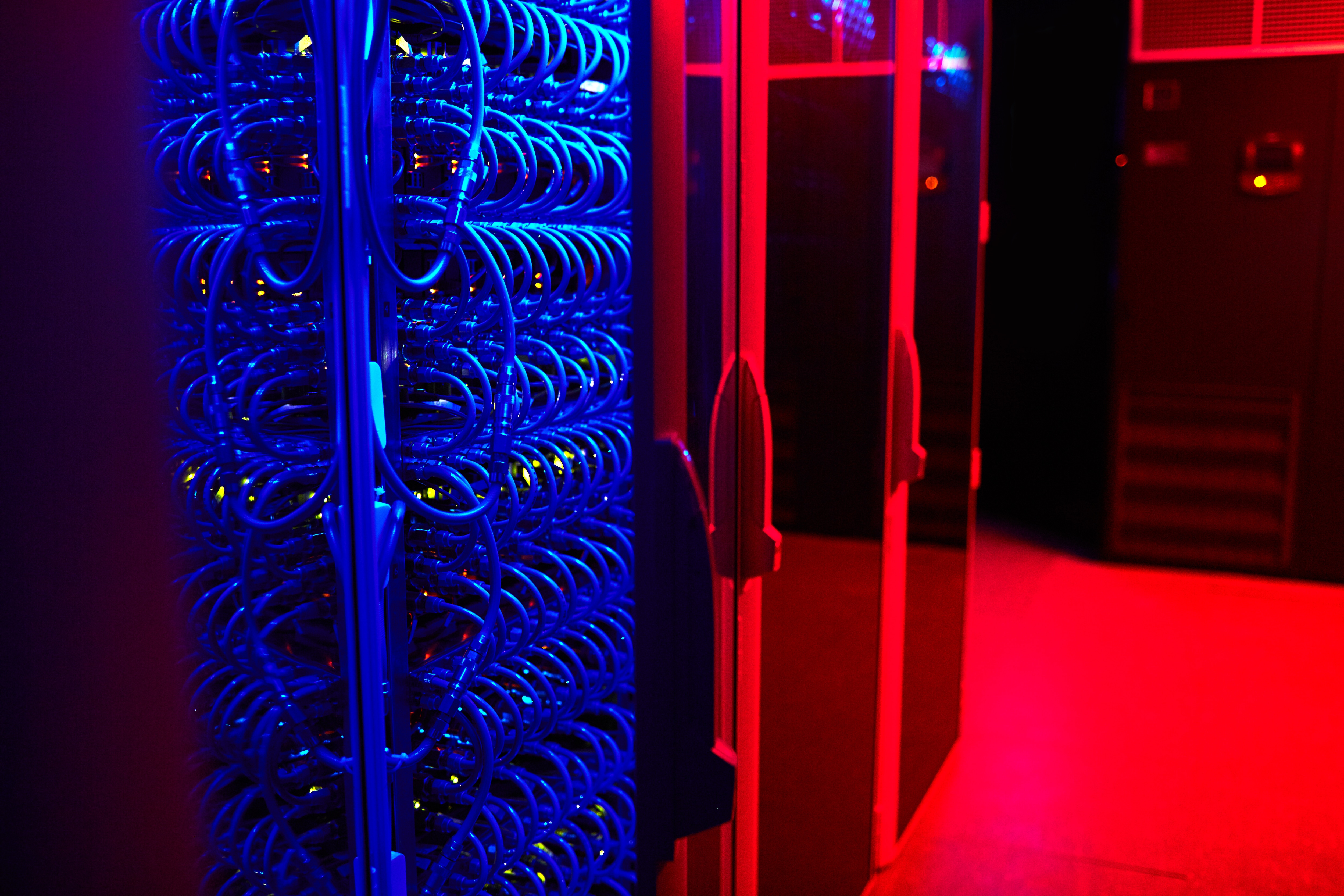
La gestione termica dei data center sta cambiando. Poiché le densità dei rack continuano ad aumentare, il tradizionale raffreddamento ad aria da solo non è più sufficiente per molte implementazioni. Le esigenze di prestazioni più elevate, i carichi di lavoro dell'IA e le installazioni edge compatte stanno spingendo il flusso di calore oltre ciò che i sistemi ad aria possono rimuovere in modo efficiente.
Il raffreddamento a liquido viene sempre più utilizzato per affrontare queste limitazioni. Le piastre di raffreddamento dirette al chip, i sistemi ad immersione e gli scambiatori di calore a porta posteriore si basano tutti sullo spostamento del refrigerante più vicino alla fonte di calore. Queste architetture migliorano l'efficienza termica e riducono il consumo di energia associato al trattamento dell'aria su larga scala.
Tuttavia, l'introduzione di liquidi negli ambienti di calcolo aggiunge complessità alla progettazione. Le prestazioni termiche dipendono non solo dagli scambiatori di calore e dalla scelta del refrigerante, ma anche da come il fluido viene instradato, controllato e isolato in tutto il sistema.
Perché l'instradamento e l'isolamento dei fluidi sono più importanti
Con l'espansione dell'adozione del raffreddamento a liquido, il ruolo dell'hardware di controllo dei fluidi diventa più critico. Le unità di distribuzione del raffreddamento (CDU), i gruppi collettori e le tubazioni nel rack richiedono una gestione precisa dei percorsi di flusso, della pressione e delle zone di isolamento.
Diverse tendenze stanno determinando requisiti più rigorosi:
- Densità di sistema più elevate aumentano l'impatto di qualsiasi interruzione del raffreddamento
- L'architettura modulare richiede un isolamento localizzato senza influire sull'intero circuito
- Le aspettative di automazione spingono verso il controllo basato su sensori e il funzionamento da remoto
- La mitigazione del rischio richiede una risposta rapida a perdite o condizioni anomale
Le valvole sono fondamentali per ciascuna di queste funzioni. Consentono una distribuzione controllata, supportano le strategie di ridondanza e forniscono limiti definiti per la manutenzione e il contenimento dei guasti.
Nei moderni progetti di data center, le valvole non sono più limitate ai punti di arresto manuale. Sono sempre più integrate in schemi di controllo automatizzati, sistemi di rilevamento delle perdite e strategie di ottimizzazione dinamica del raffreddamento.
Soluzioni innovative di DwyerOmega
1. Mini valvola a sfera in acciaio inossidabile serie SMV2: isolamento manuale compatto per spazi ristretti
Per i punti di isolamento localizzati in assemblaggi ad alta densità, le valvole a sfera compatte rappresentano una soluzione pratica. La serie SMV2 è progettata per installazioni in cui i vincoli di spazio e la resistenza alla corrosione sono le principali preoccupazioni.
Dove si adatta:

- Rubinetti di isolamento degli strumenti
- Porte di scarico e riempimento sui collettori CDU
- Impianto idraulico del refrigerante nel rack
- Interruzione del circuito derivato in gruppi di raffreddamento compatti
Perché funziona:
- Il fattore di forma compatto consente l'installazione in collettori e involucri densi
- La struttura in acciaio inossidabile 316 offre resistenza alla corrosione per un'ampia gamma di fluidi
- Le sedi in PTFE garantiscono prestazioni di tenuta costanti
- La chiusura a tenuta di bolle consente un isolamento affidabile per le operazioni di manutenzione
Specifiche principali:
- Dimensioni: da 1/8 di pollice a 1/2 pollice NPT
- Raccordi terminali: femmina x femmina, maschio x femmina
- Pressione nominale: fino a 1000 psi WOG (da 1/8 a 3/8 di pollice), 800 psi (1/2 pollice)
- Limite di temperatura: 212 °F
Questo tipo di valvola è comunemente utilizzato laddove è richiesto un isolamento manuale semplice e affidabile senza aggiungere ingombro o complessità.
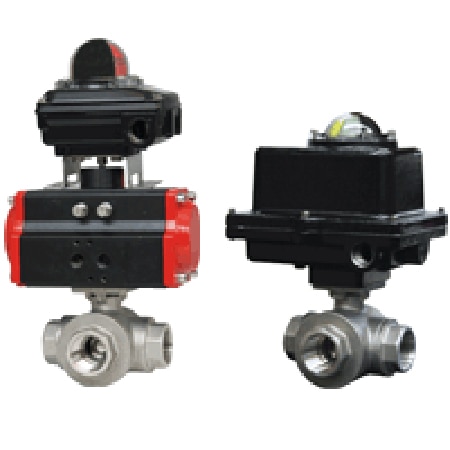
2. Valvola a sfera in ottone a 3 vie serie WE35 con attuatore: instradamento automatizzato del flusso e controllo del bypass
Man mano che i sistemi di raffreddamento diventano più dinamici, la capacità di reindirizzare automaticamente il flusso diventa preziosa. Le valvole a sfera a tre vie consentono funzioni di reindirizzamento, miscelazione o bypass all'interno di un singolo componente.
Dove si adatta:
- Instradamento dinamico del circuito di raffreddamento
- Controllo automatico del bypass
- Commutazione di ridondanza tra i circuiti
- Gestione del percorso del flusso CDU
- Bilanciamento della temperatura tramite controllo modulante
Perché funziona:
- Supporta il funzionamento automatizzato tramite attuatori elettrici o pneumatici
- Compatibile con i sistemi di automazione degli edifici (BAS)
- Consente regolazioni in tempo reale della distribuzione del flusso
- Aiuta a mantenere le prestazioni in condizioni di carico variabile
Funzionalità principali:
- Opzioni di controllo on/off e modulante
- Posizionamento da 4 a 20 mA per un controllo preciso
- Finecorsa per il feedback di stato
- Disponibili configurazioni di attuatori resistenti alle intemperie e antideflagranti
Questa categoria di valvole viene comunemente utilizzata laddove i percorsi del fluido devono cambiare in risposta alle condizioni del sistema, anziché rimanere statici.
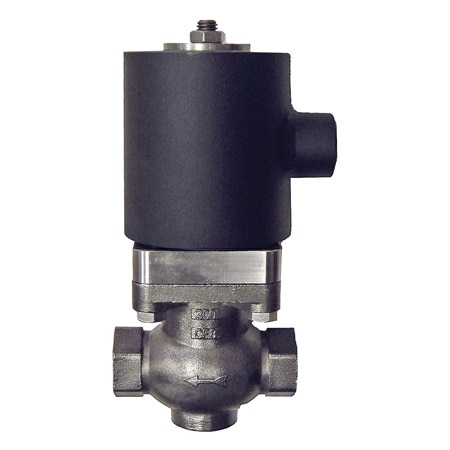
3. Elettrovalvole ad alta pressione serie SVH-140: isolamento automatizzato e a prova di guasto nei circuiti critici
Per i circuiti di raffreddamento ad alta pressione e i punti di isolamento critici per la sicurezza, le elettrovalvole ad azione diretta forniscono una risposta rapida e affidabile.
Dove si adatta:
- Arresto della CDU attivato dal rilevamento di perdite
- Isolamento del circuito di raffreddamento
- Controllo automatico del bypass
- Isolamento di emergenza del fluido in infrastrutture raffreddate a liquido
Perché funziona:
- Il design ad azione diretta non richiede alcuna pressione differenziale minima
- La configurazione normalmente chiusa supporta il comportamento fail-safe
- La struttura in acciaio inossidabile è adatta ad ambienti esigenti
- L'attuazione rapida consente una risposta rapida a condizioni anomale
Specifiche principali:
- Dimensioni: da 1/2 pollice a 2 pollici NPT
- Pressione nominale: fino a 1500 psi (modelli da 1/2 pollice)
- Materiale del corpo: acciaio inossidabile 316 (CF8M)
- Involucro: classificazione NEMA 4/7
- Opzioni di tensione: 12/24 VDC, 120/240 VAC
- Varianti specializzate: criogenica e a ossigeno pulito
Queste valvole sono spesso integrate con sistemi di rilevamento delle perdite per isolare automaticamente le sezioni interessate.
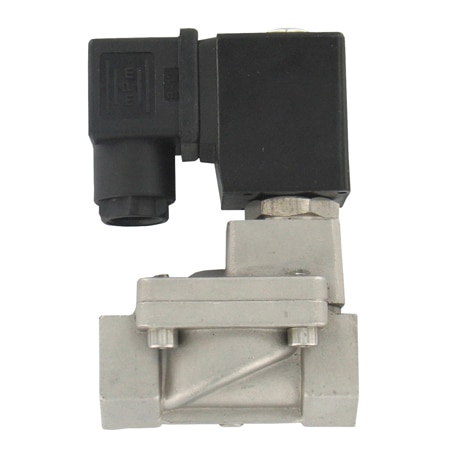
4. Elettrovalvola compatta in acciaio inossidabile Serie SBSV-S: isolamento delle perdite a risposta rapida
Per i sistemi in cui la riduzione al minimo dei danni è una priorità, le elettrovalvole compatte vengono utilizzate per interrompere il flusso immediatamente dopo il rilevamento di una perdita o di un guasto del sistema.
Dove si adatta:
- Sistemi automatizzati di arresto in caso di perdite
- Gruppi di protezione CDU
- Strategie di contenimento secondario
- Isolamento di emergenza del refrigerante
Perché funziona:
- Il design normalmente chiuso garantisce un funzionamento a prova di guasto
- L'ingombro ridotto consente l'installazione vicino ai punti di rischio
- La struttura in acciaio inossidabile supporta la compatibilità con il refrigerante
- La risposta rapida riduce il volume di rilascio del fluido
Specifiche principali:
- Dimensioni: da 1/8 di pollice a 2 pollici NPT
- Materiale: acciaio inossidabile
- Involucro: NEMA 13
- Montaggio: orientamento universale
- Compatibilità con i fluidi: acqua e liquidi simili
Queste valvole sono particolarmente efficaci se abbinate a sensori di rilevamento delle perdite per formare sistemi di protezione autonomi.
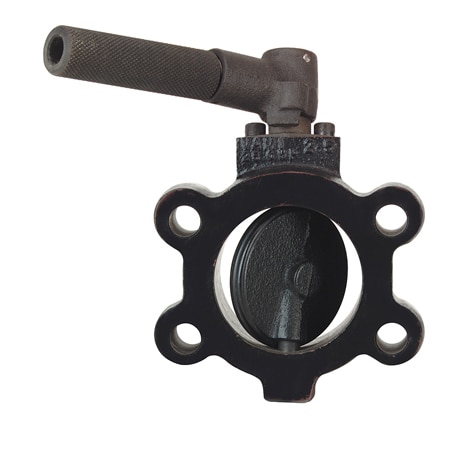
5. Valvole a farfalla serie SAE: isolamento a bassa pressione per sistemi ausiliari
Non tutti i sistemi fluidi all'interno o intorno a un data center funzionano ad alta pressione. I sistemi ausiliari e di servizio spesso richiedono un isolamento semplice ed economico.
Dove si adatta:
- Sistemi di supporto industriale adiacenti ai data center
- Isolamento del serbatoio a bassa pressione
- Isolamento per manutenzione in sistemi skid
- Sistemi idrici di servizio e di processo
Perché funziona:
- Progettati per il servizio idraulico a bassa pressione
- Tenuta ermetica alle condizioni nominali
- La struttura semplice favorisce l'affidabilità nei circuiti non critici
Specifiche principali:
- Collegamenti flangiati SAE J518
- Valutazione di chiusura a tenuta di bolle da 25 psi
- Struttura in ghisa
- Blocco a scatto per il controllo della posizione
Queste valvole vengono in genere utilizzate al di fuori dei circuiti di raffreddamento primari, dove i requisiti di pressione e risposta sono meno rigorosi.
DwyerOmega | Blog | Che cos'è un manometro?
Scritto da: Dan Schultz
Aggiornato il: 30 ottobre 2025

Capire il significato di "intrinsecamente sicuro"
Scritto da:
Dan Schultz
Pubblicato il: 30 marzo 2026