


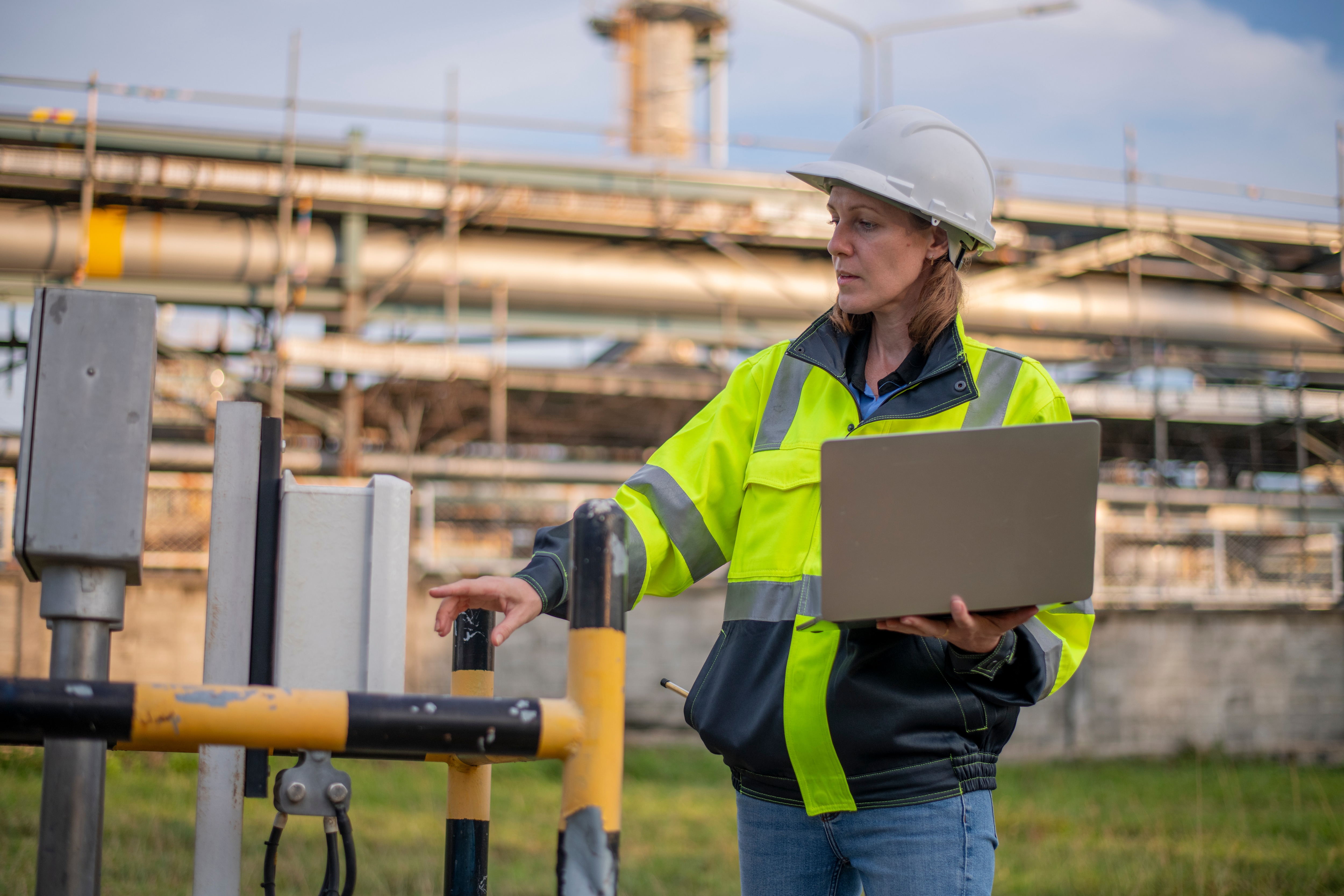
Chart recorders are some of the most established tools in process measurement, offering simple and intuitive ways to visualize data over time. While digital monitoring and recording systems are now widespread, even traditional paper recorders continue to serve practical roles where ease of use, reliability, and continuous visual feedback are priorities.
What is a Chart Recorder?
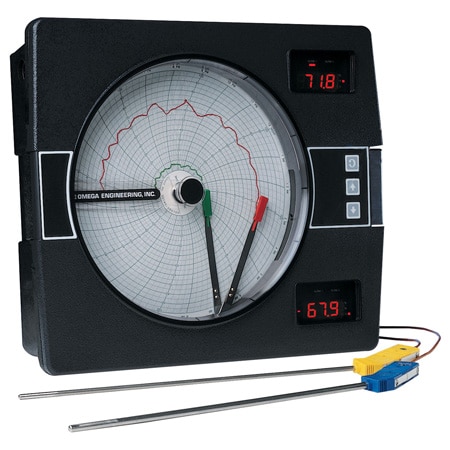
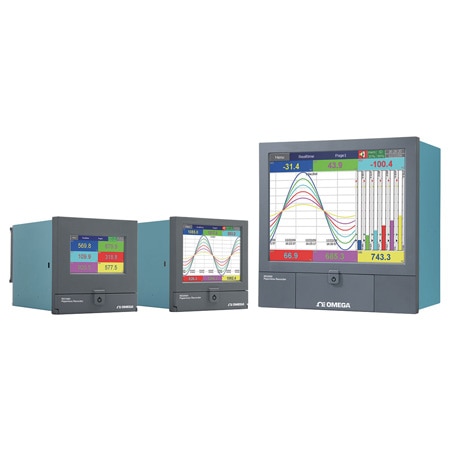
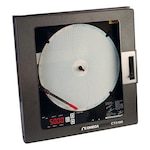
A chart recorder is an instrument used to record process or electrical signals in a time-based format. Traditionally, this involved a mechanical system where paper moves beneath a pen. The pen deflects in proportion to the measured signal, creating a continuous trace.
The result is a direct, visual representation of process behavior, captured as a graph that shows how a variable changes over time.
Chart recorders are available in several configurations:
- Single-channel or multichannel (multiple pens or traces)
- Circular or strip chart formats
- Analog, digital, or hybrid systems
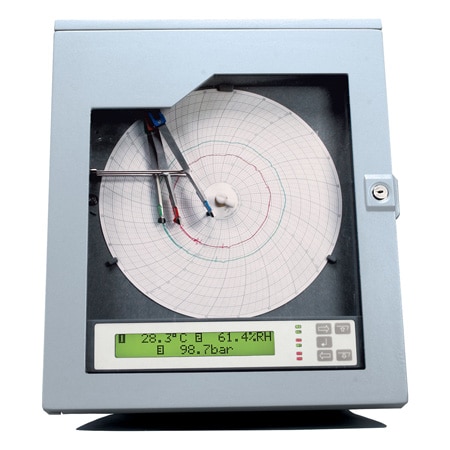
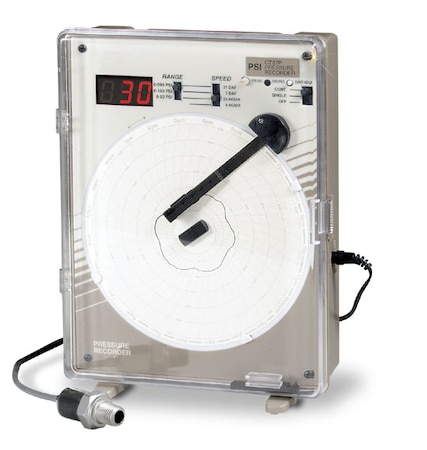
High-Quality Recorders from DwyerOmega
Where are Chart Recorders Used?
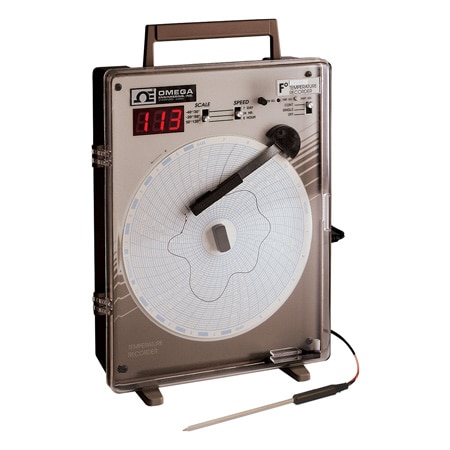
Chart recorders are widely used across industrial and laboratory environments where tracking process stability and trends are essential.
Industrial Applications
In manufacturing and process environments, chart recorders are commonly used to monitor:
- Temperature
- Pressure
- Flow
- pH
- Humidity
Laboratory Use
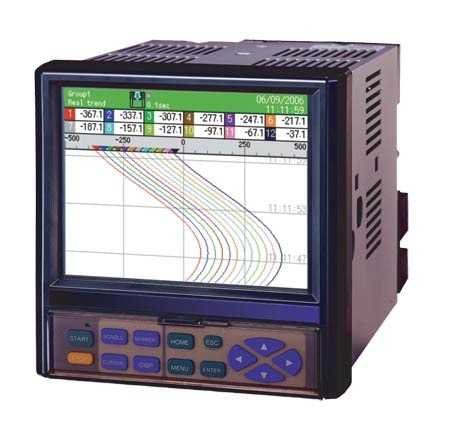
In laboratory settings, chart recorders are used to capture data generated during:
- Testing and diagnostics
- Experimental procedures
- Statistical analysis
- Engineering validation work
When a Chart Recorder Makes Sense in a Digital World
Despite the availability of advanced digital systems, chart recorders remain relevant in specific scenarios. They are particularly well suited when:
- The number of variables is limited
- A full PC-based or networked system is not required
- Operators benefit from a continuous visual display of data
- Simplicity and reliability are priorities
Chart recorders continue to offer value by focusing on core measurement needs: clear visualization, dependable recording, and straightforward operation. While they may not replace digital systems in complex or highly networked environments, they remain a practical choice where simplicity, visibility, and direct access to process data are priorities.
Innovative Solutions from DwyerOmega
iServer 2 Virtual Chart Recorder
For applications that require more flexibility than traditional paper-based systems, the iServer 2 Virtual Chart Recorder provides a modern, digital alternative to chart recording.
The iServer 2 Series operates as a virtual chart recorder with a built-in webserver, allowing users to view live data and trends through a standard web browser. This eliminates the need for dedicated software while maintaining continuous visibility of process conditions.
Designed for industrial environments, the probe variant features a compact, stainless-steel housing and supports Omega Link Smart Probes for temperature and other measurements. Data can be stored internally for extended periods, with capacity supporting long-term trend analysis.
Key capabilities include:
- Live web-based charting for real-time monitoring
- Internal data logging with long-duration storage
- Configurable alarms and notifications via email or text
- Built-in digital I/O and relay outputs for local control
- Edge control functionality for autonomous decision-making
- Power over Ethernet (PoE) and battery backup for continuity during outages
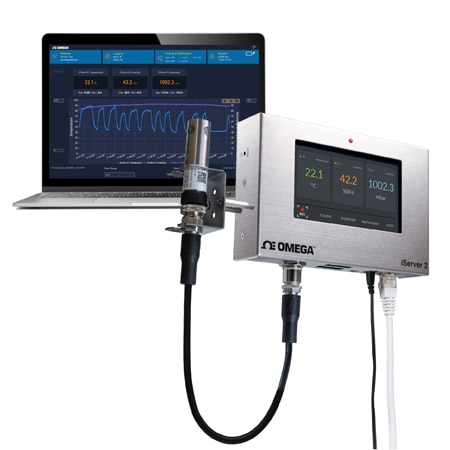
For users evaluating when a chart recorder makes sense, the iServer 2 extends the concept into a digital format, combining continuous visualization with modern connectivity and control.
Data Acquisition: DAQ System Introduction to Data Acquisition Systems
Remote Process Monitoring and Control Introduction to Remote Monitoring