


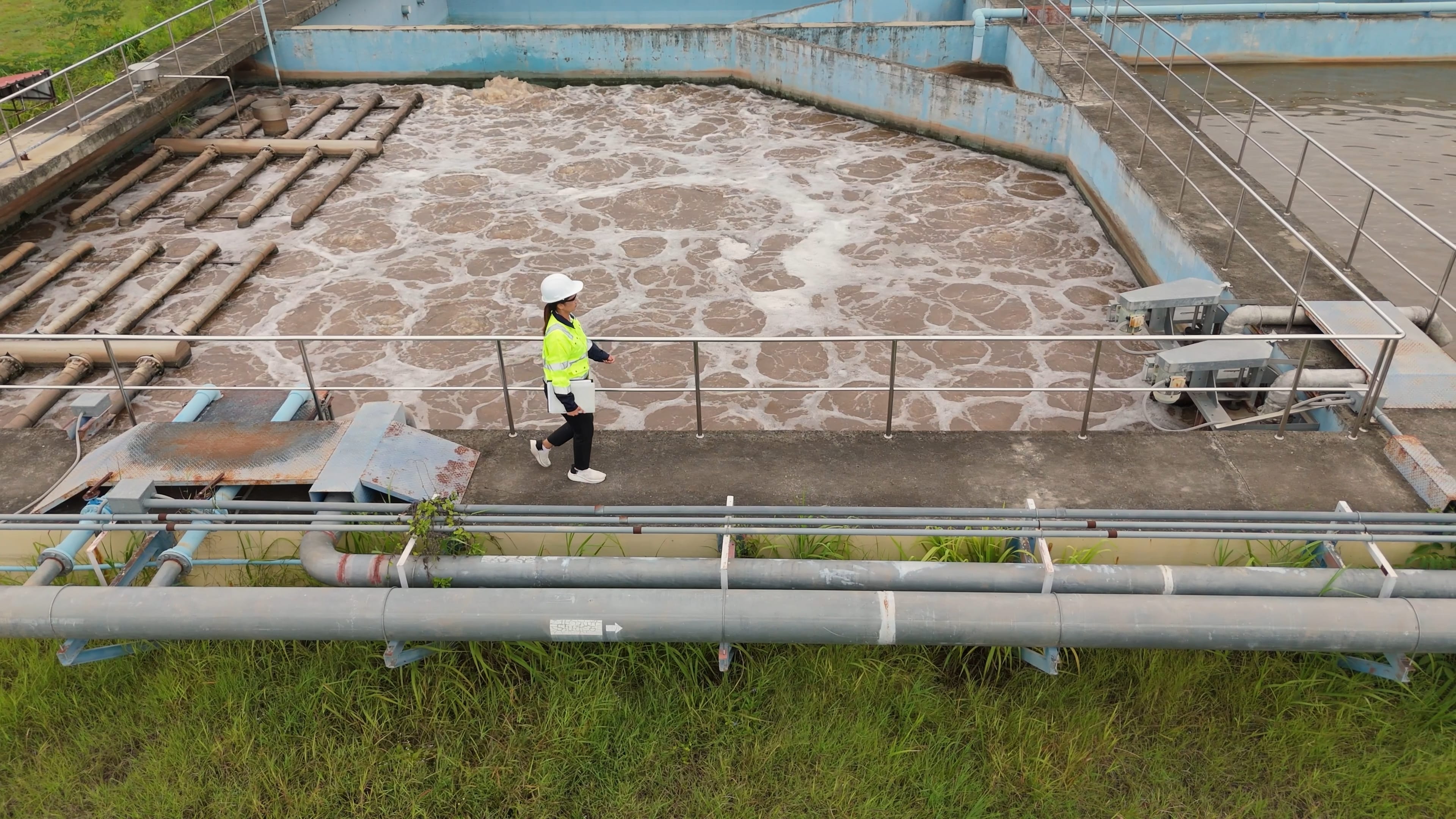
Wastewater plants that use an activated sludge process rely on microorganisms to break down organic matter and other pollutants that would not settle on their own. In the aeration tanks, oxygen supports microorganisms as they convert these materials into biological floc. The floc then settles in the final clarifiers, separating the treated water from the concentrated biomass.
Maintaining the right balance of food, oxygen, and microorganism activity is essential for consistent treatment performance. To sustain that balance, a portion of the settled sludge is pumped from the final clarifiers back to the aeration tanks. This recycled material is called return activated sludge, or RAS.
Accurate RAS flow measurement is critical because it helps wastewater professionals maintain the biological balance required for consistent treatment performance.
Why RAS Flow Measurement Matters
RAS is typically returned to the aeration tanks using variable-speed centrifugal pumps. Measuring the flow through these lines helps operators regulate the amount of biomass returned to the biological treatment process.
The appropriate RAS flow rate depends on several operating conditions, including:
- Influent flow and organic loading
- Mixed liquor suspended solids
- Settled sludge characteristics
- Dissolved oxygen levels
- Laboratory analysis of microorganism health
- Aeration-tank and clarifier performance
The Challenge of Magnetic Flow Meters
Magnetic flow meters are often used in wastewater applications because they can measure conductive liquids and slurry-like fluids. However, their performance can be affected by installation conditions and electrical disturbances.
Electrical interference from nearby motors, variable-frequency drives, pumps, cables, or other equipment may contribute to unstable or inconsistent readings if the meter installation is not properly designed, grounded, and shielded. Troubleshooting these issues can be difficult, particularly when the flow meter is installed on an existing pipeline.
When measurement reliability becomes a recurring problem, wastewater facilities are often forced to evaluate alternative flow-measurement technologies.
Ultrasonic Flow Meters: An Alternative Solution
Ultrasonic flow meters measure flow using sound waves that travel through the fluid or along the pipe. Because the measurement principle is different from electromagnetic flow measurement, an ultrasonic meter may provide an effective alternative in applications where electrical interference is a concern.
Depending on the meter design, ultrasonic technology may measure flow using:
- Transit-time measurement
- Doppler measurement
- A combination of ultrasonic measurement methods
Benefits for Wastewater Treatment Facilities
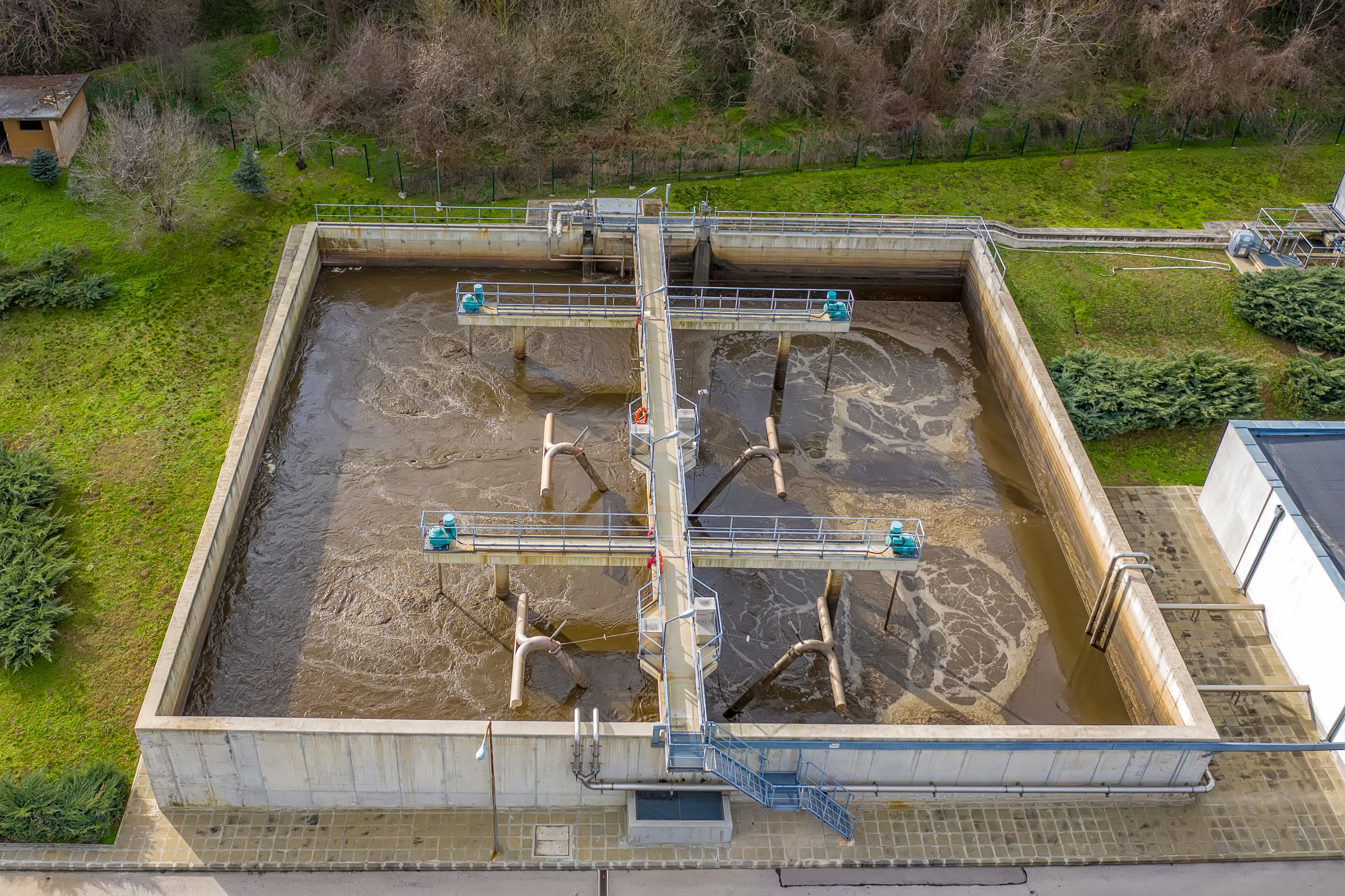
An ultrasonic flow meter may offer several advantages for RAS flow measurement:
- Reduced sensitivity to certain electrical-interference issues
- Nonintrusive or externally mounted installation options for compatible models
- No need to cut into the existing pipeline for some clamp-on installations
- Minimal process disruption during installation
- Compatibility with common industrial control signals, including 4–20 mA
- Useful measurements for variable-speed pump control and process monitoring
- Suitability for retrofit projects on existing pipelines
Innovative Solutions from DwyerOmega
Series FDT-25W Wall-Mount Ultrasonic Flow Meter

The Series FDT-25W wall-mount ultrasonic flow meter is a permanent, clamp-on instrument designed for non-invasive measurement in closed-pipe systems. Its wall-mounted transmitter uses remote transducers and transit-time technology to calculate fluid velocity without cutting pipes, installing flanges, or introducing wetted components.
The Series FDT-25W wall-mount ultrasonic flow meter is well suited for lift stations, pump discharge lines, HVAC systems, chilled water loops, plant sub-metering, water conservation projects, and industrial processes. It supports metallic, plastic, and rubber pipes and can measure water, sewage with limited suspended solids, industrial effluent, chemicals, solvents, alcohol, beer, and various oils.
Key Features:
- ±1% accuracy at flow rates above 0.2 m/s
- Non-invasive clamp-on installation with no process interruption
- Standard and high-temperature transducers for process temperatures up to 160°C
- Pipe-size coverage from DN15 to DN6000
- 4–20 mA, RS-485, RS-232, frequency, pulse, and OCT outputs
- Built-in data recording with storage capacity of up to five years
- V-, W-, and Z-method transducer configurations
- Wall-mounted enclosure measuring 210 × 251 × 96 mm
Series UFM2 Compact Ultrasonic Flow Meters
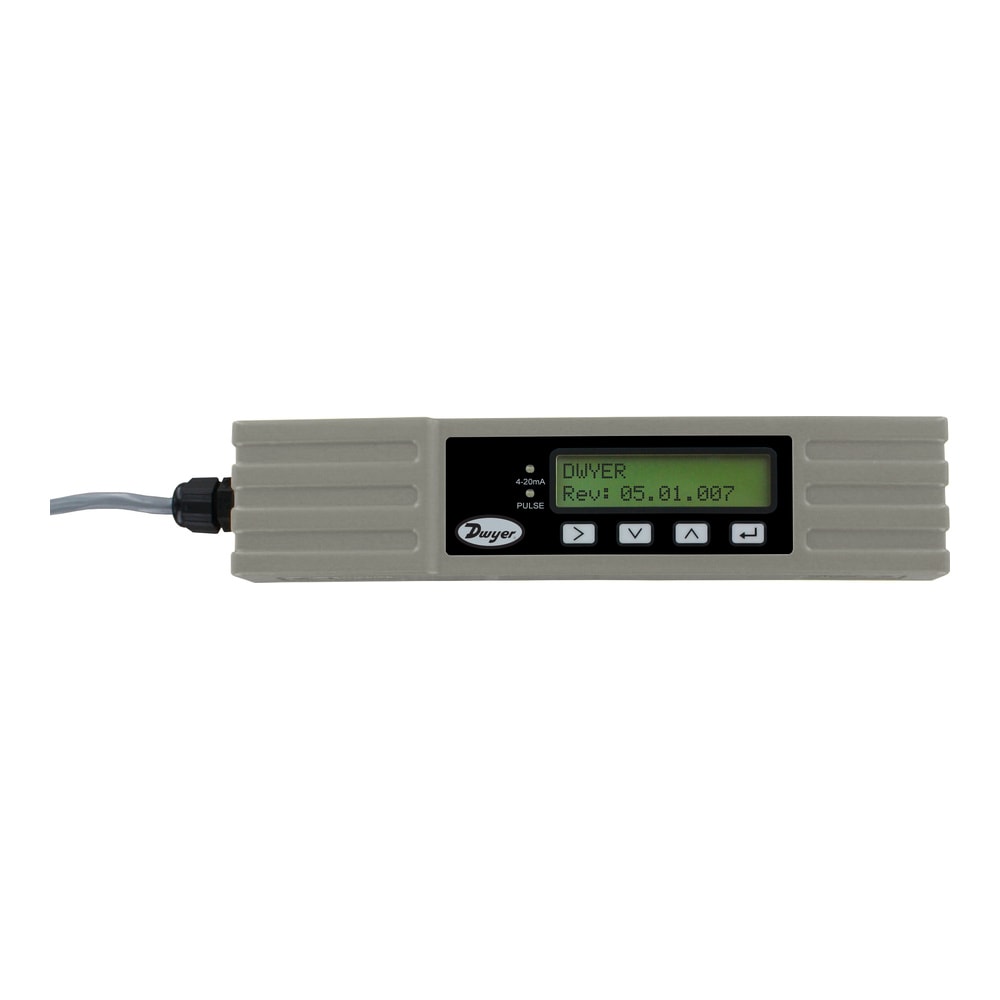
The Series UFM2 compact ultrasonic flow meter provides non-invasive flow measurement for clean-water applications. Using transit-time technology, the Series UFM2 compact ultrasonic flow meter uses clamp-on sensors to measure flow rate and velocity from outside the pipe, reducing installation costs and eliminating the need to cut into the piping system.
The Series UFM2 compact ultrasonic flow meter is designed for hot water, chilled water, potable water, process water, and ultra-pure water systems. It is compatible with steel, copper, and plastic pipes without internal linings and supports pipe outside diameters from 25 to 180 mm.
Key Features:
- ±3% flow-reading accuracy above 0.3 m/s
- Flow velocity range of 0.1 to 10 m/s
- Non-invasive clamp-on installation
- 4–20 mA analog output and isolated pulse output
- 32–185°F process temperature range
- 32–122°F ambient temperature range
- IP54 polycarbonate enclosure
- Backlit two-line display
- Optional NIST-traceable calibration certificate
Series UFM-DWG Clamp-On Transit-Time Ultrasonic Flow Meter

The Series UFM-DWG clamp-on transit-time ultrasonic flow meter is a bidirectional instrument designed to measure the flow rate, total volume, and velocity of clean water without cutting or tapping the pipe. Its transit-time technology uses externally mounted transducers to calculate flow based on the difference between upstream and downstream ultrasonic signals.
The Series UFM-DWG clamp-on transit-time ultrasonic flow meter supports applications including building automation, water distribution, chilled-water systems, boiler feed water, condenser water, reclaimed water, and wastewater collection. It is available with multiple transducer types, mounting configurations, displays, communication protocols, and cable lengths.
Key Features:
- Bidirectional flow measurement
- Flow velocity range of 0.03 to 12 m/s
- ±1% accuracy with the appropriate transducer configuration
- Suitable for pipe sizes from approximately 2.5 to 10 inches
- IP66 polycarbonate transmitter enclosure
- Optional backlit display with membrane keypad
- 0–20 mA and 4–20 mA analog outputs
- Frequency, pulse, alarm, Modbus RTU, and BACnet MS/TP connectivity
- Optional AquaCUE and BEACON cellular endpoint connectivity
- IP54, IP67, and IP68 transducer options
Series FDT-25 Portable Digital Ultrasonic Flow Meter Kit

The Series FDT-25 portable digital ultrasonic flow meter is a clamp-on instrument designed for temporary or field-based measurement of liquid flow in closed conduits. The Series FDT-25 portable digital ultrasonic flow meter uses externally mounted transducers to calculate flow velocity through transit-time measurement, allowing technicians to measure flow without cutting pipes, interrupting the process, or installing wetted components.
The Series FDT-25 portable digital ultrasonic flow meter is suitable for clean water, seawater, wastewater, chemical liquids, oils, crude oil, alcohol, beer, and other compatible fluids. Its interchangeable transducers support a wide range of pipe sizes, materials, installation methods, and process temperatures.
Key Features:
- ±1% accuracy at flow rates above 0.2 m/s
- Bidirectional velocity measurement up to ±32 m/s
- Pipe-size coverage from DN15 to DN6000
- Standard transducers for temperatures up to 90°C
- High-temperature transducers for temperatures up to 160°C
- V-, W-, Z-, and N-method mounting configurations
- Built-in rechargeable battery with more than 10 hours of operation
- Data logger capable of storing more than 2,000 lines of data
- Four seven-digit flow totalizers
- RS-232, frequency, totalizer pulse, and OCT outputs
- Supplied with transducers, cables, clamps, ruler, charger, carrying case, and acoustic gel
Installation Considerations
Before selecting an ultrasonic flow meter for an RAS line, wastewater professionals should review the application with the manufacturer or an experienced instrumentation specialist.
Important considerations include:
- Pipe diameter and material
- Pipe-wall thickness and lining
- Sludge solids concentration
- Presence of air bubbles or gas
- Expected minimum and maximum flow rates
- Available straight-run piping
- Pumping and flow-profile conditions
- Required output signals and control-system compatibility
- Accessibility for installation and maintenance
FAQs
Answer: Return Activated Sludge (RAS) is a portion of settled biological sludge that is pumped from final clarifiers back to the aeration tanks. Returning this material helps maintain the microorganism concentration needed for biological treatment.
Answer: RAS flow measurement helps operators control the amount of biomass returned to the aeration process. This supports the desired food-to-microorganism balance and helps maintain consistent treatment performance.
Answer: Electrical interference, grounding issues, signal-cable problems, and nearby equipment can contribute to unstable readings in some magnetic flow-meter installations. The specific cause should be evaluated by a qualified technician or instrumentation specialist.
Answer: They can be suitable, but selection depends on the sludge characteristics, solids concentration, entrained air, pipe material, pipe size, and flow conditions. A manufacturer should confirm compatibility for the specific application.
Answer: Some externally mounted clamp-on ultrasonic flow meters can be installed without cutting into the pipe or interrupting service. Installation requirements vary by model and application.
Answer: Many treatment-plant flow meters provide a 4–20 mA output for connection to a PLC, SCADA system, or other process-control equipment. Additional communication protocols may also be available depending on the model.
DwyerOmega | Blog | What are Anemometers?
Written by: Dan Schultz
Published on: April 17, 2026