


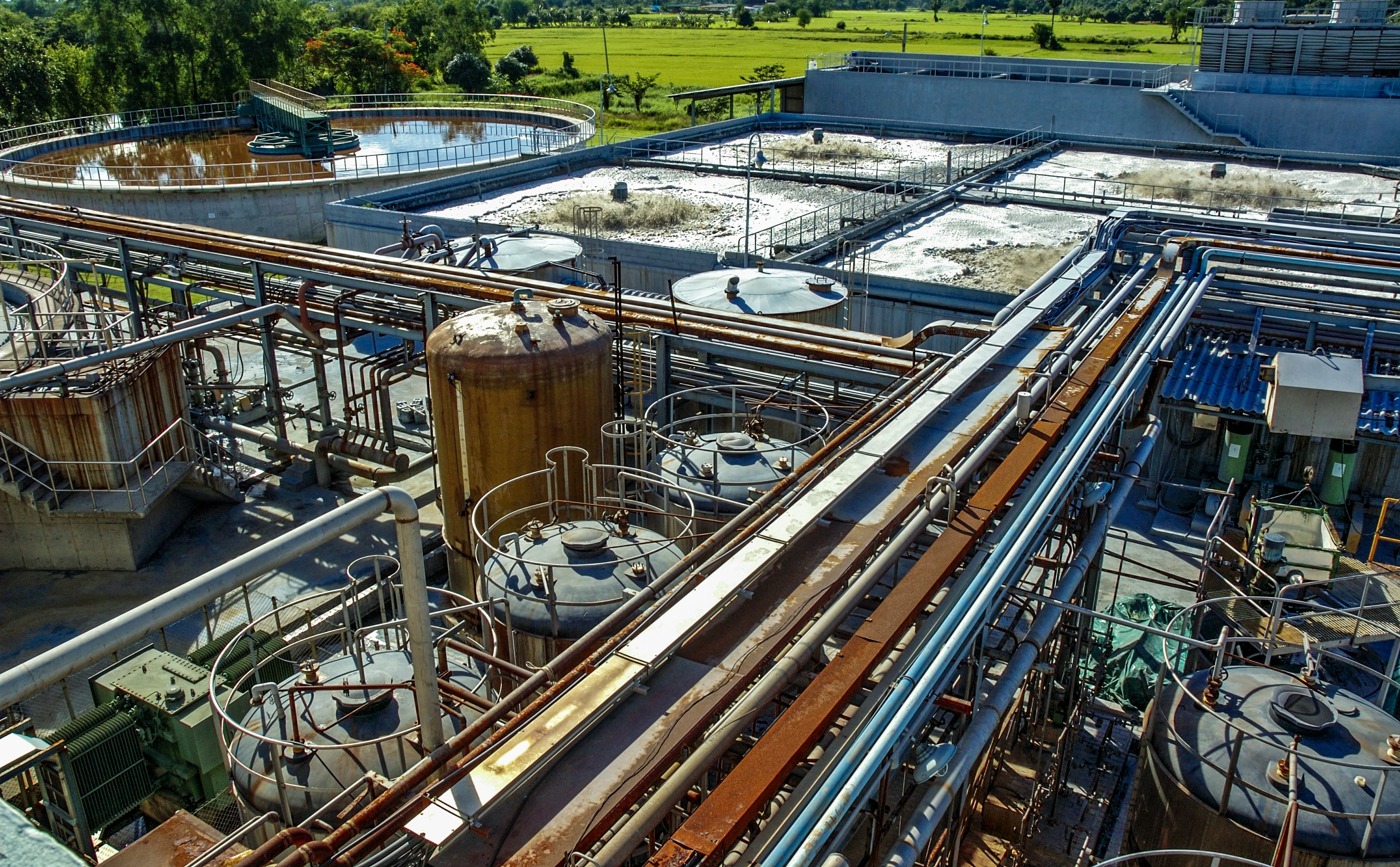
Anaerobic digestion is a biological process that converts organic waste into renewable energy and nutrient-rich byproducts. In the absence of oxygen, naturally occurring microorganisms break down biodegradable materials inside a sealed vessel called an anaerobic digester. As these microorganisms digest the organic matter, they produce two valuable outputs: biogas, a methane-rich renewable fuel, and digestate, the remaining solid and liquid material that can often be further processed for beneficial use.
Anaerobic digesters are used to process a wide variety of organic feedstocks. Common materials include wastewater biosolids, livestock manure, food processing waste, agricultural residues, and other biodegradable organic materials. The design and size of a digester vary depending on the application, the characteristics of the feedstock, and the desired biogas production, but all operate on the same fundamental principle: creating a controlled, oxygen-free environment where microbial communities can efficiently convert organic waste into usable products.
Innovative Solutions from DwyerOmega
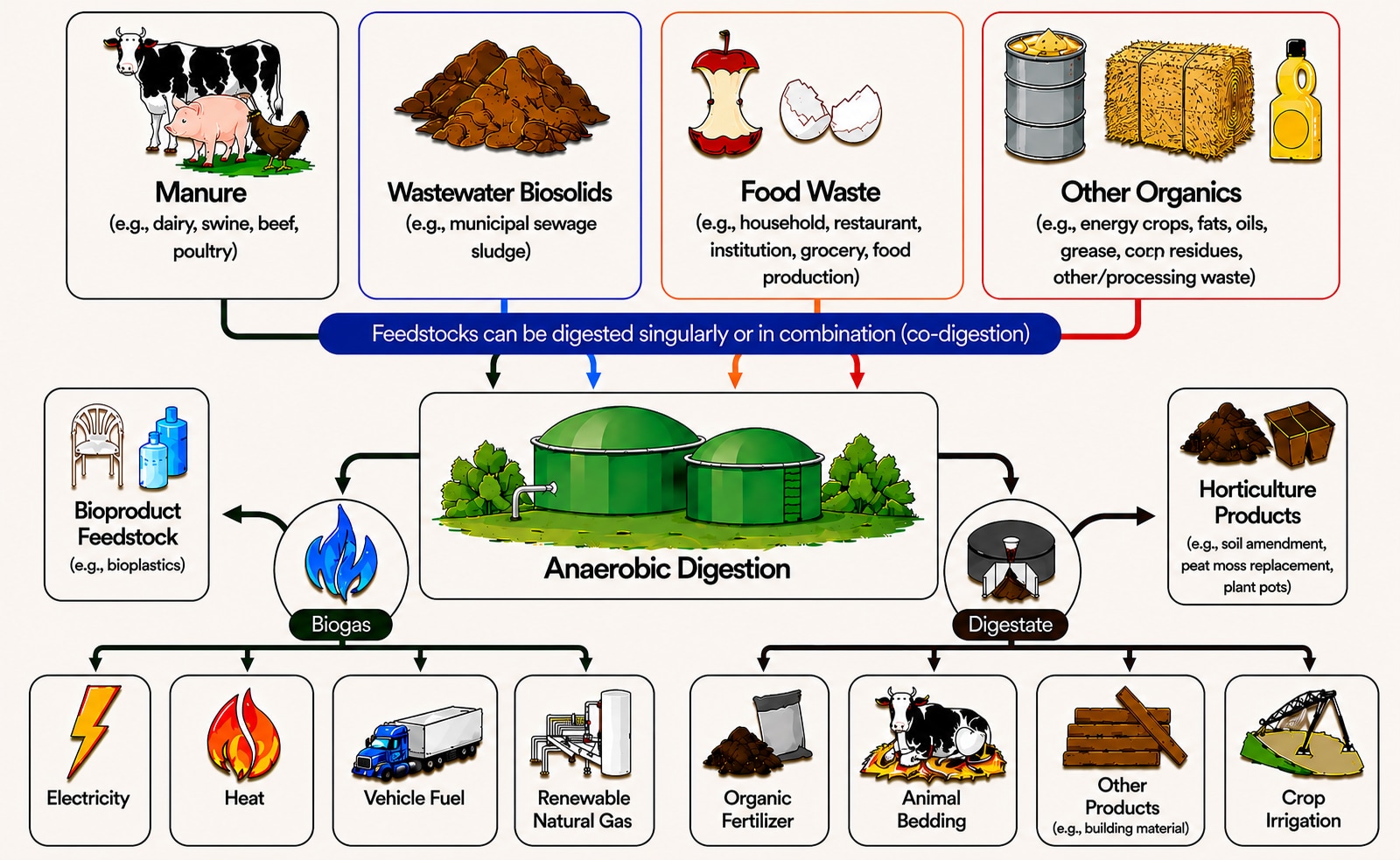
Many facilities also practice co-digestion, in which multiple organic materials are processed together in the same digester. Combining feedstocks such as manure; food waste; crop residues; energy crops; and fats, oils, and grease (FOG) can improve overall digester performance by balancing nutrient content and increasing the amount of biogas generated. Co-digestion also provides an effective way to divert organic waste from landfills while recovering additional renewable energy.
The following illustration shows how organic feedstocks move through an anaerobic digestion system to produce biogas and digestate.
Common Applications of Anaerobic Digestion
Municipal Wastewater Treatment
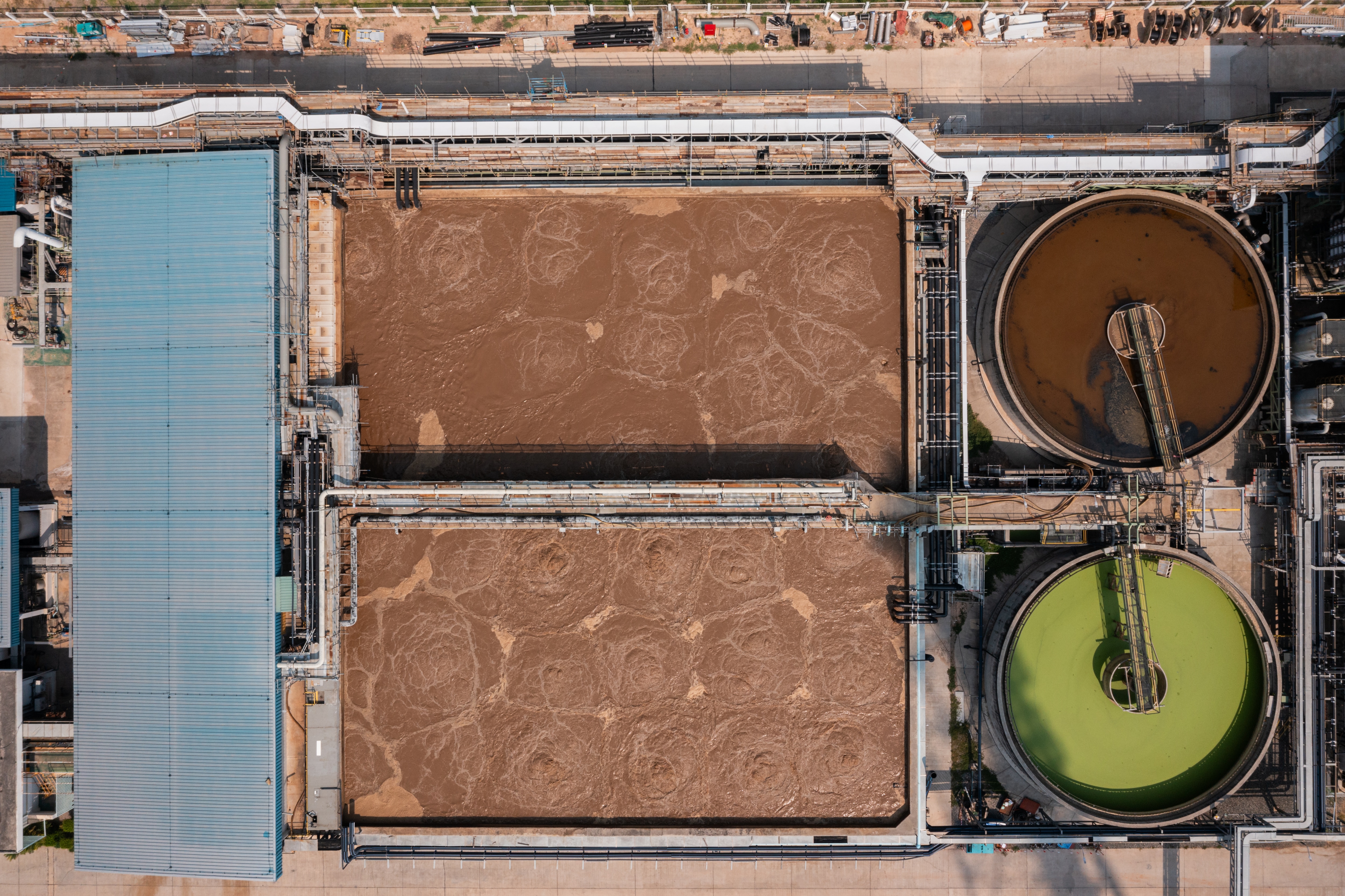
Municipal wastewater treatment plants commonly use anaerobic digesters to stabilize wastewater biosolids generated during the treatment process. As microorganisms break down the organic material, the volume of solids is reduced while methane-rich biogas is produced for beneficial use. Many facilities capture this biogas to generate electricity, provide process heat, or offset energy costs throughout the treatment plant.
To maintain consistent biological activity, digesters are typically heated using a closed-loop hot water or glycol system. Heat is transferred through an external or internal heat exchanger while sludge recirculation systems continuously mix the contents to promote uniform temperature distribution. Some facilities also preheat incoming sludge before it enters the digester to minimize thermal disturbances.
Agriculture, Food Processing, and Industrial Waste
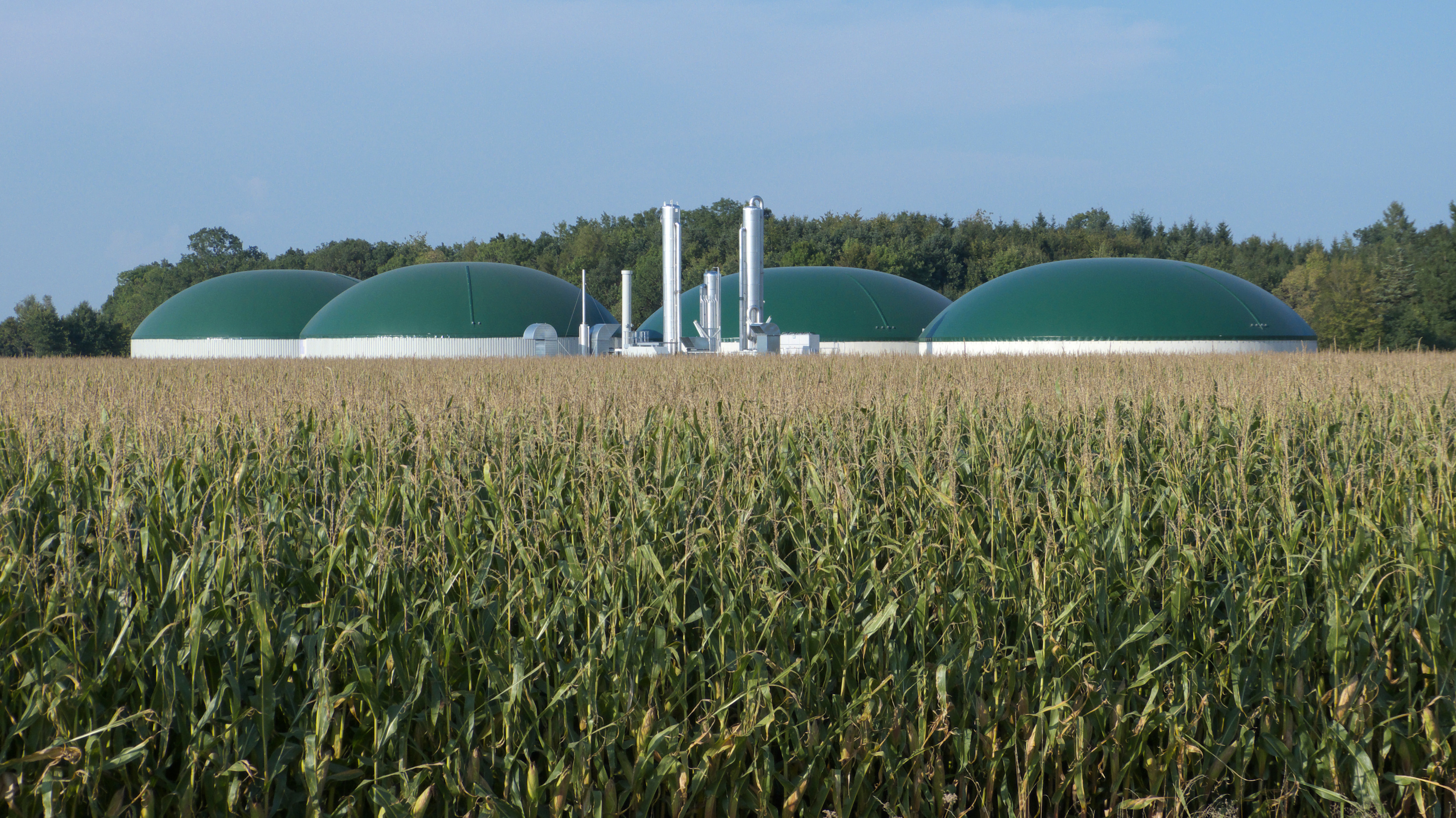
Anaerobic digestion is also widely used on dairy and livestock farms, food and beverage processing facilities, and other industrial operations that generate large quantities of biodegradable waste. Common feedstocks include manure, food processing byproducts, crop residues, fats, oils, and grease (FOG), along with a variety of other organic materials.
Although these systems are often smaller than municipal installations, they employ many of the same process control strategies. Hot water or glycol heating loops circulate through digester heat exchangers to maintain stable operating temperatures, allowing microbial activity to continue efficiently while maximizing biogas production.
Across every application, the goal is the same: create an environment where the microorganisms responsible for anaerobic digestion can operate consistently and efficiently. While feedstocks, digester designs, and plant capacities may differ, successful operation ultimately depends on maintaining stable process conditions.
Why Temperature Stability Matters in Anaerobic Digestion
Inside every anaerobic digester is a complex community of microorganisms responsible for converting organic waste into a methane-rich biogas. Among these microorganisms, methanogens perform the final stage of anaerobic digestion, producing methane from intermediate compounds generated earlier in the digestion process. Because methanogens are particularly sensitive to changes in their environment, temperature is one of the most important process variables influencing digester performance.
Most anaerobic digesters operate within one of two temperature ranges:
- Mesophilic Digestion: approximately 95°F to 100°F (35°C to 38°C)
- Thermophilic Digestion: approximately 125°F to 135°F (52°C to 57°C)
Regardless of the operating range, maintaining a stable temperature is often more important than achieving an exact temperature setpoint. Rapid temperature fluctuations can reduce microbial activity, decrease methane production, slow the digestion process, and increase the risk of biological upset. Even relatively small temperature swings can stress methanogens, requiring time for the microbial community to recover before normal gas production resumes.
Maintaining consistent digester temperatures requires a carefully controlled and monitored heating system.
How Digester Heating Systems Maintain a Stable Temperature
Because anaerobic digesters contain a large volume of material with significant thermal mass, maintaining a stable operating temperature requires continuous, controlled heat transfer rather than rapid heating and cooling. Most systems accomplish this using a closed-loop hot water or glycol heating circuit that transfers heat into the digester through one or more heat exchangers.
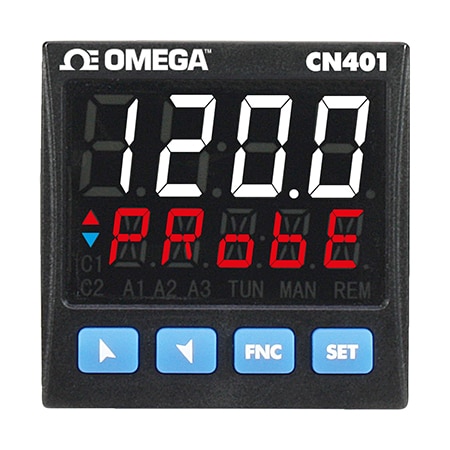
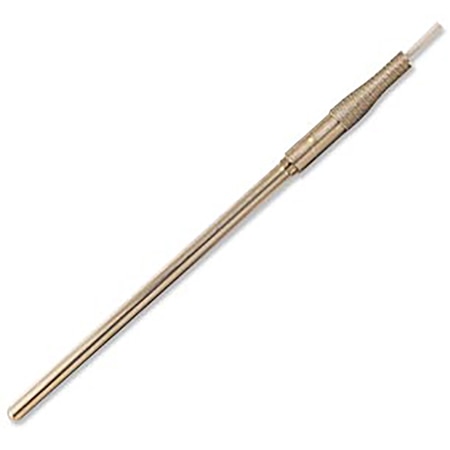
The heating medium is circulated through the heat exchanger while sludge within the digester is continuously mixed or recirculated to distribute heat evenly throughout the vessel. Temperature sensors, typically RTDs or thermocouples, continuously monitor the process temperature and send feedback to the temperature controller. The controller compares the measured temperature with the desired operating setpoint and determines how much heat should be added to maintain stable conditions.
Unlike many industrial heating applications, anaerobic digesters respond slowly to changes in heat input. A large digester may contain hundreds of thousands or even millions of gallons of sludge, meaning temperature changes occur gradually. Increasing heat too aggressively can lead to overshoot, while reducing heat too quickly can allow the digester temperature to drift below its target range. Because the biological process responds even more slowly than the thermal process, unnecessary temperature fluctuations can continue affecting methane production long after the controller has corrected the temperature.
For these reasons, most anaerobic digestion systems rely on PID (Proportional-Integral-Derivative) control rather than simple on/off temperature control. A properly tuned PID controller continuously adjusts heat input to match the digester's slow thermal response, minimizing overshoot and maintaining a consistent operating temperature. The result is a more stable environment for methanogens, improved biogas production, and reduced risk of process upset.
Innovative Solutions from DwyerOmega
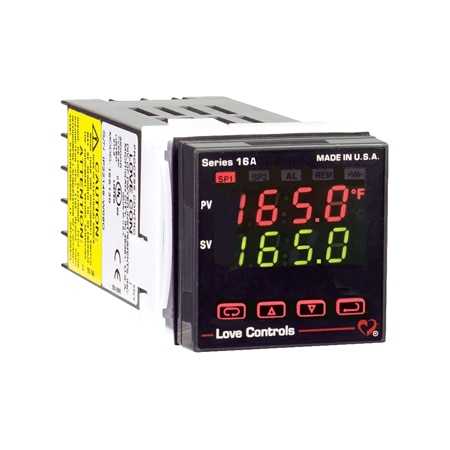
Series 16A Programmable Temperature & Process Controller
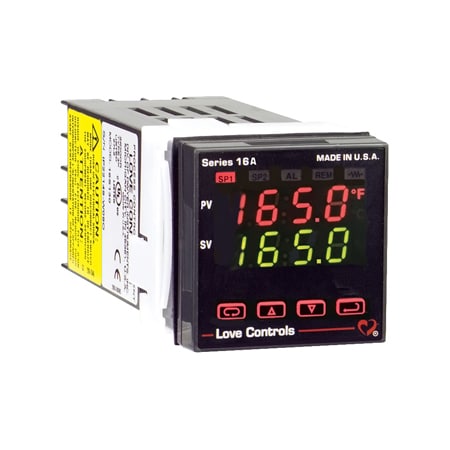
Maintaining a stable digester temperature requires a controller capable of accurately regulating a slow-moving thermal process. The Series 16A Programmable Temperature & Process Controller is well suited for this application, providing single-loop PID control for hot water and glycol heating systems used in anaerobic digesters.
Unlike simple on/off controllers, the Series 16A continuously adjusts heat output to maintain a stable process temperature while minimizing overshoot and unnecessary cycling. Its Self-Tune PID with Fuzzy Logic automatically determines appropriate control parameters, making commissioning straightforward even for systems with the large thermal mass and slow response typical of anaerobic digesters.
The controller accepts virtually any common process temperature input, including thermocouples, RTDs, DC voltage, and DC current, allowing it to integrate with existing instrumentation without requiring sensor replacement. Depending on the heating system design, the Series 16A can control relay outputs, solid-state relays (SSR), or proportional current outputs for modulating control valves.
Designed for demanding industrial environments, the Series 16A features a NEMA 4X (IP66) front panel that resists moisture and corrosion, making it suitable for the wet, humid, and often corrosive conditions found in digester buildings. Dual four-digit LED displays provide simultaneous indication of both the process temperature and the active setpoint, allowing operators to quickly verify system performance.
For applications requiring more advanced temperature profiles, the Series 16A3 adds ramp-and-soak programming, making it well suited for controlled warm-up sequences or staged transitions between operating conditions. Optional Modbus RTU communication enables integration with plant SCADA systems, while analog retransmission outputs simplify connection to recorders, data loggers, and supervisory control systems.
By combining precise PID temperature control, broad input compatibility, flexible output options, and industrial durability, the Series 16A provides a reliable solution for maintaining the stable thermal environment required for consistent anaerobic digester performance.

What Is A Stepper Motor & Controllers? – Omega Engineering Introduction to Stepper Motors
