

Sensors in the Development and Testing Phases
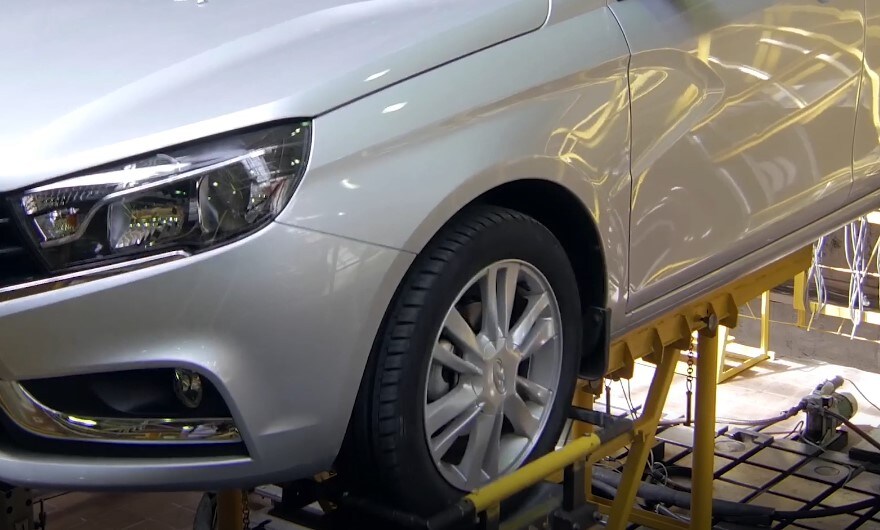
During the early design stages, sensors capture real-world information that determines how a vehicle will perform once it leaves the test bench. Engineers use these measurements to validate models, refine component designs, and confirm that systems behave as expected under load, heat, and vibration. Accurate and reliable sensor data gives development teams a clear understanding of how each design choice will translate to performance on the road.
Temperature Measurement
Thermocouples and RTDs track critical temperatures in engines, transmissions, battery packs, and exhaust systems. These readings help confirm material limits, cooling performance, and emission control behavior.
Pressure and Airflow Measurement
Differential pressure sensors and mass airflow sensors provide visibility into combustion efficiency and fuel delivery. Engineers use this data to refine air-fuel ratios, optimize turbocharger response, and verify that exhaust and EGR systems are working correctly.
Load, Torque, and Structural Measurement
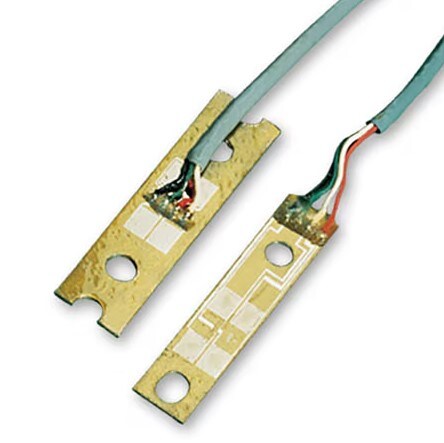
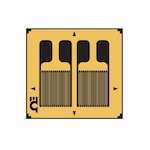
Torque Sensors, load cells, and strain gauges measure forces and stress throughout the drivetrain, suspension, and vehicle structure. This information is used to validate durability, improve chassis stiffness, and evaluate how components behave under real driving conditions.
Sensors in Automotive Manufacturing
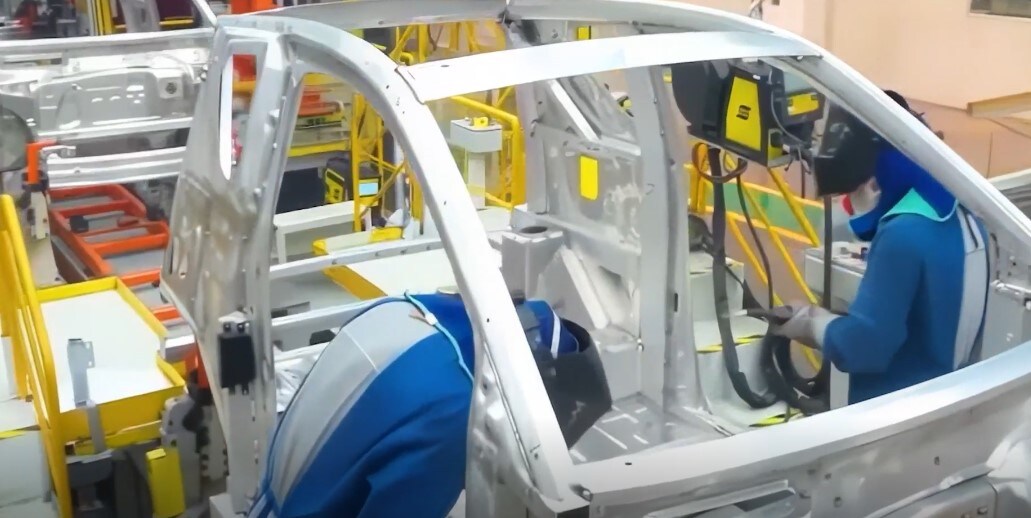
Once a design goes into production, sensors continue to play a major role in keeping processes accurate and consistent. Manufacturing lines rely on stable pressure measurement to keep hydraulic and pneumatic systems operating safely, while temperature and humidity monitoring helps maintain the controlled environments needed for paint curing, adhesive applications, and engine burn-in testing. In highly automated plants, sensors support robotic equipment by tracking position, motion, and vibration so that welders, assembly tools, and inspection systems remain aligned and repeatable. Across the entire production floor, sensing technology provides real-time feedback that keeps throughput high and quality consistent.
Process and Equipment Monitoring
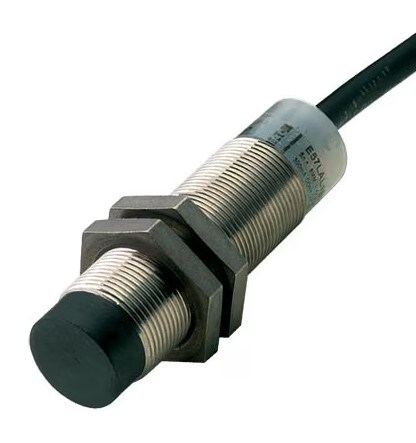
Pressure transducers, gauges, and switches support hydraulic and pneumatic equipment used in stamping, forming, and assembly. Temperature and humidity sensors help verify paint booth conditions, adhesive curing, and engine break-in procedures.
Automation and Robotics
Proximity sensors and vibration sensors help robotic systems maintain positioning and repeatability. These sensors keep automated welders, pick-and-place systems, and inspection stations aligned and functioning reliably.
Sensors in Automotive Safety Testing

Crash and safety testing depend on detailed measurement. Pressure sensors, accelerometers, and strain gauges capture the forces, displacement, and deformation that occur during controlled impact events. Engineers use this information to study how energy moves through the vehicle structure, how quickly restraints deploy, and how well the cabin maintains its integrity. These measurements support improvements to airbag timing, belt tensioning, crumple zone design, and overall crashworthiness, helping manufacturers develop vehicles that better protect occupants in real-world conditions.
Innovative Solutions from

FMA5000A Series Gas Mass Flow Controllers
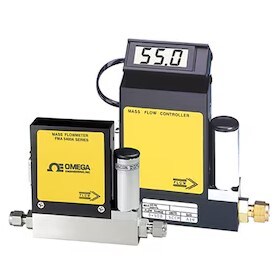
Flow ranges span from 10 SCCM to 100 SLM, with models available in economical aluminum/brass or corrosion-resistant 316 stainless steel. The FMA5400A models provide 0 to 5 Vdc and 4 to 20 mA outputs for remote monitoring, while the FMA5500A models add a tiltable LCD display for easy local readout. Displays are factory-calibrated for nitrogen, with other gases available on request.
Each controller includes a built-in normally closed electromagnetic valve that maintains a constant flow rate despite pressure fluctuations. Setpoints can be adjusted locally through an onboard potentiometer or remotely via analog input. Optional accessories include plug-in power supplies and shielded cable assemblies to simplify integration.
The FMA5000A Series offers reliable performance and flexible control for gas delivery systems, combustion testing, and automated process environments.
MM Series Highly Configurable, High Accuracy Pressure Transducers
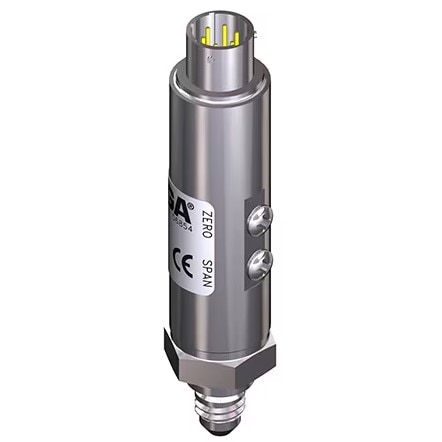
MM Series Pressure Transducers allow you to build a custom pressure transducer tailored to your exact application. With more than one million possible combinations, users can select pressure type, range, units, materials, accuracy, outputs, fittings, temperature compensation, and electrical termination through an intuitive online configuration tool. The system instantly returns a part number, price, and lead time.
These transducers are built around micro-machined piezoresistive sensing technology, where strain gages are embedded into a stable silicon wafer and coupled to a stainless steel diaphragm through a silicone oil fill. This design provides excellent accuracy (up to ±0.05 percent), strong thermal stability, and long-term durability.
The MM-Configurable Series is well suited for engine test pressure measurement, pressure drop monitoring, tank level measurement, leak detection, gas system monitoring, and sanitary or hygienic processing in food, beverage, and pharmaceutical environments.
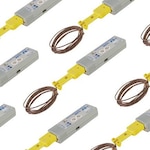
Data Acquisition: DAQ System Introduction to Data Acquisition Systems
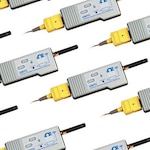
Remote Process Monitoring and Control Introduction to Remote Monitoring