




An Introduction to Pneumatic Conveying Pneumatic conveying moves powders and bulk solids through enclosed lines using air pressure or vacuum. This article compares dilute and dense phase methods and highlights instruments used to monitor material level and differential pressure.
Tagged as:Blog, Get Curious
Read More
What is a Heat Trace System? Heat trace systems apply controlled heat to pipes, valves, tanks, and other equipment to prevent freezing and maintain process temperatures. Learn how heating cables, controllers, connection kits, insulation, and related components work together to protect equipment and improve process reliability.
Tagged as:Technical Learning, Get Curious
Read More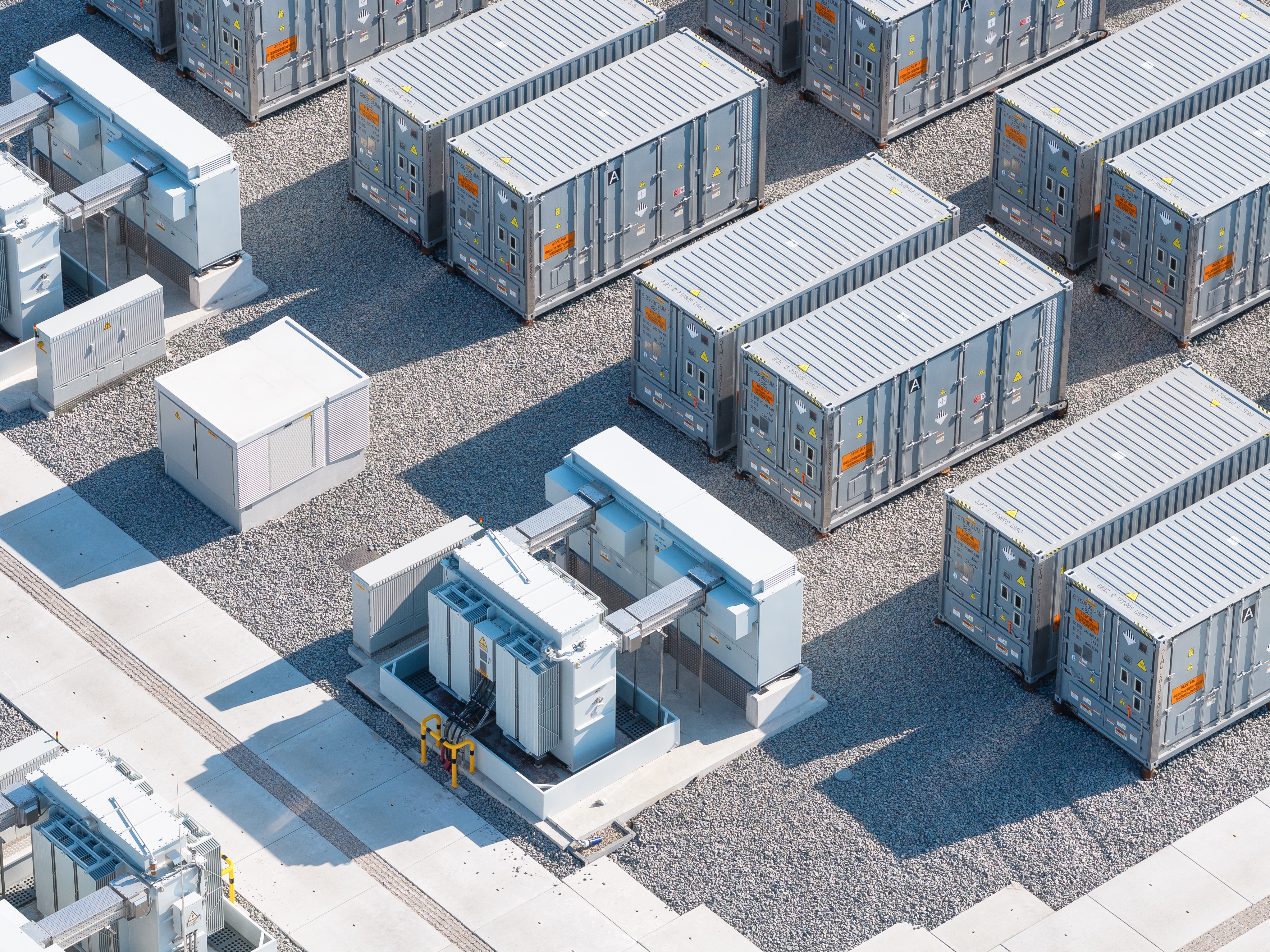
Product Highlight: The HD-6 Hydrogen Gas Detector The HD-6 Hydrogen Gas Detector provides continuous hydrogen monitoring for battery energy storage systems, battery rooms, data centers, and renewable energy facilities. With configurable alarms, ventilation and BMS integration, long sensor life, and recognized certifications, it supports a layered approach to gas detection and safety.
Tagged as:Blog, Get Curious
Read More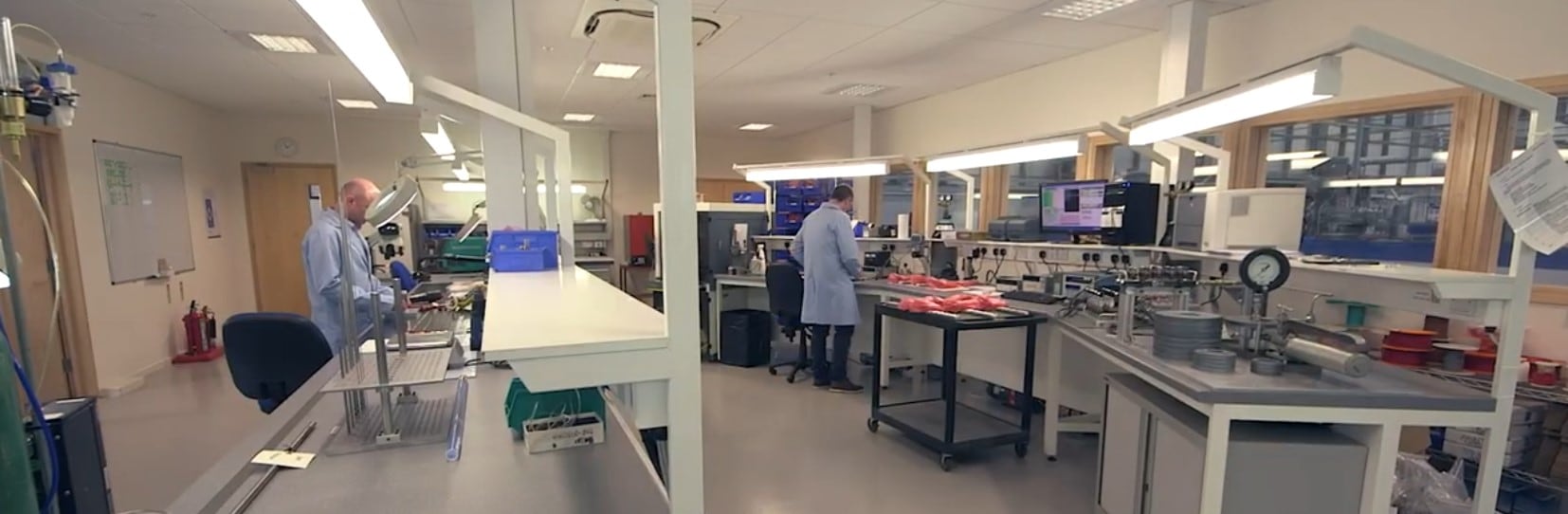
Precision Calibration Out on the Island Explore the DwyerOmega Hauppauge laboratory’s calibration capabilities for relative humidity, temperature, water activity, and differential pressure, along with traceable dew point calibration performed using Michell calibration equipment.
Tagged as:Blog, Get Curious
Read More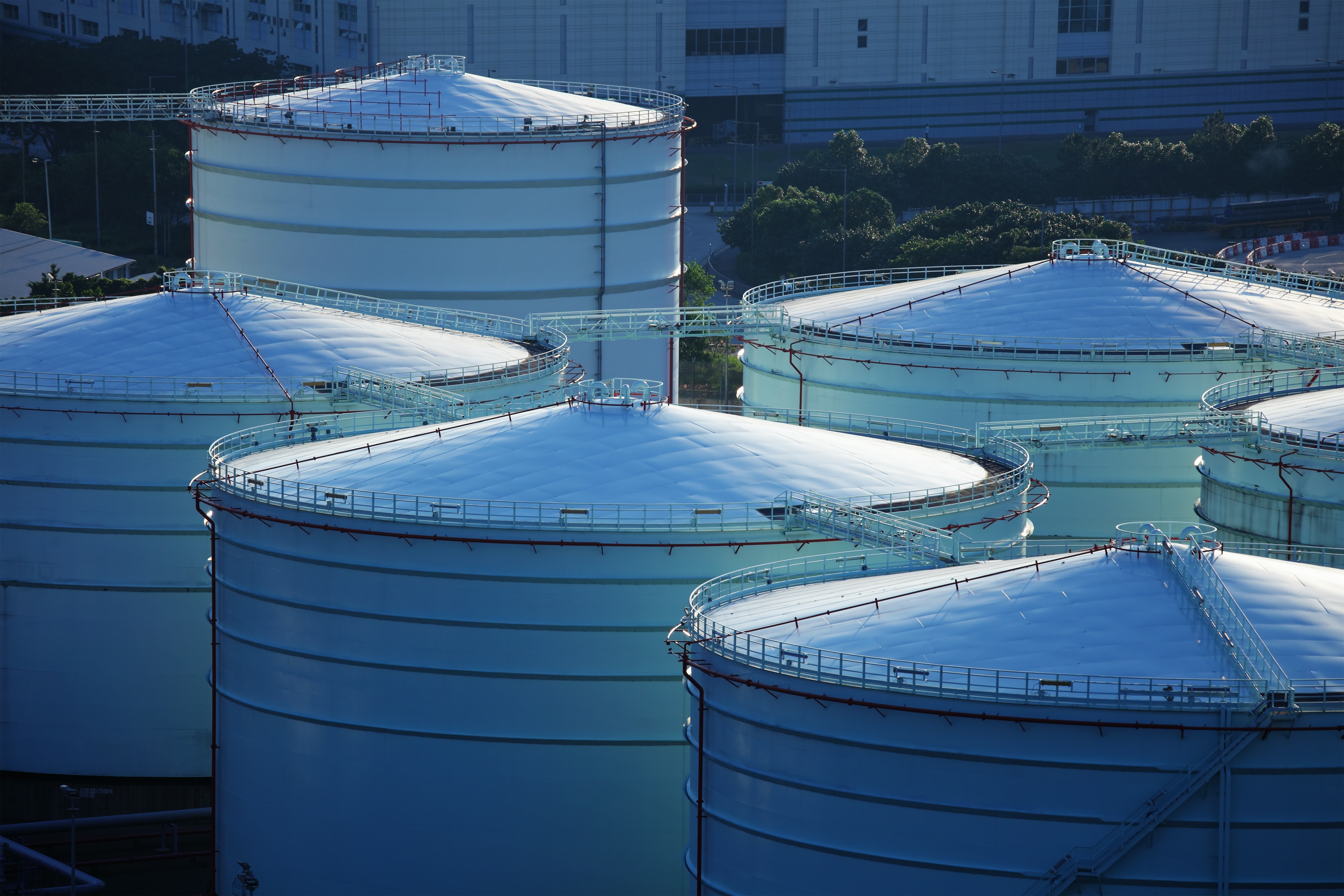
How to Log Tank Level with a Transmitter and a Level Switch Learn how continuous level transmitters and point-level switches connect to a data logger, what each signal records, and how to plan inputs, power, and channel capacity for effective tank level monitoring.
Tagged as:Blog, Get Curious
Read More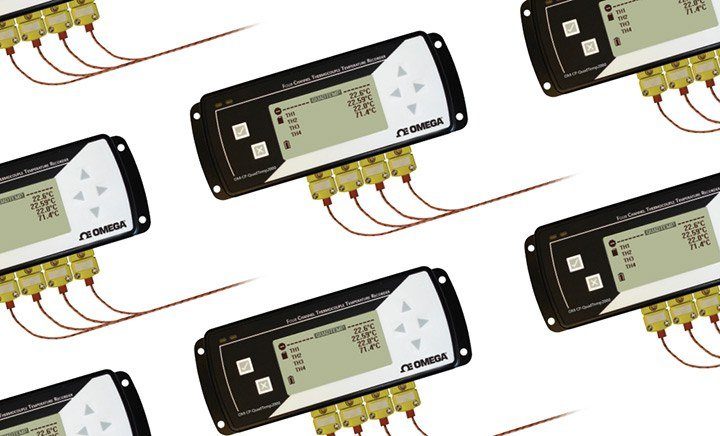
What are Data Loggers? Industrial data loggers automatically measure and record process conditions for long-term monitoring, analysis, and documentation. Explore common logger types, their key features, and applications involving temperature, humidity, pressure, voltage, current, and multiple sensor inputs.
Tagged as:Product Info, Get Curious
Read More
Understanding Ventilation Efficiency and DCV in Parking Structures and Garages Learn how carbon monoxide monitoring, demand-controlled ventilation, and variable frequency drives can reduce parking garage ventilation energy consumption by adjusting exhaust fan operation based on changing CO concentrations and ventilation demand.
Tagged as:Blog, Get Curious
Read More
All About Particulate Matter Sensors “Air quality isn’t just about temperature and humidity — particulate matter (PM) plays a critical role. From dust and mold to smoke and aerosols, PM sensors detect and measure airborne particles in real time, helping industries, facilities, and workplaces maintain healthier environments. Discover how these sensors work and why they’re vital for monitoring indoor air quality.
Tagged as:Blog, Get Curious
Read More