



Heavy equipment used in construction, mining, agriculture, power generation, and other demanding applications operates under high loads that generate significant amounts of heat. To maintain safe operating temperatures and prevent premature engine wear, these machines often rely on liquid cooling systems for their engines.
Typical liquid cooling systems circulate coolant through passages within the engine block and cylinder head, where it absorbs heat produced during combustion. The heated coolant then flows to the radiator, where air passing through the radiator fins removes the heat before the cooled fluid is recirculated through the engine. This continuous cycle helps maintain stable engine temperatures and supports reliable equipment operation.
The cooling system is only effective when the proper coolant level is maintained. Coolant loss reduces the system's ability to absorb and dissipate heat, increasing the risk of overheating and engine damage. Detecting low coolant levels before they become critical allows maintenance personnel to address issues early, helping minimize unplanned downtime and costly repairs.
Level Switch Solutions from DwyerOmega
Explore DwyerOmega's Full Level Switch Selection HERE
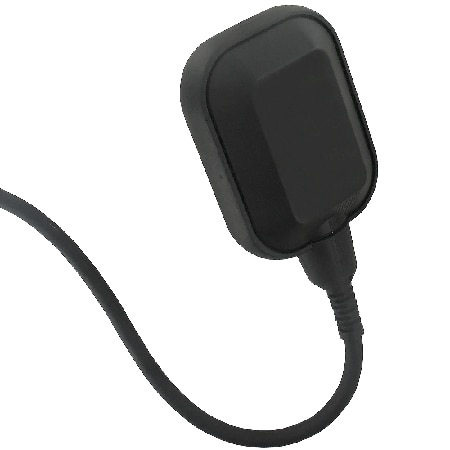
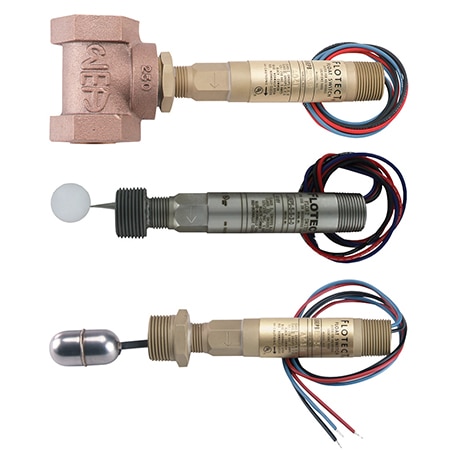
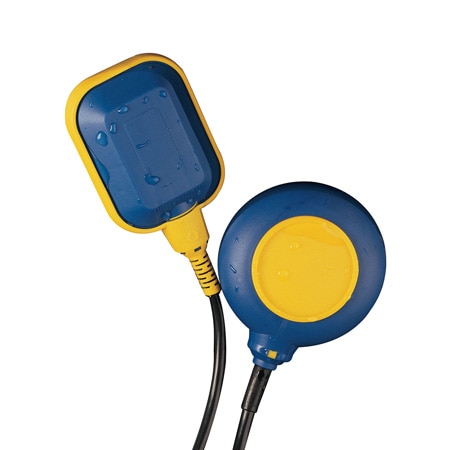
How Heavy Equipment Radiator Cooling Systems Work
Heavy equipment cooling systems continuously transfer heat away from the engine through a closed-loop circulation process. As the engine operates, coolant flows through internal passages surrounding the cylinders and other heat-producing components, absorbing thermal energy before exiting the engine.
The heated coolant is pumped to the radiator, where it passes through a network of tubes and fins designed to maximize heat transfer. Airflow generated by the engine-driven or electric cooling fan, along with airflow created as the machine moves, carries heat away from the radiator. Once cooled, the coolant returns to the engine to repeat the cycle.
Why Coolant Level Monitoring Matters

Maintaining the correct coolant level is essential for efficient engine cooling and long-term equipment reliability. When coolant levels fall below the recommended operating range, the cooling system cannot absorb and remove heat as effectively. Reduced heat transfer causes engine temperatures to rise, increasing the likelihood of overheating and placing additional thermal stress on engine components.
If low coolant conditions persist, excessive temperatures can lead to warped cylinder heads, damaged head gaskets, accelerated component wear, and, in severe cases, catastrophic engine failure. Beyond repair costs, overheating often results in unexpected equipment downtime, reduced productivity, and shortened engine service life.
Coolant loss can occur for several reasons, including leaking hoses, loose fittings, damaged radiator cores, worn or leaking water pumps, and evaporation caused by improperly sealed cooling systems. Coolant levels may also drop after routine maintenance if the system is not completely refilled or properly bled of trapped air. Because many of these issues develop gradually, continuous or periodic coolant level monitoring provides an early indication of a problem before engine temperatures reach damaging levels.
| Equipment Category | Examples | Why Liquid Cooling Is Used |
|---|---|---|
| Construction Equipment |
Excavators Bulldozers Wheel Loaders Backhoe Loaders Cranes Vibratory Trench Roller |
Operate under heavy engine loads for extended periods while powering hydraulic systems and attachments. |
| Mining Equipment |
Haul Trucks Drilling Rigs Underground Mining Vehicles Load-Haul-Dump (LHD) Machines |
Continuous heavy-duty operation generates significant engine heat that requires efficient coolant circulation. |
| Agricultural Equipment |
Tractors Combines Self-Propelled Sprayers Harvesters |
Long operating hours and high engine loads during planting and harvesting require reliable cooling. |
| Material Handling Equipment |
Diesel Forklifts Reach Stackers Container Handlers Terminal Tractors |
Maintain safe engine temperatures while handling heavy loads and operating for long shifts. |
| Industrial Power Equipment |
Diesel Generators Engine-Driven Compressors Industrial Pumps |
Depend on liquid cooling to support continuous operation and maintain consistent engine performance. |
| Transportation & Specialty Equipment |
Locomotives Heavy-Duty Trucks Commercial Buses Military Vehicles |
High-power diesel engines require liquid cooling to prevent overheating during demanding operating conditions. |
Using an Optical Level Switch for Low Coolant Detection
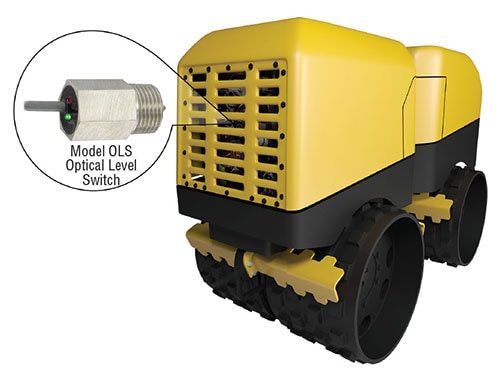
Vibratory Trench Roller
Innovative Solutions from DwyerOmega
Series OLS Infrared Optical Level Switches
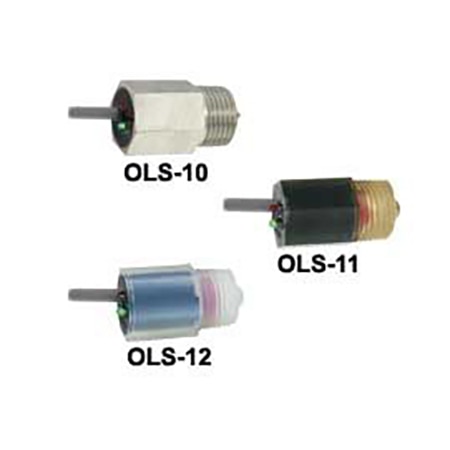
Series OLS Infrared Optical Level Switches are well suited for this type of application. Unlike traditional float switches, which can be susceptible to false trips caused by vibration or sloshing in heavy equipment, these switches use an infrared optical sensing principle with no moving parts. This solid-state design provides reliable operation in demanding mobile equipment where constant vibration is common.
Series OLS Infrared Optical Level Switches operate by transmitting infrared light through a prism located at the sensing tip. When the prism is surrounded by air, the light is reflected internally back to a photo-transistor, indicating that liquid is not present. When coolant covers the prism, the infrared light is refracted into the liquid instead of returning to the sensor, allowing the switch to detect the presence of coolant. This optical sensing method provides rapid response while minimizing mechanical wear because there are no floats or moving components to stick or fail.
Series OLS Infrared Optical Level Switches also feature a compact insertion length, making them well suited for installation in radiator tanks and coolant reservoirs where available mounting space may be limited. Integrated red and green LED indicators provide local visual confirmation of liquid presence, while these switches' outputs can be connected to an alarm, warning light, or control system to notify operators before coolant levels reach a critical point.

DwyerOmega | Blog | What are Anemometers?
Written by: Dan Schultz
Published on: April 17, 2026