Need assistance? Call us: 1-800-663-4209



- Home
- See Resources
- Blog
We noticed you are in , please visit your local site by clicking the below link for regional offers and support.
DwyerOmega Blog
Explore Our Featured Articles
Fluid Control in Modern Data Centers
Discover how valves play a central role in maintaining thermal performance in data centers.
Featured blog >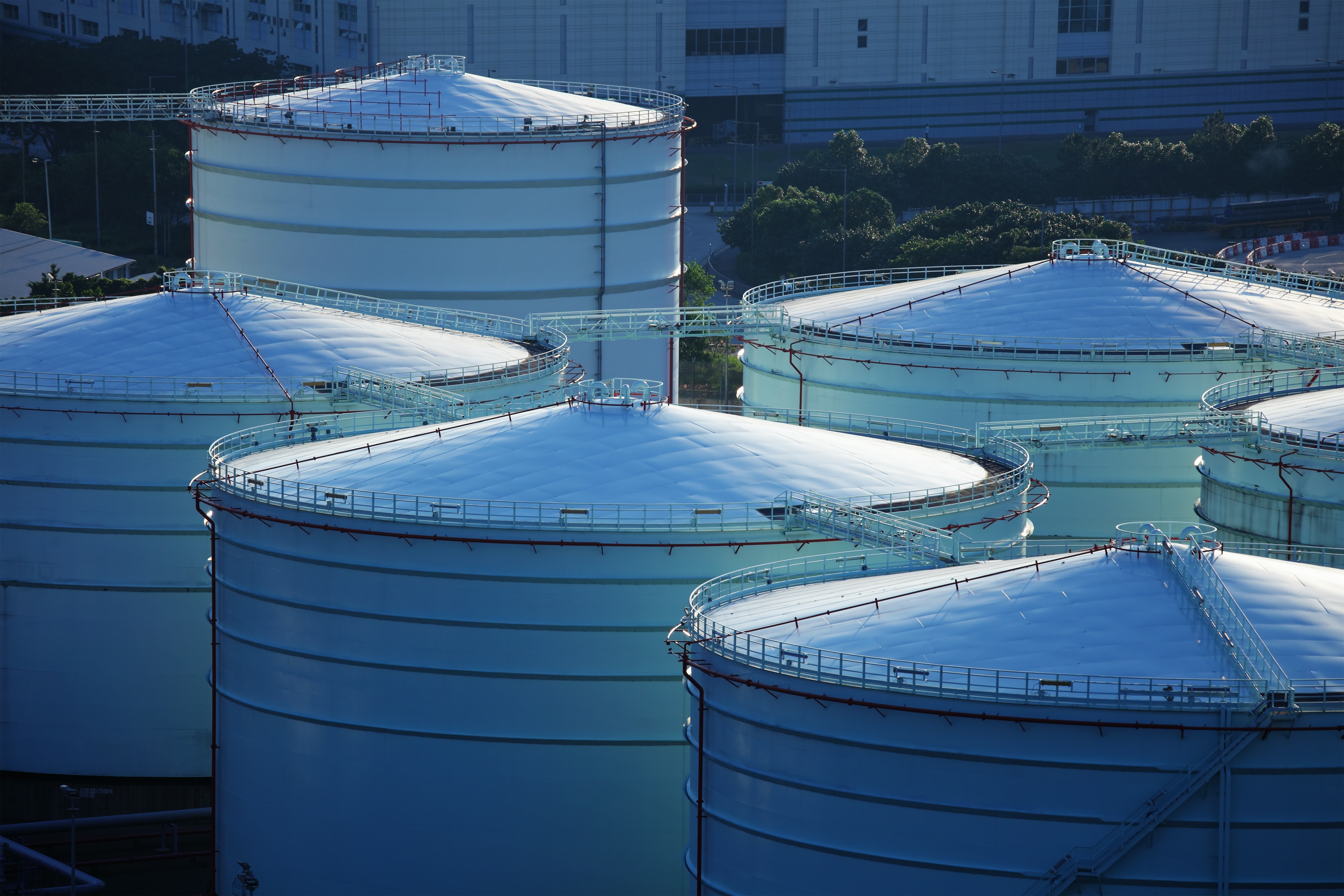
Browse by category

An Introduction to Pneumatic Conveying
Pneumatic conveying moves powders and bulk solids through enclosed lines using air pressure or vacuum. This article compares dilute and dense phase methods and highlights instruments used to monitor material level and differential pressure.
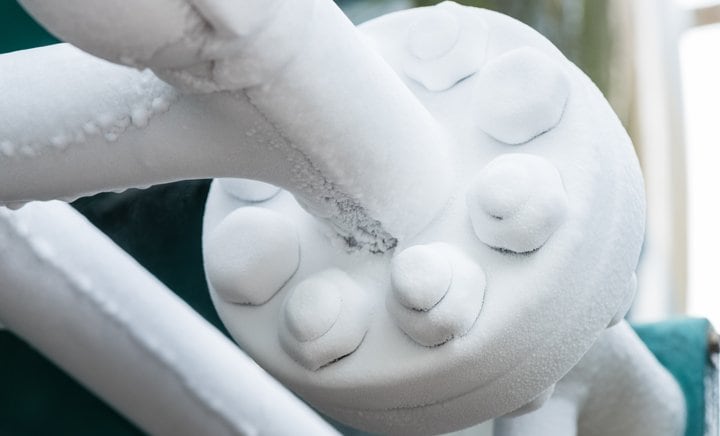
What is a Heat Trace System?
Heat trace systems apply controlled heat to pipes, valves, tanks, and other equipment to prevent freezing and maintain process temperatures. Learn how heating cables, controllers, connection kits, insulation, and related components work together to protect equipment and improve process reliability.
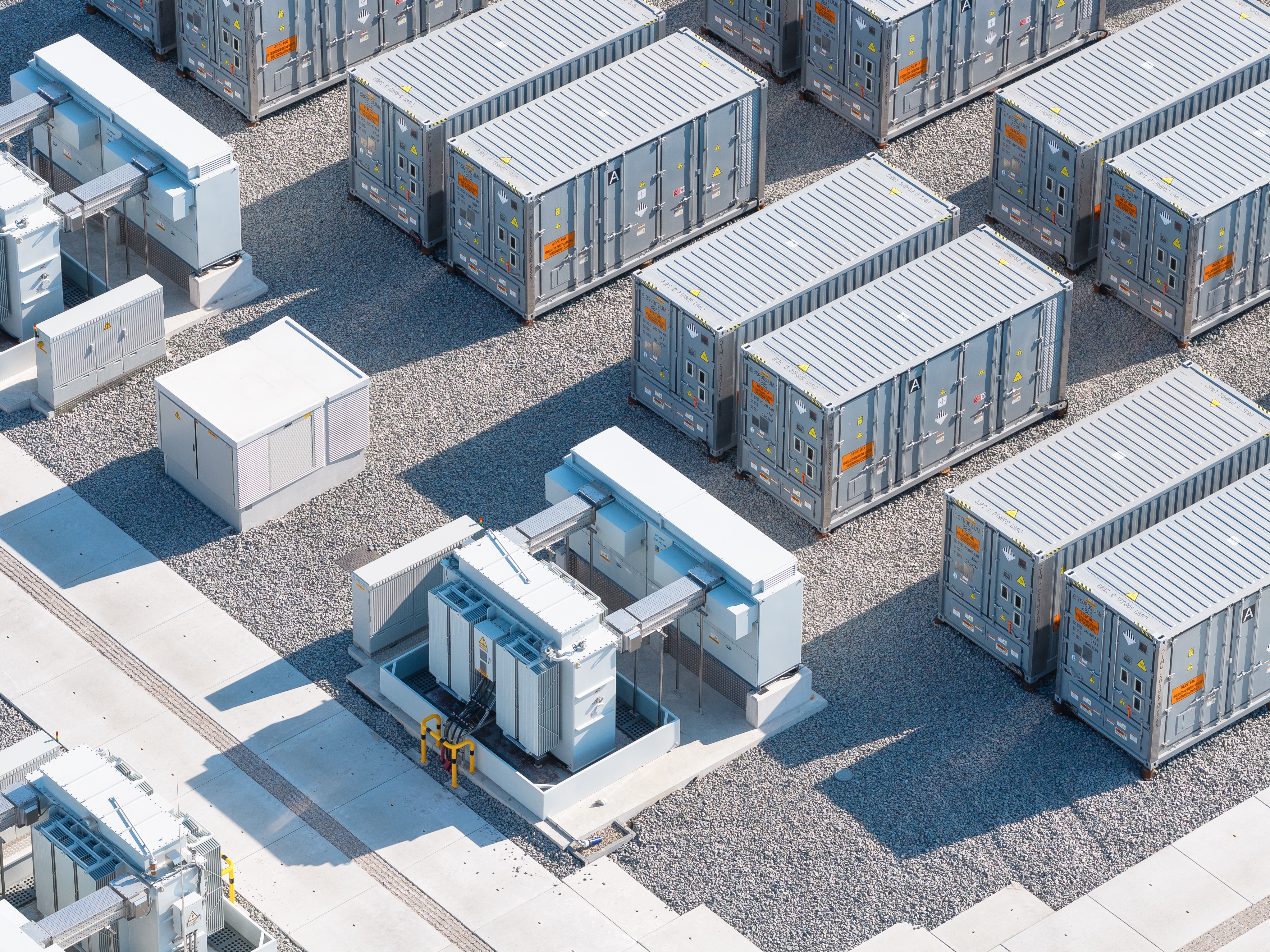
Product Highlight: The HD-6 Hydrogen Gas Detector
The HD-6 Hydrogen Gas Detector provides continuous hydrogen monitoring for battery energy storage systems, battery rooms, data centers, and renewable energy facilities. With configurable alarms, ventilation and BMS integration, long sensor life, and recognized certifications, it supports a layered approach to gas detection and safety.
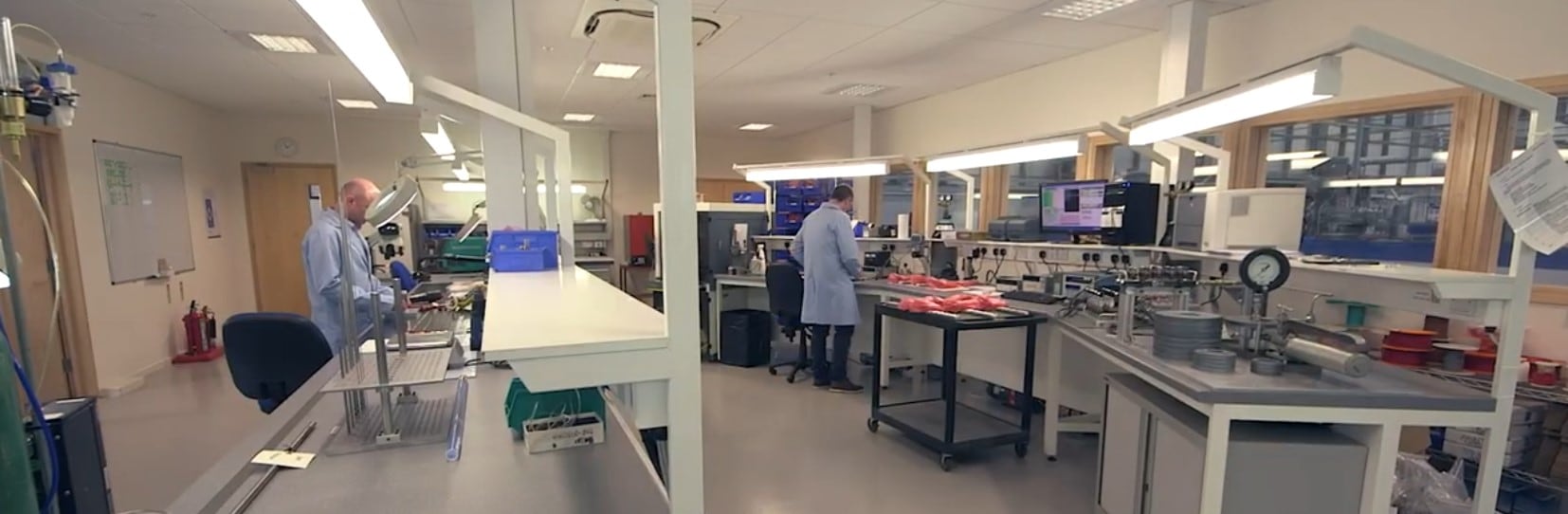
Precision Calibration Out on the Island
Explore the DwyerOmega Hauppauge laboratory’s calibration capabilities for relative humidity, temperature, water activity, and differential pressure, along with traceable dew point calibration performed using Michell calibration equipment.