


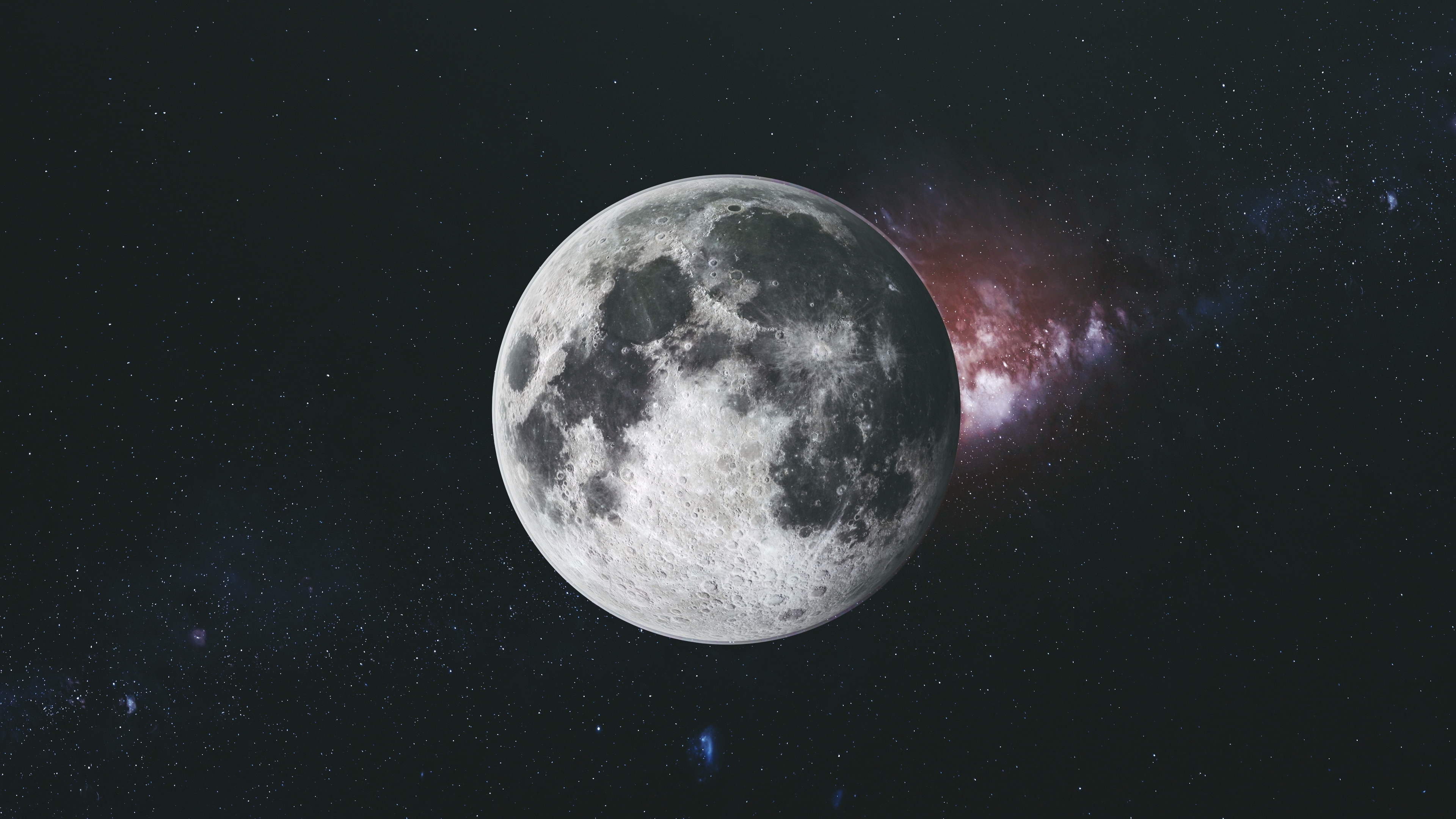
Recently, NASA’s Artemis II mission successfully completed a lunar flyby, making it the first crewed mission to venture beyond low Earth orbit since Apollo 17 in 1972. The mission represented a major milestone not only for the Artemis program, but for American space exploration as well, validating spacecraft systems, crew operations, and mission procedures required for sustained lunar exploration.
The Artemis Program at a Glance
The Artemis program is NASA’s long-term initiative to return humans to the Moon and establish a sustained presence there as a stepping stone to deeper space exploration. Formally established in 2017 through Space Policy Directive 1 (SPD-1), Artemis brings together government, commercial, and international partners under the Artemis Accords.
Key elements of the program include:
- The Space Launch System (SLS), derived from Space Shuttle hardware
- The Orion spacecraft, paired with the European Service Module
- Commercially developed Human Landing Systems (HLS)
- A roadmap that includes regular lunar landings and long-term surface infrastructure
A Modern Echo of Apollo
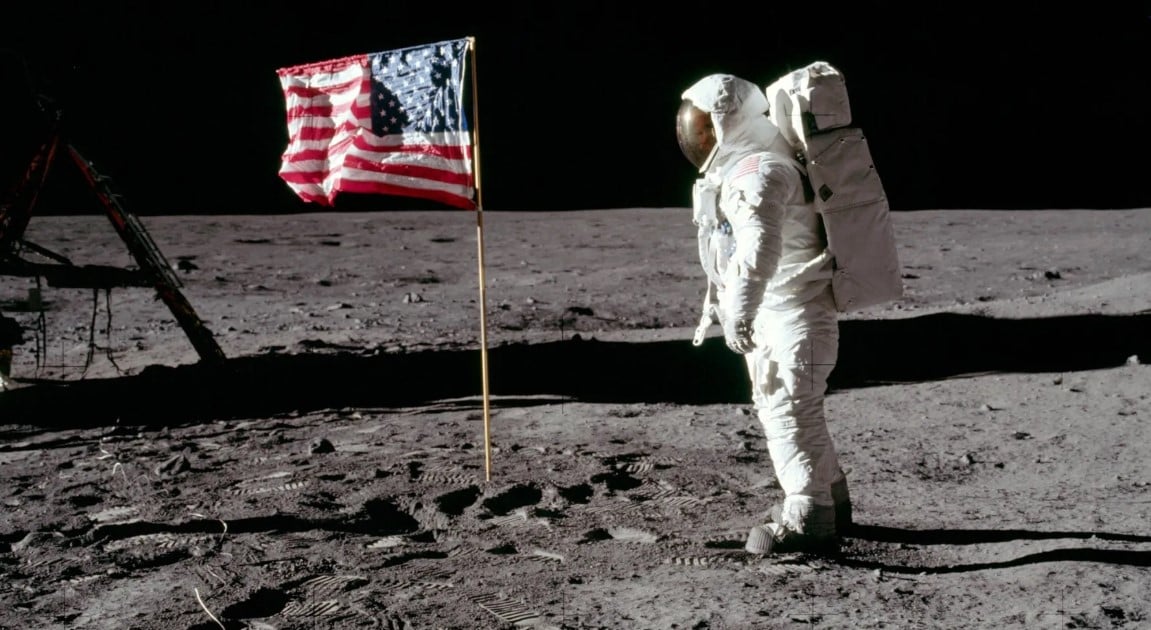
The Artemis program is NASA’s current human lunar exploration initiative and follows the Apollo program, which first established the capability to send astronauts to the Moon and return them safely to Earth between 1969 and 1972. Apollo demonstrated the feasibility of crewed lunar travel, surface operations, and sample return, forming the technical and operational foundation for future exploration beyond low Earth orbit.
Like Apollo, Artemis is organized as a series of progressively more complex missions. Early flights focus on validating spacecraft systems, crew operations, and mission readiness in the lunar environment before advancing to long‑duration surface activity.
Measurement Challenges in Space Exploration
Human spaceflight introduces measurement challenges that are difficult to replicate on Earth. Systems must operate reliably in sealed environments, under strict safety constraints, and often with no margin for error.
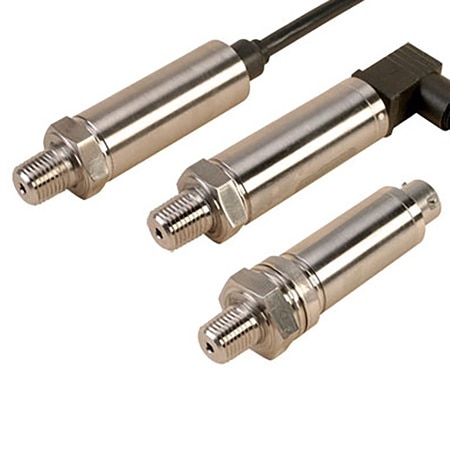
One critical requirement—both during Apollo and today—is the ability to monitor and control pressure differentials and manage controlled gas flows in sealed containers and environments. These capabilities are essential not only for crew safety, but also for protecting sensitive materials returned from space.
Apollo 11 and the Role of Pressure and Flow Measurement
Following the Apollo 11 mission in 1969, astronauts and lunar materials were placed in a Mobile Quarantine Facility to prevent potential contamination. To ensure containment integrity, the pressure difference between the inside and outside of the facility had to be continuously monitored and controlled.
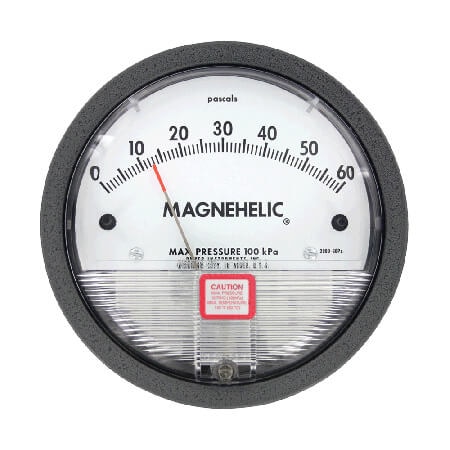
The Series 2000 Magnehelic® Differential Pressure Gage, originally invented in 1953, were used in this quarantine process. These gages provided a reliable means of monitoring small pressure differentials in containment chambers and glove boxes, including those used to preserve lunar samples.
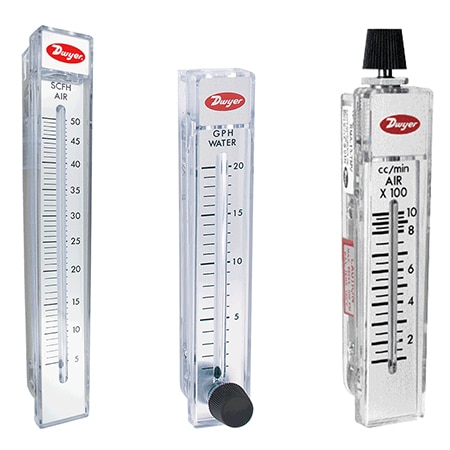
In addition to pressure monitoring, flow meters, like the Series RM Rate‑Master® were used to control the introduction of nitrogen into airtight cabinets. Nitrogen purging had to be performed at a controlled flow rate to properly displace ambient air while avoiding pressure disturbances. Because nitrogen is an inert gas, it could be used to protect lunar samples without introducing chemical reactions.
Innovative Solutions from DwyerOmega
Why These Measurements Still Matter
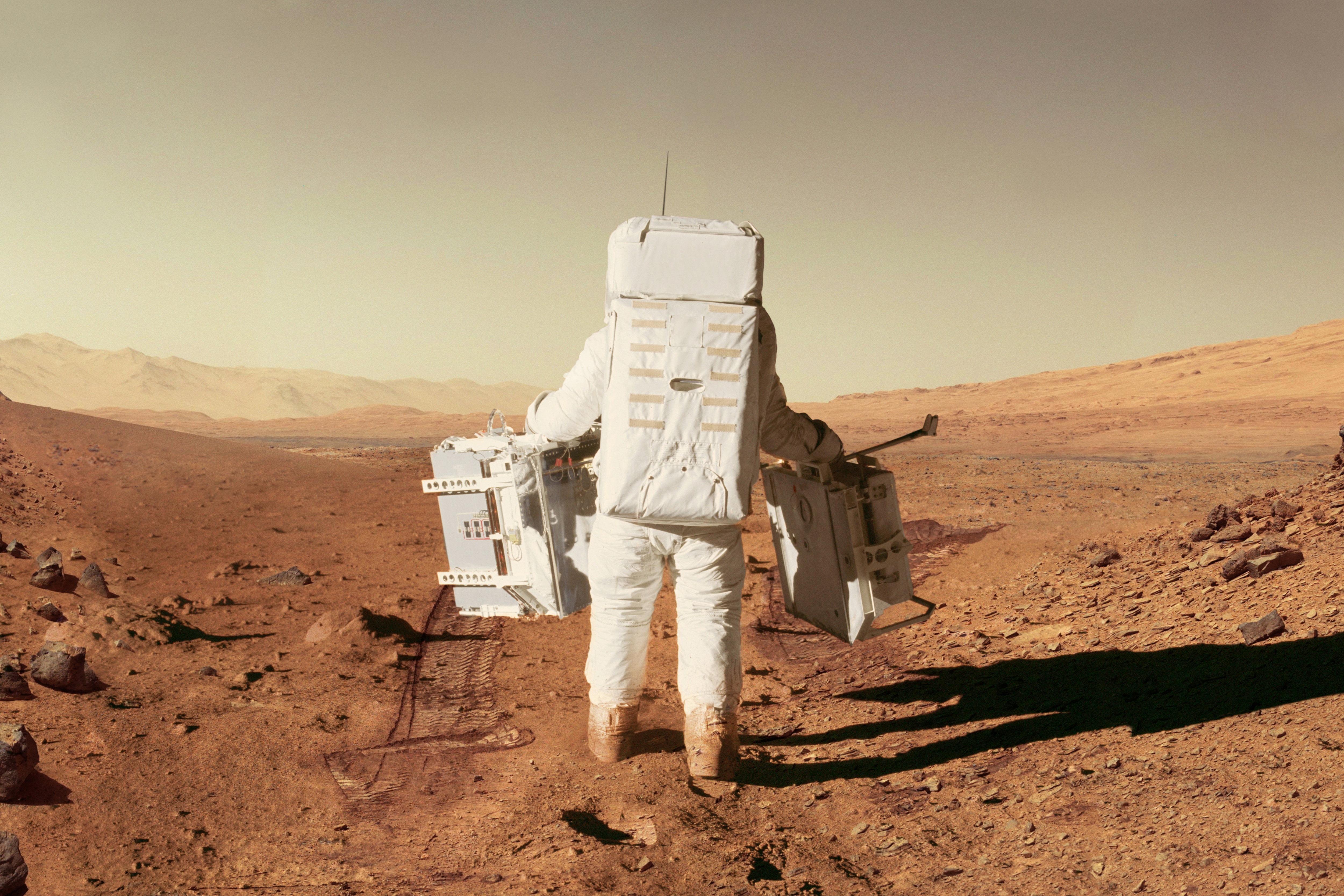
Pressure and flow instruments are among the unsung heros of space travel: invisible to the public, but essential.
They play a direct role in:
- Maintaining sealed and controlled environments
- Protecting sensitive materials and samples
- Supporting system verification and safety protocols
- Enabling repeatable, documented processes
DwyerOmega | Blog | What is a Pressure Gauge?
Written by: Dan Schultz
Updated on: October 30, 2025
DwyerOmega | Blog | What is an Intrinsically Safe Product?
Written by: Dan Schultz
Published on: March 30, 2026