


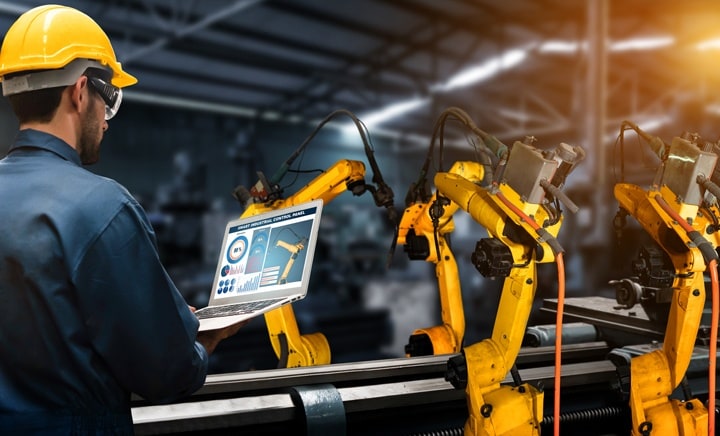
 What is IIot? Industrial Internet of Things
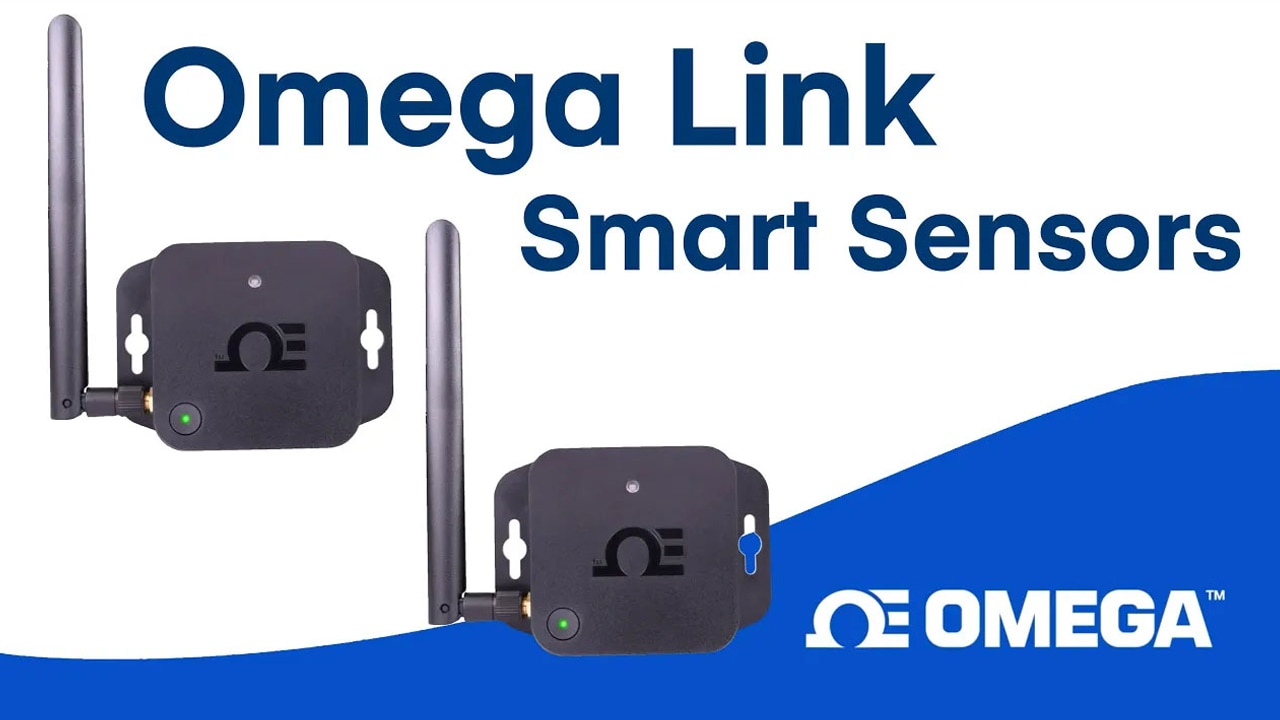
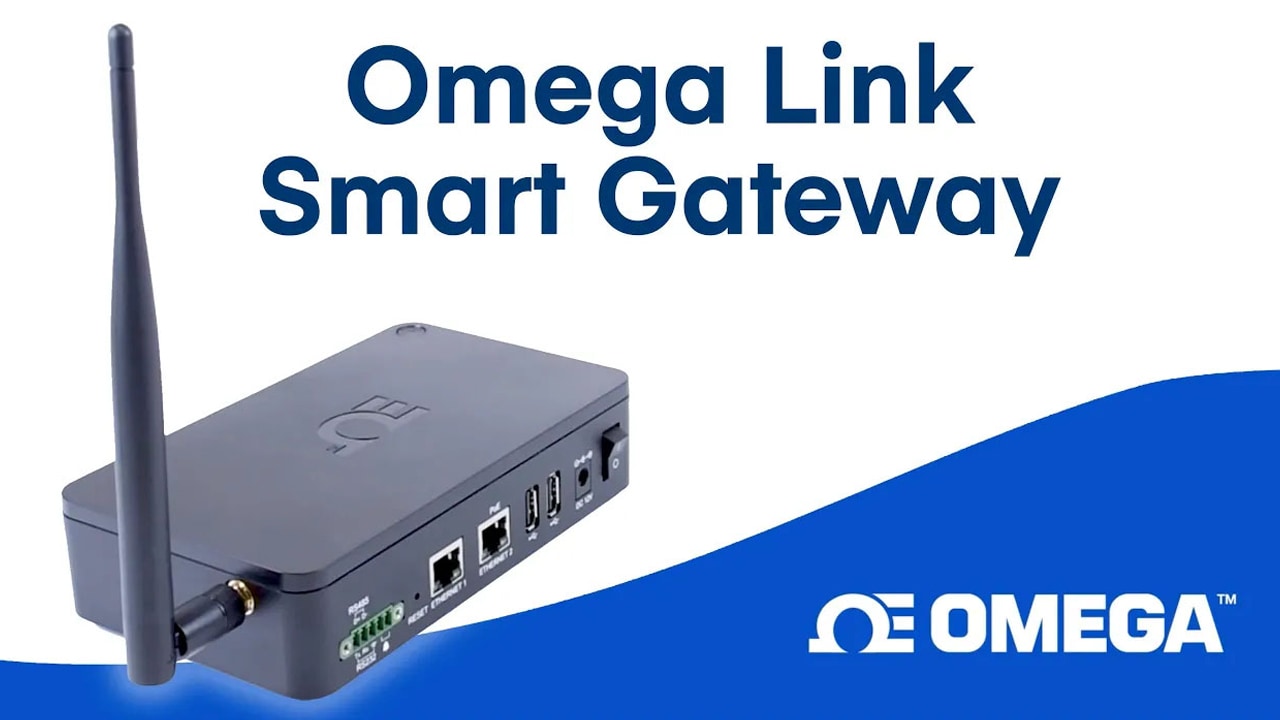
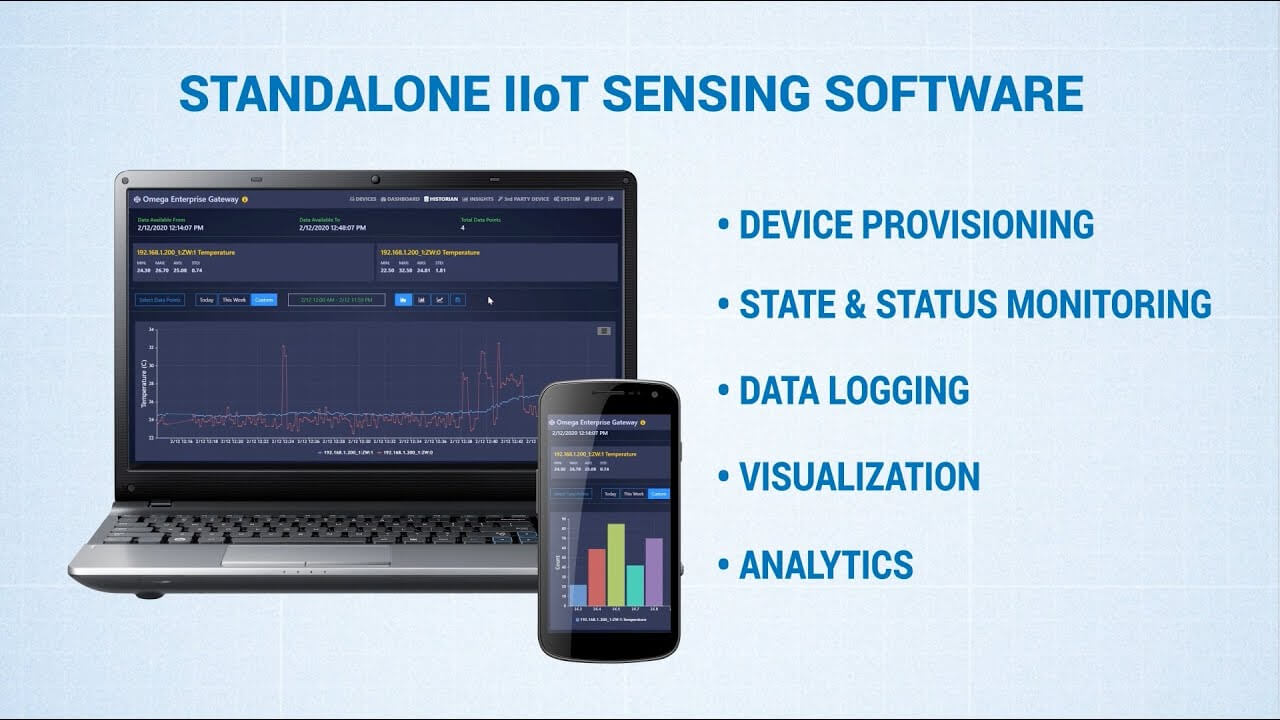
IIoT or Industrial Internet of Things is one such technology that is mostly unknown to non-extert. In this article, IIoT is explained in detail.
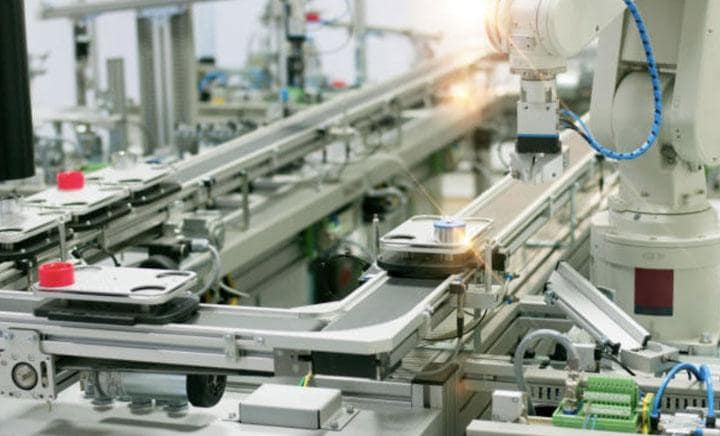 What components are in a IIoT network?
IIoT or Industrial Internet of Things is one such technology that is well-known among industry experts but mostly unknown to the rest.
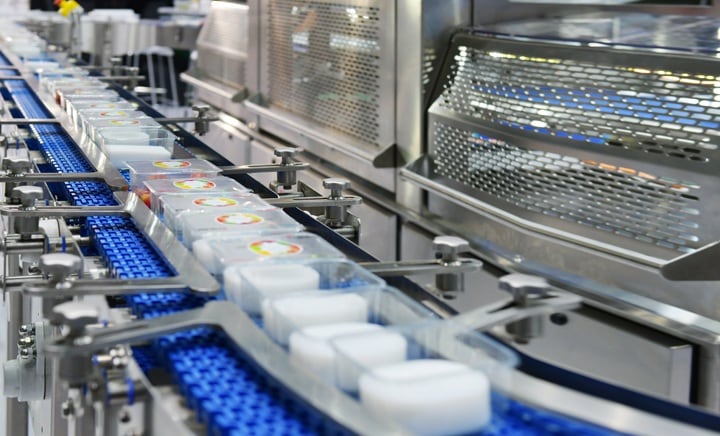 Why IoT Isn’t Good Enough for Industrial Applications
Whenever there's a discussion about IIoT, a comparison with IoT always exists.
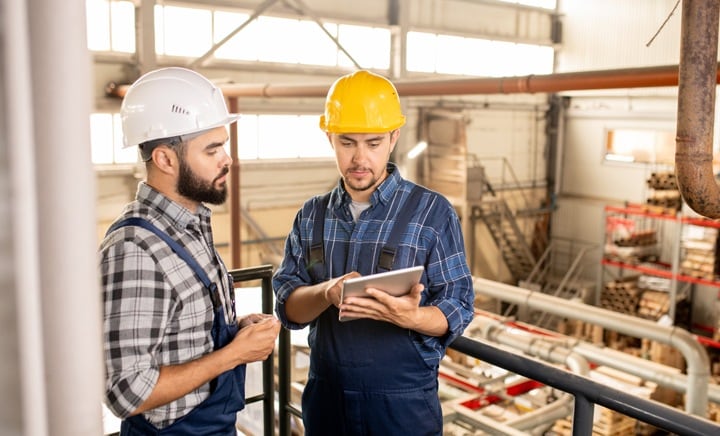 5 Ways Smart Sensor Data Brings Benefits for Your Business
Smart technology is expanding its horizons to sensor products, and it has completely changed the concept, integration, and application of these devices.
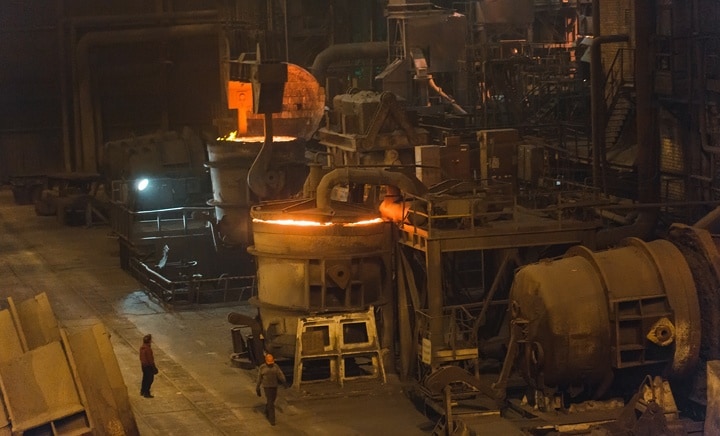 What Is And How Does A Thermocouple Work? | Omega Engineering
Temperature can be measured via a diverse array of sensors. All of them infer temperature by sensing some change in a physical characteristic.
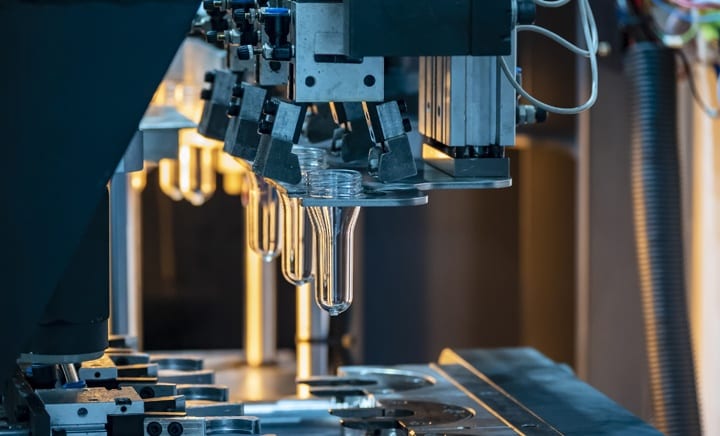
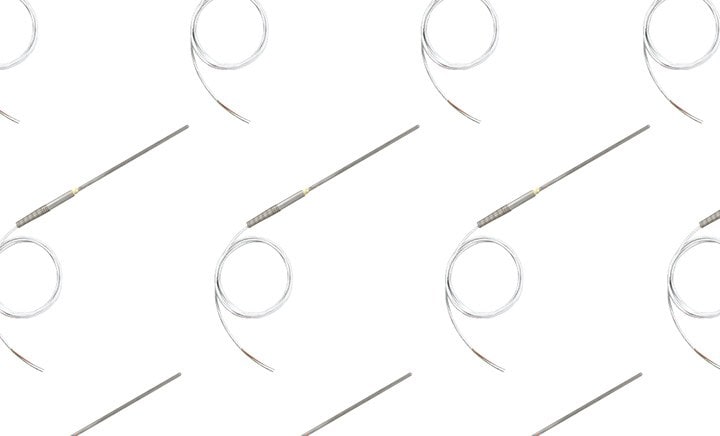 DwyerOmega | Blog | All About Thermistors
A thermistor is an element with an electrical resistance that changes in response to temperature.
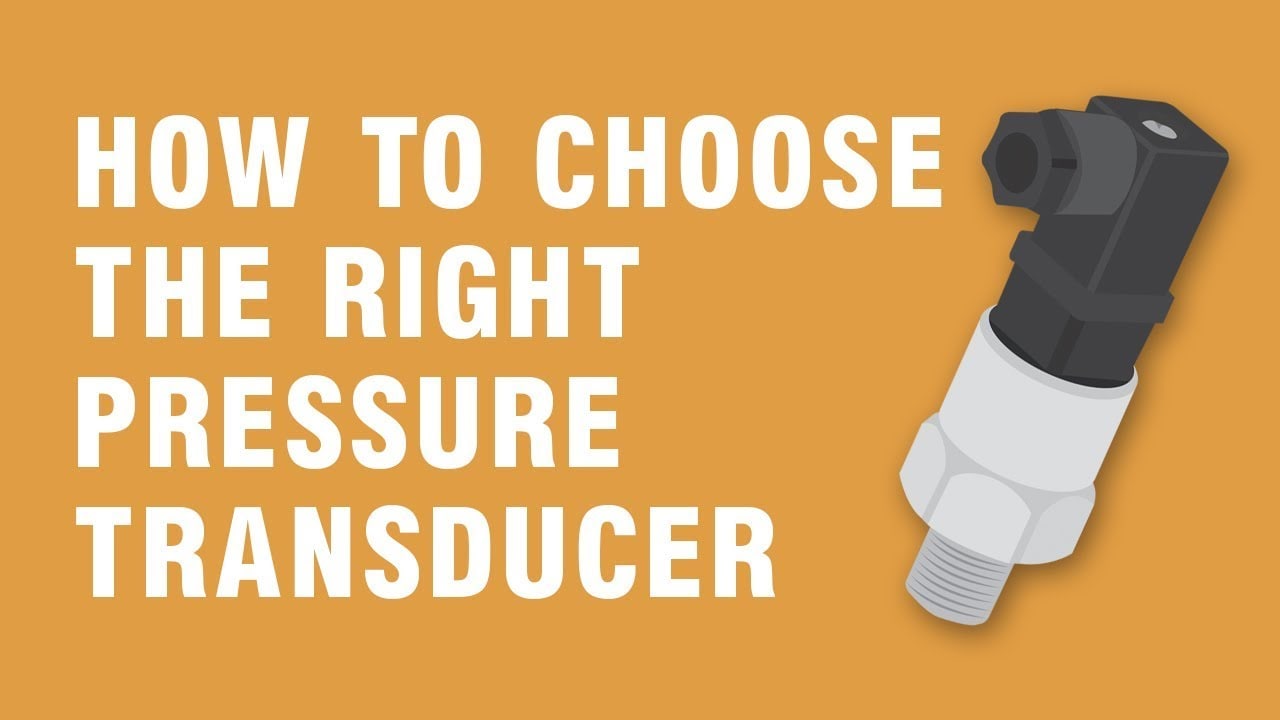
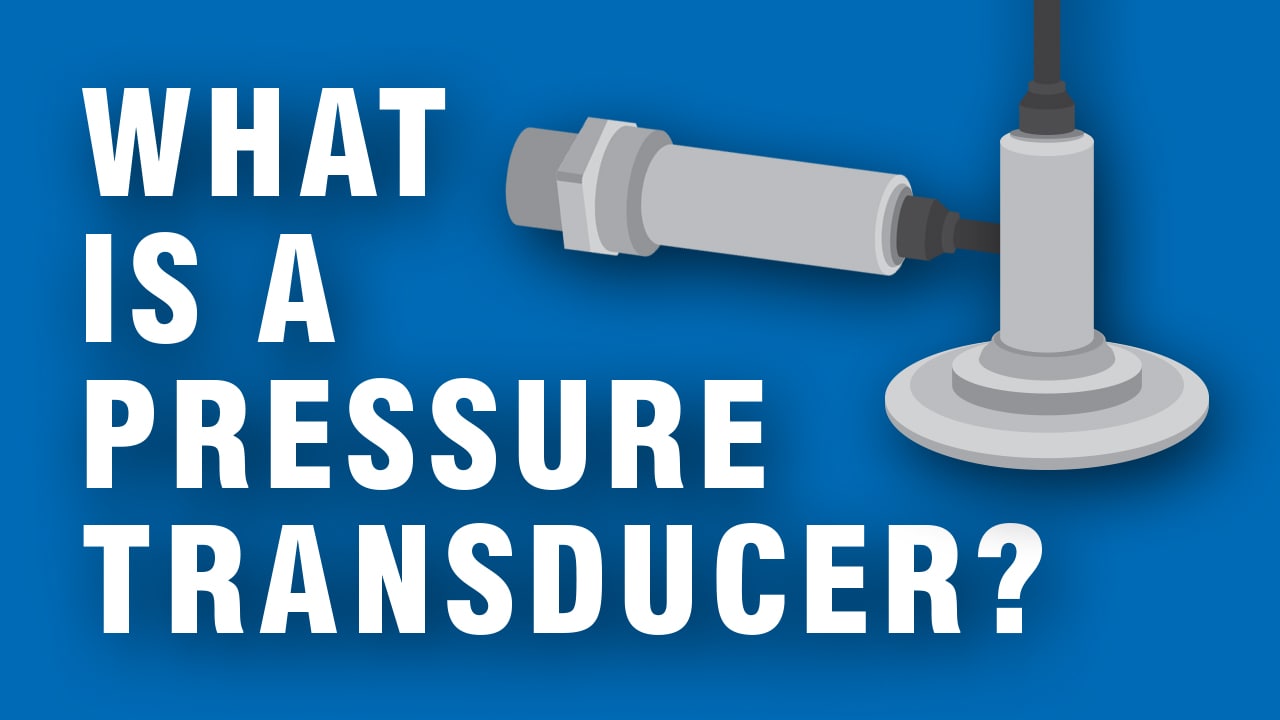
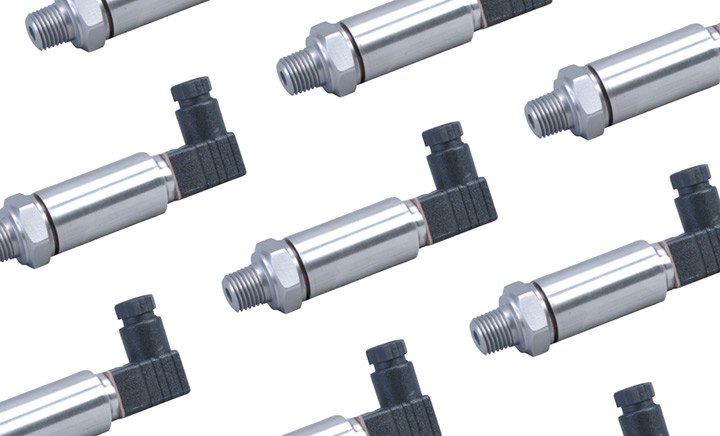 What is a Pressure Transducer?
A pressure transducer, often called a pressure transmitter, is a transducer that converts pressure into an analog electrical signal. Although there are various types of pressure transducers, one of the most common is the strain-gage base transducer.
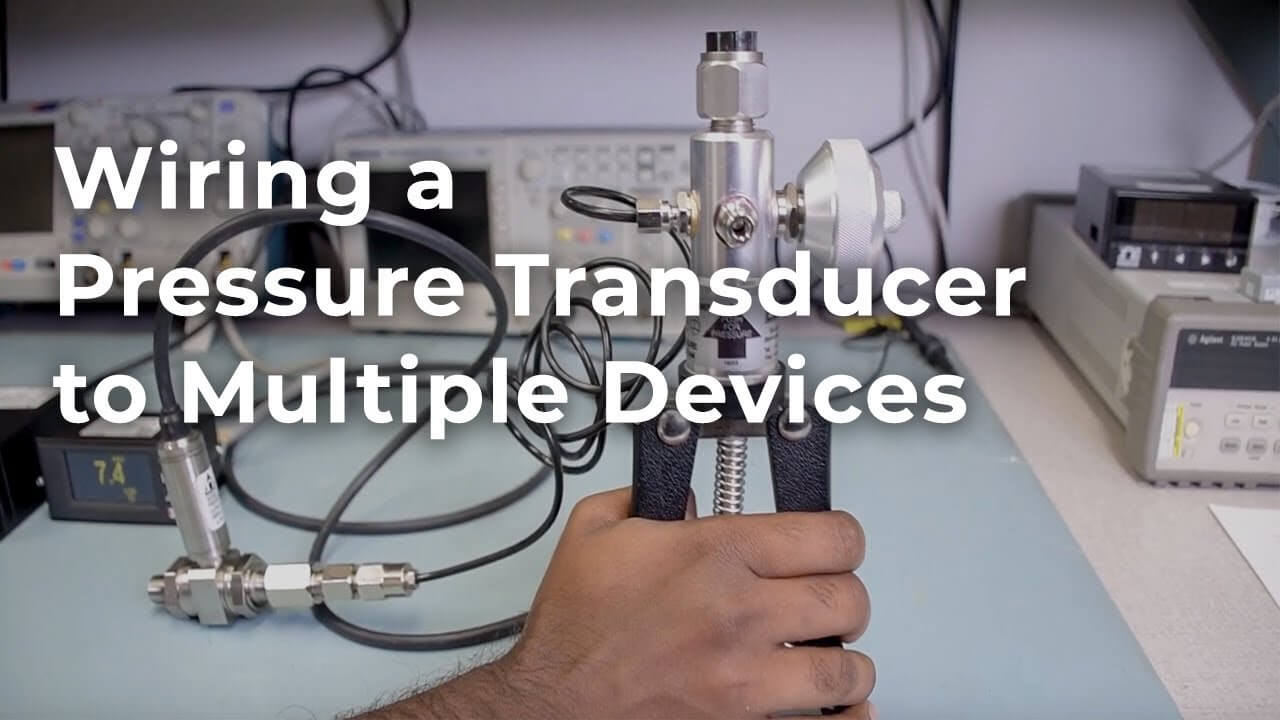
 Pressure Transducers |Installation and Wiring Diagrams
OMEGA transducers have three main types of electrical outputs; millivolts (mV), volts (V), and current (mA). It is important for the user to know which output suits his application to ensure proper selection of a transducer.

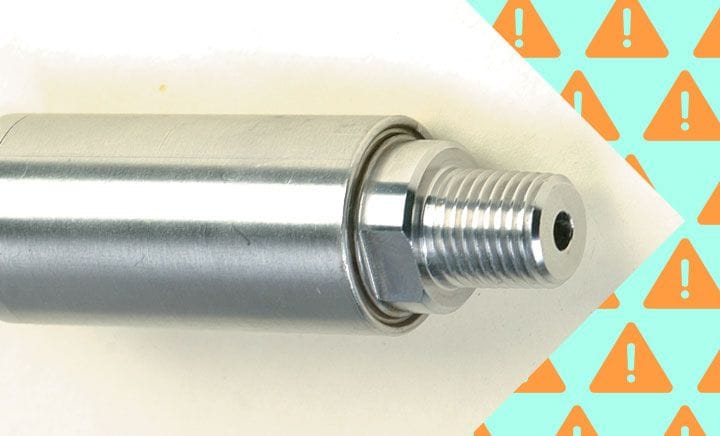 Testing and Troubleshooting Pressure Transducers | Omega
When you’re troubleshooting pressure transducer problems, the first step is to ascertain that the device in place is the right one for its environment.
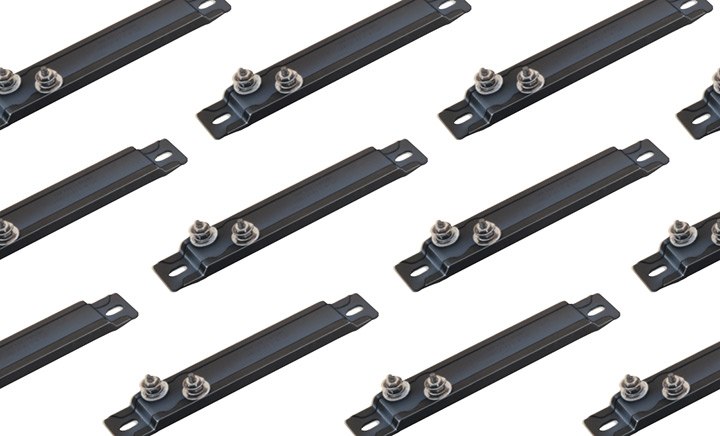 What Is A Strip Heater And What Is It Used For?
A strip heater is a device which is mounted on a surface and used to heat the surface or air (gasses).
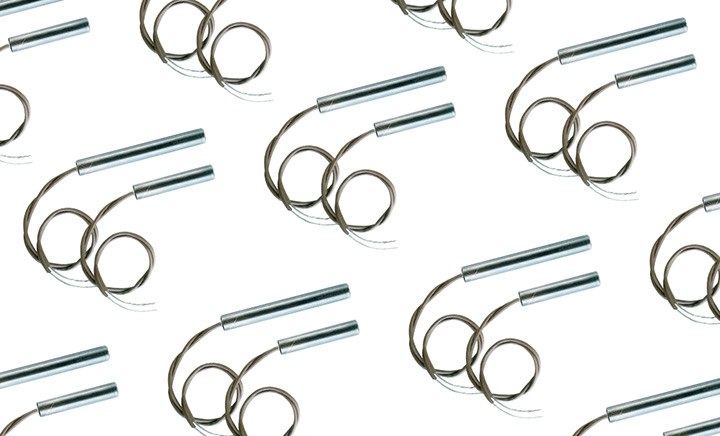 What Is A Cartridge Heater And What Is Used For? – Omega Engineering
Cartridge heaters are most frequently used for heating metal parts by insertion into drilled holes.
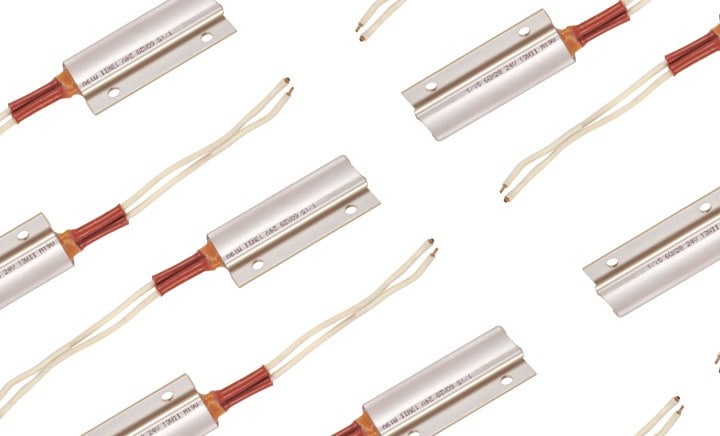 what is an industrial electric heater?
Electric heaters are used in a variety of processes where the temperature of an object or process needs to be increased.
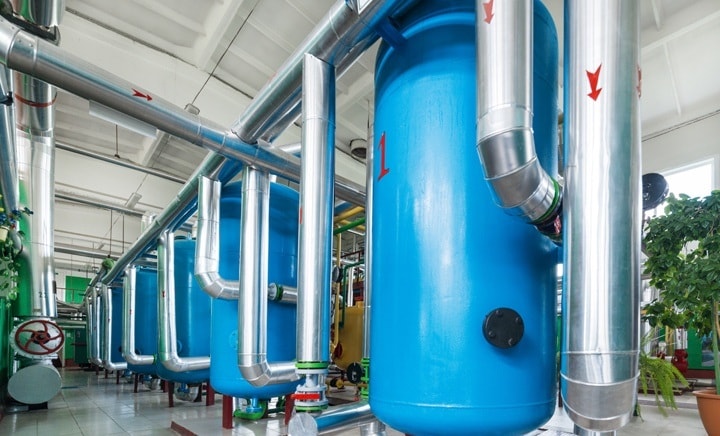 Everything you need to know about Immersion Heaters
An immersion heater is a device which is installed in a tank or container to heat a liquid. The installation can be over-the-side, flanged, or threaded.
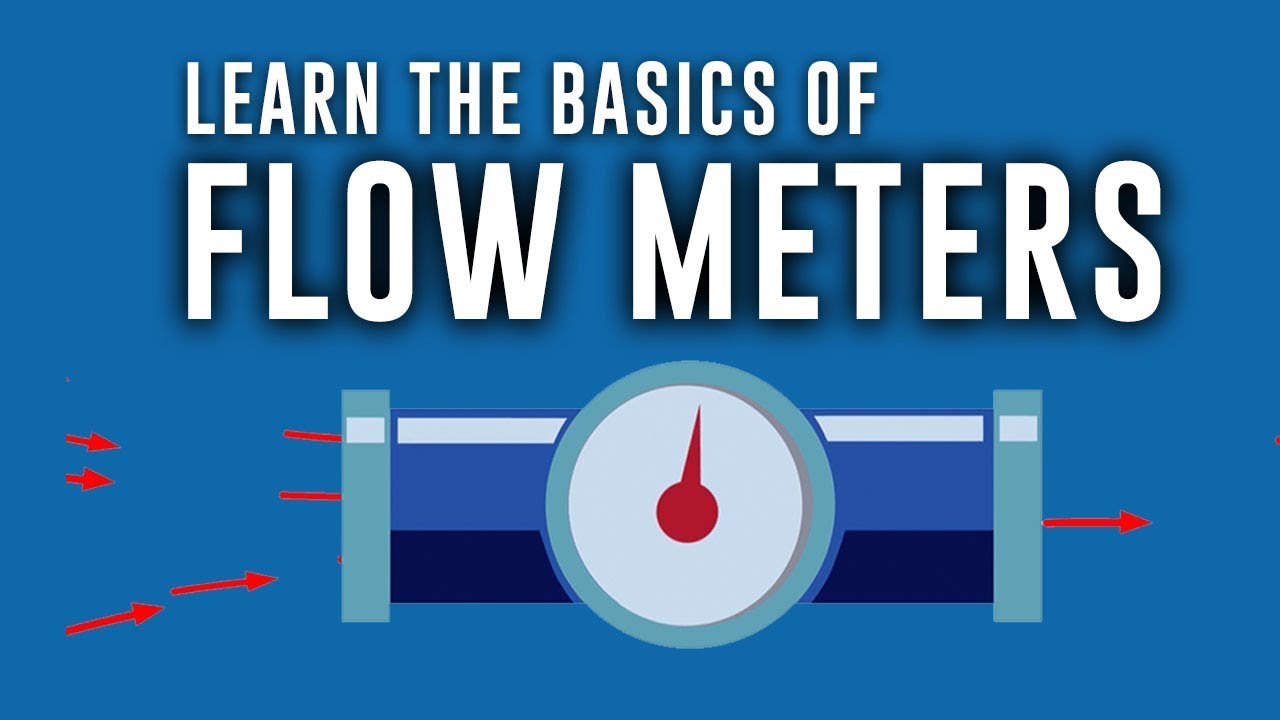
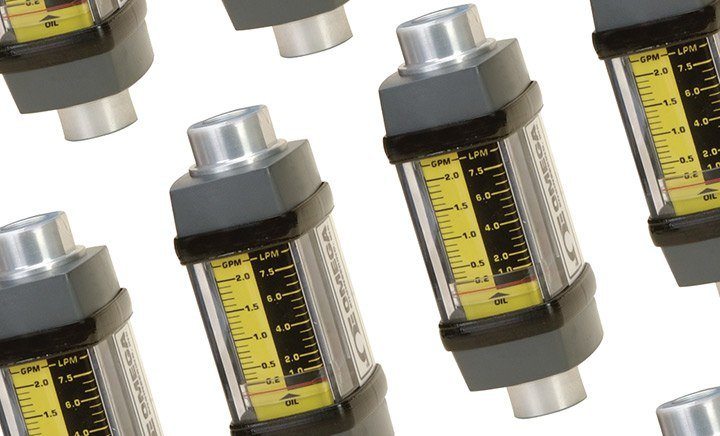 An Introduction to Flow Meters
As the name implies a Flow meter is an instrument for monitoring, measuring, or recording the rate of flow, pressure, or discharge of liquids or gasses.
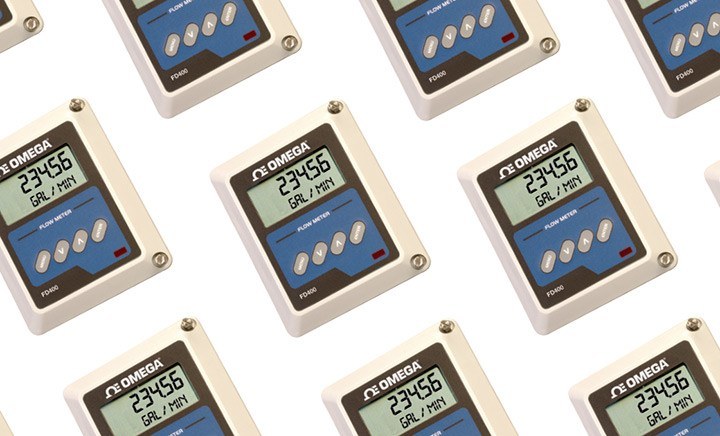 What is an Ultrasonic Flow Meter?
An ultrasonic flow meter (non-intrusive Doppler flow meter) is a volumetric flow meter which requires particulates or bubbles in the flow.
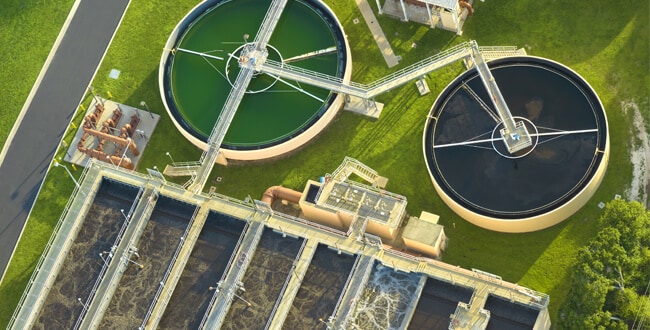 DwyerOmega | Blog | What Are Electromagnetic Flow Meters?
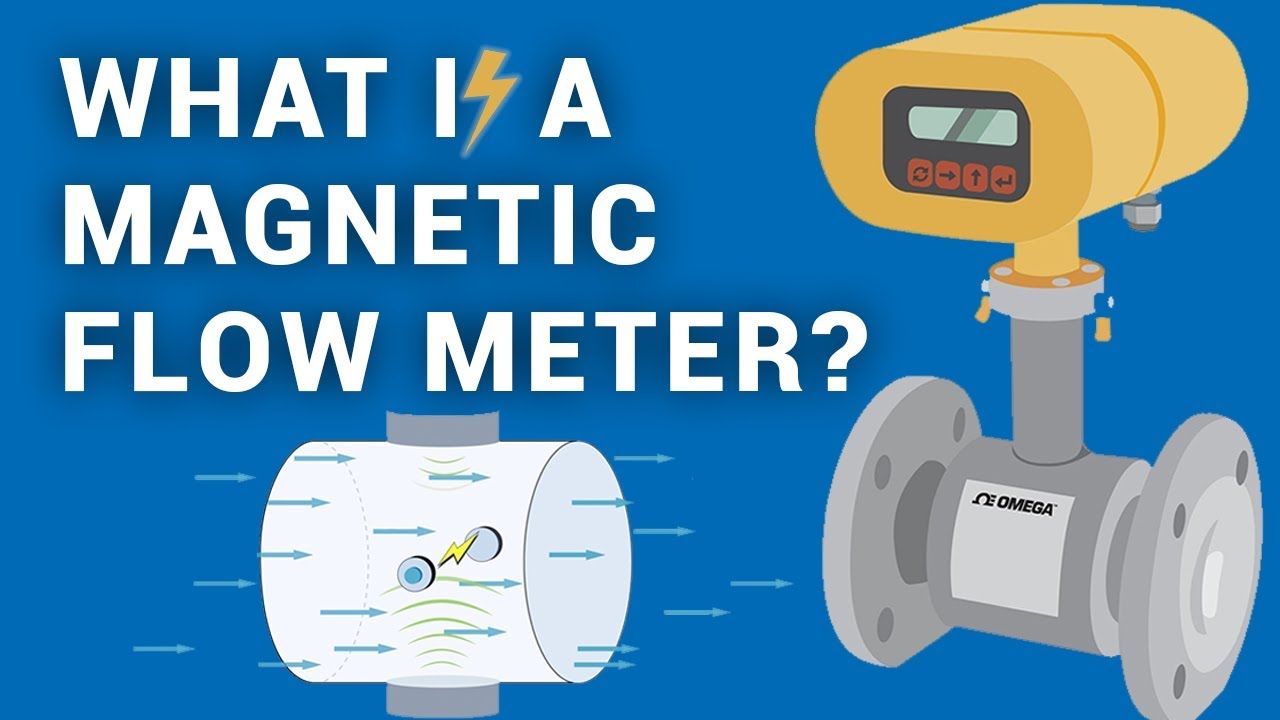
A magnetic flow meter (mag flow meter) is a volumetric flow meter which does not have any moving parts and is ideal for wastewater applications or any dirty liquid which is conductive or water based.
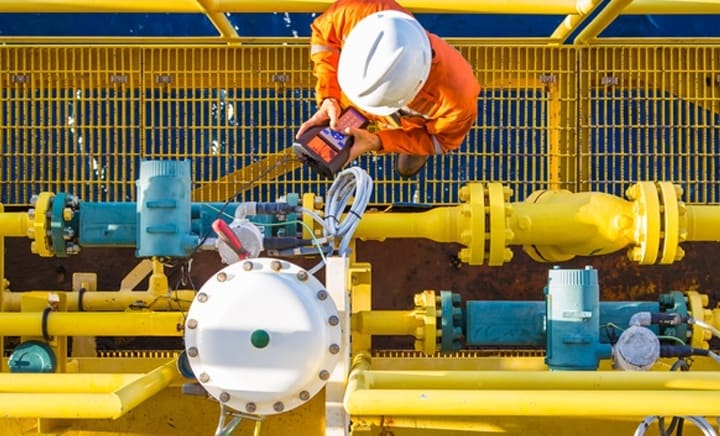 What Is A Coriolis Flow Meter and How Does It Work
A Coriolis flow meter is a type of mass flow meter. It is designed differently and works differently than thermal or differential mass flow meters.
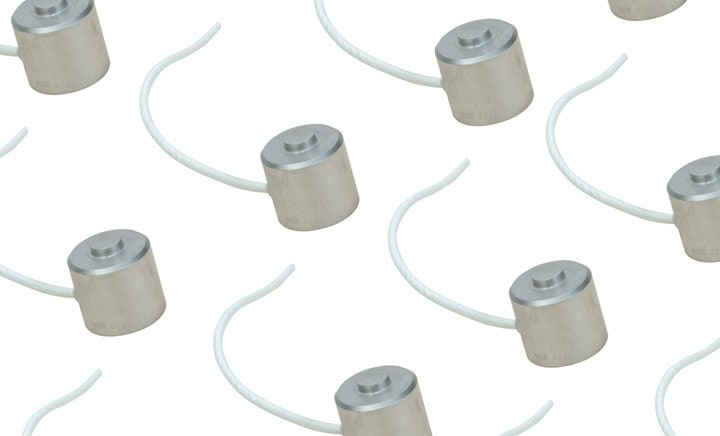
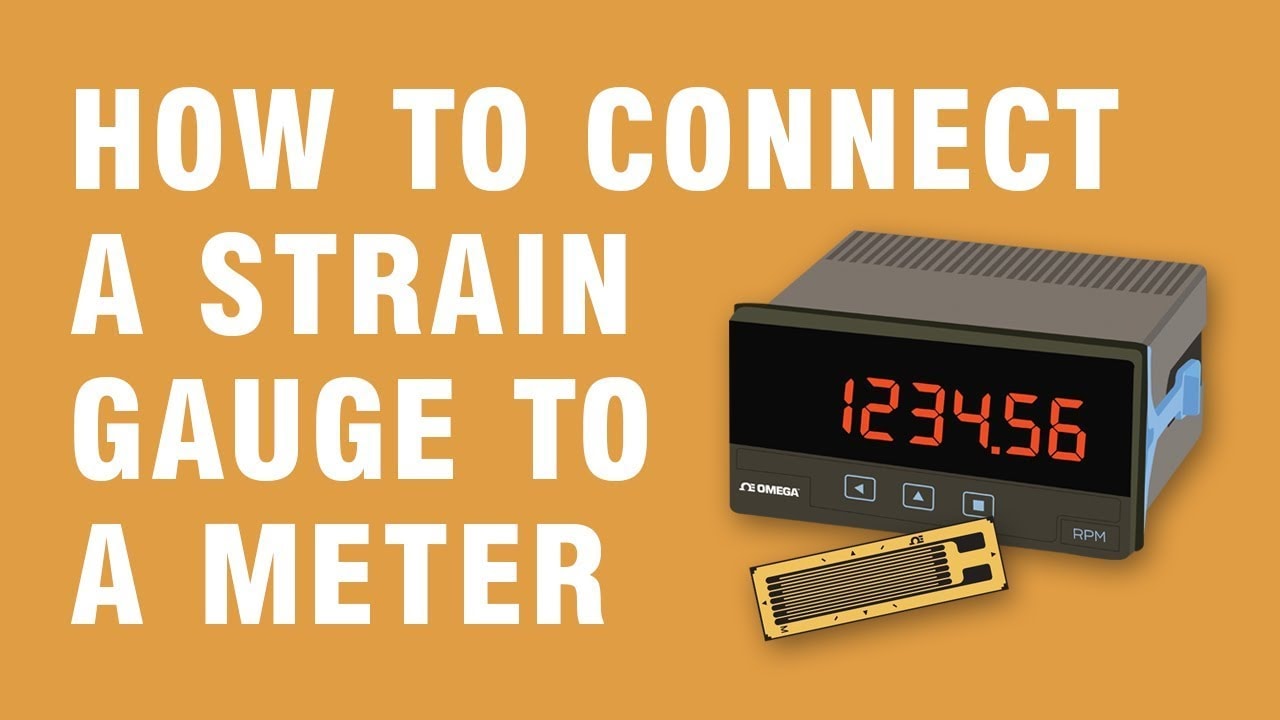
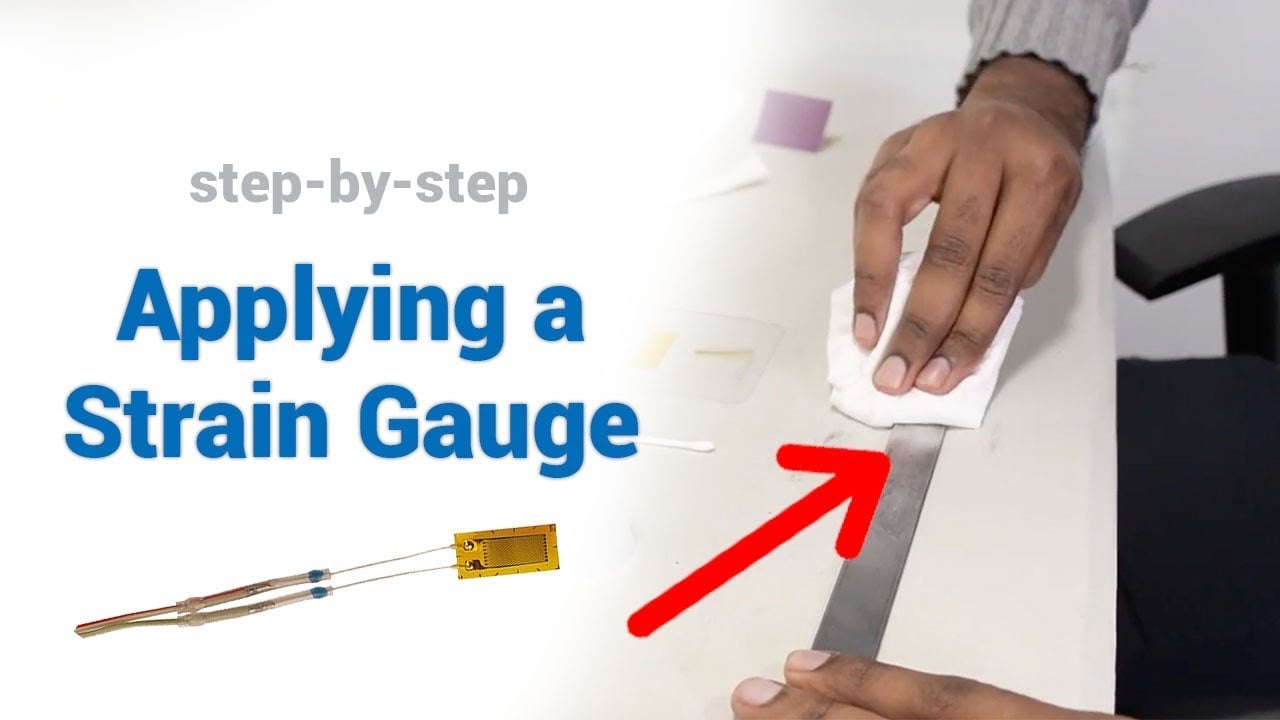
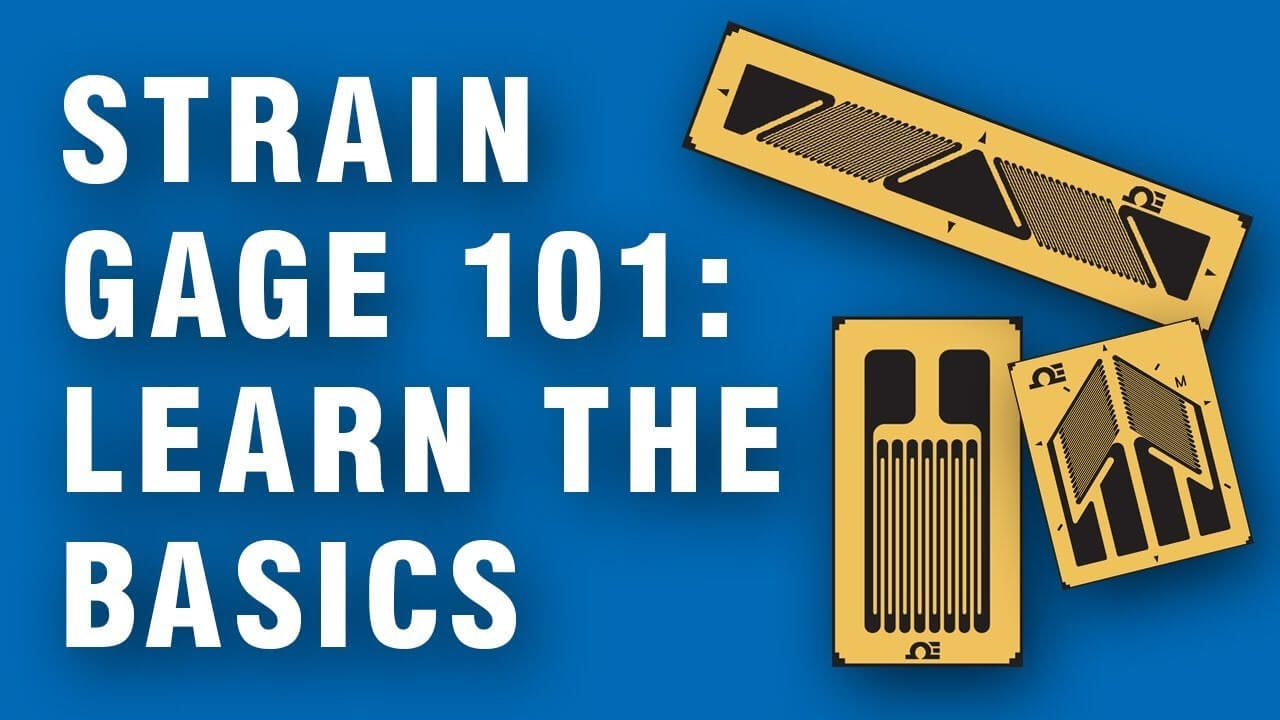
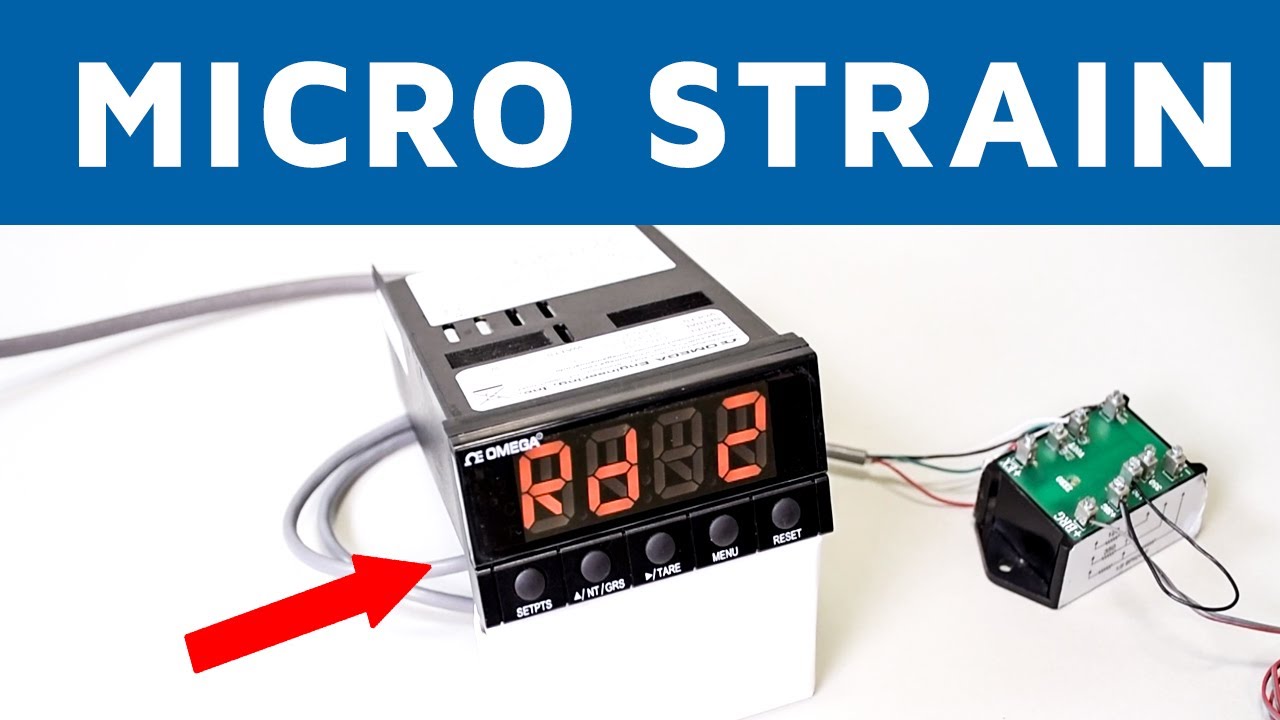
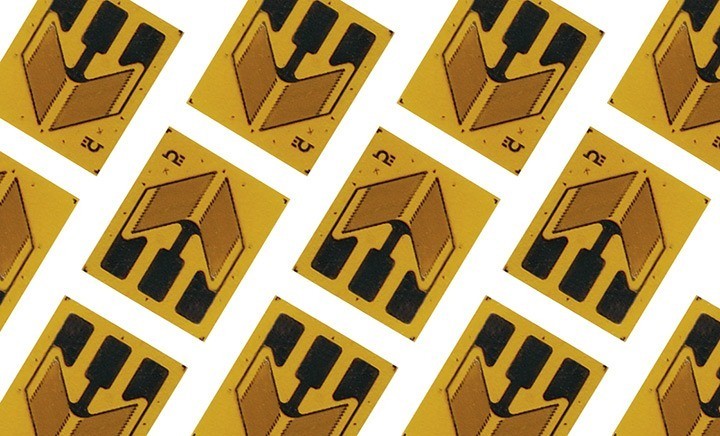 Strain Gages - Omega Engineering Canada
Jauges de contrainte (jauges) : qu’est-ce qu’une jauge de contrainte? Une jauge de contrainte est un capteur dont la résistance varie selon la force appliquée.
 DwyerOmega | Blog | What are LVDT Sensors?
An LVDT is an electromechanical device used to convert mechanical motion or vibrations, specifically rectilinear motion, into a variable electrical current, voltage or electric signals, and the reverse.
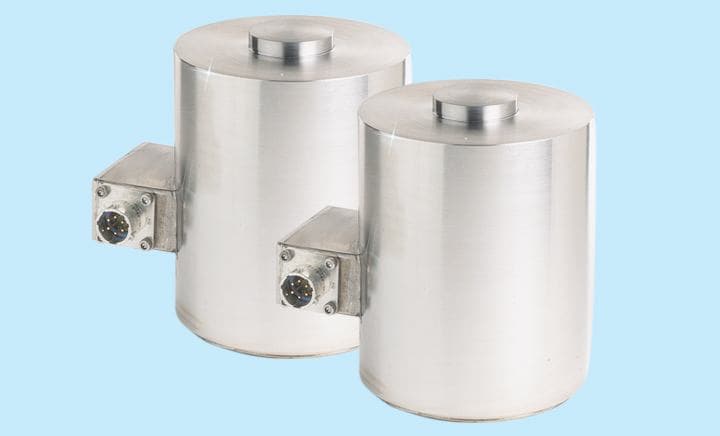 DwyerOmega | Blog | Installing Load Cells
Each load cell installation is unique. Consult a structural engineer when your application requires very high accuracy, long-term stability, custom specifications, or when using in a varied R&D environment.