


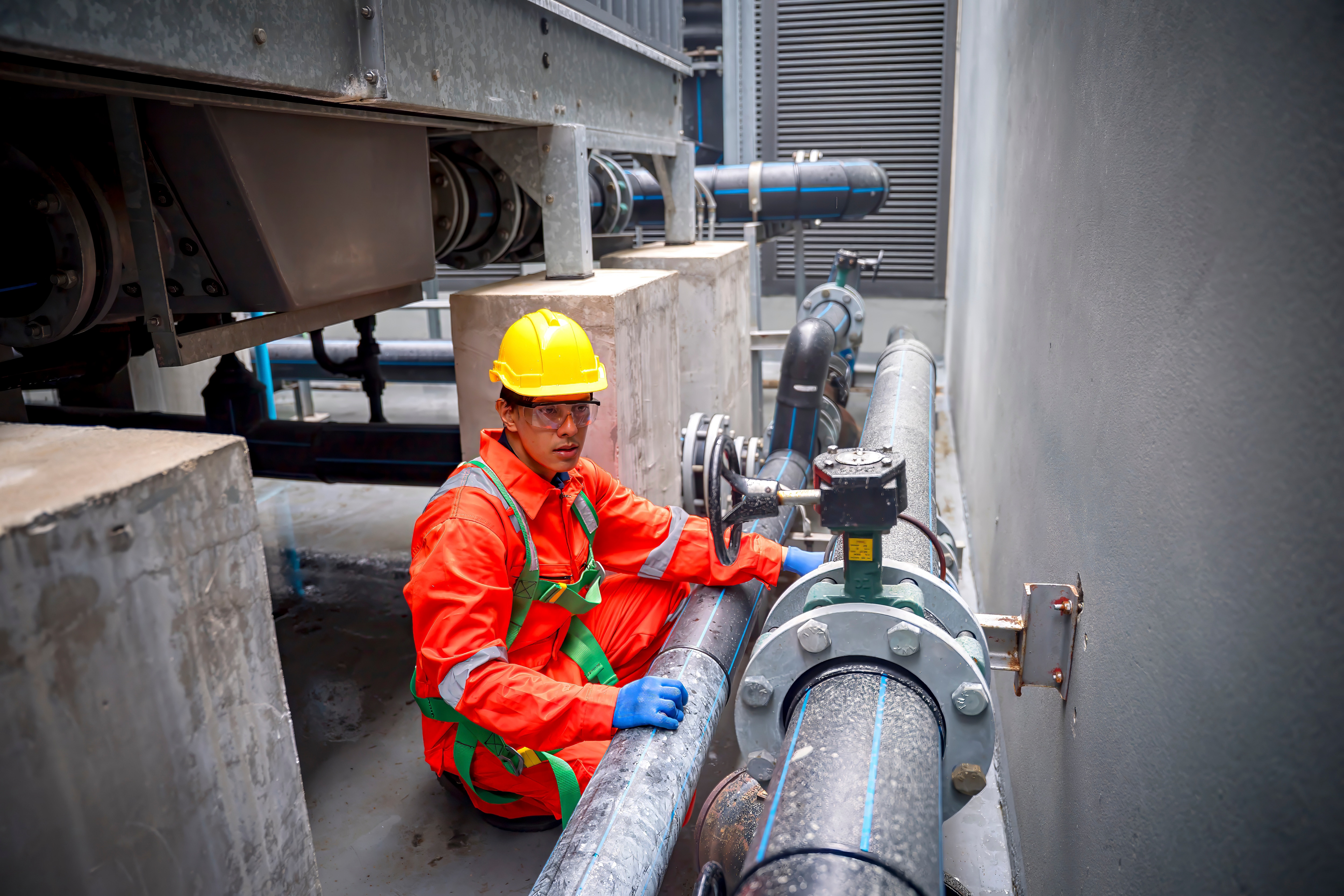
A sanitary sensor is a device, typically used for temperature, pressure, flow, or level, that is designed for processes where the product will be consumed by humans or applied to the human body.
In many industrial environments, selecting a sensor typically involves considering factors such as temperature extremes, vibration, or corrosive exposure usually define the selection criteria.
However, when the process involves sanitary regulation (like those in the food & beverage, pharmaceutical, and cosmetic industries), an additional and critical requirement applies: contamination prevention. In applications such as these, the wrong sensor can compromise an entire process.
This is where 3-A Sanitary Standards come into play.
Innovative Solutions from DwyerOmega
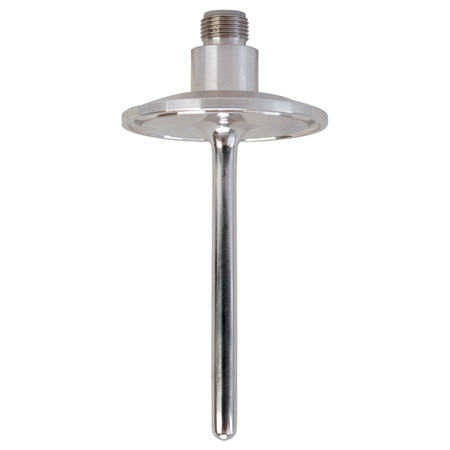
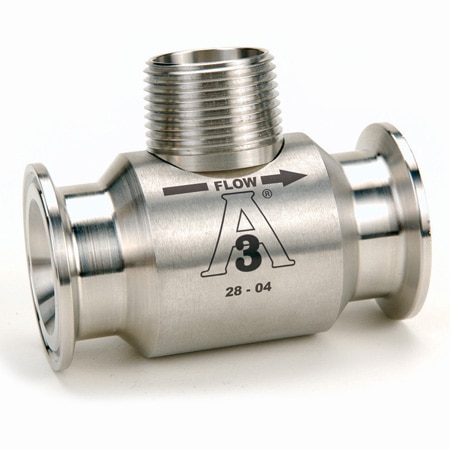
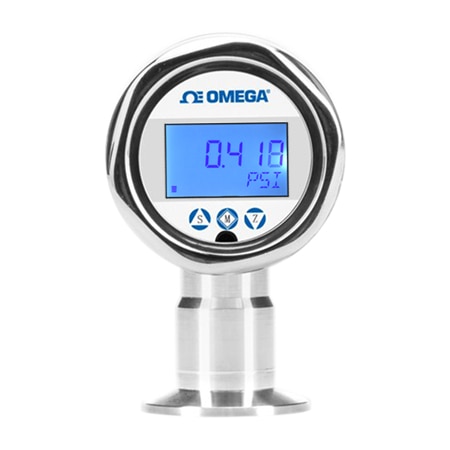
Understanding 3-A Sanitary Standards
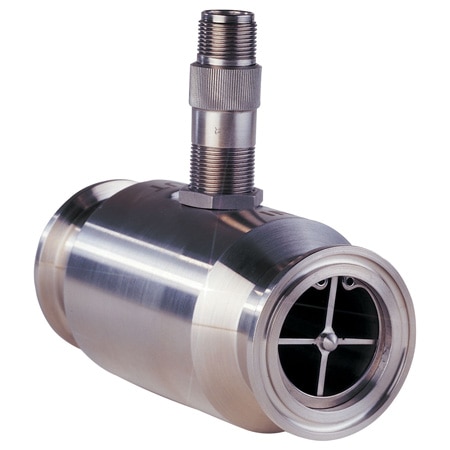
Standardized hygienic equipment design began in earnest in the 1920s, when the first formal sanitary design criteria were developed for the dairy industry. These early requirements became known as 3-A standards, named for the three groups that collaborated to improve equipment sanitation and food safety:
- Regulatory sanitarians
- Equipment fabricators
- Food processors
The membership consists of three associations: International Dairy Foods Association, Food Production Solutions Association, the International Association for Food Protection and representatives of the U.S. Department of Agriculture and the U.S. Food & Drug Administration.
Common Sanitary Process Industries and Application Considerations
| Industry | Typical Products | Sanitary Considerations |
|---|---|---|
| Dairy Products | Milk, cheese, yogurt, ice cream | High risk of bacterial growth; strict CIP and surface finish requirements |
| Food Products | Syrup, jam, sauces, soups, oils | Viscous or sticky fluids; low-retention designs critical |
| Beverages | Soda, fruit juice, beer, water | Frequent washdowns; compatibility with temperature cycling |
| Pharmaceutical Products | Medications, ointments, solutions | Validation, repeatability, and cleanability are critical |
| Cosmetics & Personal Care | Creams, lotions, lipstick | Thick formulations; smooth surfaces to prevent residue buildup |
3 Design Features that Help in Preventing Contamination
Beyond accurate measurement and reliable operation, a primary objective of sanitary sensor design is to maintain product sterility and minimize the risk of contamination. Because these sensors are often installed directly into a process and make direct contact with materials and product, what they are made of, how they function, and methods of installation are all variables that must be carefully considered. Effective sanitary design, therefore, focuses not only on what the sensor measures, but on how it interacts with the product and the cleaning processes required to keep the system safe.
Three design factors play a primary role in achieving this goal:
1. Sensor Surface Requirements
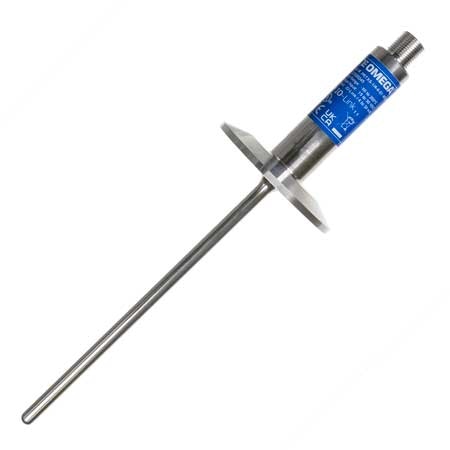
Any surface exposed to a sanitary process can become a site for contamination if it allows residue to cling or microbes to grow.
3-A Sanitary Standards specify that product contact surfaces must be:
- Smooth and non porous
- Resistant to corrosion and pitting
- Non reactive and non contaminating
- Capable of being thoroughly cleaned
2. Mechanical Design and Installation Considerations
Even when appropriate materials are used, poor mechanical design or installation can introduce contamination risks.
To meet sanitary requirements:
- Components must avoid crevices, dead legs, and trapped volumes
- Assembly methods must support clean, sealed construction
- Wetted geometries should promote full drainage
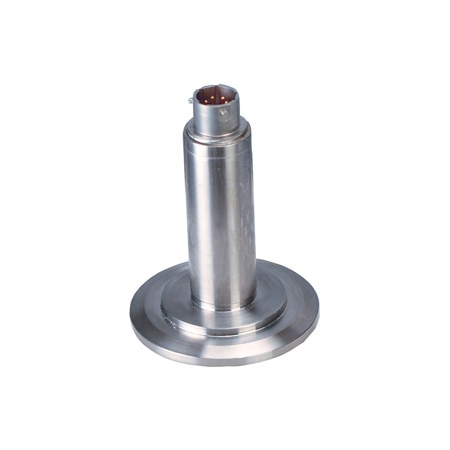
3. Cleanability and CIP Compatibility
Productivity and safety both benefit when sensors can be cleaned without removal. This approach, known as Clean in Place (CIP), reduces downtime, labor, and handling-related contamination risks.
Sensors that require frequent removal for manual cleaning or inspection increase turnaround time between batches and introduce additional opportunities for error.
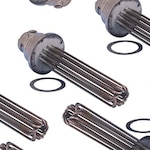
What Is An Immersion Heater? Types Of Immersion Heating Elements What is an Immersion Heater?
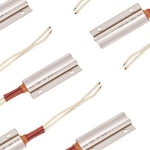
what is an industrial electric heater? What is an industrial heater?