



An unsung hero of the classroom is the HVAC system: students spend hours each day indoors, and indoor environmental quality is an essential factor in ensuring that the optimal learning experience is achieved. A properly designed HVAC system, composed of a network of sensors and transmitters, regulates indoor temperature, controls humidity, delivers fresh outdoor air, filters airborne contaminants, and distributes conditioned air evenly throughout the room.
The Goals of a Classroom HVAC System
The primary role of an HVAC system in a classroom is to create an indoor environment that supports student health, comfort, and concentration.
A properly designed and controlled classroom HVAC system is responsible for:
- Maintaining comfortable temperatures throughout the year despite changing outdoor weather conditions and varying classroom occupancy
- Controlling indoor humidity to improve occupant comfort while reducing the risk of condensation, mold growth, and damage to building materials
- Providing adequate outdoor ventilation to dilute carbon dioxide (CO₂) and other indoor contaminants while supplying fresh air to occupants
- Removing airborne particles and contaminants through properly maintained filtration systems to help improve indoor air quality
- Maintaining consistent airflow so conditioned air is distributed evenly throughout the classroom, minimizing hot and cold spots
- Operating efficiently by delivering the required heating, cooling, and ventilation while minimizing energy consumption and operating costs
To accomplish this, building automation systems (BAS) rely on a network of sensors and transmitters that continuously measure temperature, humidity, airflow, pressure, carbon dioxide levels, and other critical operating parameters.
HVAC Instrumentation That Supports Classroom Performance
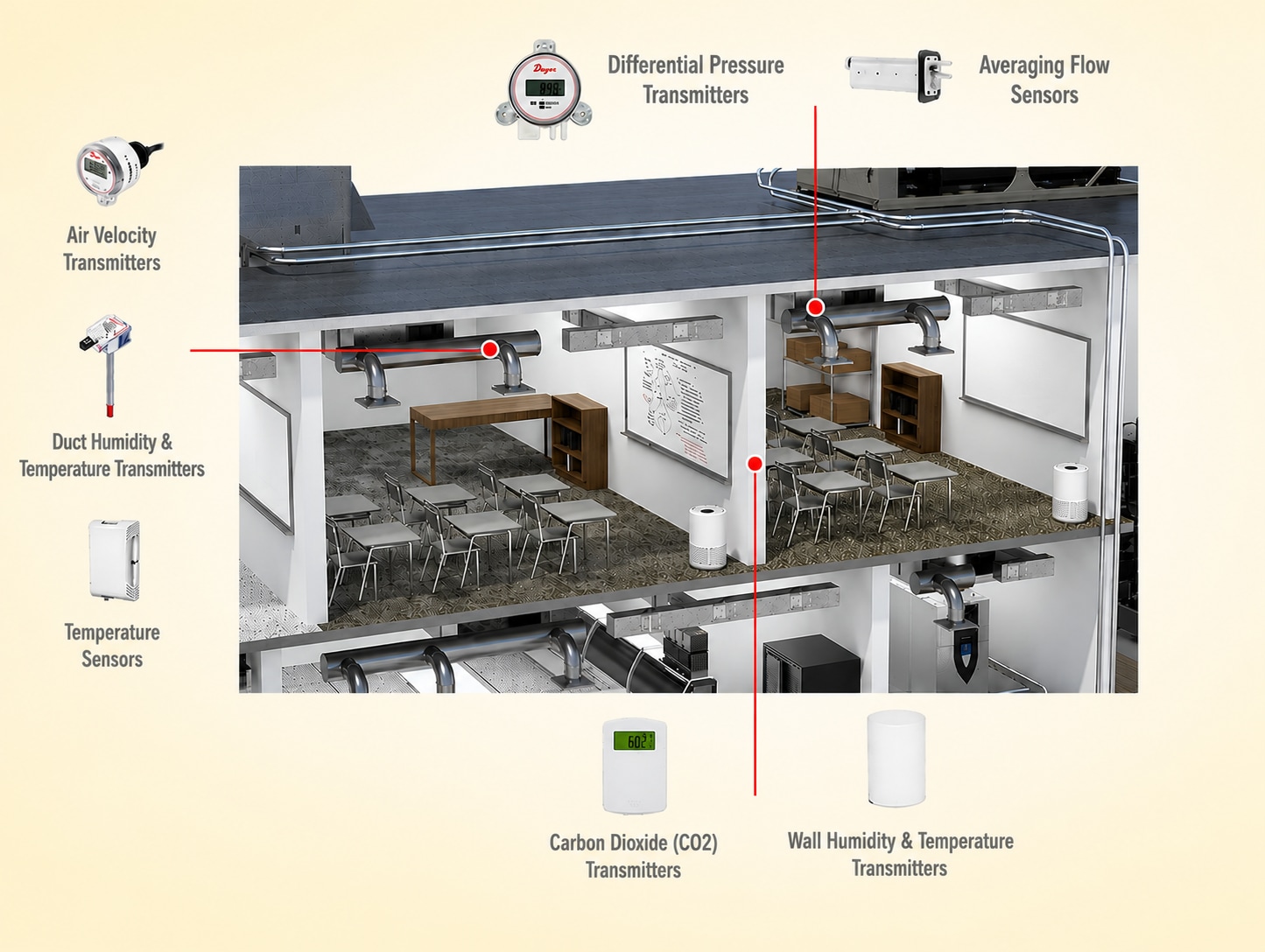
Wall Humidity and Temperature Transmitters
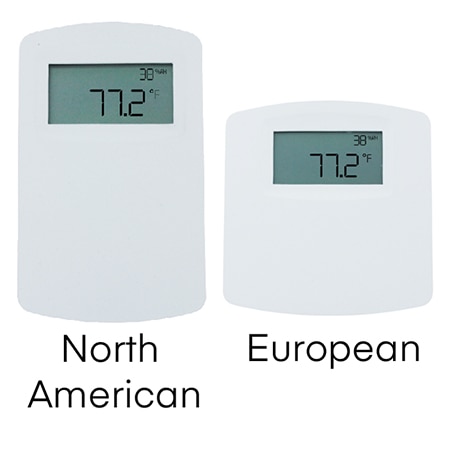
Wall-mounted humidity and temperature transmitters provide the building automation system with direct measurements of classroom environmental conditions. Since these sensors are located within the occupied space, they monitor the conditions students and teachers actually experience rather than those inside the HVAC equipment.
Temperature measurements allow the HVAC system to regulate heating and cooling, while humidity measurements help maintain occupant comfort and reduce the likelihood of condensation or mold growth, allowing the BAS to make continuous adjustments and maintain stable classroom conditions despite changing occupancy levels and outdoor weather.
Temperature Sensors
While wall-mounted transmitters monitor classroom conditions, temperature sensors installed throughout the HVAC system monitor the performance of the equipment itself. These measurements allow the building automation system to verify that heating and cooling components are operating correctly before conditioned air reaches occupied spaces.
Carbon Dioxide Transmitters
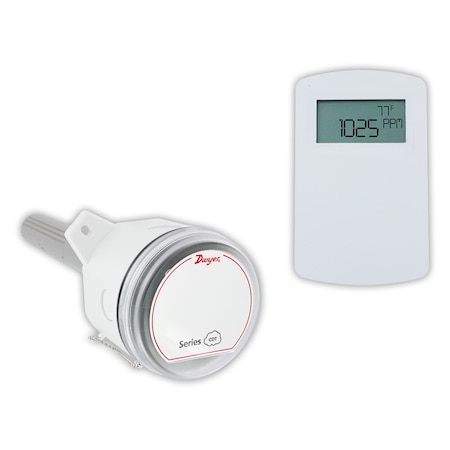
Carbon dioxide (CO2) transmitters help HVAC systems estimate classroom occupancy by measuring the concentration of carbon dioxide in the air. As students and teachers exhale CO₂ throughout the day, indoor concentrations gradually increase, providing an indication of how much fresh outdoor air is needed to maintain acceptable indoor air quality.
Duct Humidity and Temperature Transmitters
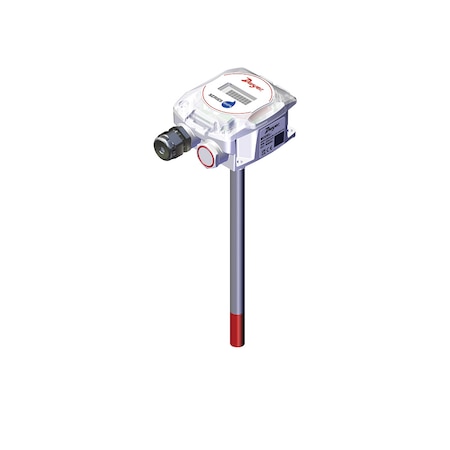
While room sensors measure occupied conditions, duct humidity and temperature transmitters monitor the condition of the air as it travels through the HVAC system. These measurements help verify that heating, cooling, humidification, and dehumidification equipment are performing as intended before conditioned air reaches the classroom.
Installed within supply and return ductwork, these sensors are commonly used to monitor supply air conditions, evaluate dehumidification performance, support economizer operation, and verify heating and cooling coil performance. They also provide valuable diagnostic information that helps identify system problems before they affect occupant comfort.
Air Velocity Transmitters

Air velocity transmitters measure the speed at which air moves through ducts or ventilation systems. This information helps verify that fans, dampers, and ventilation systems are delivering air at the intended rate and that critical spaces receive adequate airflow.
In classroom HVAC systems, air velocity measurements may be used to verify ventilation performance, monitor fan operation, and support airflow balancing. They are especially valuable in laboratories, science classrooms, and other specialized educational spaces where maintaining specific ventilation rates is essential for occupant safety.
Differential Pressure Transmitters
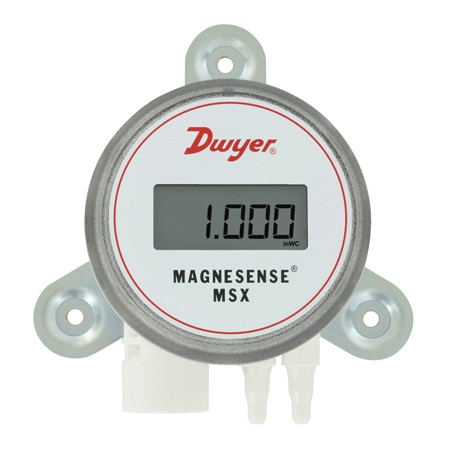
Unlike temperature or humidity sensors, differential pressure transmitters do not measure occupant comfort. Instead, they monitor the mechanical performance of the HVAC system by measuring the pressure difference between two points. This information helps the building automation system verify that air is moving through the system as intended and that critical components are operating efficiently.
Averaging Flow Sensors
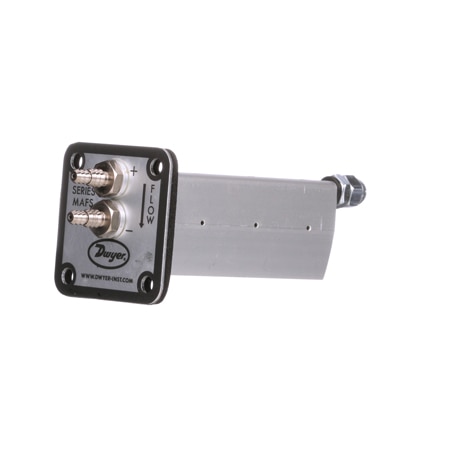
While air velocity can vary significantly across a large duct, HVAC systems must determine the total volume of air being delivered. Averaging flow sensors address this challenge by sampling pressure at multiple points across the duct, producing a more representative measurement of overall airflow than a single-point sensor.
These sensors provide valuable feedback for VAV systems, helping ensure each classroom receives the amount of conditioned air required to maintain comfort and indoor air quality. Because occupant comfort depends on the volume of conditioned air reaching each space, airflow, not simply fan speed, is the parameter that ultimately matters.
What Is A Stepper Motor & Controllers? – Omega Engineering Introduction to Stepper Motors
