


In complex electrical systems, such as those found in vehicles, industrial machinery, and building automation, not all components operate at the same power level. Certain devices (like motors, heaters, or lighting circuits) require significant electrical power while control elements (such as sensors, switches, and controllers) operate using low-power signals. Managing these differences safely and reliably is essential to system performance and longevity, and relays are where industry professionals turn to achieve such control.
What are Relays?
Relays are electrically controlled switches used to manage the flow of electricity within a circuit. They allow a low-power electrical signal to control a higher-power circuit, enabling coordination between sensitive control systems and power-hungry devices. This separation between control and load circuits helps reduce electrical risk and supports safe, predictable operation. By isolating low-voltage control signals from higher voltages and currents, relays protect sensitive electronics from electrical stress, surges, and faults.
Innovative Solutions from DwyerOmega

Common Relay Designs
Multiple relay designs may be suitable for a given application, depending on system requirements. Factors such as electrical load, switching frequency, response time, environmental conditions, and expected service life all influence relay selection. Understanding the major relay types and their characteristics helps ensure reliable and efficient system design.
While relays share the same basic function, differences in construction and operating principles result in distinct performance strengths and limitations. The most common relay categories include mechanical (electromechanical) relays and solid state relays.
Mechanical Relays
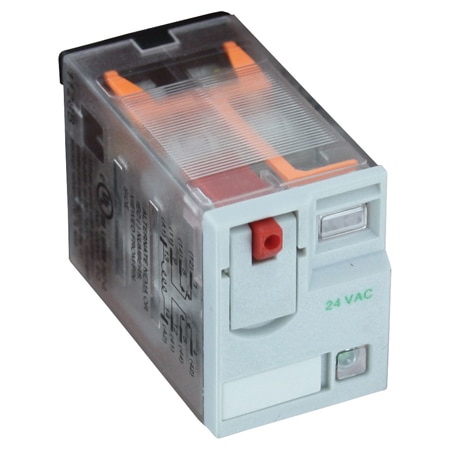
Mechanical relays, also known as electromechanical relays, control electrical current using physical moving contacts. These devices consist of an electromagnetic coil, a movable armature, contact sets, and a return spring. When current flows through the coil, it creates a magnetic field that moves the armature and either opens or closes the contacts, depending on the relay configuration.
A key advantage of mechanical relays is their ability to switch relatively high currents and voltages while providing galvanic isolation between the control circuit and the load. For this reason, they are widely used in automotive systems, industrial equipment, HVAC systems, and general control panels.
However, mechanical relays have inherent limitations. Because they rely on moving parts, they are subject to mechanical wear over time. Repeated switching can lead to contact degradation, arcing, and slower response speeds compared to non mechanical alternatives. Despite these limitations, mechanical relays are still commonly used due to their straightforward operation, cost effectiveness, and suitability for high power switching.
Solid State Relays
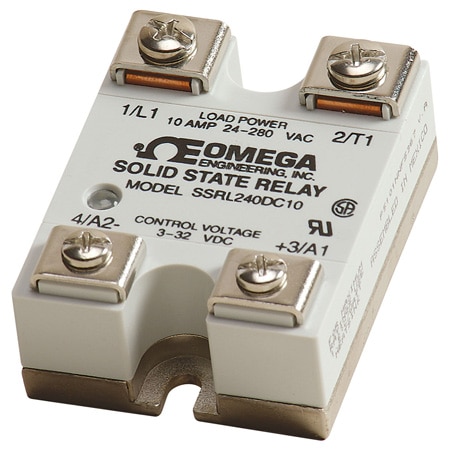
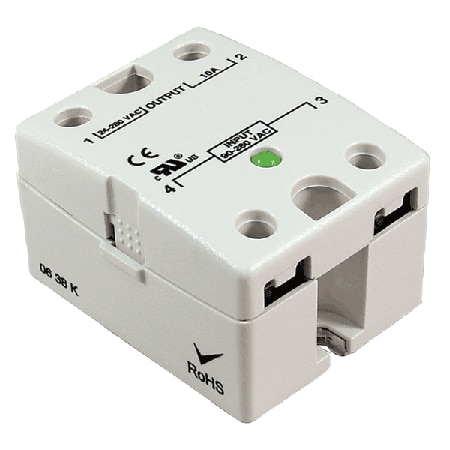
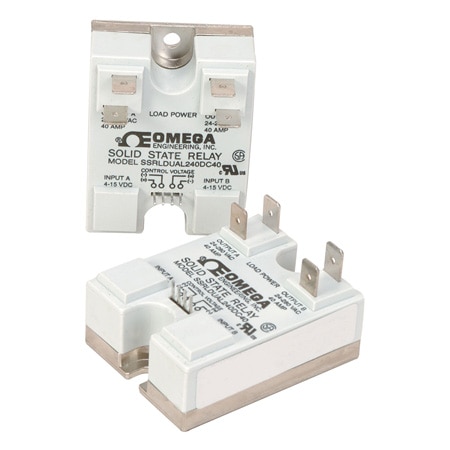
Solid state relays perform the same basic switching function as mechanical relays but do so without moving parts. Instead of an electromagnetic coil and contacts, solid state relays use semiconductor components to control current flow.
The absence of mechanical components allows solid state relays to switch faster and operate silently, with no contact bounce or mechanical wear, making them well suited for applications that require precise timing, high switching frequencies, or long operating life, such as industrial automation, temperature control, and heating systems.
Solid state relays also provide a high degree of electrical isolation between control and load circuits, which supports safe operation in higher voltage environments. However, they can generate heat during operation and may require additional thermal management when switching larger loads. They also tend to have higher upfront costs and may be less suitable for extremely high current applications compared to mechanical relays.
Choosing the Right Relay
Selecting the appropriate relay involves balancing electrical requirements, environmental conditions, expected service life, and system constraints. Mechanical relays may be preferred for high current switching and straightforward control tasks, while solid state relays are often chosen for applications that benefit from fast, silent operation and reduced maintenance.
Understanding the functional differences between relay types helps ensure that each component performs reliably within its intended role. When applied correctly, relays remain a dependable and essential element in modern electrical and automation systems.
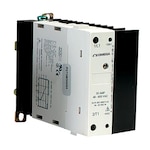

Chart Recorders Introduction to Chart Recorders