


Obtaining efficient energy generation while minimizing environmental impact is critical in the worldwide effort to meet global power demands. With eyes on the future, power plant operators are continuously seeking innovative solutions to optimize thermal efficiency, reduce operational costs, and maximize output.

Key instruments like Resistance Temperature Detectors (RTDs), Flow Meters, and Industrial Heaters are playing pivotal roles in revolutionizing these systems.
How RTDs Improve Power Plant Efficiency
Executing accurate monitoring and efficient management of thermal conditions are ongoing efforts in power plant operations. RTDs are relied on because they are capable of providing accurate and stable temperature measurements in even the most extreme of conditions – including in both very hot and very cold environments. Specific to power plant operations, RTDs are critical for maintaining optimal conditions in boilers, turbines, and heat exchangers.
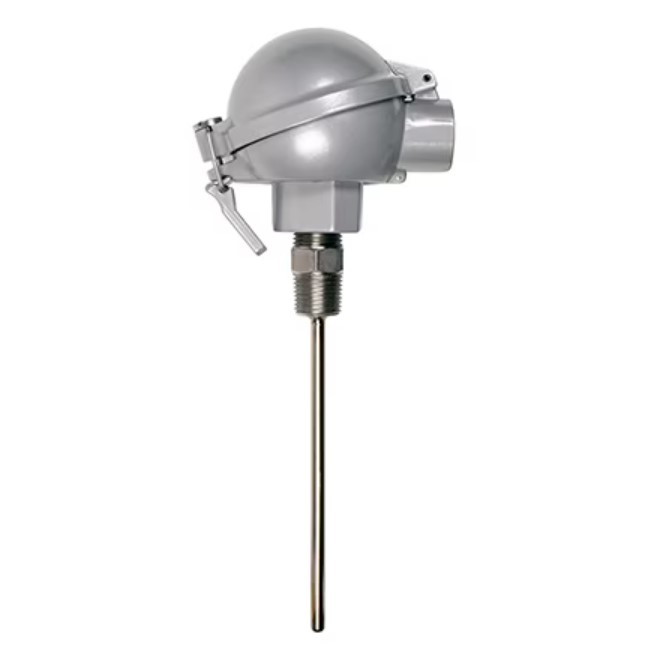
RTDs provide necessary data for predictive maintenance. By continuously tracking temperature data, potential issues can be detected early – before they develop into major problems.
For boilers, which are used to generate steam by heating water (typically through the combustion of fuel or other heat source), RTDs play a vital role in monitoring steam and feedwater temperatures. The feedwater, which enters the boiler from a water source, must be heated to the appropriate temperature before being turned into steam. If this temperature is too low, the boiler’s efficiency suffers, and if it’s too high, it could cause dangerous over-pressurization, leading to system failure or even catastrophic damage. By using RTDs to constantly monitor these temperatures, operators can adjust controls in real-time, ensuring the system operates within safe parameters, not only ensuring safe operation but also preventing energy waste.
For steam turbines, which are used to convert the energy from high-pressure steam or gas into mechanical energy (which in turn drives generators to produce electricity), maintaining the ideal steam temperature is critical for both performance and longevity. The steam entering the turbine must be at a specific temperature to maximize the turbine’s energy conversion efficiency and if the steam temperature is too high or too low, the turbine’s efficiency decreases, leading to suboptimal performance. More critically, temperature fluctuations can cause thermal stresses on the turbine’s materials, accelerating wear and tear and potentially shortening the lifespan of the turbine. RTDs help monitor these temperatures accurately, allowing operators to keep the steam at optimal levels, which in turn ensures smooth turbine operation, reduces the risk of damage, and extends the service life of this vital equipment.
The Beneficial Role of Flow Meters in Energy Generation
Flow meters play a complementary role by accurately measuring and managing the flow rates of critical fluids like steam, water, and cooling agents. Proper steam flow optimization balances distribution within the plant, ensuring uniform heating and consistent power generation.
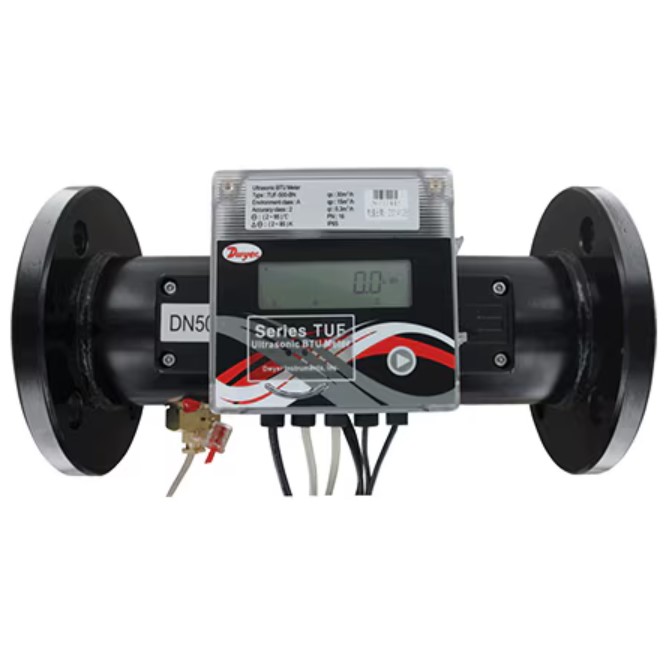
In the context of boiler operations within a power plant, flow meters are particularly important in feedwater management which involves controlling and monitoring the flow of water into the boiler. This is critical for both safety and efficiency in steam generation.
Ultrasonic flow meters are widely employed for water and steam measurement in feedwater, condensate, and cooling systems in power plants due to their unique advantages. They offer non-invasive measurement options, such as clamp-on designs, which allow installation without penetrating the pipe.
Explore Our Comprehensive Selection of Ultrasonic Flow Meters
This minimizes downtime, reduces the risk of leaks, and maintains the structural integrity of high-pressure systems. Additionally, because they introduce no pressure drop, they are ideal for critical applications like feedwater and condensate circuits where efficiency is paramount.
Essential Tools
When combined with Industrial IoT (IIoT) Technologies, RTDs and flow meters enable real-time data collection and analysis. Operators can adjust operational parameters on-the-fly, ensuring that the plant is always running at peak efficiency. This could involve fine-tuning steam temperatures, adjusting the feedwater flow to match demand, or modifying the operation of other equipment based on current operating conditions.
Additionally, by collecting and analyzing long-term data, the system can identify areas for operational improvement, such as the need for equipment upgrades or modifications that could further enhance efficiency and reduce operational costs. These actionable insights enhance decision-making, optimize performance, and ensure the reliability of power plant operations. By predicting potential failures, minimizing inefficiencies, and facilitating proactive maintenance, this integration not only reduces downtime but also extends the lifespan of critical assets, improving the overall efficiency and sustainability of a power plant.
The Role of Industrial Heaters in Power Plants
Turbines in power plants endure extreme operating conditions, with high pressures and temperatures that make proper lubrication essential for their longevity and performance. The key challenge in turbine lubrication is maintaining the oil at the right viscosity. If the viscosity is too thick, it can impede circulation, causing excessive wear and overheating of turbine components. Conversely, if the oil becomes too thin, it may fail to adequately protect the moving parts, leading to friction and increased risk of failure.
To address these challenges, industrial immersion and circulation heaters are used to regulate the temperature of turbine lubrication oil. These heaters are designed to ensure that the oil remains at an optimal temperature, preventing it from becoming too viscous or too thin.
Key Benefits of Industrial Heaters in Lubrication Systems:
- Consistent Viscosity:Maintaining the ideal temperature prevents the oil from thickening in colder conditions or becoming too thin in extreme heat. This ensures smooth oil circulation and efficient turbine performance, even during cold starts or in harsh environmental conditions.
- Enhanced Component Life:By ensuring that the lubrication oil is always at the correct temperature and viscosity, industrial heaters help to reduce friction and wear on turbine components. This not only improves the immediate operational performance but also extends the lifespan of the turbine and associated machinery.
- Improved Operational Efficiency:Proper lubrication enhances the efficiency of turbine operation by reducing energy losses caused by friction and ensuring that the turbine runs smoothly. With less wear and better heat management, the turbine consumes less energy, contributing to overall power plant efficiency.
- Precise Temperature Control:Integration with smart controllers allows for accurate, real-time temperature regulation of the lubrication oil, ensuring consistent performance without interruption. These advanced systems monitor and adjust temperatures automatically, minimizing human error and enhancing reliability.
Discover DwyerOmega Ingenuity
Connect With DwyerOmega Engineering Experts Today!
What Is An Immersion Heater? Types Of Immersion Heating Elements What is an Immersion Heater?
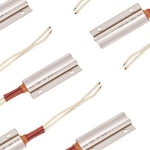
what is an industrial electric heater? What is an industrial heater?