


Accurately measuring motion, vibration, and mechanical shock, all of which can have a negative effect on equipment, is essential across a wide range of industrial and engineering applications. An accelerometer sensor is one of the most widely used tools for capturing this data.
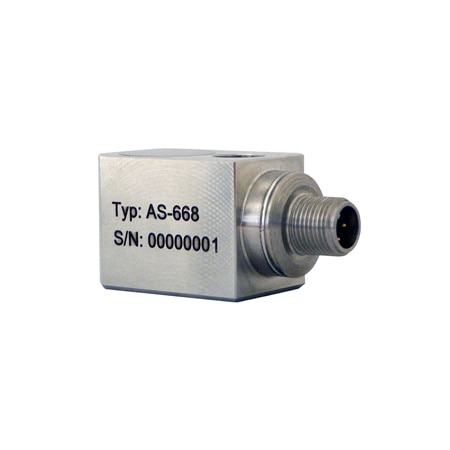
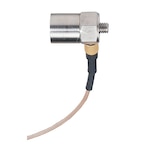
An accelerometer is a device that measures the vibration or acceleration of motion of a structure. The force caused by vibration or a change in motion causes an internal mass to compress a piezoelectric material, which produces an electrical charge proportional to the force exerted on it.
By converting mechanical forces into an electrical signal, accelerometers provide engineers with actionable insights into system behavior, helping detect issues early and optimize performance.
Innovative Solutions from DwyerOmega
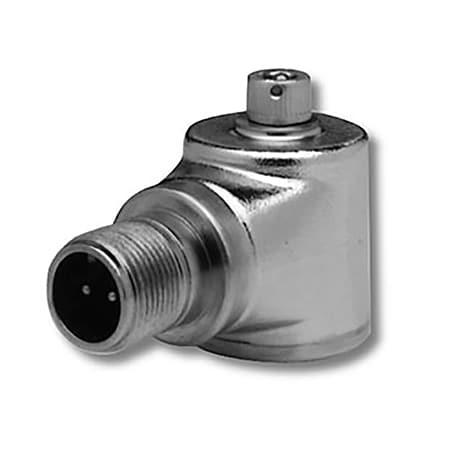
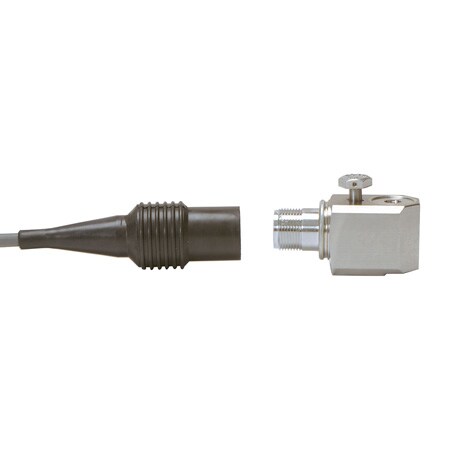
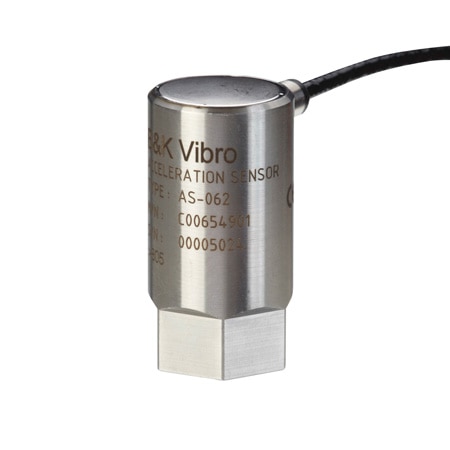
What Is an Accelerometer?
An accelerometer is an electromechanical device that converts mechanical forces such as motion, vibration, and shock into an electrical signal that can be measured, monitored, and recorded.
In industrial environments, accelerometer sensors are most commonly used for vibration monitoring, where maintaining proper operating conditions is critical to equipment health and system efficiency.
What Is an Accelerometer Used For?
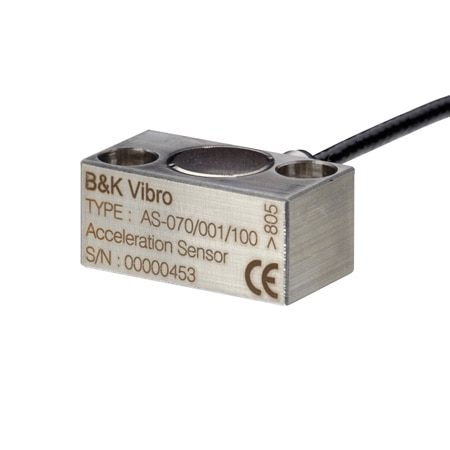
Accelerometers are used to monitor and analyze motion across a wide range of applications. In industrial settings, their primary purpose is to measure vibration levels and detect abnormal operating conditions.
Common uses include:
- Monitoring rotating equipment such as motors, pumps, and fans
- Detecting imbalance, misalignment, or bearing wear
- Supporting predictive maintenance programs
- Measuring shock and impact forces
- Monitoring structural movement in infrastructure
Ultimately, the purpose of the accelerometer is to provide real-time insight into mechanical behavior, allowing engineers to make informed decisions and prevent costly failures.
How Does an Accelerometer Work?
Understanding how accelerometers work starts with the most common technology used in industrial environments: the piezoelectric accelerometer
At the core of this accelerometer technology is the piezoelectric effect, where certain materials generate an electrical charge when subjected to mechanical stress.
Internal Design of an Accelerometer Sensor
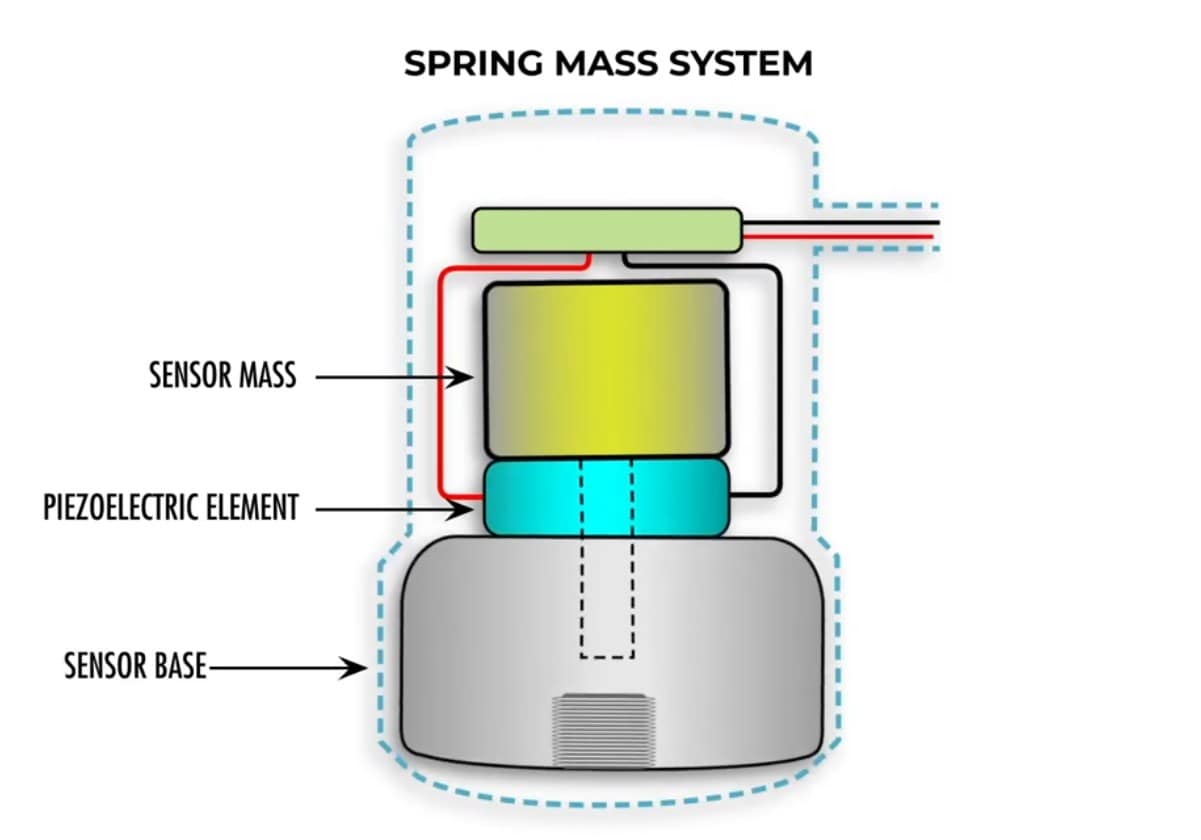
A typical accelerometer sensor consists of:
- A piezoelectric element
- A seismic (sensor) mass
- A housing that transmits vibration
Together, these components form a spring-mass system.
Step-by-Step Operation
- Vibration is applied through the sensor base
- The internal mass moves in response to motion
- This movement applies force to the piezoelectric element
- The element generates an electrical charge proportional to the vibration
- An integrated amplifier converts this charge into a usable voltage signal
- The signal is transmitted to monitoring equipment
This process allows accelerometers to measure both frequency and amplitude of vibration, making them essential for condition monitoring and diagnostics
Why Piezoelectric Accelerometers Are Widely Used
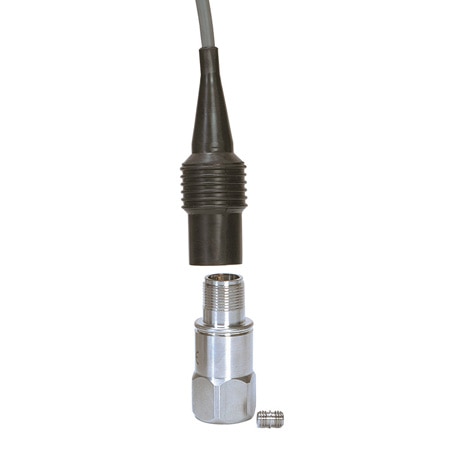
Piezoelectric models are the most widely used due to their:
- Wide frequency response
- High sensitivity
- Durability in harsh environments
- Ease of installation
- Versatility across applications
- Motors, pumps, compressors, and fans
- Continuous vibration monitoring for predictive maintenance
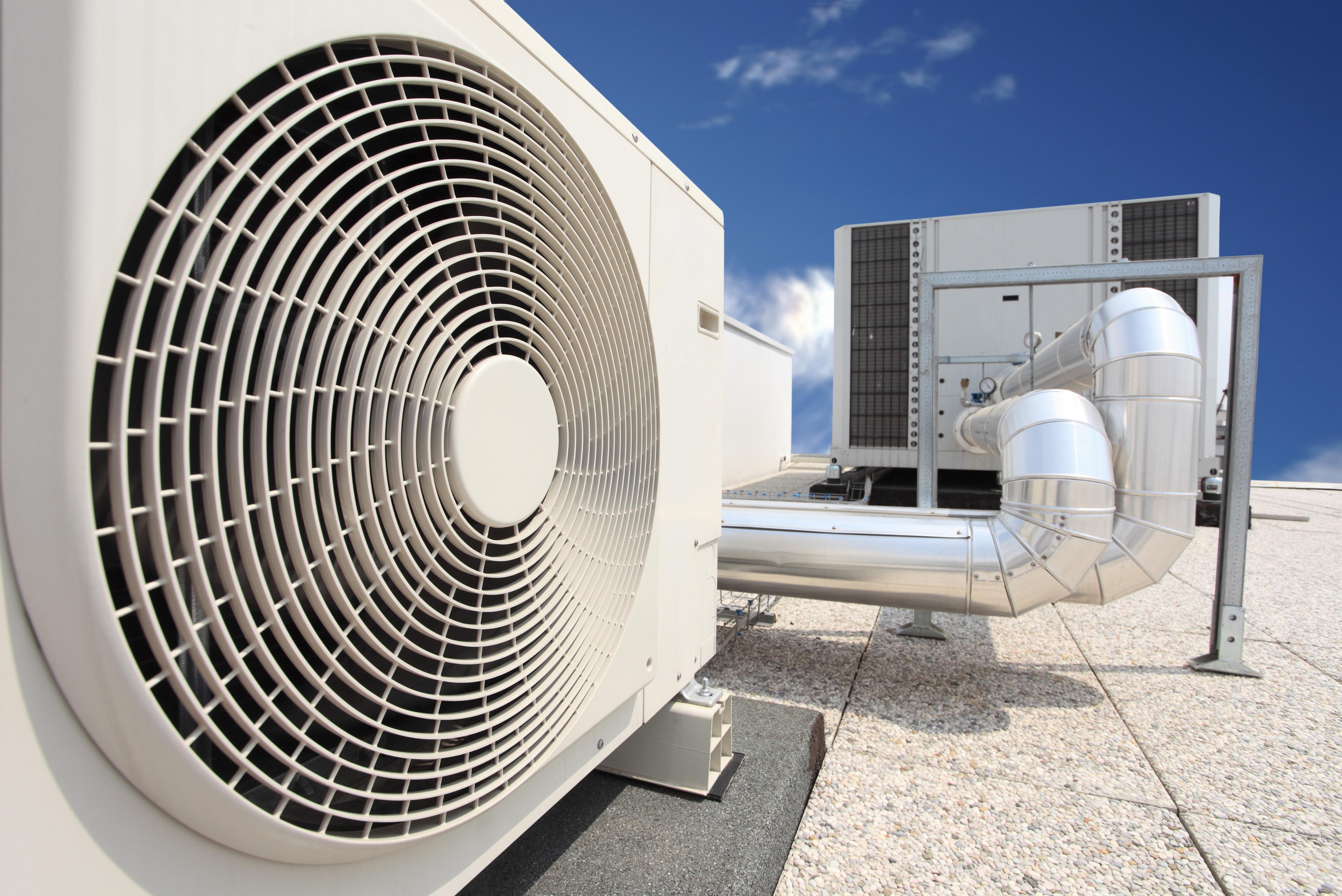
- Monitoring fan and motor performance
- Detecting imbalance and wear
- Engine vibration analysis
- Performance diagnostics
- Measuring motion and positioning
- Supporting precision control systems
- High-frequency vibration detection
- Gear noise and fault analysis
- Bridges, roads, and infrastructure
- Earthquake and environmental vibration analysis
These characteristics make them ideal for both low-frequency and high-frequency vibration measurement.
Accelerometer Applications Across Industries
Industrial Equipment Monitoring


HVAC Systems
Automotive Testing
Robotics and Automation
Gear and Turbine Monitoring
Structural and Seismic Monitoring
DwyerOmega | Blog | What is a Pressure Gauge?
Written by: Dan Schultz
Updated on: October 30, 2025

DwyerOmega | Blog | What is an Intrinsically Safe Product?
Written by: Dan Schultz
Published on: March 30, 2026