



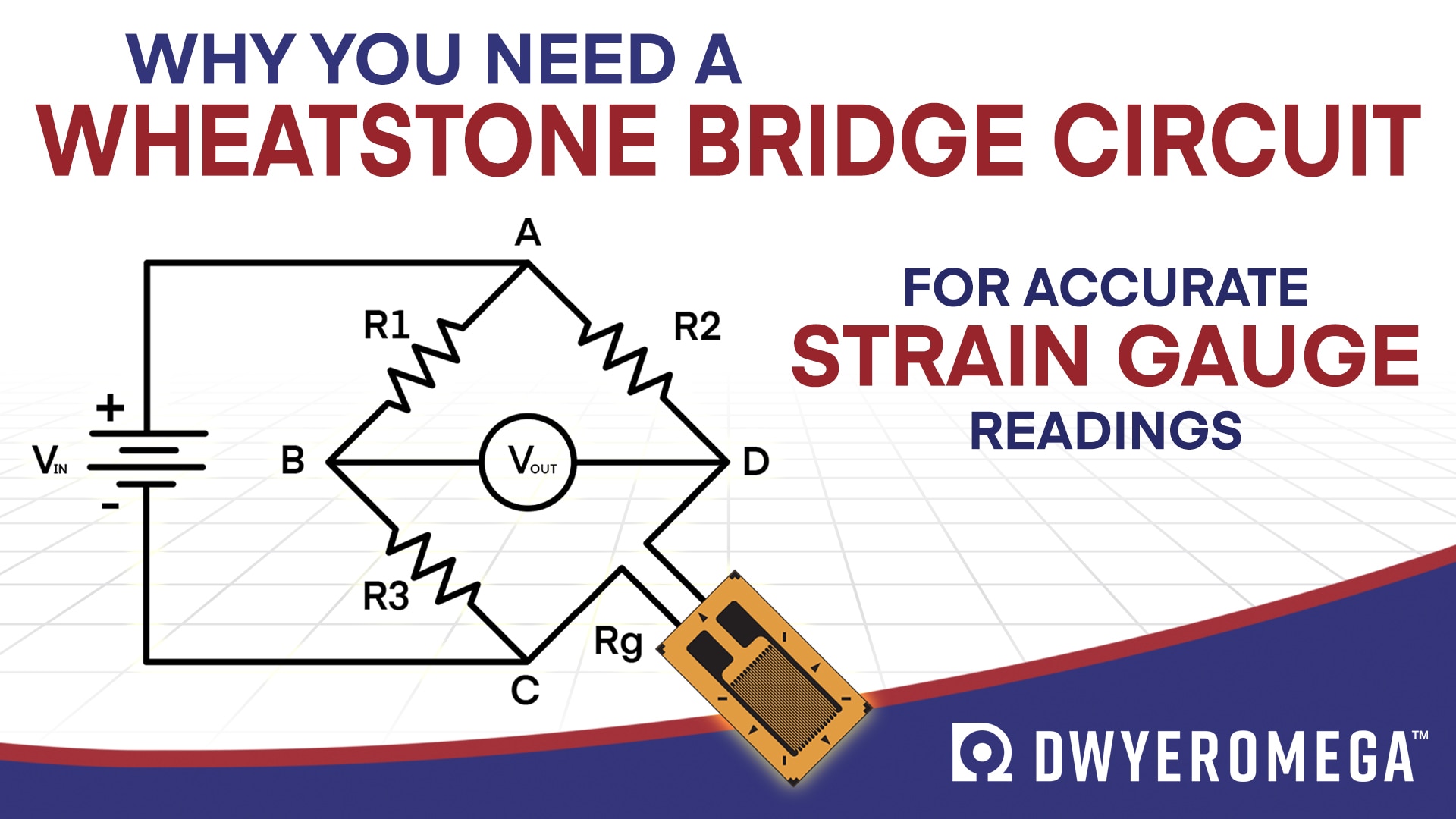
What is a Wheatstone Bridge? A Wheatstone bridge is a precision electrical circuit used to measure unknown resistance and detect extremely small changes in resistance. This guide explains how Wheatstone bridges work, the differences between balanced and unbalanced bridge circuits, quarter-, half-, and full-bridge strain gauge configurations, and why they remain the foundation of modern load cells, pressure transducers, and other high-accuracy sensor systems.
Tagged as:Technical Learning, Get Curious
Read More
Types of Relays
Relays are fundamental components in industrial control systems, providing reliable isolation and switching of electrical loads. This article explains how solid state and electromechanical relays operate, highlights key features and performance considerations, and outlines how to select the right relay for demanding applications.
If you want the meta description more product‑driven, educational, or application‑specific (e.g., HVAC, motor control, power switching), I can tune it precisely.
Tagged as:Technical Learning, Get Curious
Read More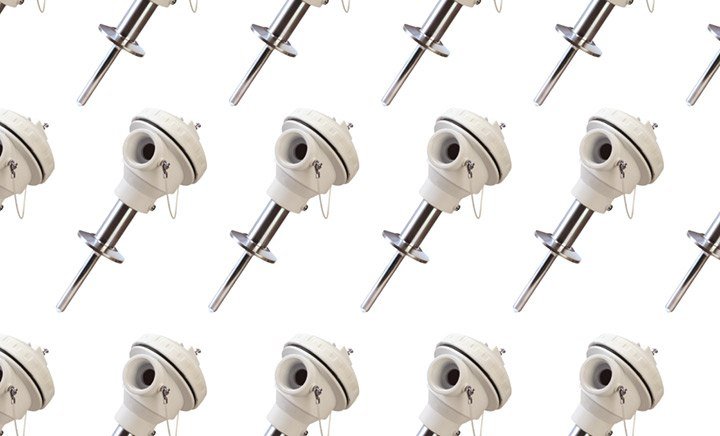
Sanitary Sensors & 3‑A Standards Sanitary sensors are purpose-built measurement devices designed for applications where preventing contamination is as critical as maintaining measurement accuracy. Unlike general industrial sensors, they must meet additional hygienic requirements to support cleanability, regulatory compliance, and product safety in food and beverage, pharmaceutical, and cosmetic processes. Standards such as 3‑A Sanitary Standards provide guidance on sensor design, materials, and installation practices to help reduce contamination risk and protect the integrity of sanitary production systems.
Tagged as:Product Info, Get Curious
Read More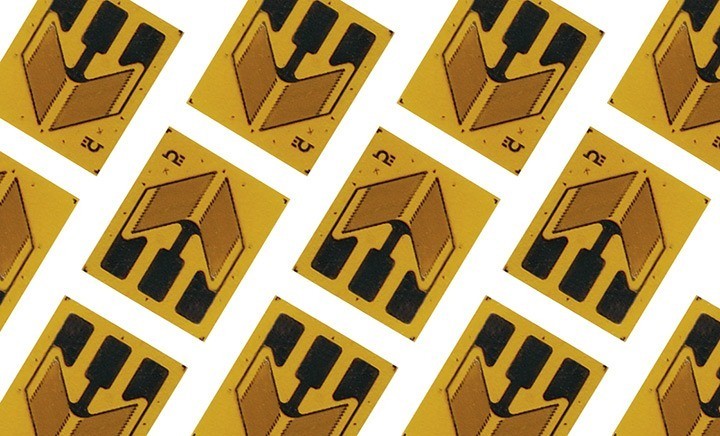
What are Strain Gauges? Strain gauges convert mechanical deformation into measurable resistance changes through the piezoresistive effect. Small resistance shifts are detected using a Wheatstone bridge with amplification and temperature compensation. Common types include linear, diaphragm, rosette, torsion, and dual-parallel gauges—each suited to specific stress directions and materials. Used widely in structural testing, load and pressure measurement, and industrial condition monitoring, strain gauges provide precise data essential for safety, performance, and predictive maintenance across engineering applications.
Tagged as:Blog, Get Curious
Read More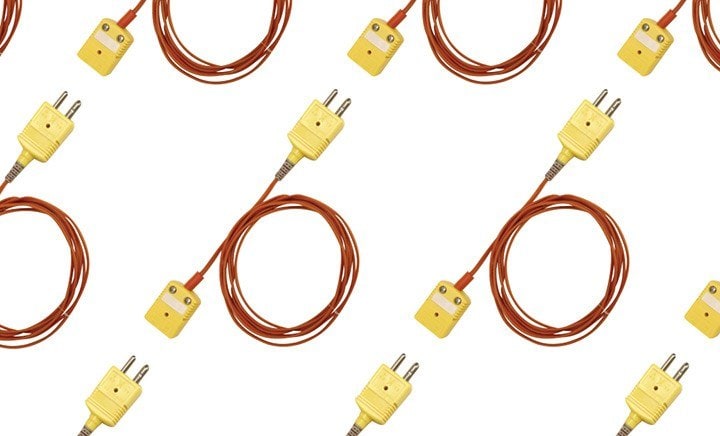
Understanding Thermocouple Wire Wire that is used in a thermocouple from the point of sensing to the point of cold junction compensation (cjc end) where the signal is measured.
Tagged as:Product Info, Get Curious
Read More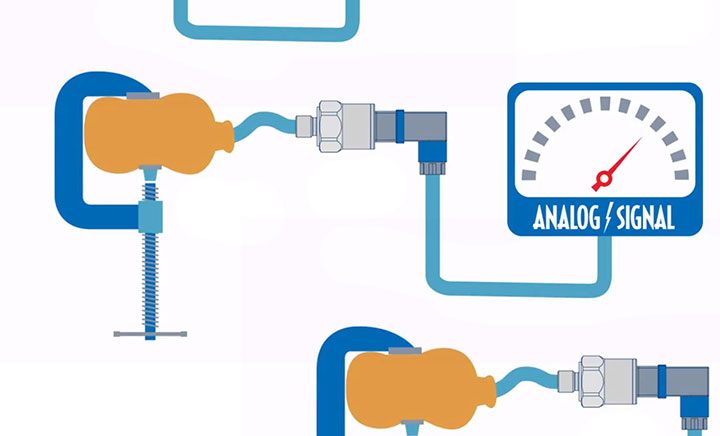
All About Pressure Sensors Pressure measurement isn’t one-size-fits-all. From strain gauge to piezoelectric designs, different pressure transducers serve unique applications. This guide breaks down the main types, explains how they work, and shows you how to choose the right sensor for accurate, reliable performance. #Engineering #Sensors #IndustrialAutomation
Tagged as:Blog, Get Curious
Read More
What Are the Differences Between 2-Wire, 3-Wire, and 4-Wire RTDs? A Resistance Temperature Detector (RTD) measures temperature using a resistor with a resistance value that changes as its temperature increases or decreases. RTDs are typically manufactured in three different wiring configurations: 2-wire, 3-wire, and 4-wire. Each configuration is designed to compensate for lead wire resistance to varying degrees, impacting measurement accuracy.
Tagged as:Product Info, Get Curious
Read More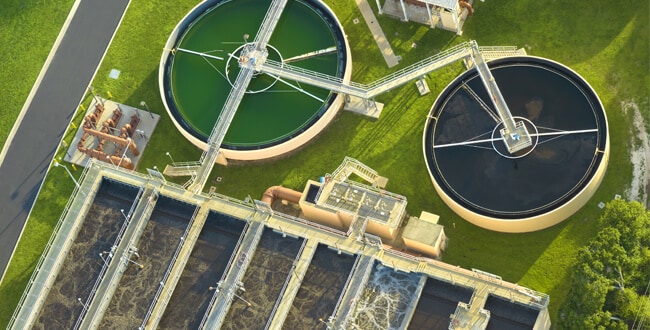
What are Electromagnetic Flow Meters? A magnetic flow meter (mag flow meter) is a volumetric flow meter which does not have any moving parts and is ideal for wastewater applications or any dirty liquid which is conductive or water based.
Tagged as:Product Info, Get Curious
Read More
Rope and Tape Heaters Rope and tape heaters are flexible heaters designed to wrap around pipes, beakers, and other round surfaces. Rope and tape heaters are very similar in that they have similar power densities and construction.
Tagged as:Technical Learning, Get Curious
Read More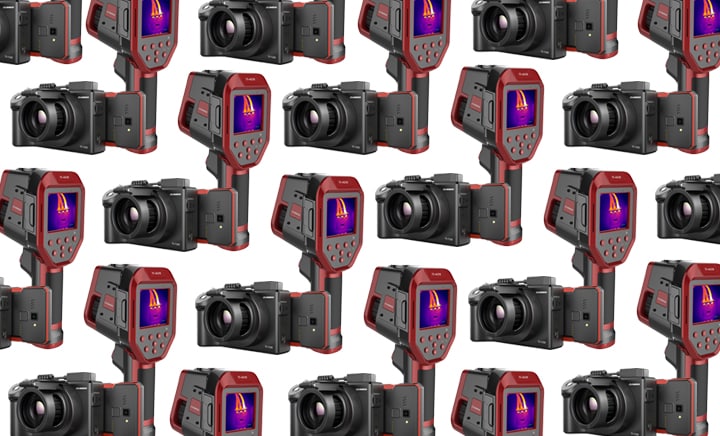
What is a Thermal Imaging Camera? A thermal imager is a non-contact temperature measurement device.
Tagged as:Product Info, Get Curious
Read More
Let's Learn About It with Omega: The Water Hammer Effect Water hammer effect is an impact load that is the most misunderstood force known to pressure transducers today. A water hammer is created by stopping and/or starting a liquid flow suddenly.
Tagged as:Technical Learning, Get Curious
Read More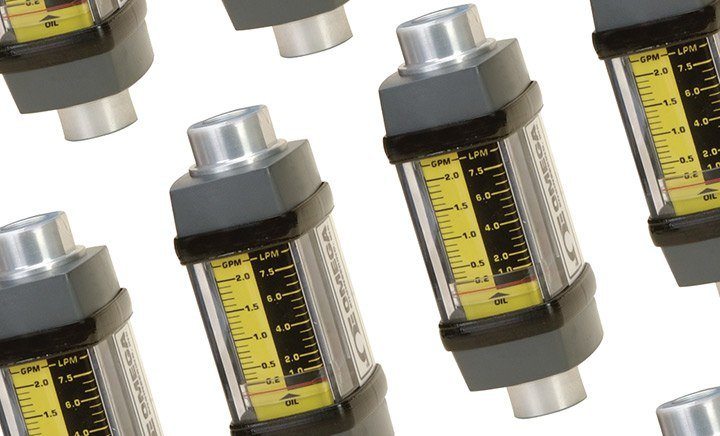
An Introduction to Flow Meters As the name implies a Flow meter is an instrument for monitoring, measuring, or recording the rate of flow, pressure, or discharge of liquids or gasses.
Tagged as:Product Info, Get Curious
Read More
4-20mA Input It is extremely simple and inexpensive to measure 4-20ma signal with a device that will measure only Voltage inputs.
Tagged as:Technical Learning, Get Curious
Read More
Digital Signal Transmission Industrial networks that transmit data using digital signals often are an integral part of a data acquisition or process control solution.
Tagged as:Technical Learning, Get Curious
Read More
Everything you need to know about Immersion Heaters An immersion heater is a device which is installed in a tank or container to heat a liquid. The installation can be over-the-side, flanged, or threaded.
Tagged as:Technical Learning, Get Curious
Read More
What is a Polyimide Heater? Polyimide heaters, also known as Kapton heaters, are made from Kapton, a polyimide film developed by DuPont.
Tagged as:Technical Learning, Get Curious
Read More
What are silicone heaters used for? Silicone rubber heaters have a wide range of industrial, commercial, and military applications. These heaters are resistant to radiation, moisture, compression set, weathering, vacuum, fungus, oils, solvents, and chemical attack.
Tagged as:Technical Learning, Get Curious
Read More
Wastewater Lift Station Surveillance and Management A wastewater lift station decided to renovate its lift station cabinets - getting a much simpler, more cost-efficient setup with remote access to transmitter data and programming.
Tagged as:Technical Learning, Get Going
Read More
Stable and Accurate Temperature Signal Readings A number of applications require signal conditioning devices to operate in extremely harsh environments – natural gas compressors with heavy engine vibration is one example.
Tagged as:Technical Learning, Get Going
Read More
Safe and Precise Temperature Transmission and Control Stable, safe, and high precision measurement of temperature signals in all stages of the manufacturing process is of the essence at a polysulfide plant.
Tagged as:Technical Learning, Get Curious
Read More
Problem Solver in the Field A project of operating a brand new waste-to-energy line gave an electrical engineer the chance to work with a field mounted HART temperature transmitter like TXUN-HT for the first time.
Tagged as:Technical Learning, Get Curious
Read More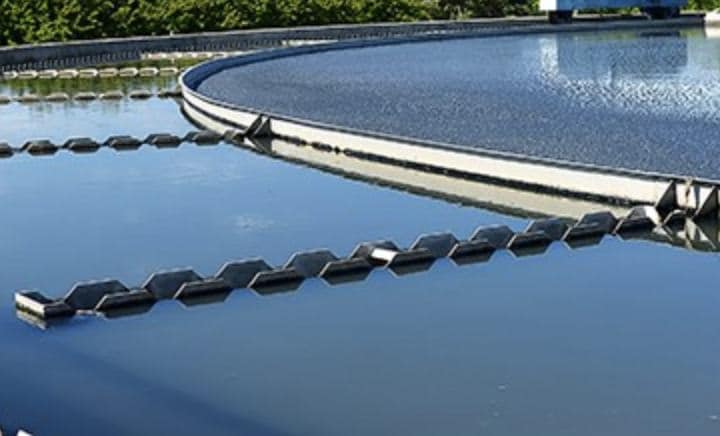
With an Isolated Repeater/Splitter A provider of electrical solutions to a wide range of customers and other electrical contractors, from temperature and pressure measurements to providing small PLC solutions needed a solution when working with temperature and isolation.
Tagged as:Technical Learning, Get Curious
Read More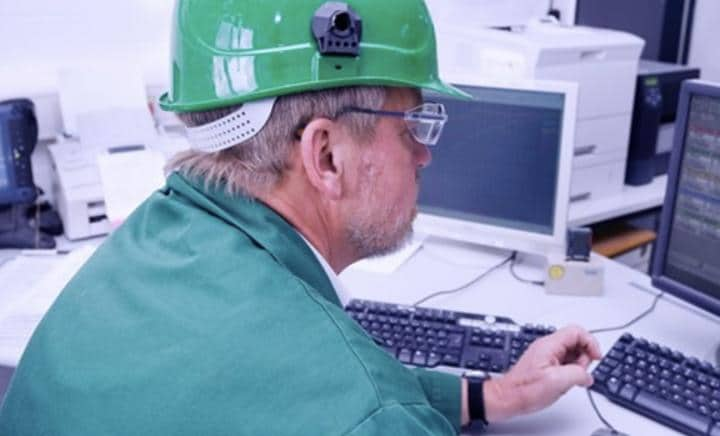
Improved Diagnostic Information Resulted in Significant Cost Savings On a recent project the data used provided by DRST-CM to develop software modules in the DCS that provide full diagnostics, a client’s company has been able to use the data for preventive maintenance.
Tagged as:Case Study, Get Inspired
Read More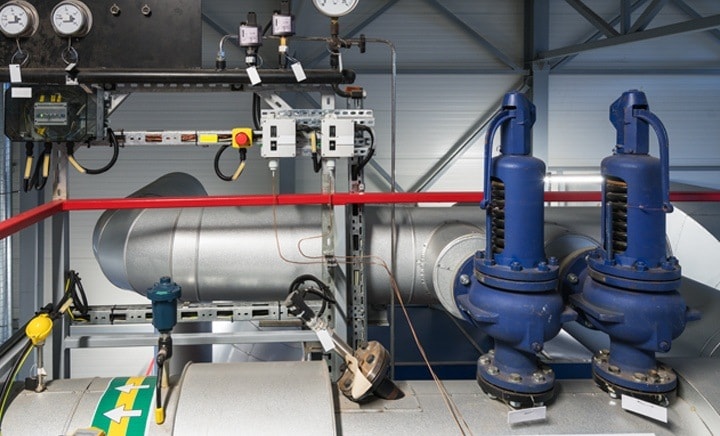
What is a Mass Flow Meter? A thermal mass flow meter measures the flow rate of gas mass based on the convective heat transfer of a heated surface to the flowing fluid.
Tagged as:Technical Learning, Get Curious
Read More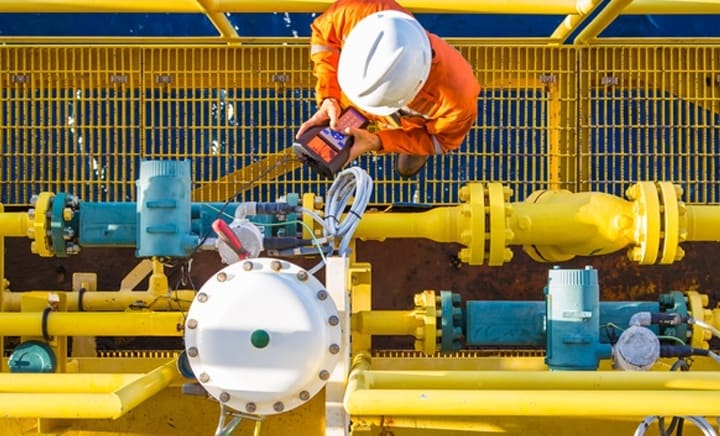
What is a Coriolis Flow Meter and How Does it Work? A Coriolis flow meter is a type of mass flow meter. It is designed differently and works differently than thermal or differential mass flow meters.
Tagged as:Technical Learning, Get Curious
Read More
The International Temperature Scale of 1990 (ITS-90) President of the Comité Consultatif de Thermométrie and Vice-President of the Comité International des Poids et Mesures Division of Physics, National Research Council of Canada, Ottawa, K1A OS1 Canada
Tagged as:Case Study, Get Curious
Read More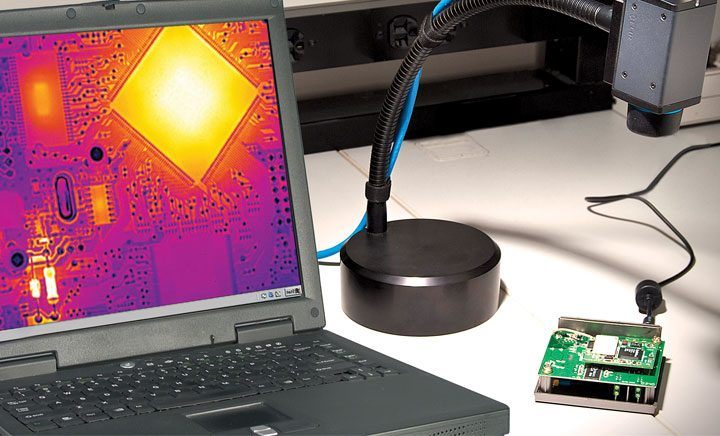
Principles of Infrared Thermocouples The IRt/c product line represents a dramatic breakthrough in temperature sensing technology. The IRt/c sensors are unpowered, low cost, and can measure surface temperatures of materials without touching.
Tagged as:Technical Learning, Get Curious
Read More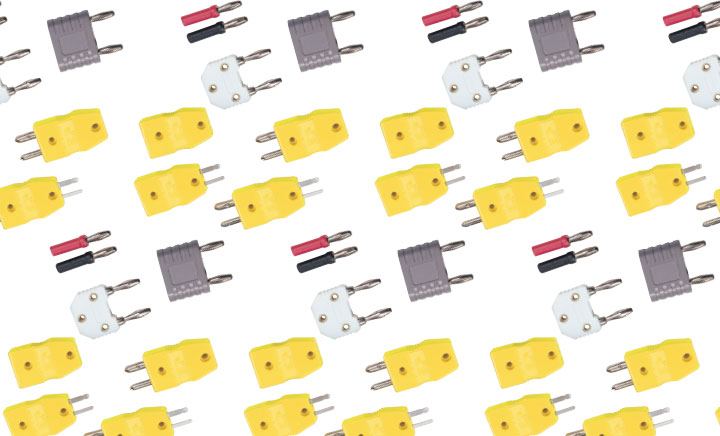
What are the Different Types of Thermocouples? Thermocouples are available in different combinations of metals or calibrations. The most common are the “Base Metal” thermocouples known as Types J, K, T, E and N.
Tagged as:Technical Learning, Get Curious
Read More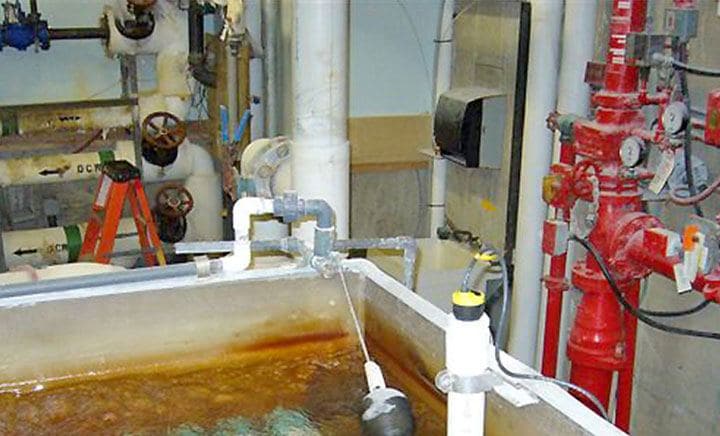
Thermocouple Response Time Time constants calculated for air at room temperature and atmospheric pressure moving with velocity of 65 feet per second for thermocouples
Tagged as:Technical Learning, Get Curious
Read More
Thermocouples - Reference Guide OMEGACLAD® is a three-part system composed of compacted MgO insulation, thermocouple wire and metal sheath.
Tagged as:Technical Learning, Get Curious
Read More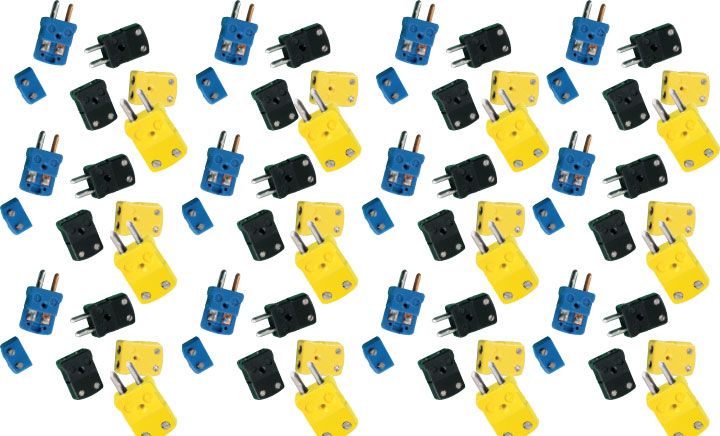
How to choose a Thermocouple There are different types of thermocouples and their applications may vary. An exposed thermocouple will work best when high response times are required, but an ungrounded thermocouple is better in corrosive environments
Tagged as:Product Info, Get Curious
Read More
How to Choose Between a RTD PT100 vs Pt1000? The sensing elements in Resistance Temperature Detectors (RTD’s) can be categorized in terms of the type of metal out of which they’re made and their resistance at a benchmark temperature.
Tagged as:Product Info, Get Curious
Read More
Types of RTDs Resistance Temperature Detectors (RTDs) available today can generally be categorized into one of two basic types of RTDs, depending on how their temperature sensing element is constructed.
Tagged as:Product Info, Get Curious
Read More
How to Use Ferrite Cores with Instrumentation OMEGA’s thermocouple and RTD connectors with built-in nickel-zinc ferrite cores are used where it is desired to suppress electro-magnetic, interference commonly known as EMI.
Tagged as:Technical Learning, Get Going
Read More
Pt100 Probes Probes may be terminated in a connection head, quick disconnect, terminal block, or extension wire. OMEGA’s standard terminations are pictured on product pages.
Tagged as:Technical Learning, Get Curious
Read More
Resistance Elements and RTD’s Resistance elements come in many types conforming to different standards, capable of different temperature ranges, with various sizes and accuracies available.
Tagged as:Technical Learning, Get Curious
Read More
What is a Voltage Divider? In order to measure a signal which varies over a range greater than the input range of an analog or digital input of a measuring device, a voltage divider can drop the voltage of the input signal to the level the analog or digital input can measure.
Tagged as:Technical Learning, Get Curious
Read More
PFA Fluorocarbon Information PFA Fluorocarbon Information
Tagged as:Technical Learning, Get Curious
Read More
Flow Meter Tutorial So you want to measure flow? The answer would seem to be to purchase a flowmeter.
Tagged as:Technical Learning, Get Curious
Read More
Infrared Quick Help When to Use Infrared Temperature Measurement
Tagged as:Technical Learning, Get Curious
Read More
Low Noise Thermocouple System A low noise thermocouple system consists of a probe, a connector and wire. Each component has distinct noise and they provide a way to reduce electrical noise
Tagged as:Technical Learning, Get Going
Read More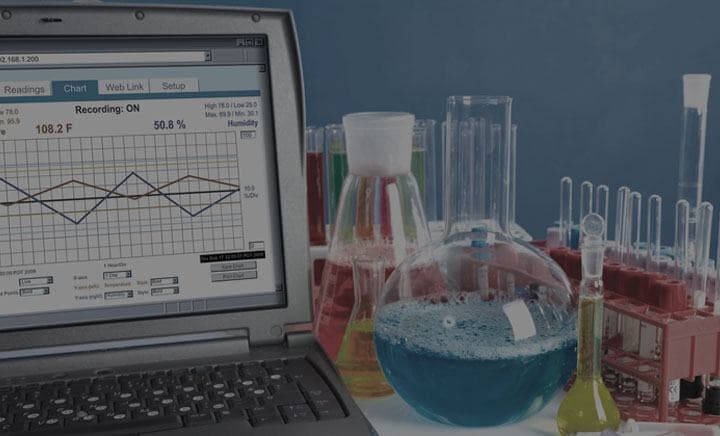

Scaling Voltage & Current to Engineering Units It is very often necessary to convert a voltage, millivot or current reading into a more useful value such as PSI, GPM, LBS, etc.
Tagged as:Technical Learning, Get Curious
Read More
What is the Load Cell Calibration Procedure for Weighing Applications? Inspect the load cell cables, and coil and protect any excess. The load should be equally distributed among multiple load cells of multiple load cell installations.
Tagged as:Technical Learning, Get Going
Read More
Infrared pyrometers Pyrometer is derived from the Greek root pyro, meaning fire. The term pyrometer was originally used to denote a device capable of measuring temperatures of objects above incandescence, objects bright to the human eye.
Tagged as:Technical Learning, Get Curious
Read More
Mechanical Flow meters Discussed in this chapter are various types of mechanical flow meters that measure flow using an arrangement of moving parts,
Tagged as:Technical Learning, Get Curious
Read More
Differential Pressure Flow meters The calculation of fluid flow rate by reading the pressure loss across a pipe restriction is perhaps the most commonly used flow measurement technique in industrial applications
Tagged as:Technical Learning, Get Curious
Read More
RF/Capacitance Level Instrumentation Capacitance level detectors are also referred to as radio frequency (RF) or admittance level sensors. They operate in the low MHz radio frequency range, measuring admittance of an alternating current (ac) circuit that varies with level.
Tagged as:Technical Learning, Get Curious
Read More
All About Flow Meters Measuring the flow of liquids is a critical need in many industrial plants.
Tagged as:Technical Learning, Get Curious
Read More
Pressure sensor Piezoelectric presssure sensors can further be classified according to whether the crystal's electrostatic charge, its resistivity, or its resonant frequency electrostatic charge is measured.
Tagged as:Technical Learning, Get Curious
Read More
Strain Gauge When external forces are applied to a stationary object, stress and strain are the result.
Tagged as:Technical Learning, Get Curious
Read More
The RS-232 protocol Information being transferred between data processing equipment and peripherals is in the form of digital data which is transmitted in either a serial or parallel mode.
Tagged as:Technical Learning, Get Curious
Read More
An Introduction to Pitot Tubes Although the pitot tube is one of the simplest flow sensors, it is used in a wide range of flow measurement applications such as air speed in racing cars and Air Force fighter jets
Tagged as:Technical Learning, Get Curious
Read More
What is a thermography? Thermography extends the concept of point radiation thermometry to one-dimensional profiles or two-dimensional pictures of non-contact temperature data.
Tagged as:Technical Learning, Get Curious
Read More
Strain Gage Technical Data The most universal measuring device for the electrical measurement of mechanical quantities is the strain gage.
Tagged as:Technical Learning, Get Curious
Read More
Non-contact thermometers Historically a radiation non-contact thermometer consisted of an optical system to collect the energy emitted by the target;
Tagged as:Technical Learning, Get Curious
Read More
Specialty Level Switches Thermal, vibrating, and optical level switches are specialty devices developed to solve specific level detection problems.
Tagged as:Technical Learning, Get Curious
Read More
Electronic Flow meters While the flow measurement technologies discussed in this chapter--magnetic, vortex, and ultrasonic--are neither exclusively nor exhaustively electronic in nature, they do represent a logical grouping of flow measurement technologies.
Tagged as:Technical Learning, Get Inspired
Read More
Working principle of thermocouples A typicial thermocouple is made up of two dissimilar metals joined together to form two junctions.
Tagged as:Product Info, Get Curious
Read More
Reactive Maintenance vs. Proactive Maintenance: You’re Paying 2-5X More for Maintenance Proactive maintenance, reactive maintenance, and the many benefits of switching to proactive maintenance.
Tagged as:Technical Learning, Get Curious
Read More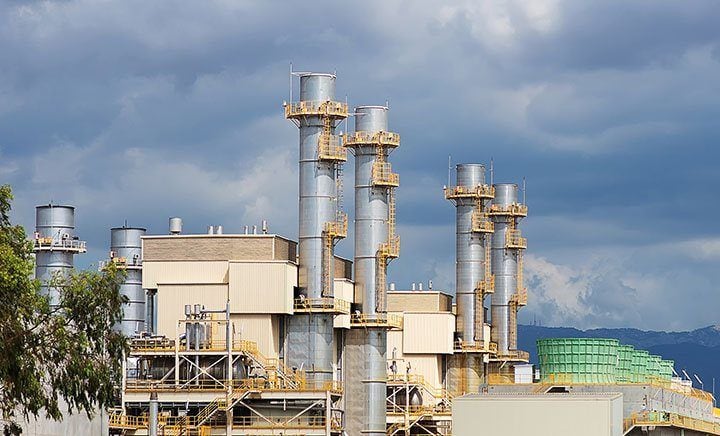
Particle Pollution & Environmental Safety Indoor air quality is the responsibility of building owners, managers and employers.
Tagged as:Technical Learning, Get Curious
Read More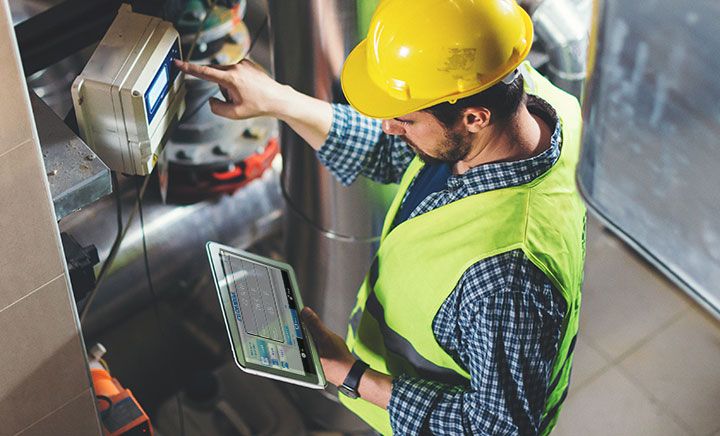
5 Reasons to Wirelessly Measure Relative Humidity Monitoring Relative Humidity in Lab can be challenging. Choose the most simple and powerful way by using wireless transmitters.
Tagged as:Technical Learning, Get Curious
Read More
The Benefits of Implementing Predictive Maintenance Predictive maintenance can help you anticipate failure before it happens, saving money, time and making processes more efficient. Learn more about these and other advantages.
Tagged as:Technical Learning, Get Curious
Read More
How Rutgers Food Innovation Center Used Automation to Boost Food Quality and Save Time We definitely don’t want to go back to the way we were doing it. It was too much work and didn’t pay off. –Steve Baughman, Senior Maintenance Mechanic for Rutgers Food Innovation Center
Tagged as:Case Study, Get Inspired
Read More
OMEGA Has a Starring Role in the LSST Telescope Mirror The Large Synoptic Survey Telescope (LSST) is a new kind of optical telescope that will view a wider area of night sky than ever before possible. Once operational...
Tagged as:Case Study, Get Curious
Read More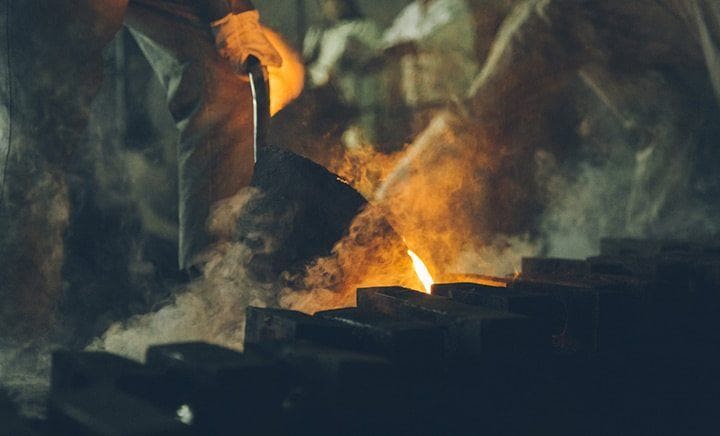
Turning up the heat: 12 MI thermocouple probes get tested in extreme conditions In an intense heat environment, such as in solid waste incinerators, sintering powdered metals, or gas or oil fired-furnaces, you need a thermocouple probe that can withstand extreme heat.
Tagged as:Case Study, Get Going
Read More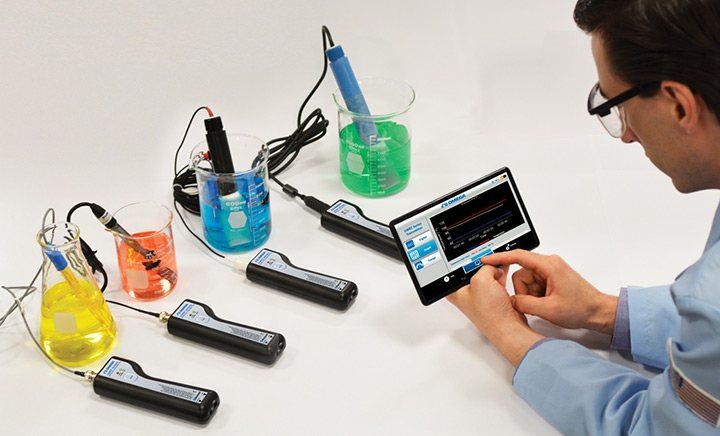
Measuring pH with a Wireless Device: 3 Must-Have Features Ready to measure pH with a Wireless Device? This is what you should be looking for in a portable data logger for pH measurement.
Tagged as:Technical Learning, Get Going
Read More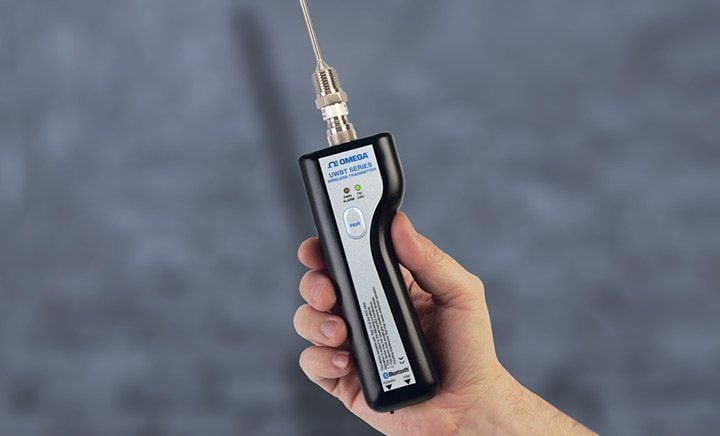
Wirelessly Monitoring Air Duct Temperature Measuring temperature inside an air duct is a common facilities maintenance task for energy conservation, particularly when office area temperatures are far from defined set-points.
Tagged as:Technical Learning, Get Inspired
Read More
Sensor Theory of Operation Omega is a reliable source for pressure transducers and load cells that provide high quality data in a myriad of processes.
Tagged as:Technical Learning, Get Curious
Read More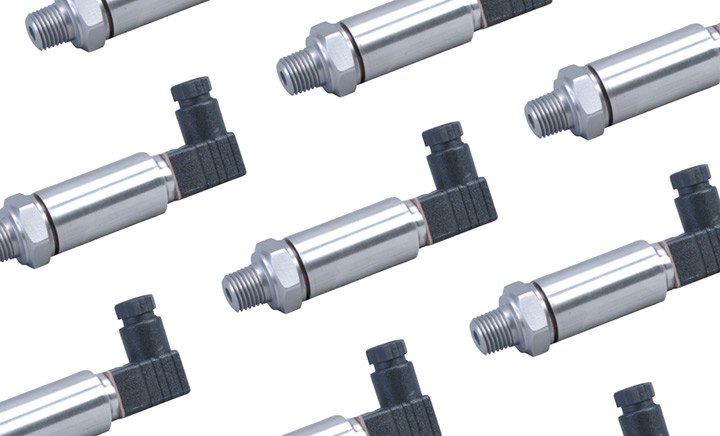
Custom Pressure Transducers A custom pressure transducer is a transducer that converts pressure into an analog electrical signal, often manufactured with the exact specifications required for an application.
Tagged as:Case Study, Get Curious
Read More
Temperature Transmitter Scaling Methodologies Temperature transmitters are used to send a signal from a temperature sensor, such as a thermocouple or RTD, to a measurement or control device.
Tagged as:Technical Learning, Get Going
Read More
Temperature Measurement in Electromagnetic Environments One of the easiest ways to measure and record temperature is with a thermocouple. Thermocouples perform reliably in most environments, tolerating temperature extremes, vibration and even ionizing radiation.
Tagged as:Technical Learning, Get Curious
Read More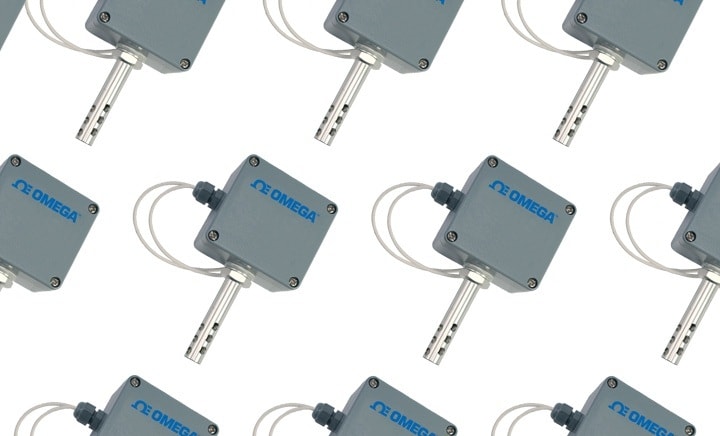
M12 Temperature Sensors Temperature sensors provide an input to a system (indicator, controller or other device) that is used to determine the temperature of a specific process or location.
Tagged as:Product Info, Get Curious
Read More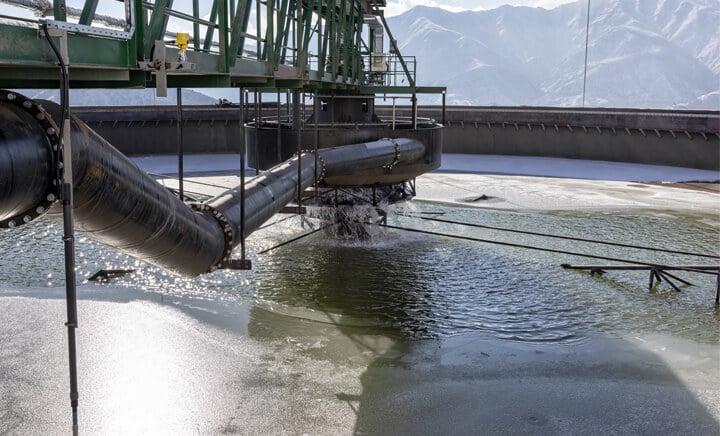
Doppler vs Transit Time Ultrasonic Flow Meters Ultrasonic flow meters are non-intrusive devices that use acoustic vibrations to measure the flow rate of liquid...
Tagged as:Technical Learning, Get Curious
Read More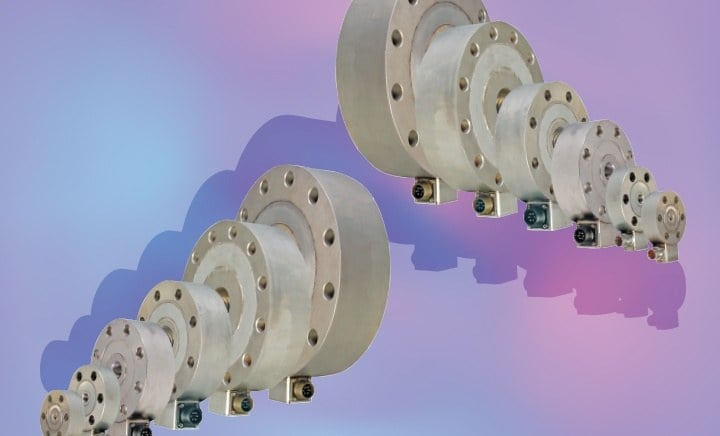
Types of Load Cells Various load cell types are preferred, relative to the needs of the laboratory or operational environment.
Tagged as:Technical Learning, Get Curious
Read More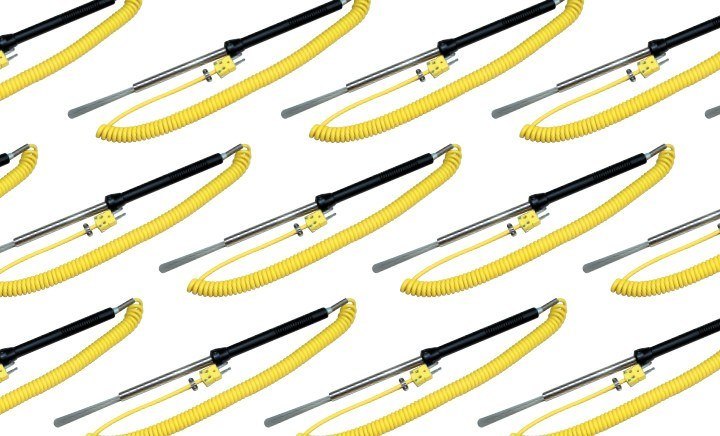
OEM Our commitment to maintaining the leading edge through research development and state-of-the art manufacturing keeps OMEGA firmly at the forefront of technology.
Tagged as:Product Info, Get Curious
Read More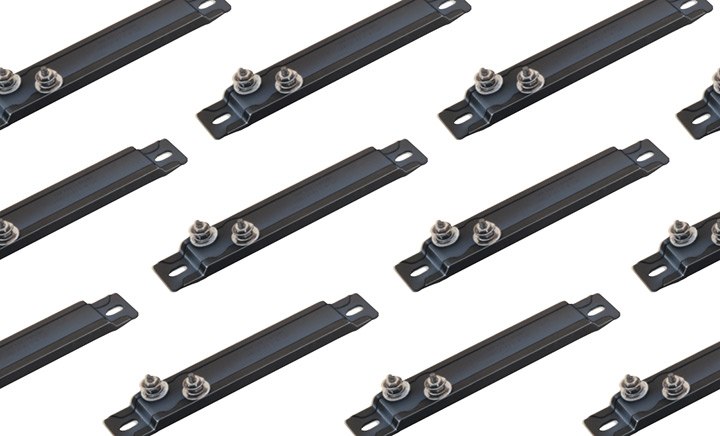
Strip Heater A strip heater is a device which is mounted on a surface and used to heat the surface or air (gasses).
Tagged as:Product Info, Get Curious
Read More
Calibrator A calibrator is an equipment used to adjust an instrument accuracy, often associated with a specific application.
Tagged as:Product Info, Get Curious
Read More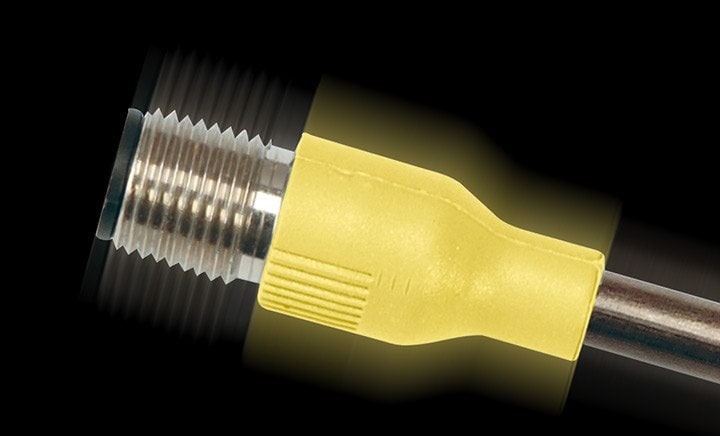
Understanding How Vibration Affects RTDs & Thermocouples Challenges presented to temperature measurements in the presence of vibration
Tagged as:Technical Learning, Get Curious
Read More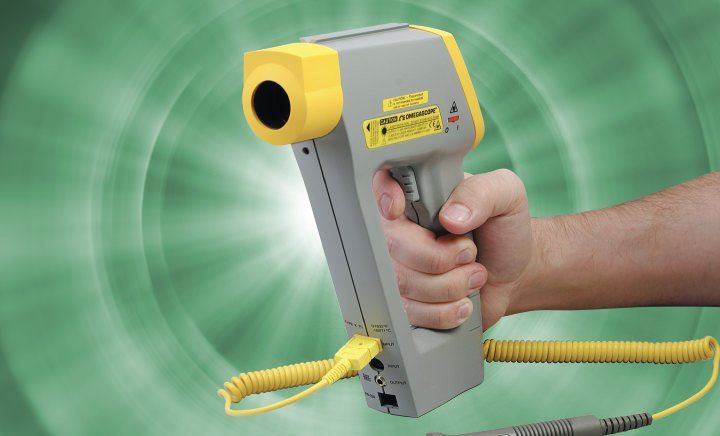
Measuring Temperatures in Furnaces with Oxidizing Atmospheres Measuring temperatures inside a furnace can present several challenges: high temperatures, temperature cycling, and hostile atmospheres exceeding the limits of many measurement devices while others have greatly reduced lifetimes and poor accuracy.
Tagged as:Technical Learning, Get Going
Read More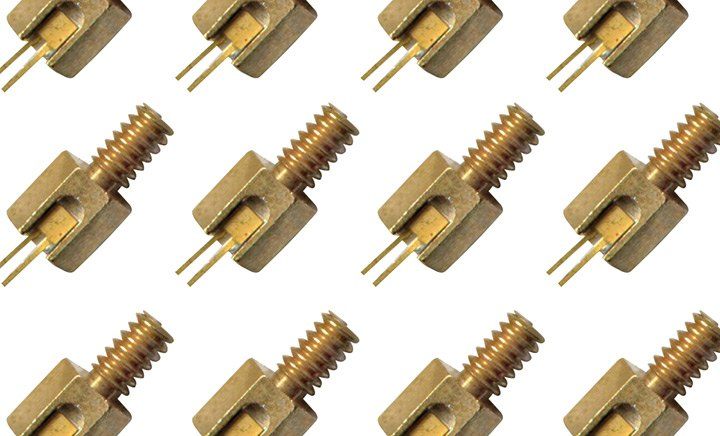
Cryogenic Temperature Sensors Cryogenics is the branch of physics that deals with the production and effects of very low temperatures.
Tagged as:Product Info, Get Curious
Read More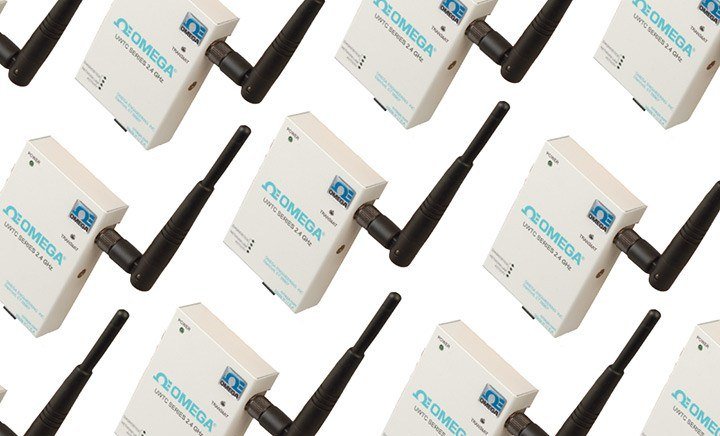
Wireless Sensors Wireless sensors are standard measurement tools equipped with transmitters to convert signals from process control instruments into a radio transmission.
Tagged as:Product Info, Get Curious
Read More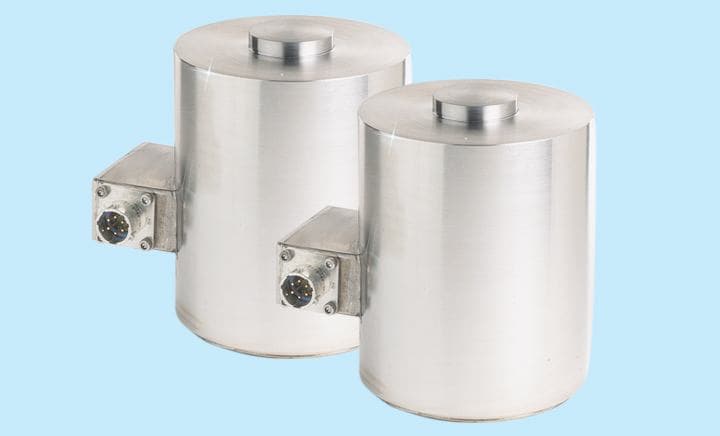
ロードセルの設置 Each load cell installation is unique. Consult a structural engineer when your application requires very high accuracy, long-term stability, custom specifications, or when using in a varied R&D environment.
Tagged as:Technical Learning, Get Going
Read More
温度測定における信号のコンディショニングおよび伝送 温度測定センサから出力される信号は、後続の処理に利用可能な形式に変換するため、コンディショニングを必要とします。
Tagged as:Technical Learning, Get Curious
Read More
サーモウェルの特性および選定基準 サーモウェルは、熱電対、サーミスタ、バイメタル式温度計などの温度センサを、過剰な圧力、流体の流速、および腐食による損傷から保護するために使用されます。
Tagged as:Technical Learning, Get Curious
Read More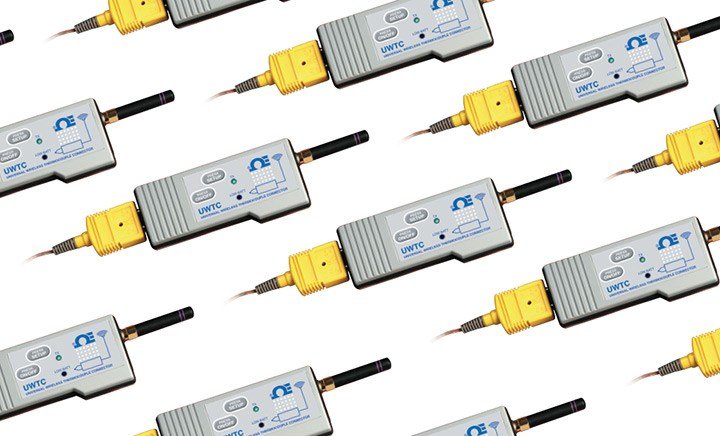
リモートモニタリング イーサネット/インターネットをベースとしたデータモニタリングは、新たな機能をもたらし、プロセス測定および制御への前例のないアクセスを実現します。
Tagged as:Product Info, Get Inspired
Read More
ICセンサ IC温度センサは、2端子型の集積回路温度トランスデューサであり、絶対温度に比例した出力電流を出力します。このセンサーパッケージは小型で、熱質量が小さく、応答時間が短い。
Tagged as:Product Info, Get Curious
Read More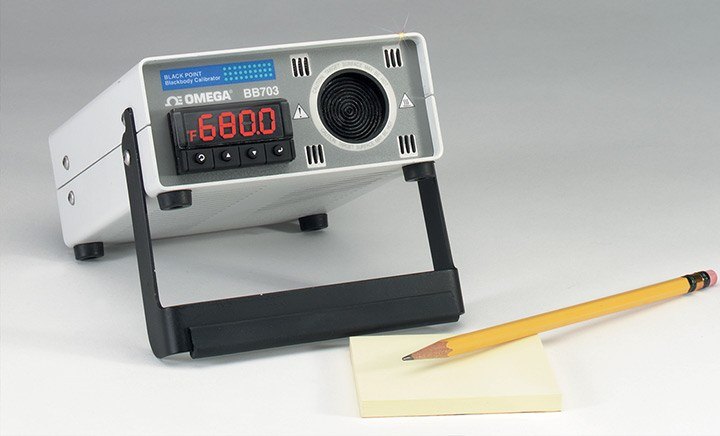
温度校正に関するより深い理解 校正機器の選択肢、ならびにAS17025認定校正機関の利用に関する賛否両論の理由。
Tagged as:Technical Learning, Get Going
Read More
カートリッジヒーターとは何か、およびその動作原理は何か。 カートリッジヒーターは、最も一般的に、金属部品に穿孔された穴に挿入して加熱するために使用されます。
Tagged as:Technical Learning, Get Curious
Read More
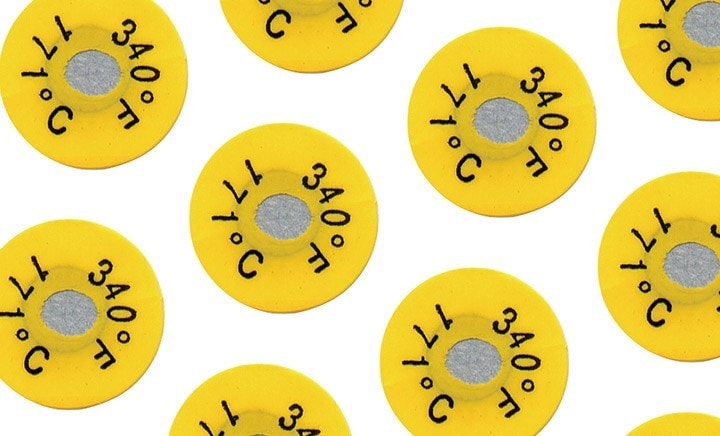
温度ラベルの概要 温度ラベルは、透明で耐熱性のウィンドウの下に封入された1つ以上の小型の感熱インジケータから構成される温度モニタである。
Tagged as:Product Info, Get Curious
Read More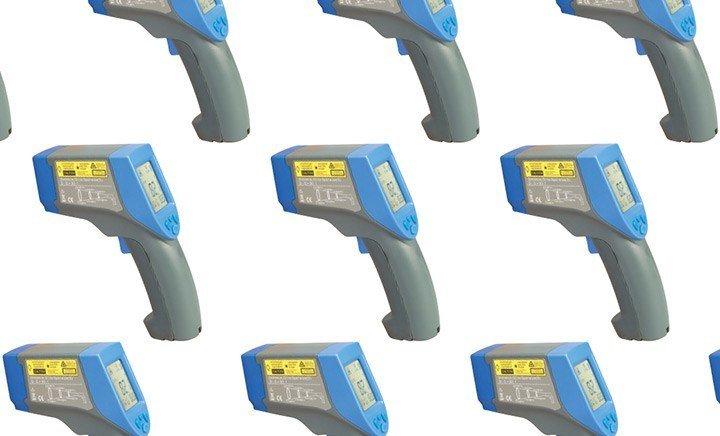
赤外線放射温度計 最も基本的な構成において、赤外線温度計は、赤外線(IR)エネルギーを検出器に集光するためのレンズを備えています。
Tagged as:Product Info, Get Curious
Read More
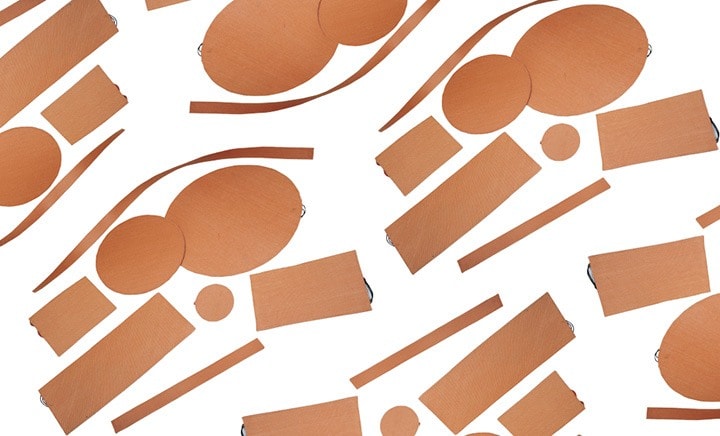
フレキシブルヒーターとは何か。 フレキシブルヒーターとは、加熱を要する表面に適合させることができる装置である。
Tagged as:Product Info, Get Curious
Read More
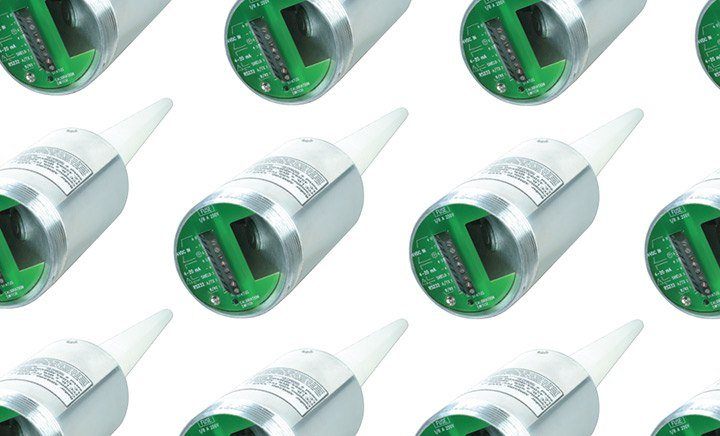
液面測定の概要 多くの産業におけるプロセス制御に不可欠な液面測定センサは、主に2つのタイプに分類されます。ポイントレベル測定センサは、あらかじめ設定されたレベル条件である、単一の離散的な液面高さを検出するために使用されます。
Tagged as:Product Info, Get Curious
Read More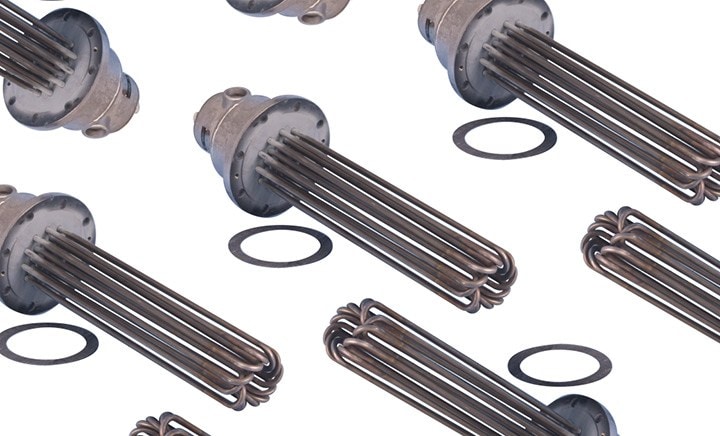
浸漬ヒーター 浸漬ヒーターとは、タンクまたは容器内に設置され、液体を加熱するための装置である。設置方法は、オーバーザサイド式、フランジ式、またはねじ込み式が可能です。
Tagged as:Product Info, Get Curious
Read More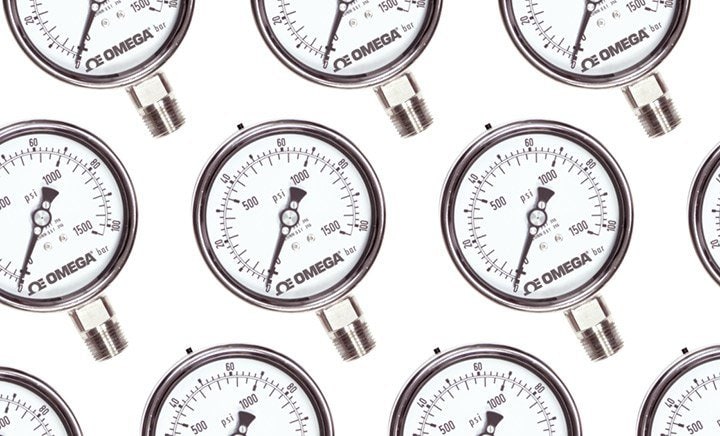
圧力計とは何か。 圧力計は、プラントにおいて最も多く使用される計器の1つである。しかし、その数が多いため、メンテナンスへの注力および信頼性が損なわれるおそれがあります。
Tagged as:Product Info, Get Curious
Read More