


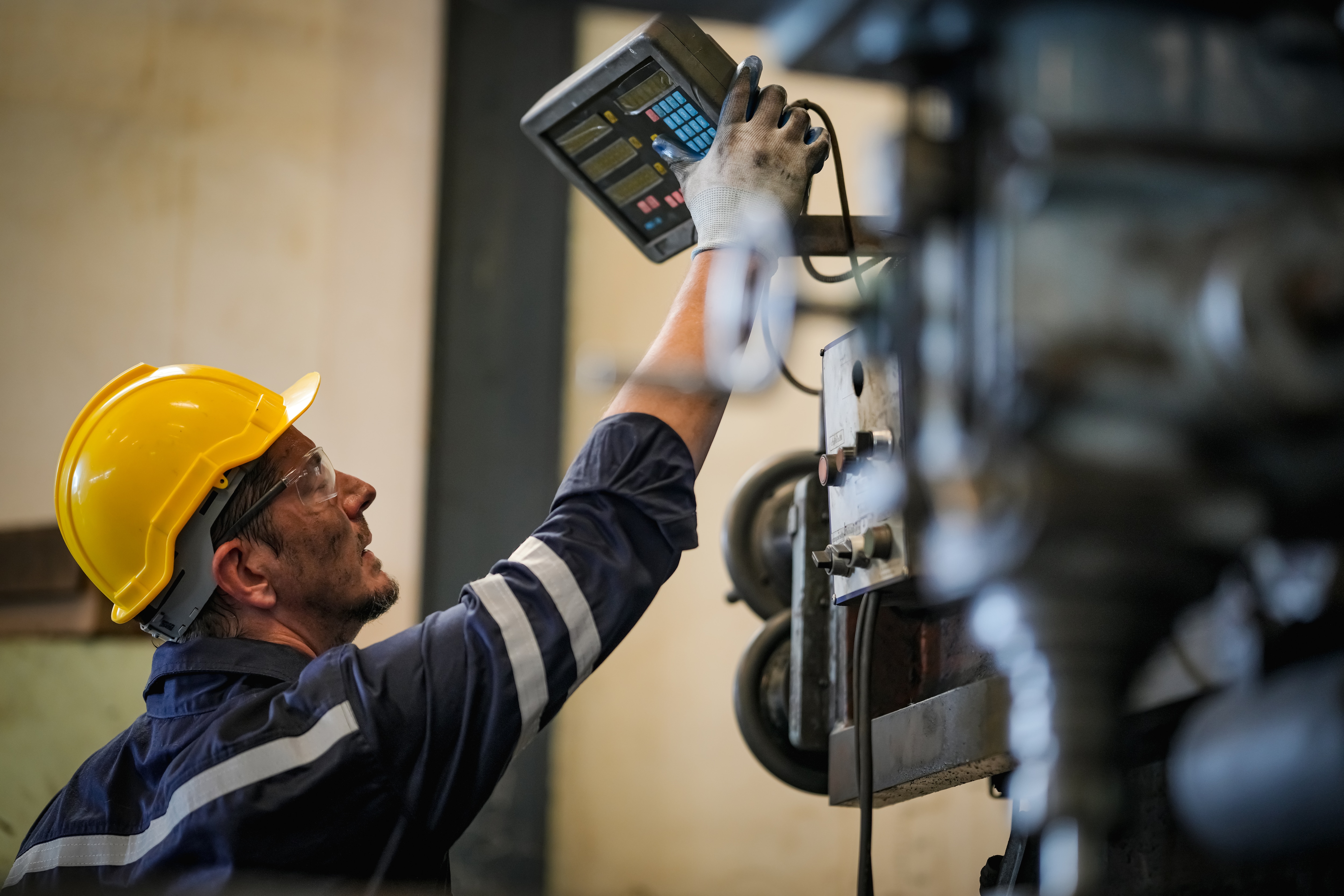
Accurate measurement underpins process control, product quality, and safety. Every decision in a monitored system, whether in an industrial environment or a laboratory, be it automated or operator-driven, depends on the integrity of the data being measured. Calibration, which is the comparison and adjustment of a reading from an instrument in correlation with the reading of a higher accuracy piece of equipment, is what ensures measurement systems remain trustworthy over time.
Why Calibration Matters
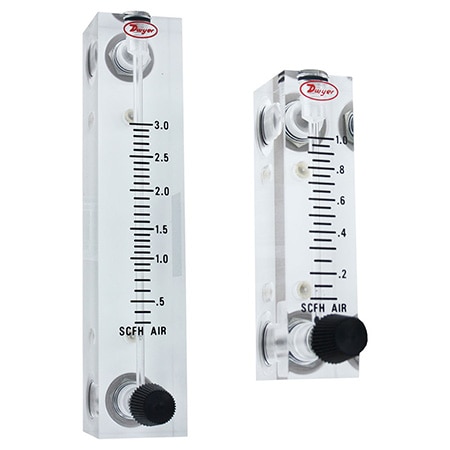
Instruments are typically calibrated by the manufacturer before shipment. However, the accuracy of instrumentation can degrade over time. During operation, measurement devices are exposed to real-world conditions that introduce drift:
- Mechanical wear from continuous use
- Exposure to temperature extremes, humidity, or corrosive media
- Shock and vibration from process equipment or transport
- Fouling, buildup, or abrasion from the process itself
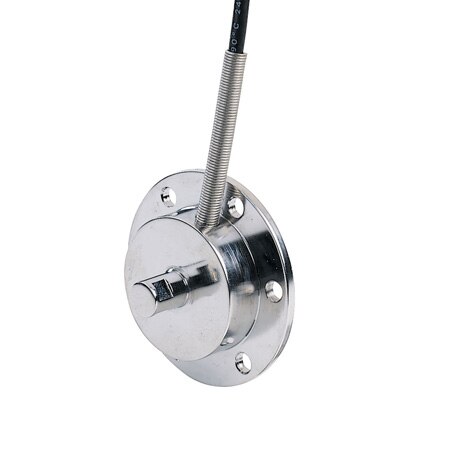
Operational Impact of Sensor Drift
In many industries, even a slight variation in the accuracy of an instrument can have outsized consequences:
- Product quality: Tight process windows mean minor deviations can push batches out of specification
- Process efficiency: Misleading readings can cause overcorrection, wasted energy, or excess material use
- Downtime and maintenance: Undetected errors can lead to equipment stress or failure
- Safety risk: In critical systems, incorrect readings can contribute to unsafe operating conditions
The Role of Routine Calibration
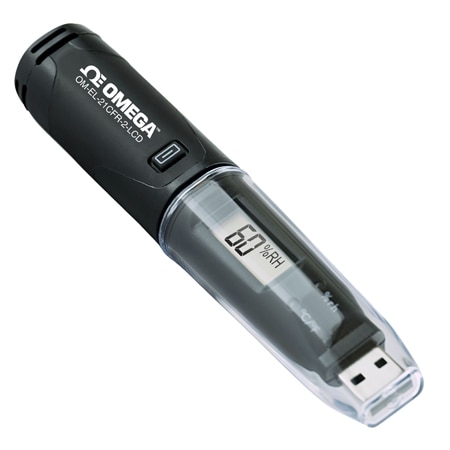
Periodic calibration is a priority of a disciplined maintenance program. Rather than reacting to failure, defined calibration intervals are established based on:
- Instrument type and stability
- Process criticality
- Environmental severity
- Historical performance data
Traceability and Certification
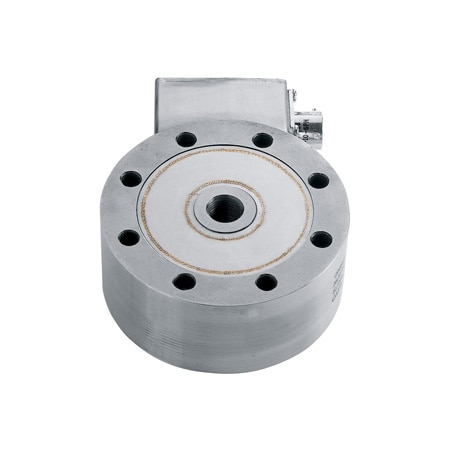
In addition to routine calibration, it may also be necessary that instruments be tested to a certain traceability standard, such as NIST. This type of calibration must be completed by a laboratory that has obtained the accreditation necessary for that standard. Instruments are tested against standard reference materials (SRMs) and receive a calibration certificate once testing is completed.
Key elements include:
- Use of standard reference materials or certified reference instruments
- Documented uncertainty and calibration conditions
- Issuance of a calibration certificate
DwyerOmega Calibration Services and Capabilities
Maintaining instrument accuracy requires access to reliable calibration and service resources. DwyerOmega’s Service and Calibration Center is structured to minimize downtime while restoring equipment to verified performance.
Calibration services are performed against NIST traceable standards and align with established quality frameworks, including ISO 10012-1, ISO 17025, and ANSI/NCSL Z540-1-1994. The laboratory operates within an ISO 9000:2015 compliant quality system, supporting consistent processes and documented results with low measurement uncertainty.
Available services include:
- Individual probe calibration
- Instrument calibration
- System calibration with sensors connected to the instrument
DwyerOmega Calibration FAQs
Answer: We strive to achieve turn-around in five business days after receipt of your instrument, but some instrument types may take up to 15 business days or longer For the most accurate turn-around times, contact us for more details.
Answer: Many instruments may be authorized for expedited service. Please contact us to see if your product is eligible for expedited enquires.
Answer: If your instrument cannot be calibrated due to an instrument failure, you will be notified to determine how you would like to proceed. Please note, all calibration service requests are subject to a minimum fee to cover processing expenses (contact us for more information). This fee is automatically waived if a warranty issue is verified. Multiple options may be available to assist with out-of-warranty issues, including repair or replacement.
Answer: Instruments and equipment purchased through DwyerOmega are warranted to be free from defects in workmanship or material under normal use and service for a period of one year from date of shipment. Software warranties may vary. Extended warranties may be available for some instrument types. Warranty is limited to repair or replacement at our factory's discretion. Please refer to our published Terms & Conditions or Contact Us for details on your product warranty. If a warranty issue is verified upon receipt, our evaluation fee will automatically be waived and our factory will rectify or replace the item at no charge.
Moteurs pas à pas Introduction to Stepper Motors
