


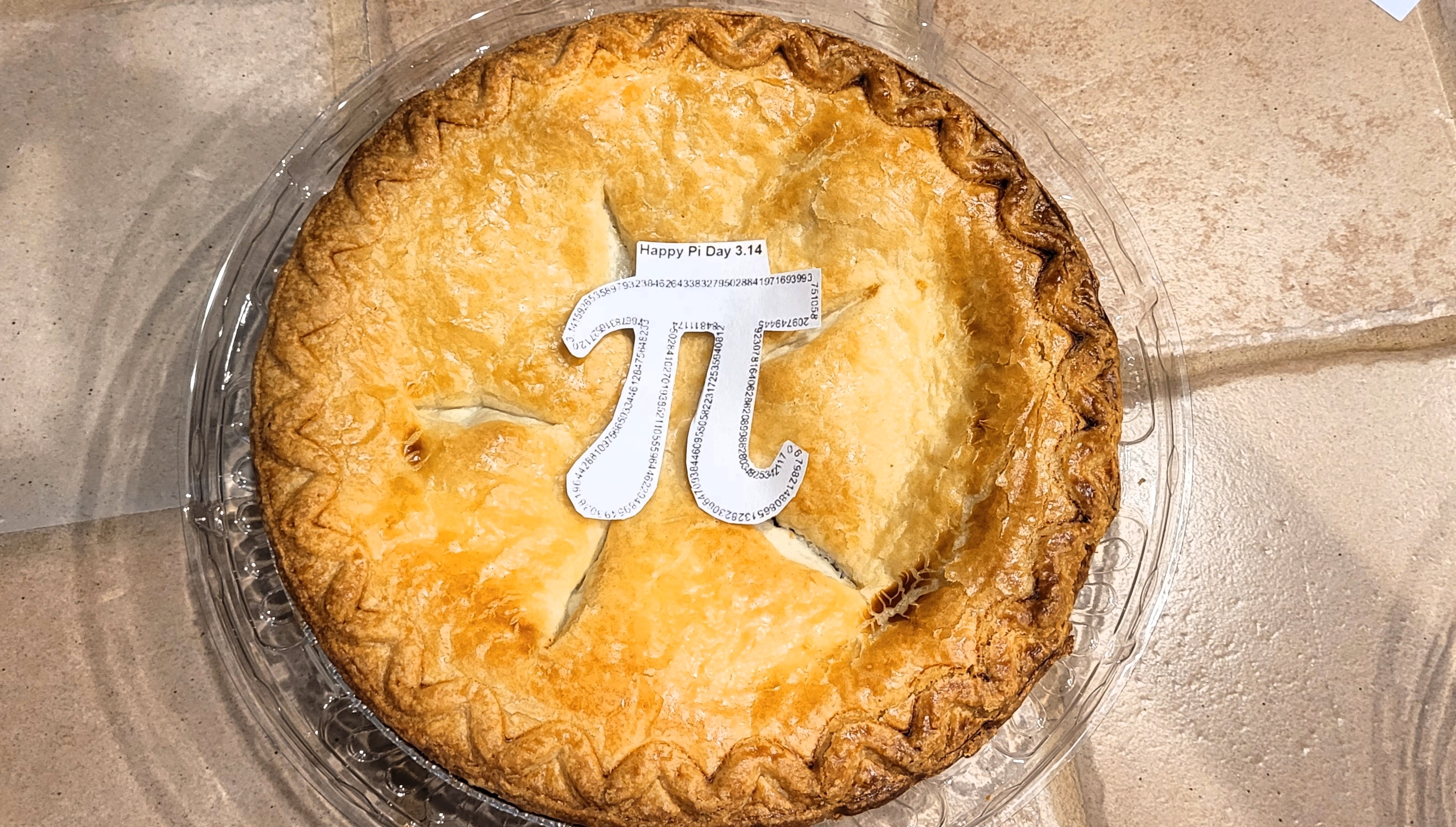
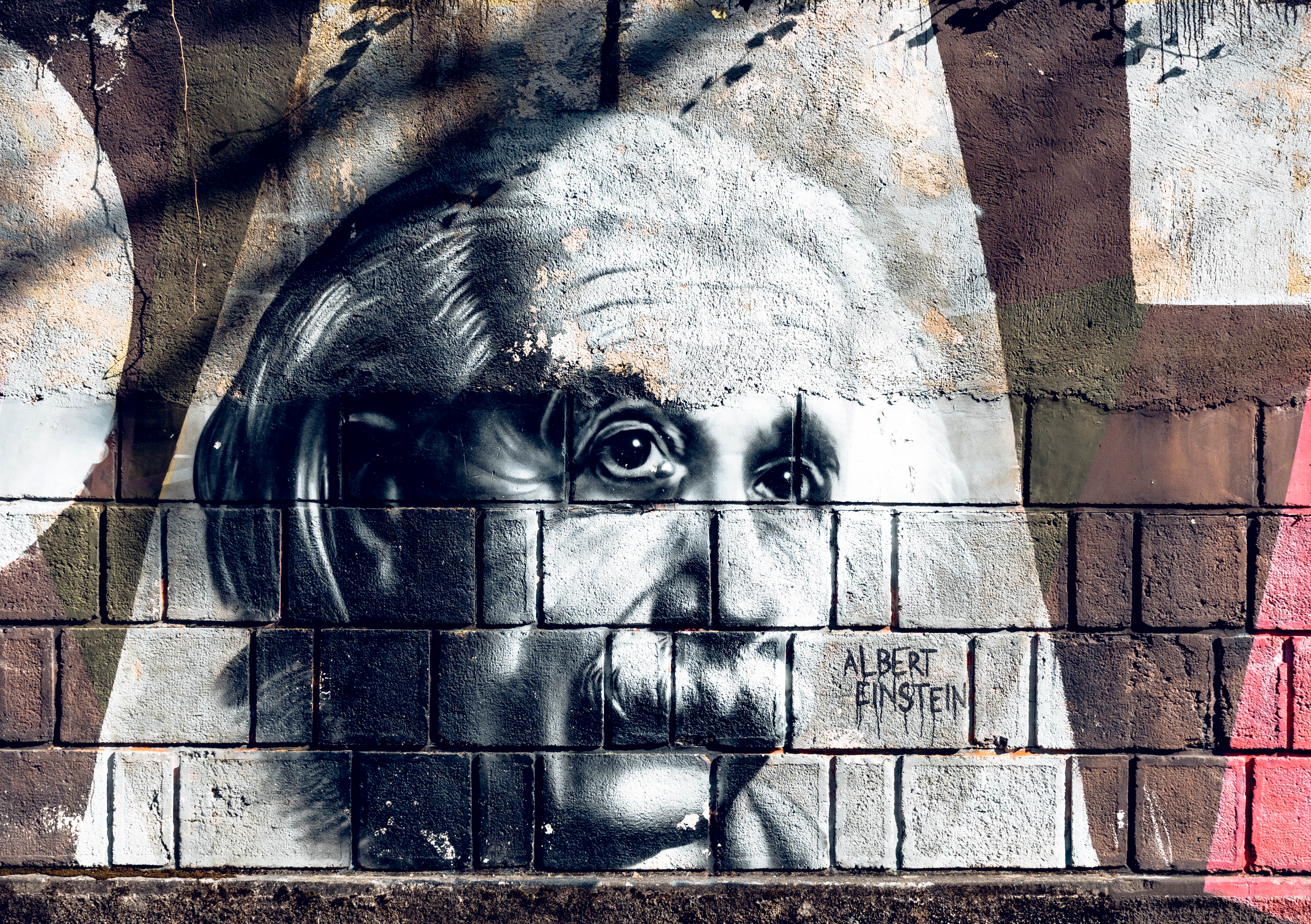
March 14th, Pi Day - so named because the date corresponds to the first three digits of pi - is not only a celebration of mathematics, but it is also the birthday of one of the GOATs – Albert Einstein, born on this day in 1879. While Einstein is most associated with the theory of relativity, his contributions to statistical mechanics and thermodynamics have also played a significant role in the development of modern industrial measurement instrumentation.
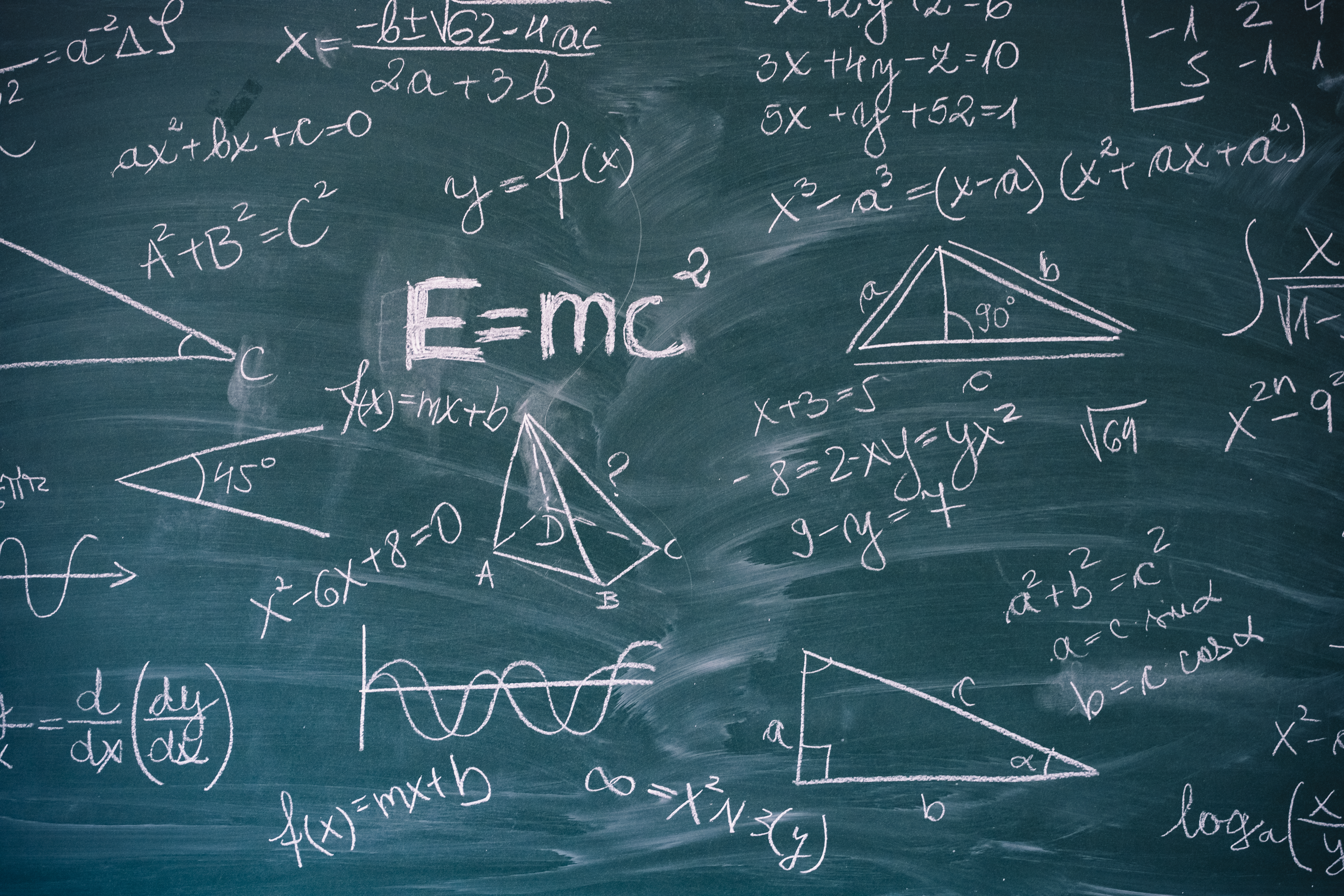
(Some of) Einstein’s Theoretical Foundations: A (Brief) Overview
- The Relationship Between Energy and Matter - Einstein’s famous equation, E=mc², demonstrated that energy and mass are interchangeable. While commonly associated with nuclear physics, this principle plays a role in heat transfer and thermodynamics. Many temperature measurement technologies, such as thermocouples and infrared sensors, rely on these fundamental principles to achieve the high accuracy needed for industrial and scientific applications.
- Brownian Motion and Molecular Movement - Einstein mathematically proved that microscopic particles move unpredictably due to collisions with surrounding molecules. This insight laid the foundation for modern sensors that detect fluid and gas movements, such as airflow meters and humidity sensors, which depend on measuring small changes in molecular motion.
- Statistical Mechanics and Probability - Einstein’s work in statistical mechanics helped explain the behavior of large numbers of particles in various states. This research has been instrumental in the development of data logging and monitoring systems, which track environmental and industrial conditions over time, enabling pattern detection and process optimization.
Einstein’s Influence on Measurement Technology
Temperature Measurement Devices
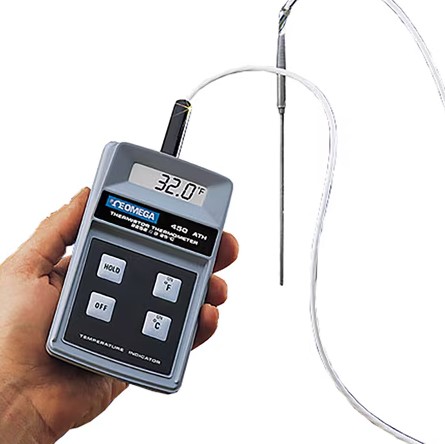
- Photoelectric Effect and Semiconductor Physics: Einstein’s explanation of the photoelectric effect in 1905 has been foundational in the development of semiconductor technology, paving the way for devices like thermistors.
- Infrared Radiation and Non-Contact Temperature Measurement: The quantization of energy levels, a concept Einsten contributed to, laid the groundwork in understanding infrared radiation, crucial for non-contact temperature measurement devices like infrared sensors and infrared transmitters.
- Statistical Mechanics and Data Logging: Einstein’s contributions to statistical mechanics have enhanced our ability to analyze temperature fluctuations over time. Devices like data loggers rely on these fundamental principles, enabling accurate environmental monitoring and ensuring optimal climate control in various settings.

Pressure Measurement Devices
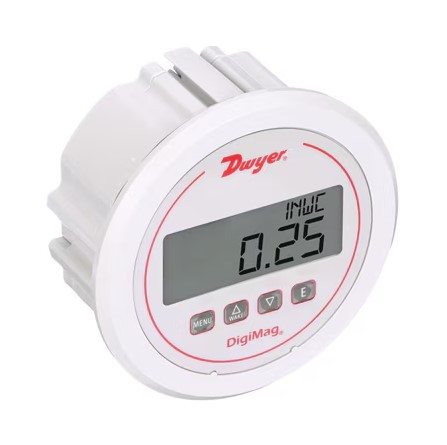
- Differential Pressure Gauges: Einstein’s exploration of Brownian motion enhanced the understanding of fluid dynamics and pressure fluctuations. This knowledge is crucial in designing accurate differential pressure gauges, which measure low differential pressure in various applications.
- Pressure Transducers: Einstein’s work on the photoelectric effect laid the foundation for semiconductor technology. Modern pressure transducers utilize semiconductor strain gauges to convert pressure into electrical signals, enabling precise pressure measurements.
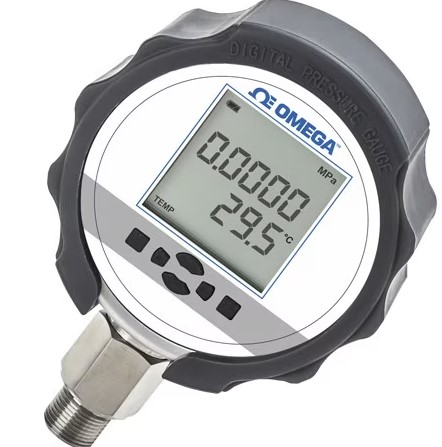
- Digital Pressure Gauges: Advancements in quantum mechanics, influenced by Einstein’s contributions, have led to the development of sophisticated electronic components. These components are integral to digital pressure gauges, which offer precise pressure measurement and control.
Einstein and Pi Day - The Significance of Pi in Measurement
Pi is an irrational number representing the ratio of a circle's circumference to its diameter. Its applications extend far beyond geometry, permeating various fields such as engineering, physics, and technology. In measurement and instrumentation, pi is essential in calculations involving circular and spherical components, influencing the design and functionality of sensors and gauges.
Einstein’s birthday on Pi Day serves as a perfect reminder of how his groundbreaking contributions to science continue to shape modern industry. From his work on statistical mechanics, which deepened our understanding of fluid dynamics and pressure measurement, to his pioneering insights into the photoelectric effect, which laid the foundation for semiconductor-based transducers, Einstein’s influence extends far beyond theoretical physics. Today, advanced industrial instrumentation—such as differential pressure gauges, digital controllers, and high-accuracy transducers—relies on the very principles he helped establish. As we celebrate Pi Day, we not only honor the mathematical constant that governs the universe but also the genius whose discoveries continue to drive innovation in engineering and industrial technology.
Discover More! Contact Us Today

What is a Calibrator and why is it an important device? Introduction to Instrument Calibration
DwyerOmega | Blog | Proper Temperature Sensor Calibration Calibrator Simulators vs. Physical Calibration Devices