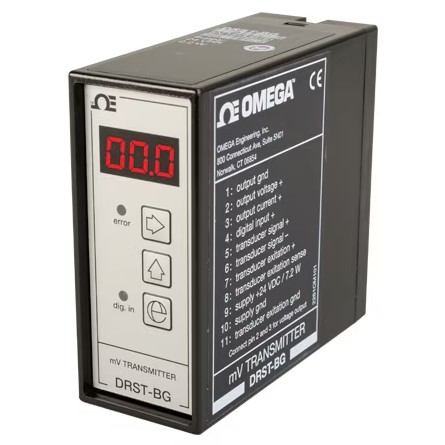
In the complex environments of modern industrial manufacturing, the accuracy and reliability of data are paramount. However, achieving precise readings and control can be challenging without the right equipment to condition the signals from sensors and other devices.
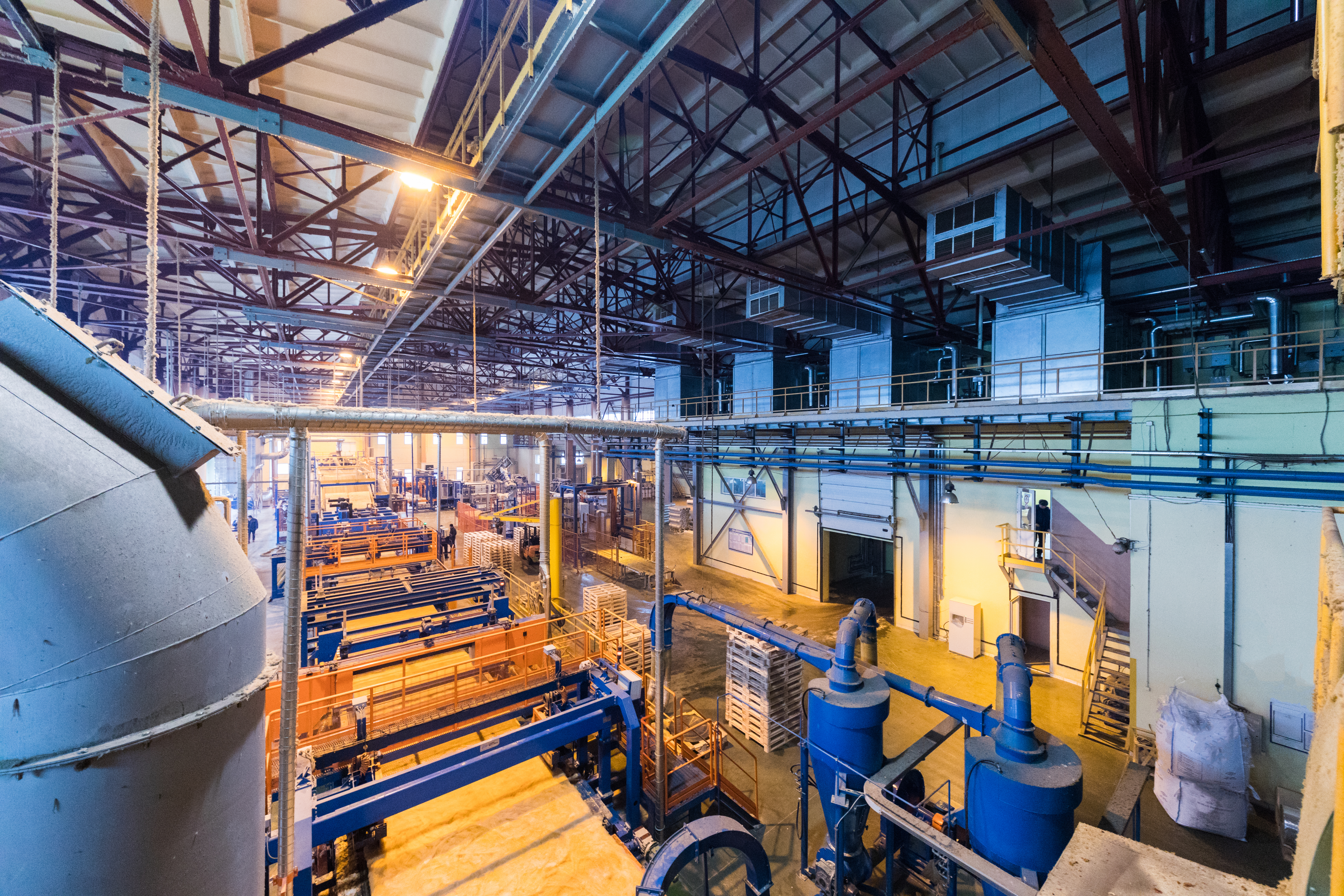
Without signal conditioning, issues, such as signal distortion, electrical noise, and system compatibility problems, are all but guaranteed to arise – and these issues can lead to costly errors and inefficiencies. For a reliable solution, systems managers and operators turn to DIN rail signal conditioners, which ensure smooth and reliable communication between industrial systems.
In Stock & Ready to Ship! | Check Out Our Comprehensive DIN Rail Signal Conditioner Selection
What is a Signal Conditioner?
A signal conditioner is a crucial device used in industrial automation to modify or adjust signals to make them compatible with the input requirements of control systems – like data acquisition systems or process controllers. These signals may originate from sensors, transmitters, or other process control devices and, without a signal conditioner, a DAQ system or process controller could misinterpret the data or experience some sort of malfunction to issues such as incorrect voltage levels or electrical noise.
Signal conditioners typically perform the following key functions:
- Signal Conversion: They convert signals from one type to another (e.g., from voltage to current, or from a thermocouple input to a readable signal).
- Electrical Isolation: They provide isolation between different components in a control system, protecting sensitive equipment from high voltages or electrical surges.
- Noise Filtering: In noisy industrial environments, signal conditioners help filter out electrical interference, ensuring that the data is accurate and free from disruptions.
- Linearization: They help to linearize sensor output for precise control and measurement.
These functions are especially critical in industrial applications where signal integrity is paramount for automation systems to perform optimally.
Why "DIN"?
The term "DIN Rail" refers to the standardized metal rails (known as DIN rails) used to mount industrial control equipment. These rails are defined by the Deutsches Institut für Normung (DIN), a German standards organization, which established the specifications for these mounting systems in the 1920s.
DIN rails are widely adopted in the industrial automation field due to their ability to organize and securely mount various electrical and control devices in a neat, space-efficient manner. The devices are designed with a clip or bracket that allows them to easily snap onto the rail, which streamlines both installation and maintenance.
Applications and Industries
DIN Rail signal conditioners are versatile devices that find their applications across a wide variety of industries, each with its unique demands for precision, reliability, and system integration.
Manufacturing Plants
In manufacturing plants, ensuring seamless communication between control systems and industrial equipment is vital for maintaining efficiency and preventing costly downtime. Signal conditioners are often used to process signals from sensors, actuators, and other field devices, converting and conditioning them for accurate measurement and control.