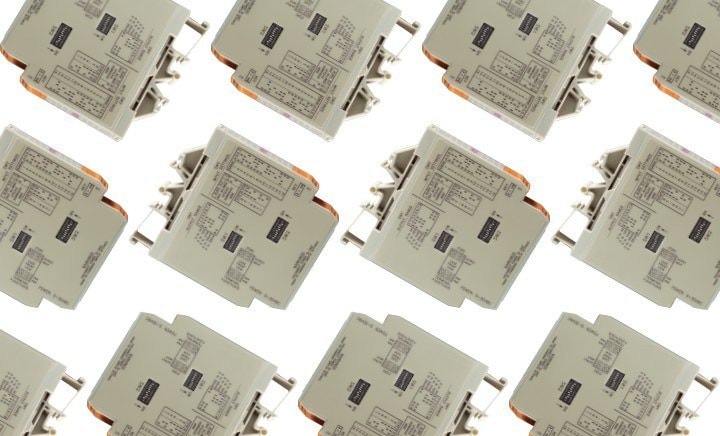
How Signal Conditioning Improves Measurement Accuracy and System Performance
Signal conditioning is a critical step in data acquisition, enabling sensors to deliver accurate and reliable measurements. By amplifying, filtering, isolating, and converting signals, signal conditioners ensure compatibility between real-world inputs and digital systems used in industrial, commercial, and laboratory applications.
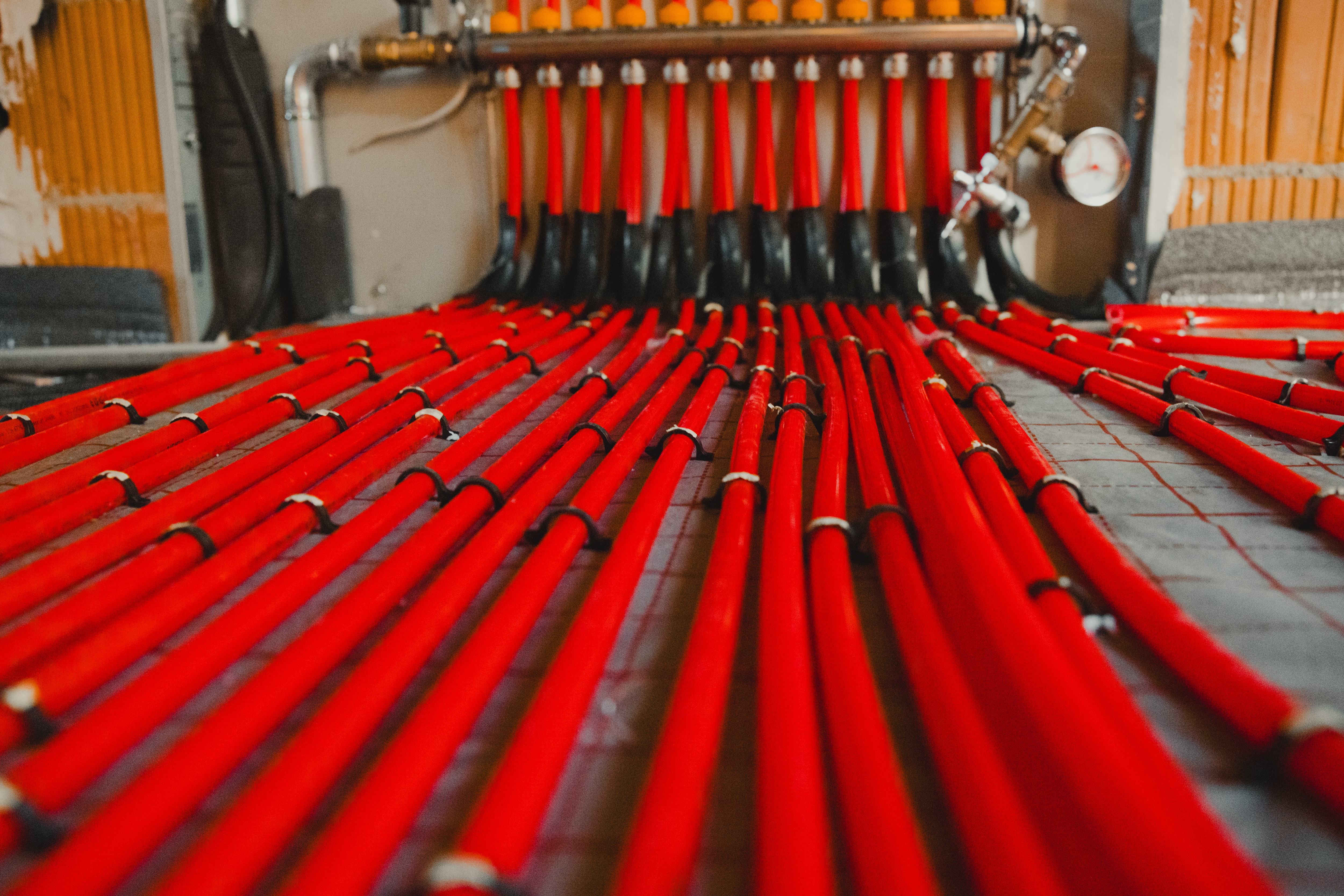
Measuring Thermal Energy in Hydronic HVAC Systems
Thermal energy measurement in hydronic HVAC systems relies on flow, temperature differential, and calculation. This article outlines core components and compares flexible, lower-cost custom configurations with fully integrated ultrasonic and electromagnetic systems. It explains how each approach works, key performance considerations, and when to prioritize simplicity, accuracy, or cost.

From Apollo to Artemis
NASA’s Artemis program is advancing human exploration beyond low Earth orbit, building on the technical legacy of Apollo. While spacecraft and mission architectures have evolved, fundamental requirements such as pressure control and gas flow management remain critical. From Apollo 11’s quarantine systems to today’s Artemis missions, accurate measurement supports crew safety, sample protection, and reliable system performance.
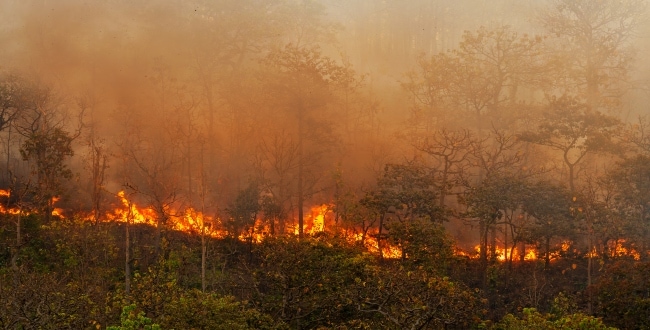
The Importance of Monitoring Indoor Air Quality During Wildfire Season
Wildfire smoke introduces fine particulates that can infiltrate indoor environments, making IAQ an active system challenge rather than a passive condition. This article outlines how facilities can use particulate monitoring, differential pressure sensing, and CO₂/VOC measurement to maintain safe indoor air during smoke events. By combining filtration strategies with real-time data, operators can balance reduced outdoor air intake with occupant health, system performance, and ventilation control.